Blog
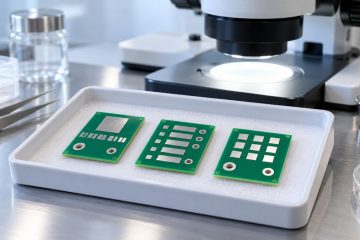
PCB Solderability Test: Wetting Methods and Failure Checks
Choose PCB solderability tests, compare wetting methods, and separate finish problems from assembly faults with a practical supplier evidence checklist.



Choose PCB solderability tests, compare wetting methods, and separate finish problems from assembly faults with a practical supplier evidence checklist.
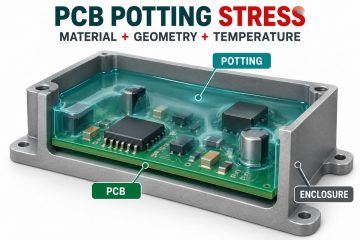
Compare rigid and flexible epoxy, read CTE and Shore hardness correctly, and use a qualification checklist before approving a PCB potting material.
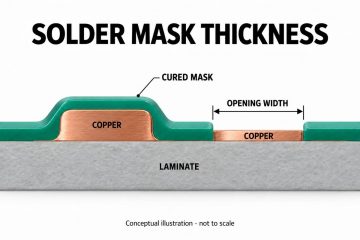
Separate solder mask thickness from clearance, read a real WCSP limit, and use a measurement checklist to agree PCB coating requirements before fabrication.

Read PCB Z-axis CTE correctly, compare Tg and expansion data, and use a practical checklist for laminate selection, via qualification and supplier review.
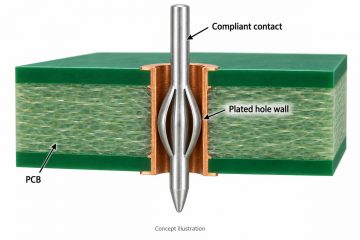
Specify press-fit PCB holes using connector drawings, finished-hole tolerances and plating checks. Use a release checklist before assembly.
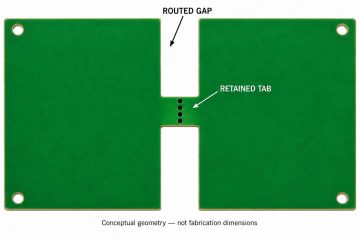
Review PCB mouse bites before ordering: distinguish tabs from hole spacing, protect critical edges, and use a drawing checklist for controlled separation.
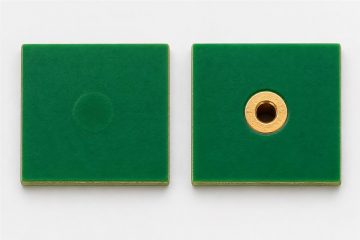
Choose tented or open vias, check front and back solder mask, and distinguish tenting from filled via-in-pad before releasing PCB fabrication files.
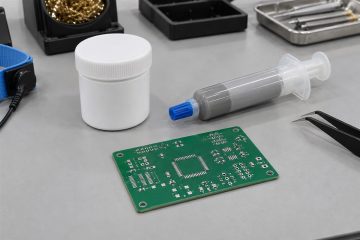
Separate solder paste shelf life from stencil life, handle warm-up correctly, and diagnose dry paste with a lot log and practical stop-use checklist.
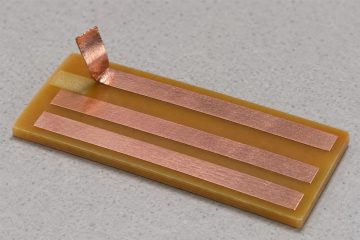
Understand PCB copper peel strength, calculate N/mm correctly, compare test conditions, and check supplier reports without relying on a universal pass value.
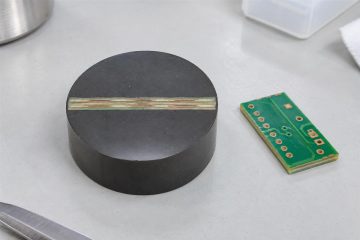
Learn what PCB microsection analysis reveals, how to review measurements and sample identity, and why one good cross-section cannot approve an entire lot.
If you have any enquiry about quotation or cooperation, please feel free to email us at sales@pcbtry.com or use the following enquiry form. Oursales representative will contact you within 24 hours. Thank you for your interest in our products.