



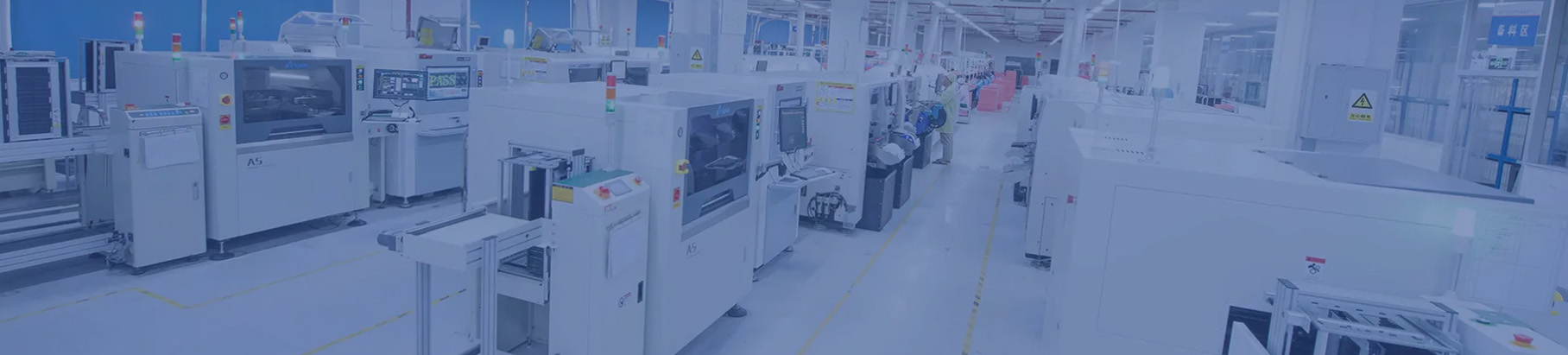
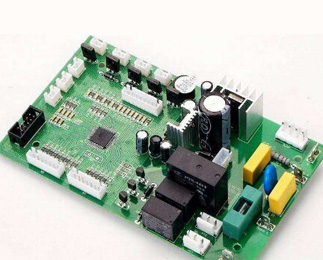
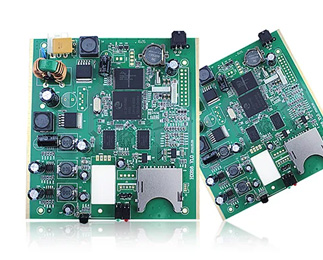
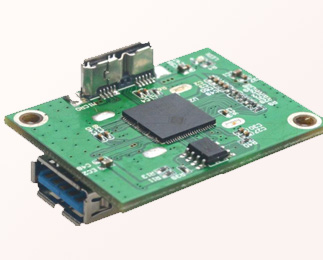
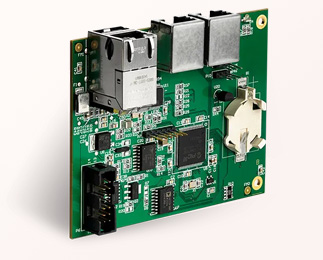
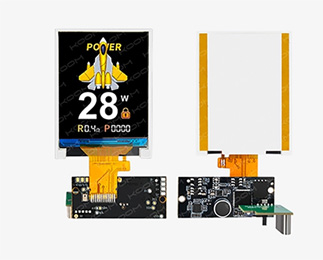
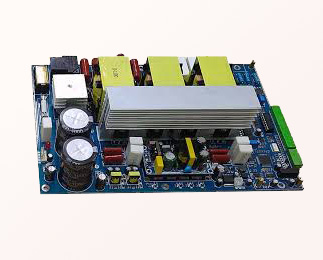
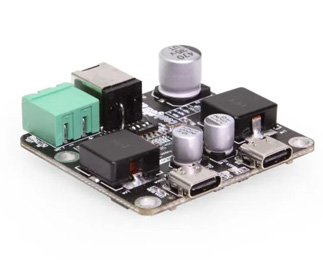
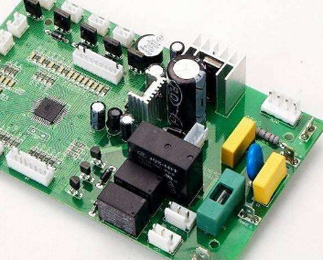
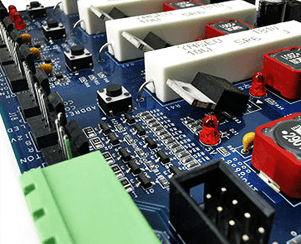
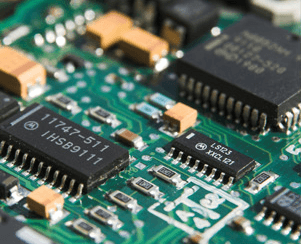

PCB assembly (PCBA) is the process of placing and soldering electronic components onto a printed circuit board. This transforms a blank PCB into a functioning part of an electronic product. At Best Technology, we offer full PCB assembly services including prototyping, low- and high-volume production, turnkey solutions, and more — all backed by strict quality standards.
What Is a PCB Assembly?
PCB assembly refers to the final stage where all the components like ICs, resistors, and connectors are mounted onto a bare PCB. This is done through surface-mount (SMT), through-hole (THT), or a hybrid method. The end result is a working electronic board ready for integration.What Are the Components of a PCB Assembly?
A complete PCBA includes:- The bare board (fabricated PCB)
- Passive components like resistors and capacitors
- Active components like ICs and transistors
- Solder paste and flux for SMT soldering
- Silkscreen and solder mask layers
- Surface finishes like ENIG or HASL for reliable solderability
What Is the Standard for PCB Assembly?
The most important and widely recognized standard for PCB assembly is IPC-A-610, titled “Acceptability of Electronic Assemblies.” And we also follow this standard during the manufacturing. This standard provides detailed guidelines and criteria for assessing the quality and workmanship of electronic assemblies. It defines what constitutes an acceptable solder joint, component placement, cleanliness, and overall workmanship.IPC-A-610 is used globally by manufacturers, inspectors, and customers to ensure assemblies meet minimum quality requirements. It categorizes workmanship into three classes based on product use and reliability needs:
Class 1: General electronic products where functionality is key, but cosmetic defects are acceptable.
Class 2: Dedicated service electronic products requiring extended life and higher reliability. (Default class level in Best Technology)
Class 3: High-performance electronic products used in critical applications such as aerospace, military, and medical, demanding the highest quality standards. (We will follow class 3 if customer required)
PCB Assembly Process
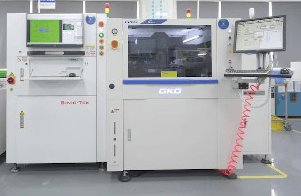
PCB assembly involves several precise steps, each critical to producing a reliable and functional board:- Solder Paste Printing: Using a stencil, solder paste—a mixture of flux and tiny solder spheres—is applied precisely to the PCB pads for SMT components.
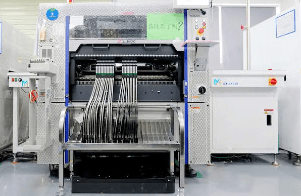
- Pick and Place: Automated machines pick components from reels or trays and place them accurately on the solder-pasted pads, often within microns of tolerance.
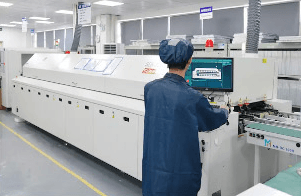
- Reflow Soldering: The PCB passes through a reflow oven where temperature zones gradually melt the solder paste, forming strong electrical and mechanical connections.
- Through-Hole Component Insertion: Components with leads are manually or automatically inserted into plated holes in the PCB.
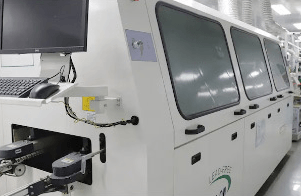
- Wave Soldering: For through-hole components, the board may be passed over a wave of molten solder, soldering all pins simultaneously.
- Cleaning: Residual flux and contaminants are removed to prevent corrosion and ensure long-term reliability.
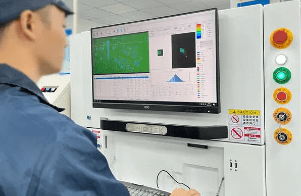
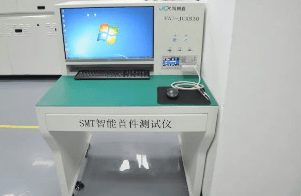
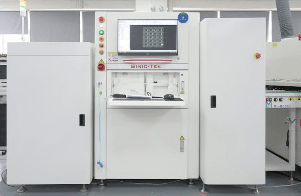
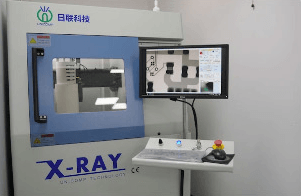
- Inspection and Testing: Automated Optical Inspection (AOI), X-ray inspection for hidden joints (e.g., BGAs), and manual inspections detect defects such as solder bridges, insufficient solder, or misaligned parts.
- Functional Testing: Boards undergo electrical tests to verify correct operation under real-world conditions.
- Final Packaging: Assembled PCBs are carefully packed to protect them during shipping.
PCB Fabrication vs PCB Assembly
PCB Fabrication refers to the creation of the physical bare board. This includes layering, etching copper traces, drilling vias, applying solder mask and silkscreen, and preparing the board for assembly. It defines the electrical pathways but has no components yet.PCB Assembly is the next step—mounting and soldering electronic components onto the fabricated bare board. Assembly transforms the bare board into a working circuit capable of performing its intended functions.
Many manufacturers specialize in only one of these processes. However, working with a company like Best Technology that offers both fabrication and assembly ensures better process control, faster turnaround, and improved communication. This integration helps catch design issues early and streamlines the production from prototype to volume manufacturing.
Our PCB Assembly Services
At Best Technology, we provide a full spectrum of PCB assembly services tailored to your needs:- Prototype Assembly: Quick-turn assembly for small batches or initial testing, enabling fast design validation and iteration.
- Production Assembly: Multi production lines capable of handling medium to high volumes with consistent quality and cost efficiency. Our flexible lines can switch between multiple product types and volumes.
- Box Building Assembly: Beyond bare boards, we offer full product assembly, integrating PCBs with enclosures, wiring harnesses, connectors, and final labeling to deliver ready-to-use assemblies.
- Consigned Assembly: You provide all components, and we focus on precise and high-quality assembly, inspection, and testing.
- Partially Consigned Assembly: You supply critical or long-lead parts; we source the rest.
- Turnkey Assembly: We manage the entire process from component sourcing through assembly, testing, and delivery. Turnkey assembly reduces your workload and simplifies supply chain management.
Each service is supported by engineering expertise, DFM reviews, and quality assurance to help you launch your products successfully, whether you need a few prototypes or thousands of production units.
Our PCBA Capabilities
We provide a comprehensive range of capabilities to meet the most demanding assembly requirements. The table below outlines our key technical specifications:Capability |
Specification / Feature |
Assembly Types |
SMT, THT, Mixed Technology |
Component Sizes |
From 01005, 0201 up to large connectors and transformers |
Fine-Pitch Support |
Yes – QFP, QFN, BGA, uBGA, CSP, LGA (down to 0.3 mm pitch) |
Double-Sided Assembly |
Supported |
Layers Supported |
1 to 40 layers |
Soldering Types |
Leaded, RoHS-compliant (lead-free), Selective soldering |
Stencil Printing |
Laser-cut stencils, vision-aligned printing |
Reflow Oven Control |
8 to 12 zones, programmable thermal profiling |
Wave Soldering |
Yes – With nitrogen and flux control |
BGA Rework and Reballing |
Supported – X-ray alignment and reballing stations |
Inspection Methods |
AOI, 3D AOI, X-ray (for BGA), manual microscope |
Functional Testing |
ICT, functional tests, flying probe (upon request) |
Conformal Coating |
Acrylic, urethane, silicone coatings available |
ESD Protection |
ESD-safe floors, garments, and wrist straps across production lines |
Cleanroom Assembly |
Yes – Available for medical and high-reliability boards |
Our PCB Assembly Working Flow
- Our team reviews all necessary files and order details to ensure everything is complete and accurate before production begins.
- If required, we manufacture the SMT stencil based on your design specifications.
- Using your BOM and Centroid files, we program our assembly machines ahead of material arrival. Any discrepancies detected in the files are promptly addressed with you.
- Upon receiving all components, our IPQC team conducts a thorough incoming inspection to verify material completeness and correctness. Any issues or questions must be resolved before the assembly lead time starts.
- If all materials arrive before 12:00 PM PST, assembly lead time begins the following business day. Materials received after this cutoff are processed the next business day to allow sufficient time for the kit audit.
- Surface Mount Technology components are assembled first using our automated equipment. The initial board undergoes rigorous quality checks to verify part placement and polarity accuracy. Each board is visually inspected and scanned by Automated Optical Inspection (AOI) immediately after reflow soldering.
- Ball Grid Array (BGA) components are inspected using X-ray machines to ensure precise placement and to identify any soldering defects such as bridges.
- When applicable, the boards undergo cleaning to remove flux residues and ensure optimal performance.
- Through-hole components are inserted and soldered either manually or via selective soldering machines, depending on the volume and board design.
- Boards with through-hole components are cleaned again if necessary.
- A comprehensive final inspection is conducted to guarantee every board meets quality standards.
- Completed PCB assemblies, along with any leftover materials, are carefully prepared for shipment. Tracking information is promptly emailed to you for full transparency.
FAQs
1. How long does PCB assembly take?Typically 1–3 days for prototypes and 1–2 weeks for full production.
2. What files are needed for PCB assembly?
Gerber files, BOM, and centroid file — all zipped together.
3. Can you do SMT and THT on the same board?
Yes, we specialize in mixed-technology assembly.
4. What's the minimum order quantity?
We accept as few as 1 piece for prototypes.
5. Can you help with component sourcing?
Absolutely. We handle sourcing through trusted partners like Mouser, Digi-Key, and others.