



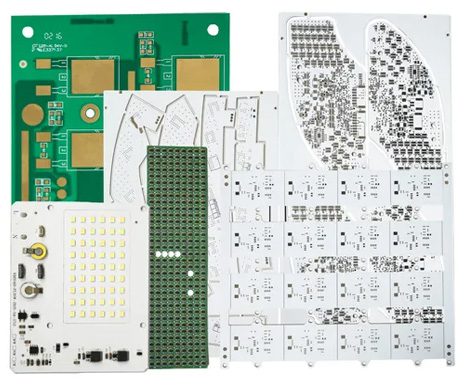


With two decades of technical accumulation and practical experience in the electronics manufacturing industry, we focus on the requirements of high-power heat dissipation scenarios and provide end-to-end customized professional solutions for Metal Core PCBs (MCPCBs).
Our innovative heat dissipation architecture design effectively reduces the risk of equipment failure by up to 70%.
Manufacturing adheres to military-grade standards, ensuring products can operate stably for over 100,000 hours.
We offer one-stop services covering design, R&D, and rapid prototyping, with the shortest solution response time of just 24 hours.
Heat dissipation performance directly impacts the reliability and lifespan of electronic devices. Professional MCPCB solutions are crucial for ensuring product performance.
Contact us now to get personalized technical solutions for your cooling systems
What are metal core PCBs?
Metal Core PCBs (MCPCBs) are high-performance circuit boards that break the thermal limitations of traditional circuit boards by introducing a metal substrate into the conventional PCB structure. Thanks to the high thermal conductivity of the metal substrate, heat can dissipate rapidly. Compared to ordinary circuit boards, MCPCBs can withstand higher power densities and are widely used in electronic devices with stringent heat dissipation requirements. They represent a significant innovation in modern electronics manufacturing.
Definition of Metal Core PCB (MCPCB)
A Metal Core PCB (MCPCB) is a printed circuit board with a metal substrate, typically aluminum or copper, replacing the traditional insulating material substrate. This unique structure endows MCPCBs with both the electrical performance of conventional PCBs and exceptional heat dissipation capabilities. The metal substrate efficiently conducts away the heat generated by electronic components, preventing performance degradation or even damage caused by heat accumulation, thus ensuring the stable operation of electronic devices.
What is the core of a PCB?
For Metal Core PCBs, the metal substrate is the core component. Take aluminum substrates as an example. They not only offer excellent mechanical strength, providing stable physical support for the circuit board, but also feature outstanding thermal conductivity, rapidly transferring heat generated by electronic components to the heat dissipation device. Additionally, metal substrates act as electromagnetic shields, reducing electromagnetic interference and enhancing the signal quality of electronic devices.
What is aluminum core PCB material?
Aluminum-based MCPCB materials are currently the most commonly used type. Aluminum offers advantages such as low density, low cost, and ease of processing. Although its thermal conductivity is lower than that of copper, it can meet the heat dissipation requirements in numerous electronic applications. Aluminum-based PCBs consist of a metal base layer, an insulating layer, and a circuit layer. The insulating layer needs to have excellent electrical insulation properties and thermal conductivity to ensure that the metal substrate and the circuit layer are both insulated and capable of efficient heat conduction.
Metal core pcb thermal conductivity
The thermal conductivity of MCPCB far exceeds that of ordinary PCBs. Typically, traditional FR4-based PCBs have a thermal conductivity of around 0.2 – 0.4W/mK. In contrast, aluminum-based MCPCBs can achieve a thermal conductivity of 1 – 2W/mK, while copper-based MCPCBs can reach 3 – 4W/mK. This high thermal conductivity enables MCPCBs to efficiently dissipate heat in high-power electronic devices, maintaining components within an optimal operating temperature range and extending the device’s service life.
Metal core pcb stackup
The stack-up structure of MCPCB typically consists of a metal base layer, an insulating layer, and a circuit layer. The metal base layer, as the key to heat dissipation, provides an excellent thermal conduction path. The insulating layer is made of materials with a special formulation, which ensures electrical insulation while maintaining high thermal conductivity to enable efficient heat transfer. The circuit layer is used to arrange the connection lines of electronic components, fulfilling the circuit functions. This scientifically designed stack-up allows MCPCB to strike a good balance between heat dissipation and electrical performance.
Metal core pcb thickness
The thickness of MCPCB varies according to specific application requirements. The common range for the thickness of the metal base layer is between 0.8mm and 3.2mm. Thinner layers are suitable for devices with limited space and sensitive to weight, such as portable electronics. Thicker layers, on the other hand, can provide stronger heat dissipation capabilities and mechanical strength, making them ideal for high-power, high-heat industrial equipment. The thicknesses of the insulation layer and the circuit layer are also finely adjusted based on process requirements and performance needs.
double sided metal core pcb
Double-sided Metal Core PCBs are similar to double-layer MCPCBs but place greater emphasis on the layout of the circuit design on both sides. Electronic components and circuits can be arranged on both sides, significantly enhancing the integration level and space utilization of the circuit board. Moreover, the dual-sided heat dissipation feature makes them excel in devices with slightly higher power requirements and compact spaces, such as small communication equipment and in-vehicle electronics.
multilayer metal core pcb
Multi-layer Metal Core PCBs (MCPCBs) further increase the number of circuit layers based on double-layer and double-sided designs, enabling more complex circuit functions and higher integration. Through reasonable interlayer layout and signal routing, multi-layer MCPCBs can effectively reduce signal interference and enhance circuit performance. They are commonly used in fields with extremely high requirements for circuit complexity, heat dissipation, and reliability, such as aerospace, medical equipment, and high-performance computing.
metal core pcb altium
When designing Metal Core PCBs (MCPCBs) using Altium Designer, it’s crucial to pay special attention to their unique stacking structures and heat dissipation characteristics. Designers must accurately configure the parameters of the metal substrate, insulating layer, and circuit layer, and carefully plan the heat dissipation paths. This ensures that the simulation results from the software can accurately reflect the actual thermal and electrical performance. Additionally, leverage Altium Designer’s robust capabilities for signal integrity analysis and thermal simulations to optimize the design.
metal core pcb led
In the field of LED lighting, Metal Core PCBs (MCPCBs) play an irreplaceable role. LED chips generate a significant amount of heat during operation. The high-efficiency heat dissipation capabilities of MCPCBs quickly dissipate this heat, ensuring that LED chips operate within an optimal temperature range. This not only extends the lifespan of LEDs but also enhances their luminous efficiency and stability. From common LED lighting fixtures to high-end LED displays, MCPCBs provide robust technical support for the widespread application of LED technology.
Metal core pcb manufacturers
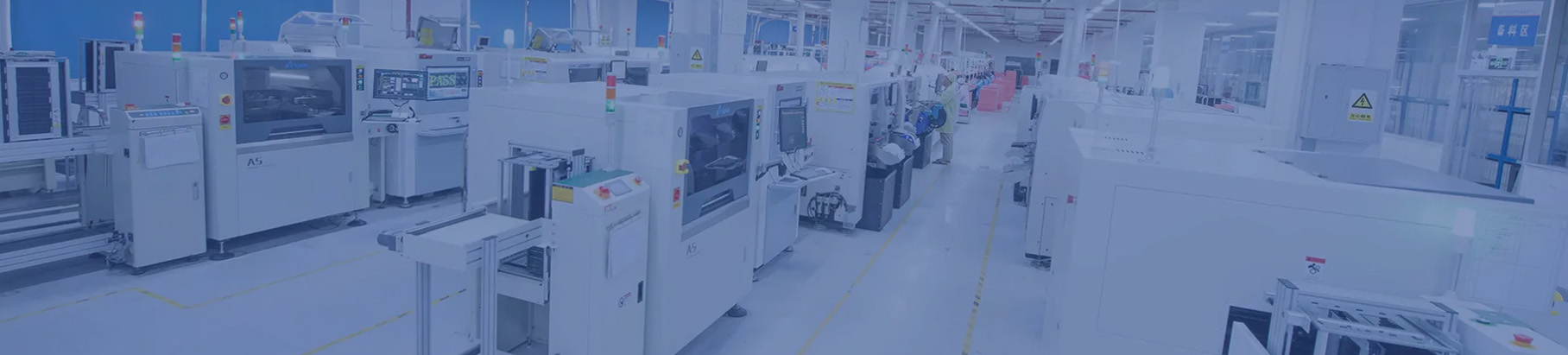
As a Metal Core PCB (MCPCB) manufacturer with 20 years of experience, we leverage state-of-the-art production equipment, advanced process technologies, and a stringent quality control system to deliver high-quality MCPCB products to customers worldwide. Every step, from raw material procurement to finished product delivery, is rigorously inspected to ensure compliance with international standards and meet our clients’ specific requirements.
MCPCB Design: Our team of experienced engineers designs solutions that balance performance and cost, tailoring each approach to meet specific customer requirements and product application scenarios.
MCPCB Prototyping: We respond promptly to customer needs, delivering samples in a short turnaround time to accelerate clients’ product testing phases.
MCPCB Assembly: Leveraging advanced automated assembly equipment, we ensure precise component installation and stable, reliable product performance.
Why Choose Us
Competitive Price
We are committed to offering high-quality PCB solutions at competitive prices. By optimizing our production processes and managing costs efficiently, we ensure that you get the best value for your investment.
Quality Guarantee
At Best Technology, quality is our top priority. We perform strict quality control procedures cover every stage of production, from raw material selection, prototyping to final product testing.
Turnkey Service
Our all-in-one approach simplifies supply chain, shorten lead times, and improves communication efficiency. And we have one-on-one sales-assistant service to give you a wonderful experience work with us.
On-Time Delivery
We understand the importance of meeting your project deadlines, and we offer online WIP updates to make sure you can keep track of the progress of your PCB product.
Metal core pcb design guidelines
1.Metal Substrate Selection
Select the metal substrate material (such as aluminum, copper, etc.) and appropriate thickness precisely according to the device power and heat generation intensity. Pay special attention to the differences in thermal conductivity of different metals (for example, the thermal conductivity of copper is about 401W/mK, and that of aluminum is about 237W/mK) to lay the foundation for heat dissipation at the material level.
2.Circuit Layout Optimization
Reduce the risks of crosstalk and electromagnetic interference through hierarchical planning and signal flow control. Adopt a functional zoning strategy: centrally arrange high-power heat-generating components and physically isolate them from sensitive signal lines; meanwhile, design grid-like or radial heat dissipation channels to ensure that heat is quickly conducted to the edge of the substrate.
3.Insulation Layer Process Control
Give priority to thermally conductive insulating materials (such as ceramic-filled epoxy resin). Optimize the coating process and lamination parameters to improve the heat conduction efficiency (target thermal conductivity 1 – 3W/mK) while ensuring the electrical insulation strength (≥5kV/mm). Balance the thickness of the insulation layer and heat dissipation performance to avoid increased thermal resistance caused by excessive thickness.
4.Performance Verification Testing
Verify the design reliability by combining ANSYS thermal simulation with actual working condition tests. The tests should cover high and low-temperature cycles from -40℃ to 125℃, a high-humidity environment of 95% RH, and continuous full-load operation tests to ensure no performance degradation under extreme conditions.
5.Mechanical Design Considerations
Select rigid or flexible metal substrates according to the application scenarios. Add reinforcing ribs or buffer structures at key positions to avoid the risk of circuit breakage caused by vibration and bending. Design the mounting hole positions accurately and use methods such as press riveting and screw fixation to ensure the dual stability of mechanical connection and heat conduction.
6.Surface Treatment Process
Select protection solutions according to different environmental requirements:
For normal environments: Use electroless nickel immersion gold (ENIG) to enhance oxidation resistance;
For highly corrosive environments: Spray three-proof paint or Parylene coating to extend the service life without affecting heat dissipation.
7.Thermal Vias Design
Maximize the heat dissipation area through a combined design of blind and buried vias, and stacked vias. Optimize the via parameters:
Hole diameter: 0.3 – 0.8mm (balancing heat dissipation and processing feasibility);
Density: ≥10 vias per square centimeter, distributed in a honeycomb pattern to balance heat dissipation efficiency and electrical isolation requirements.
8.Matching with Other Components
Ensure that the metal core PCB achieves “thermal – mechanical – electrical” triple adaptation with external devices such as heat sinks and fans:
Mechanical interface: Precisely match the size of the heat sink fixtures;
Thermal interface: Use thermal conductive silicone grease/gaskets to fill the contact surface, with a thermal resistance ≤0.5℃・cm²/W;
Electrical interface: Reserve sufficient wiring space to avoid signal interference caused by interference.
Metal Core PCB (MCPCB) vs Fr4
Compared with traditional FR4 material PCBs, Metal Core PCBs (MCPCBs) boast a significant edge in thermal dissipation performance. The limited heat dissipation capacity of FR4 restricts its use in high-power devices. In terms of mechanical strength, the metal substrate of MCPCBs also stands out, allowing for better adaptation to harsh working environments. However, FR4 offers relatively lower costs and easier machining, making it suitable for ordinary electronic devices with minimal requirements for thermal and mechanical performance. Each has its own set of advantages and drawbacks, and the choice should be made according to specific application scenarios.
Comparison Dimension |
Metal Core PCB (MCPCB) |
FR4 |
Thermal Dissipation |
Utilizes metals like aluminum or copper as the substrate, offering extremely high thermal conductivity to rapidly dissipate heat. Ideal for high-power heat-generating components. |
Made of epoxy glass fiber, with poor thermal conductivity, which can easily lead to local overheating and affect component lifespan. |
Mechanical Strength |
The metal substrate endows it with high rigidity and impact resistance, enabling it to withstand greater external forces. |
Moderate mechanical strength, but more prone to delamination and breakage under significant vibration or bending. |
Cost |
Due to complex materials and manufacturing processes (requiring special insulation layer treatment), the price is significantly higher than FR4. |
Low material cost and mature processing technology, making it the most commonly used low-cost PCB solution. |
Machining Difficulty |
The hardness of the metal substrate necessitates specialized equipment, and strict requirements for insulation layer treatment increase machining complexity. |
Mature drilling, etching, and other processing techniques, facilitating the fabrication of complex circuits. |
Weight and Volume |
Generally heavier than FR4, but optimized designs can achieve thinner thicknesses, providing an edge in space-constrained scenarios. |
Lightweight, suitable for products sensitive to weight but with low heat dissipation requirements. |
Electrical Insulation |
Relies on special insulation layers (such as ceramic-filled materials) for insulation. Poor craftsmanship may pose a risk of electrical leakage. |
Excellent insulation performance effectively isolates different circuit layers. |
Application Scenarios |
Commonly used in fields with high heat dissipation requirements, such as LED lighting, power modules, and automotive electronics. |
Widely applied in consumer electronics, communication devices, ordinary household appliances, and other scenarios with balanced cost and performance requirements. |
Thermal Expansion Coefficient |
The metal substrate has a closer thermal expansion coefficient to semiconductor components, ensuring more stable bonding between components and the PCB during high and low-temperature cycles. |
Higher thermal expansion coefficient may cause solder joint fatigue and reduce reliability. |
Service Life |
In high-heat environments, its superior heat dissipation extends the overall service life. |
Insufficient heat dissipation accelerates component aging under long-term high-temperature operation, shortening product lifespan. |
Metal Core PCB (MCPCB) manufacturing process?
Step 1: Substrate Preparation:Clean and sand the metal substrate as pre-treatment to remove surface impurities and oxide layers, laying the groundwork for subsequent processes.
Step 2: Insulation Layer Formation:Apply insulation layers onto the metal substrate through coating or lamination processes, isolating the metal from circuitry to ensure electrical safety.
Step 3: Circuit Layer Fabrication:Utilize photolithography and etching techniques to precisely create the circuit layer on the insulation surface, establishing pathways for electronic component connections.
Step 4: Solder Mask Printing:Print solder mask ink on non-circuit areas, which solidifies to form the solder mask layer, preventing short circuits and protecting the circuitry.
Step 5: Legend Printing:Print alphanumeric legends to mark component designations, polarities, and other critical information, facilitating assembly and post-production maintenance.
Step 6: Assembly:Employ soldering processes to accurately attach electronic components to designated positions on the circuit layer, completing the circuit assembly.
Step 7: Testing:Conduct rigorous electrical performance and thermal dissipation tests to ensure the product meets quality standards.
Metal Core PCB (MCPCB) Are Used In
LED Lighting: Such as LED streetlights, indoor lighting fixtures, LED displays, etc.
Power Supplies: Switching power supplies, power adapters, etc.
Automotive Electronics: Automotive headlights, vehicle chargers, engine control modules, etc.
Communication Equipment: Base station equipment, small communication modules, etc.
Industrial Control: High – power industrial devices like frequency converters and servo drives.
If you’re searching for a reliable Metal Core PCB (MCPCB) partner, feel free to reach out to us! With our professional expertise, top-notch service, and rapid response, we’re committed to meeting all your requirements. Kickstart your collaboration journey now by sending an email to sales@pcbtry.com!