




What Is Power PCB?
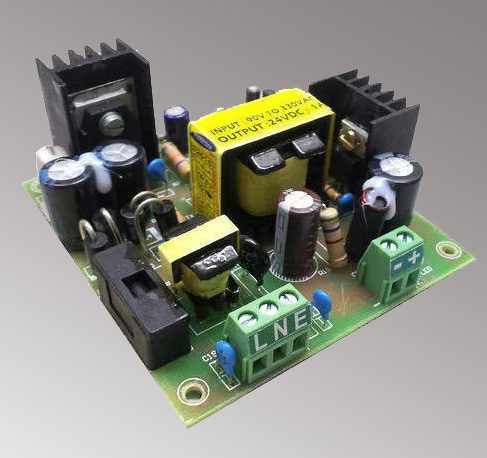
A Power PCB is a specialized type of circuit board designed specifically for power management and distribution in electronic devices. Unlike conventional PCBs primarily focused on signal transmission, power PCBs must handle high currents, high voltages, and dissipate significant heat while maintaining electrical stability and safety. The term power supply PCB or power circuit board is often used interchangeably to describe these boards that convert, regulate, and deliver electrical power to various components.In new energy applications—such as electric vehicles (EVs), solar power systems, and energy storage—power PCBs are fundamental. They enable the efficient transfer of power from the source (battery, grid, solar panel) to the load (motor, inverter, battery management system). The design and material choices in power PCBs have a direct impact on the system’s efficiency, reliability, and longevity.
Types of Supply Power PCB
Power PCBs come in several varieties, each tailored for different power levels, thermal requirements, and complexity:
1. Single-Layer Power PCB
This is the simplest type, consisting of one copper layer where the components are mounted. It suits low-power devices such as small adapters or simple chargers. Due to limited copper area, it cannot handle high currents or dissipate large amounts of heat.
2. Double-Layer Power PCB
These have two copper layers—top and bottom—allowing for more complex routing and moderate current handling. Common in LED drivers and small power supply modules.
3. Multilayer Power PCB
With three or more layers, multilayer power PCBs are essential for compact, high-power circuits where signal integrity and thermal management are critical. They can integrate power and control circuits efficiently, widely used in EV chargers and industrial power supplies.
4. Metal Core Power PCB (MCPCB)
These PCBs use a metal base, usually aluminum or copper, underneath the dielectric layer. This core improves thermal conductivity, helping dissipate heat from high-power components like power transistors and LEDs. MCPCBs are ideal for automotive power modules and high-power LED lighting.
5. Heavy Copper PCB
Heavy copper PCBs have thicker copper layers, ranging from 2oz to 6oz or more, designed to handle very high currents with reduced resistive losses and improved heat conduction. They are indispensable in industrial power converters and energy storage systems.
What Is the Purpose of a Power Board?
A power board is designed to convert and distribute electrical energy safely and efficiently. Its core purposes include:- Regulating voltage and current for downstream components.
- Converting AC to DC (or vice versa) through rectifiers or inverters.
- Filtering noise and protecting circuits via capacitors, inductors, and fuses.
- Managing heat through optimized layout and thermal materials.
In essence, the power PCB ensures that devices receive the correct type and amount of power with minimal loss and maximum safety.
Features of Power PCB
A well-designed power supply PCB includes several notable features:
- Thick Copper Layers: Typically 2oz to 6oz, enabling it to carry large currents without excessive heating.
- Wide Traces and Large Pads: Reduce resistance and improve current flow.
- Thermal Management: Includes vias, heat sinks, and metal cores to dissipate heat effectively.
- High Voltage Isolation: Maintains safe distances between high-voltage and low-voltage sections.
- Durability: Enhanced with robust materials to withstand vibration, moisture, and thermal cycling.
These features make the power PCB a reliable backbone for high-power systems.
Materials for Power Supply PCB
The core of any power supply circuit board is its substrate, which serves as the foundational material. Substrates are typically made from either organic or inorganic materials, each offering specific advantages depending on the application.Organic substrates commonly include thermosetting resins and thermoplastic polyesters. Among thermosetting resins, phenolic resin and epoxy resin are widely used due to their excellent mechanical strength and electrical insulation properties. On the thermoplastic side, materials like polyimide and polytetrafluoroethylene (PTFE) are favored for their flexibility and thermal stability, making them suitable for both rigid and flexible power PCBs.
Beyond the substrate, several other materials are essential in the manufacturing of power supply PCBs. Copper foils provide the conductive pathways needed for current flow. Printing inks are used for labeling and defining circuit patterns during fabrication. Solder masks protect the copper from oxidation and prevent solder bridging during assembly.
Power PCB Applications
- Electric Vehicles (EVs): Battery management systems, inverters, onboard chargers.
- Renewable Energy: Solar inverters, wind turbine controllers, battery storage systems.
- Industrial Equipment: Motor drives, CNC machines, and automation systems.
- LED Lighting: High-power LED drivers and light engines.
- Consumer Electronics: Power adapters, UPS systems, and high-end audio systems.
Why Power PCB Is Suitable for New Energy Vehicles?
New energy vehicles pose unique challenges for power electronics:- High Power Density
Space and weight constraints demand compact, multilayer power PCBs with thick copper to carry high currents without bulk.
- Thermal Performance
EV power modules generate substantial heat. Power PCBs with metal cores or heavy copper layers efficiently dissipate heat, protecting components.
- Reliability Under Harsh Conditions
Power PCBs in EVs must withstand vibration, humidity, and wide temperature ranges while maintaining stable electrical performance.
- Safety and Isolation
Adequate spacing and insulation techniques in power PCBs ensure user safety and prevent electrical faults.
- Integration with Battery Systems
Power PCBs support battery monitoring and management, enabling efficient charging, discharging, and longevity.
Power PCB Design Guidelines
Designing a power PCB—whether for electric vehicles, renewable energy systems, or industrial equipment—requires a focused approach that balances electrical performance, thermal management, and safety. Below are essential design principles to follow for creating a robust and reliable power supply PCB.- Copper Thickness: Use at least 2oz copper for medium-power circuits; for high-power, 3oz–6oz copper is common.
- Trace Width Calculation: Follow IPC-2152 guidelines, which consider trace length, temperature rise, and copper weight. Wider traces reduce resistance and heat buildup.
- Power Planes: Utilize solid copper areas (planes) for current-carrying paths, especially for ground (GND) and power (VCC). Planes help distribute current evenly and reduce voltage drop.
- Shortest Current Paths: Arrange components so that high-current paths are as short and direct as possible, reducing resistance and inductive loops.
- Decoupling Capacitors: Place capacitors close to power pins of ICs to suppress voltage spikes and maintain stable power.
- Magnetics and Switching Devices: Place inductors, transformers, and switching transistors with minimal trace length between them, reducing noise and heat.
- Segregation: Separate high-power and low-power sections to reduce noise coupling. Use ground planes to shield sensitive circuits.
FAQs
1. What distinguishes power PCBs from standard signal PCBs?Power PCBs use thicker copper layers, wider traces, and special materials to handle high current and heat, unlike signal PCBs which focus on data integrity and low voltage.
2. Can FR4 be used for high-power applications?
FR4 is fine for moderate power, but for high-power or high-temperature applications, metal core or heavy copper PCBs are recommended.
3. How do I calculate the copper thickness required?
Use industry guidelines like IPC-2152, considering current, allowable temperature rise, and trace length.
4. What is the advantage of metal core PCBs?
They provide superior heat dissipation, reducing hot spots and extending component life.
5. Why should I choose Thindry Circuit for my power PCB?
We offer customized design support, advanced manufacturing capabilities, and strict quality control certified to ISO standards. Our MES system ensures component traceability and product reliability, especially for automotive and new energy sectors.