



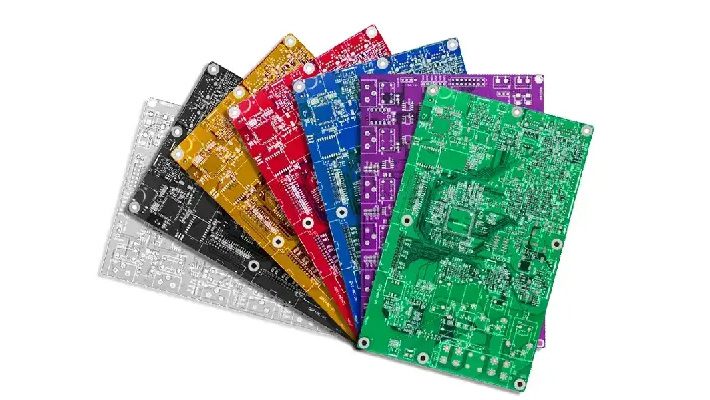
What Is an Industrial PCB?
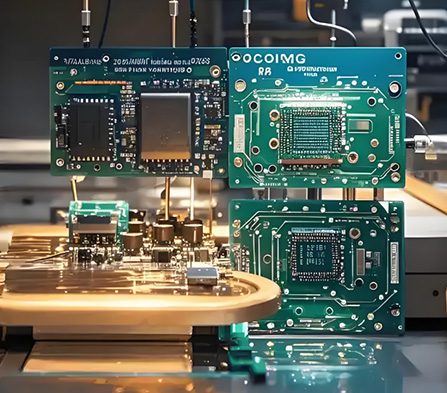
When it comes to electronics built for tough environments, industrial PCBs stand out for their durability, strength, and ability to handle stress. Unlike PCBs used in consumer electronics, these circuit boards are designed for continuous operation in factories, power plants, heavy machinery, and similar applications. Industrial PCBs need to last for years, resist heat, shock, and moisture, and perform reliably without failure.
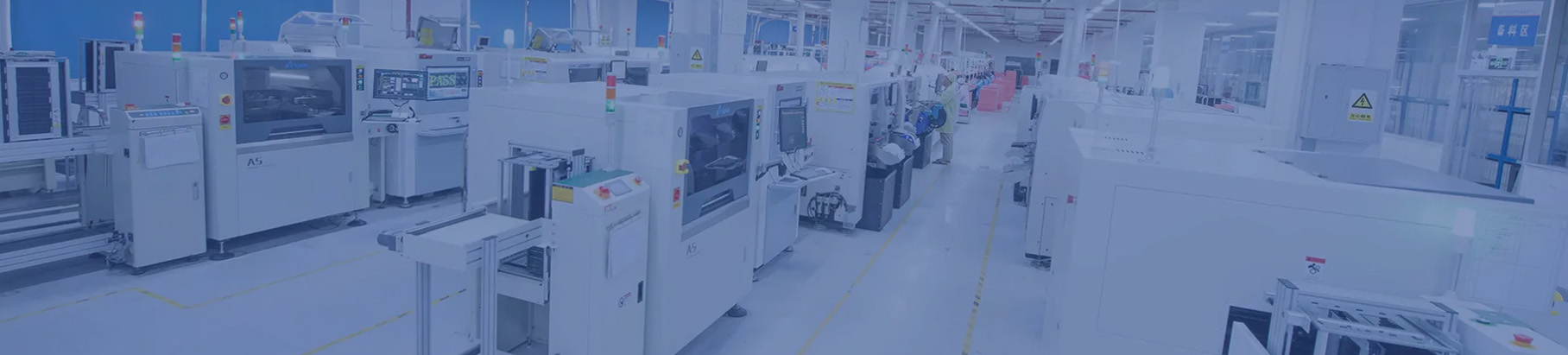
At Thindry Circuit, we specialize in industrial PCB manufacturing, offering tailored solutions that meet the specific needs of high-demand industries. With certifications like ISO9001, IATF16949 for automotive, AS9100D for aerospace, and ISO13485 for medical, we ensure strict quality control, competitive pricing, and full traceability with MES systems.
Materials Used in Industrial PCBs
Choosing the right materials is crucial for industrial PCBs. Since these boards often operate in challenging environments, the materials must withstand temperature changes, vibration, and exposure to chemicals or moisture.
Base materials typically include:
- FR4 (Flame Retardant 4): A common, cost-effective choice for general use, offering good mechanical and electrical properties.
- Metal Core (Aluminum or Copper): Used when better heat dissipation is needed, such as in power electronics.
- Polyimide: Preferred for flexible PCBs due to its excellent thermal stability and chemical resistance.
Copper thickness is another key factor. Industrial PCBs often use thick copper layers, ranging from 2 oz to 10 oz, to carry higher current and enhance durability.
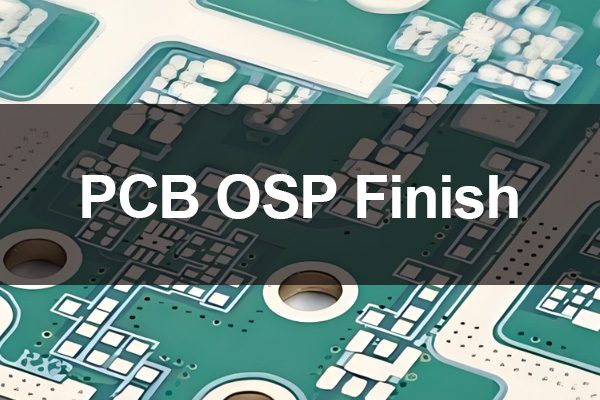
Surface finishes like ENIG (Electroless Nickel Immersion Gold), HASL (Hot Air Solder Leveling), and OSP (Organic Solderability Preservative) protect the board and ensure good soldering results. These materials make sure industrial PCBs can handle the demands of non-stop operation in harsh conditions.
Industrial PCB Constructions
Industrial PCBs come in different constructions depending on the application. Some common types include:
- Single-layer PCBs: Simple, cost-effective, used for basic industrial equipment.
- Double-layer PCBs: Offer more complex routing, suitable for control systems and automation.
- Multilayer PCBs: Often used in advanced machinery, these boards can have 4, 6, or more layers for handling complex signals.
For extreme environments, heavy copper PCBs are used. These have thick copper traces to handle high current, reduce heat, and improve reliability.
IMS (Insulated Metal Substrate) PCBs are also common in industrial settings, especially when excellent heat dissipation is needed, such as in LED drivers or power inverters.
Flexible and rigid-flex PCBs provide design flexibility and are used where space is limited or the board needs to bend.
Industrial PCB Design Considerations
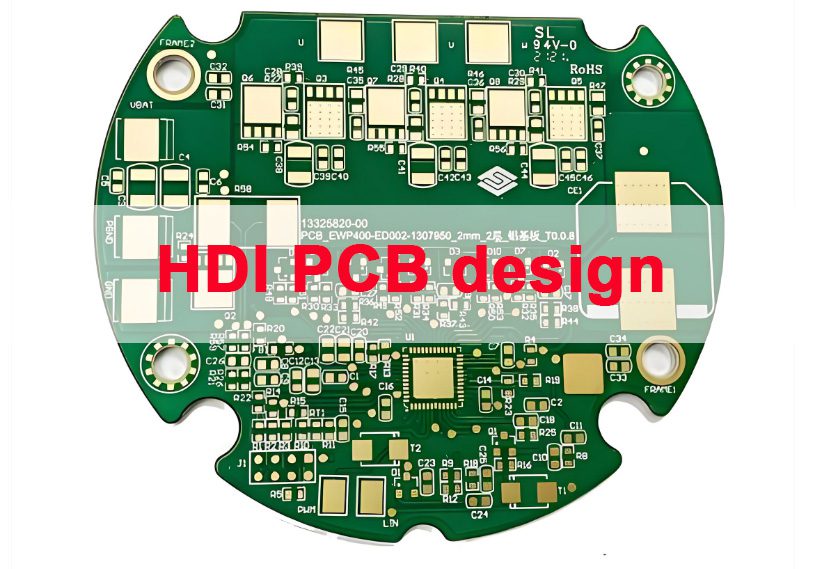
Designing an industrial PCB is not just about connecting components—it’s about ensuring the board can handle real-world challenges like heat, shock, vibration, and electrical stress. In industrial settings, reliability is everything. Even a small design flaw can cause system failure, production downtime, and costly repairs. That’s why careful planning and robust design practices are critical.
Here are the key factors to consider when designing a PCB for industrial use:
1. Thermal Management
Industrial equipment often operates continuously, generating significant heat. Poor heat dissipation can damage components and shorten the board’s life. To manage this, designers use thermal vias, copper pours, and sometimes heat sinks or metal core substrates. Thick copper layers (e.g., 2 oz or more) also help spread heat effectively and handle higher current.
2. Mechanical Strength and Vibration Resistance
Machines in factories or outdoor equipment often face constant vibration. To avoid cracks or broken traces, designers use thicker PCBs (e.g., 1.6mm or more), sturdy mounting holes, and sometimes shock-absorbing enclosures. The right choice of laminate materials—with high Tg (glass transition temperature)—also improves mechanical strength.
3. High Current Capacity
Many industrial PCBs carry significant current. This requires wide traces and thick copper to prevent overheating. Design tools like PCB copper thickness calculators help determine the correct trace width. Heavy copper PCBs, with copper thickness ranging from 2 oz to 10 oz, are commonly used in power electronics and motor controllers.
4. Signal Integrity and EMI/EMC Control
In noisy industrial environments, electromagnetic interference (EMI) can disrupt signals. Designers use ground planes, shielding, and proper trace routing to reduce EMI and ensure electromagnetic compatibility (EMC). Differential signal routing and decoupling capacitors also help maintain clean, stable signals.
5. Component Placement and Clearance
Components must be placed with adequate spacing to allow airflow and avoid short circuits. In high-voltage applications, creepage and clearance distances must follow industry standards to prevent arcing or breakdown. Industrial PCBs often follow IPC-2221 guidelines for safe spacing.
6. Redundancy and Fail-Safe Design
For critical systems, adding redundant circuits or fail-safe mechanisms ensures the board still functions if a part fails. For example, dual power paths or backup components can be added. This is common in control systems, safety devices, and automation equipment.
Common Applications of Industrial PCBs
Industrial PCBs are everywhere in modern manufacturing and infrastructure. Some of the most common applications include:
- Automation Systems: Controllers, PLCs, and HMIs rely on industrial PCBs to manage processes.
- Power Electronics: Inverters, converters, and power supplies use heavy copper PCBs to handle high voltage and current.
- Factory Equipment: Robotics, CNC machines, and sensors require reliable PCBs to function correctly.
- Energy Systems: Solar inverters and wind turbines use PCBs that can withstand outdoor conditions.
- Industrial Lighting: LED drivers built on metal-core PCBs ensure long life and efficient cooling.
- Oil & Gas: Exploration and processing equipment depend on rugged PCBs to work in extreme temperatures and pressures.
- Transport Infrastructure: Railway control systems, traffic management, and heavy vehicles all need robust PCB designs.
No matter the application, the focus is always on performance and longevity.
Why Choose Thindry Circuit for Your Industrial PCBs?
At Thindry Circuit, we understand the challenges involved in industrial PCB production. Our team offers full support from design to delivery, ensuring that your boards perform reliably, even in tough environments.
Here’s how we can help you:
- Support for High-Reliability Standards: We produce PCBs that meet IPC Class 2 and Class 3, ensuring durability.
- Custom PCB Solutions: From heavy copper PCBs to rigid-flex designs, we build boards to fit your needs.
- Professional Engineering Team: We help you solve thermal, mechanical, and electrical challenges during design.
- Fast Prototyping: Quick turnaround helps shorten your product development time.
- Competitive Pricing: High quality doesn’t have to come at a high price—we offer value for money.
- Reliable After-Sales Service: Our team is always available for technical support and follow-up.
Choosing Thindry Circuit means working with a partner who understands industrial demands and delivers quality consistently.
IPC Standard for Industrial PCB
To ensure performance and safety, industrial PCBs must follow IPC standards. These are some of the most relevant:
- IPC-A-600: Sets the acceptance criteria for PCB workmanship.
- IPC-2221: General standards for PCB design, covering layout and material selection.
- IPC-6012: Specifies performance standards for rigid PCBs.
- IPC Class 2 vs Class 3: Class 2 is for general industrial electronics. Class 3 is for critical systems needing higher reliability, such as medical or aerospace equipment.
Following these standards ensures the PCBs function reliably over long periods, even in difficult conditions.
FAQs About Industrial PCBs
Q1: What is the typical lifespan of an industrial PCB?
A well-manufactured industrial PCB can last 10 to 20 years, depending on usage and environment.
Q2: Can industrial PCBs withstand extreme temperatures and humidity?
Yes. Using the right materials and coatings, these PCBs can operate in temperatures from -40°C to +150°C and resist moisture and dust.
Q3: How do you ensure quality control in industrial PCB manufacturing?
At Thindry Circuit, we follow strict quality checks at every stage and use MES systems for full traceability.
Q4: Are industrial PCBs repairable after failure?
Some issues like solder joint cracks or damaged components can be repaired, but preventive design and quality manufacturing reduce failures significantly.
Q5: What information is needed to get a quote for an industrial PCB?
You’ll need to provide Gerber files, material requirements, copper thickness, surface finish, quantity, and any special testing or certification needs.
Let’s Build Reliable Industrial PCBs Together!! Industrial electronics demand PCBs that go beyond the basics. They need to be rugged, long-lasting, and precise. At Thindry Circuit, we deliver just that. With professional engineering support, rigorous quality standards, and fast, reliable service, we help your business stay productive and competitive.
Ready to start your project? Contact Thindry Circuit today for a free quote and experience the difference of working with a trusted industrial PCB manufacturer.