Blog
Conformal Coating Cure Time: Times by Coating Type
Compare conformal coating cure times for acrylic, silicone, polyurethane, epoxy, UV and parylene, with product-specific temperatures and handling limits.



Compare conformal coating cure times for acrylic, silicone, polyurethane, epoxy, UV and parylene, with product-specific temperatures and handling limits.
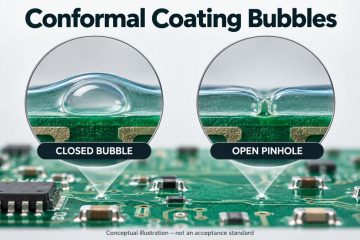
Troubleshoot conformal coating bubbles and pinholes using timing clues, 419D process limits and a reusable trial log before recoating a PCB assembly.
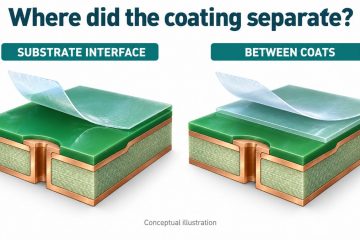
Diagnose peeling conformal coating with failure-location checks, MG 419D parameters and a reusable witness-coupon worksheet before changing your process.
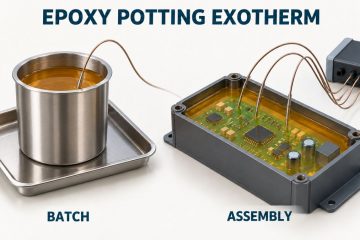
Control epoxy potting exotherm with batch-size checks, internal temperature measurements, an MG 832C data example and a reusable cure qualification worksheet.
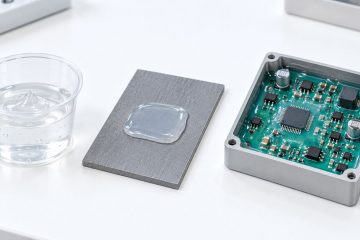
Diagnose silicone potting that stays sticky. Compare cure inhibition with mixing and depth problems, review SYLGARD 184 data, and use a contact-test checklist.
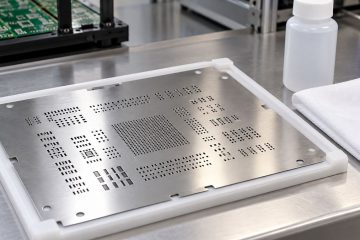
Compare offline stencil cleaning and printer under-wiping. Check cleaner restrictions, aperture condition and first-print evidence before restarting SMT assembly.
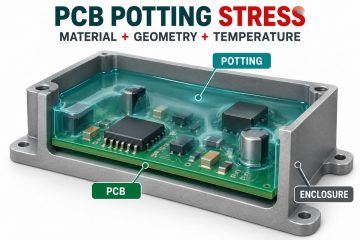
Compare rigid and flexible epoxy, read CTE and Shore hardness correctly, and use a qualification checklist before approving a PCB potting material.
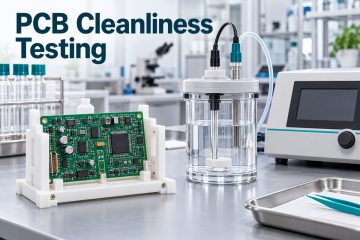
Compare ROSE, ion chromatography and SIR for PCB cleanliness. Check sample area, equipment fit and report evidence before accepting a production lot.
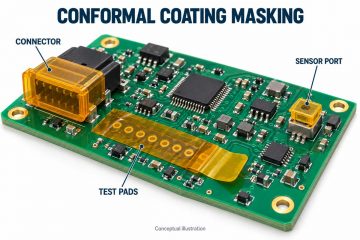
Plan PCB coating keep-outs, compare tape vs boots vs peelable masks, check Chemask HV data, and use a practical masking-removal inspection checklist.
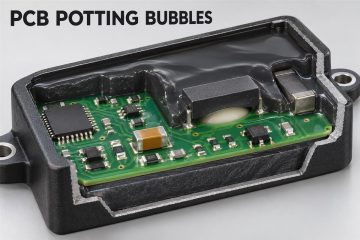
Find why PCB potting bubbles form, compare degassing with vacuum potting, and use a resin-parameter example and trial checklist before production.
If you have any enquiry about quotation or cooperation, please feel free to email us at sales@pcbtry.com or use the following enquiry form. Oursales representative will contact you within 24 hours. Thank you for your interest in our products.