Blog
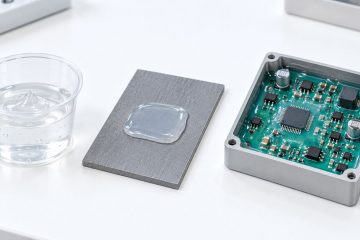
Silicone Potting Cure Inhibition: Causes and Test Checks
Diagnose silicone potting that stays sticky. Compare cure inhibition with mixing and depth problems, review SYLGARD 184 data, and use a contact-test checklist.



Diagnose silicone potting that stays sticky. Compare cure inhibition with mixing and depth problems, review SYLGARD 184 data, and use a contact-test checklist.
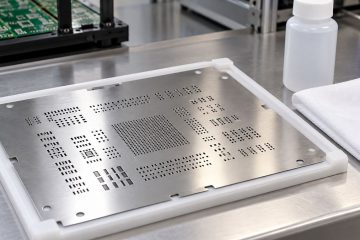
Compare offline stencil cleaning and printer under-wiping. Check cleaner restrictions, aperture condition and first-print evidence before restarting SMT assembly.
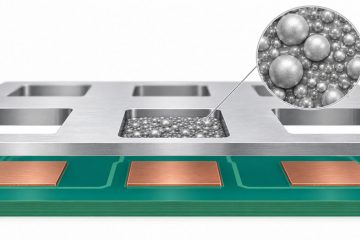
Compare Type 3, Type 4 and Type 5 solder powder, check aperture geometry, and use a qualification checklist before changing paste for fine-pitch assembly.
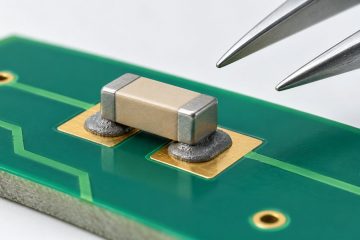
Distinguish tack time from stencil life, interpret AMTECH paste parameters, and use a staged inspection log to investigate component movement before reflow.
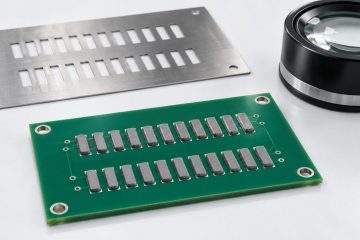
Separate solder paste slump from stencil smearing, compare cold and hot tests, and use a practical evidence checklist before releasing an SMT build.
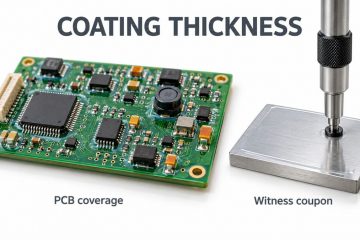
Compare wet and dry conformal coating thickness, review MG 422B limits, and use a practical inspection checklist for PCB coating acceptance.
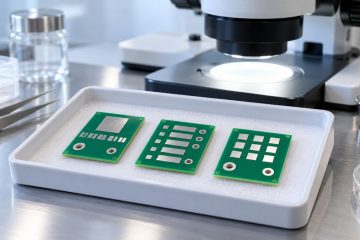
Choose PCB solderability tests, compare wetting methods, and separate finish problems from assembly faults with a practical supplier evidence checklist.
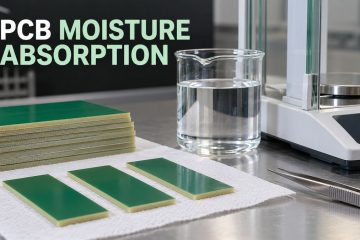
Compare PCB moisture absorption data, understand FR4 vs aluminum limits, and use a practical test checklist before approving a laminate or stackup.
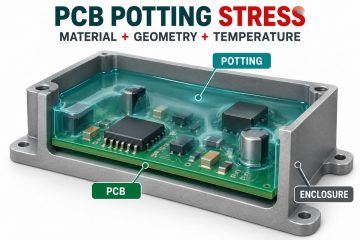
Compare rigid and flexible epoxy, read CTE and Shore hardness correctly, and use a qualification checklist before approving a PCB potting material.
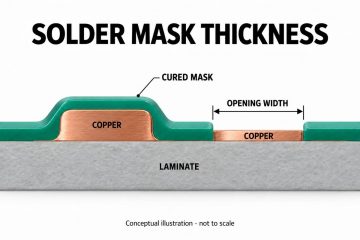
Separate solder mask thickness from clearance, read a real WCSP limit, and use a measurement checklist to agree PCB coating requirements before fabrication.
If you have any enquiry about quotation or cooperation, please feel free to email us at sales@pcbtry.com or use the following enquiry form. Oursales representative will contact you within 24 hours. Thank you for your interest in our products.