Blog
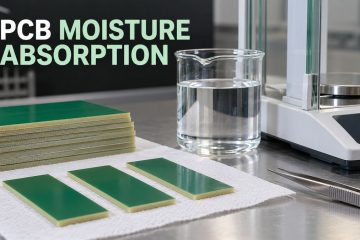
PCB Moisture Absorption: Material Data and Validation Checks
Compare PCB moisture absorption data, understand FR4 vs aluminum limits, and use a practical test checklist before approving a laminate or stackup.



Compare PCB moisture absorption data, understand FR4 vs aluminum limits, and use a practical test checklist before approving a laminate or stackup.
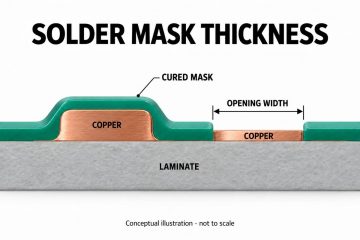
Separate solder mask thickness from clearance, read a real WCSP limit, and use a measurement checklist to agree PCB coating requirements before fabrication.
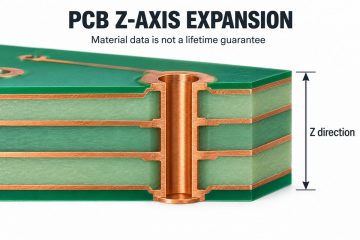
Read PCB Z-axis CTE correctly, compare Tg and expansion data, and use a practical checklist for laminate selection, via qualification and supplier review.
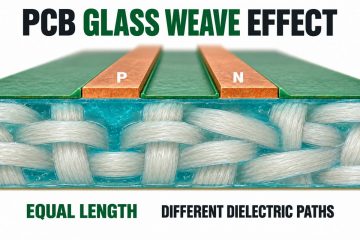
Understand PCB glass weave skew, compare spread glass with angled routing, and use a stackup checklist to confirm material construction before fabrication.
FR4 is a glass-epoxy PCB material category, not a complete board specification. This guide explains the material forms, the properties that change a selection decision, and the details to agree on before fabrication.
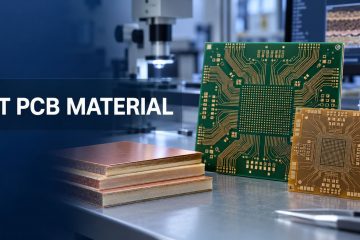
Learn how BT resin compares with FR-4 and ABF, where BT PCB material is used, and what engineers should specify before ordering a BT substrate.

Estimate PCB cost by defining bare board versus PCBA scope, then compare quantity, materials, layer count, finish, testing, tooling and delivery on one RFQ.
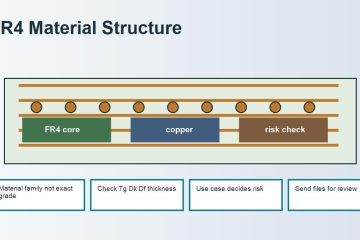
Learn what FR4 means in PCB manufacturing, which properties matter, when standard FR4 is enough, and what to confirm before ordering.
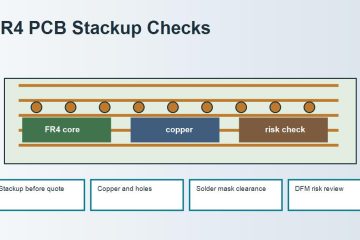
Understand how an FR4 printed circuit board is built, what to check in stackup and fabrication, and when standard FR4 needs review.
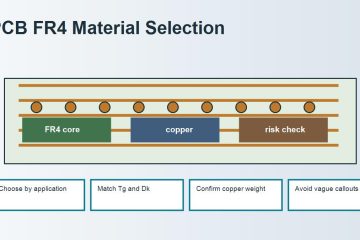
Choose PCB FR4 material by matching Tg, Dk, Df, thickness, copper and application risk to the actual board requirement.
If you have any enquiry about quotation or cooperation, please feel free to email us at sales@pcbtry.com or use the following enquiry form. Oursales representative will contact you within 24 hours. Thank you for your interest in our products.