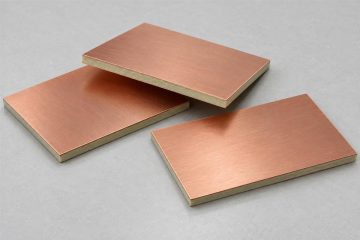
5G communication PCB
Copper Clad Laminate: Material Specs and Selection Checks
Learn how copper clad laminate works, compare material data correctly, and prepare thickness, copper and substitution requirements for PCB fabrication.




Learn how copper clad laminate works, compare material data correctly, and prepare thickness, copper and substitution requirements for PCB fabrication.

You might be an electronics engineering student or a new hardware engineer who has just received a .brd file to work with. You need to understand the basic information about this type of file to proceed with your tasks. Your underlying need is likely to learn how to open, edit, Read more
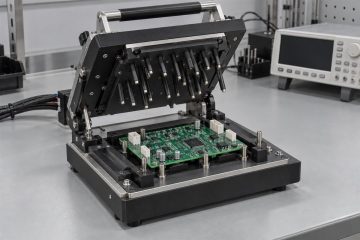
A PCBA tester is a system that connects to an assembled circuit board, applies defined conditions, measures its response and records a decision against an approved test specification. It may combine a fixture, instruments, switching, programming tools and software. The fixture alone is not the complete tester, and a green Read more

In the ever-evolving electronics industry, speed, precision, and reliability are crucial. For many companies, Turnkey PCB assembly has become the preferred choice as it simplifies the traditionally complex processes of PCB manufacturing and assembly. With a one-stop service, there is no need to work with multiple vendors for design, manufacturing, Read more
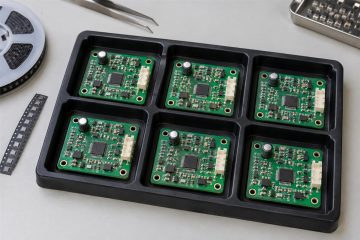
Low-volume PCB assembly means producing a limited batch of populated circuit boards using a controlled assembly process. The useful question is not simply how many boards qualify as a small batch. It is whether the design files, components, setup work and acceptance tests are ready for that particular order. A Read more
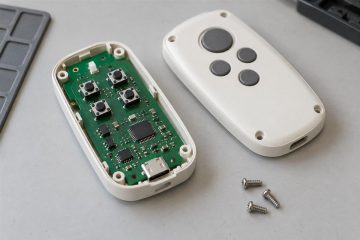
A consumer PCB is a printed circuit board used in an everyday electronic product, but “consumer” does not specify its material, layer count or reliability level. Choosing one means matching the board to the product’s space, power, interfaces, environment and production requirements. A successful prototype must demonstrate those requirements inside Read more
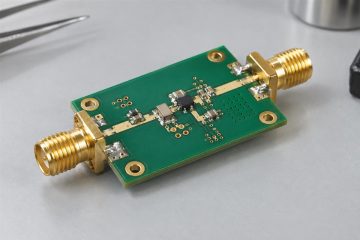
High-frequency PCB design starts with a measurable RF requirement, not a universal trace width or a rule that every board needs an exotic laminate. Define the operating band, acceptable loss and reflection, reference impedance, and measurement endpoints. Then select the material and transmission-line geometry together, review every transition, and verify Read more
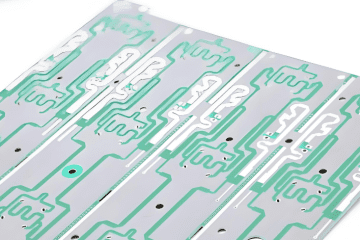
In today’s fast-paced world of electronics, the demand for faster, more reliable communication has never been higher. High frequency PCB (Printed Circuit Board) communication circuits are at the heart of this evolution. From smartphones to satellite communications, these circuits ensure seamless data transmission, making them indispensable in a wide range Read more
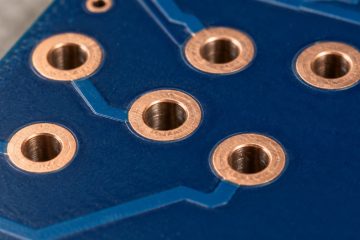
Learn which hole diameter to use, calculate the narrowest remaining copper, and separate design rules from finished-board acceptance requirements.
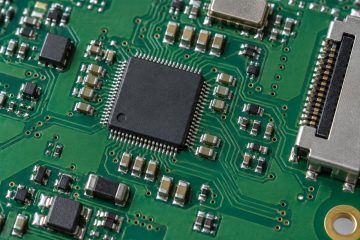
Good high-speed PCB layout starts with the signal’s edge rate, an agreed stackup and a continuous return path. Then turn the interface requirements into routing constraints, check electrical delay rather than length alone, and verify the complete connection through vias and connectors before releasing fabrication files. A clock frequency by Read more
If you have any enquiry about quotation or cooperation, please feel free to email us at sales@pcbtry.com or use the following enquiry form. Oursales representative will contact you within 24 hours. Thank you for your interest in our products.