Blog
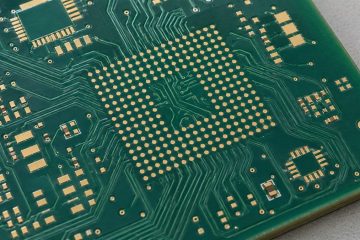
Blind and Buried Vias: Layer Pairs, Costs and Design Checks
Understand blind and buried vias with a six-layer example, depth-to-diameter checks, cost trade-offs and a drill-pair checklist for fabrication.



Understand blind and buried vias with a six-layer example, depth-to-diameter checks, cost trade-offs and a drill-pair checklist for fabrication.

5G Base Station PCB (5G base station printed circuit boards) are the core hardware foundation for high-speed, low-latency, and high-capacity networks. Design and manufacturing requirements are extremely demanding, requiring not only signal integrity but also impedance control, thermal management, and electromagnetic compatibility (EMC). Leading manufacturers are driving comprehensive upgrades in Read more

With the rapid development of 5G technology, PCB design has evolved beyond the traditional low-frequency, low-speed design and production phase and has entered a new era of high frequency, high speed, and high density. To help engineers better understand the key points of 5G PCB design, I have compiled a Read more
Driven by technologies like 5G, artificial intelligence, and high-performance computing, the electronics manufacturing industry is entering a new phase of rapid development. As a manufacturer of core electronic components, Thindry Electronics Co., Ltd., a high speed pcb prototype and high-speed PCB manufacturer, is designing and producing higher quality pcb based Read more
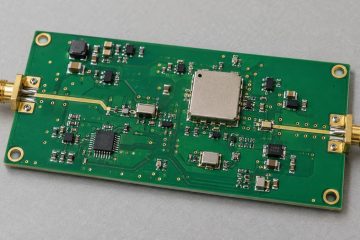
Review a 6-layer PCB stackup for 5G: ground references, RF materials, loss budgets and test reports to check before approving production.

High-speed communication, real-time data processing, and wireless transmission all rely on one foundational technology: the high frequency PCB. These circuit boards are not your average FR4 boards. They’re engineered to maintain signal integrity at frequencies where even the tiniest loss or delay can disrupt performance. If you’re working in aerospace, Read more
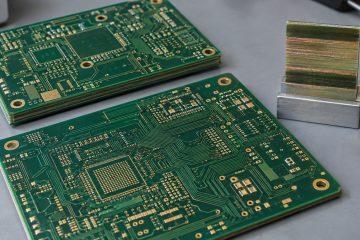
Understand high Tg PCB ratings, compare Tg with Td and long-term limits, and prepare material, reflow and prototype checks before ordering.

In power electronics, heat and current are the two main challenges. If the copper on a PCB is too thin, the board may overheat or fail. This is where heavy copper PCBs come in. These boards use much thicker copper than standard ones. They can handle more current, spread heat Read more
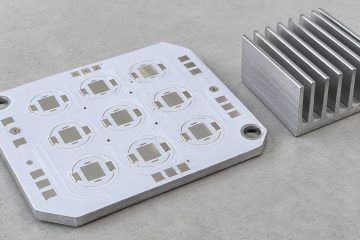
Specify aluminum PCB prototype materials, compare like-for-like quotes, and check thermal performance, electrical isolation and fit before production.
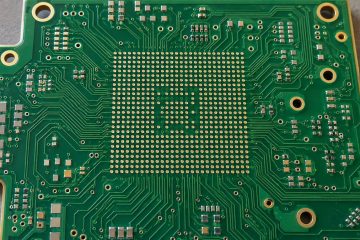
Learn to read HDI stackups, map microvia layer pairs and check BGA escape geometry, with worked examples and a practical pre-layout checklist.
If you have any enquiry about quotation or cooperation, please feel free to email us at sales@pcbtry.com or use the following enquiry form. Oursales representative will contact you within 24 hours. Thank you for your interest in our products.