Blog
Solder Paste Powder Size: Type 3 vs Type 4 and Stencil Checks
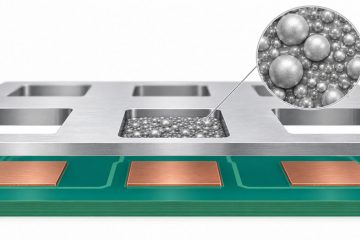
Compare Type 3, Type 4 and Type 5 solder powder, check aperture geometry, and use a qualification checklist before changing paste for fine-pitch assembly.



Compare Type 3, Type 4 and Type 5 solder powder, check aperture geometry, and use a qualification checklist before changing paste for fine-pitch assembly.
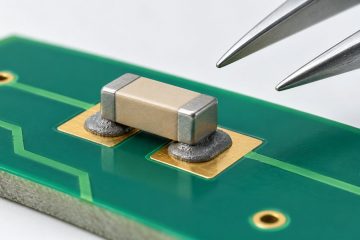
Distinguish tack time from stencil life, interpret AMTECH paste parameters, and use a staged inspection log to investigate component movement before reflow.
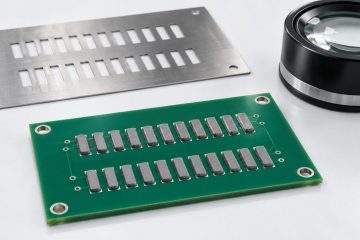
Separate solder paste slump from stencil smearing, compare cold and hot tests, and use a practical evidence checklist before releasing an SMT build.
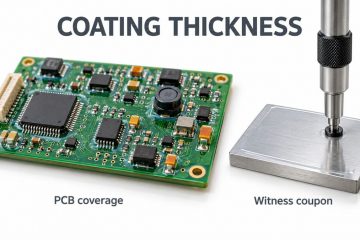
Compare wet and dry conformal coating thickness, review MG 422B limits, and use a practical inspection checklist for PCB coating acceptance.

Compare ROSE, ion chromatography and SIR for PCB cleanliness. Check sample area, equipment fit and report evidence before accepting a production lot.
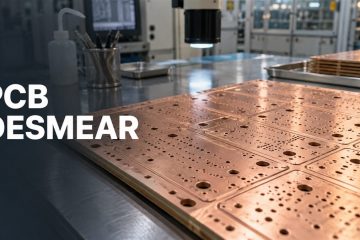
Understand the PCB desmear process, compare chemical and plasma routes, and check hole-wall evidence before plating and production release.

Follow the metal core PCB manufacturing process from stackup and dielectric bonding through imaging, machining, insulation tests and thermal checks.

See how medical PCB assembly controls revisions, materials, soldering, cleanliness, inspection, testing, traceability and release evidence.

See how manual PCB assembly moves from document and kit review through placement, soldering, inspection, cleaning, testing and controlled release.
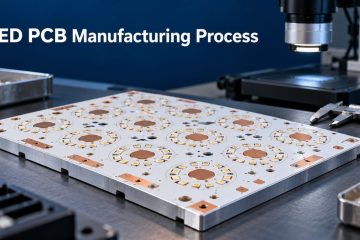
Learn how LED PCBs are engineered and fabricated, how thermal stack-up choices affect reliability, and which inspection and testing evidence to request.
If you have any enquiry about quotation or cooperation, please feel free to email us at sales@pcbtry.com or use the following enquiry form. Oursales representative will contact you within 24 hours. Thank you for your interest in our products.