




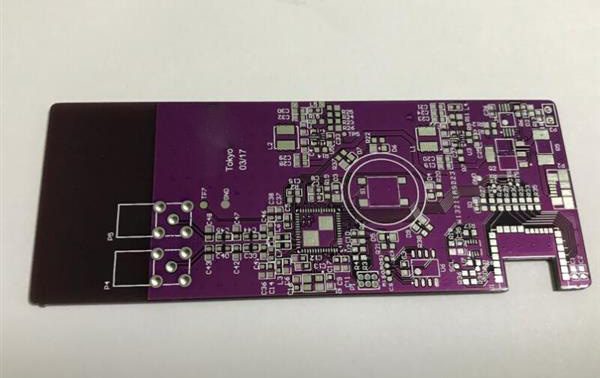
Purple PCB refer to printed circuit boards that use a purple solder resist layer instead of the traditional green one. In recent years, with the increasing aesthetic demands of consumer electronics products and brands’ emphasis on product differentiation, purple PCBs have gradually become a new and noteworthy trend in the industry. This trend encompasses not only aesthetic innovation but also continuous upgrades in the performance of solder resist materials. The following will provide a detailed introduction to the characteristics, applications, advantages, and manufacturing methods of purple PCB.
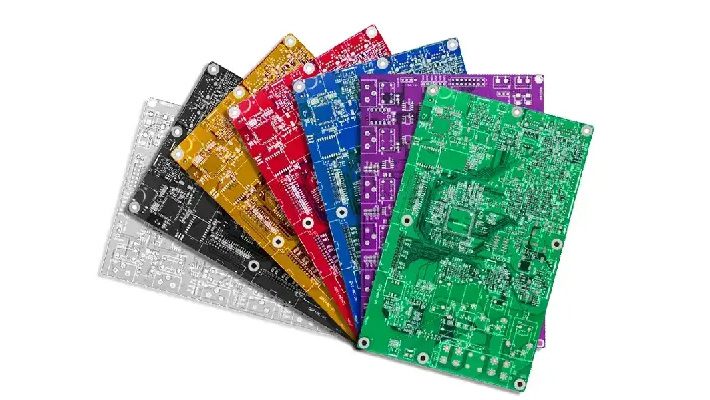
Overview of PCB solder mask colors
Solder mask plays a crucial role in PCB, protecting copper traces from oxidation, short circuits, and chemical corrosion, while also providing insulation, moisture protection, and mechanical support. Furthermore, the solder mask ensures that solder paste adheres only to the correct pad areas during reflow soldering.
Thindry, as an OEM manufacturer, has consistently provided professional PCB solutions. Green solder mask is typically the most common and mature color in the industry. Green offers excellent visibility and a striking contrast with the copper layer, making it popular with manufacturers and testing equipment. However, with the diversification of designs and advancements in material technology, various colors such as blue, red, white, black, and yellow have emerged in the market. Among these, purple has become an increasingly popular choice for designers due to its combination of aesthetics and performance.
Recently, many design engineers exploring new solder mask colors have begun to focus on purple, for various reasons, ranging from visual appeal to improved process performance.
Advantages of purple PCB
Purple PCB are uncommon in mass-produced electronics, not only because of their unique appearance but also because of their practical advantages in manufacturing processes.
Firstly, purple solder mask ink offers higher pigment stability and stronger hiding power, providing clearer line contrast under the same processing conditions. This is beneficial for AOI (Automated Optical Inspection) to identify linewidth, pads, and defects.
Secondly, the unique color of the purple PCB solder mask enhances brand distinctiveness. Furthermore, when producing multiple versions of the same circuit board, using purple solder mask ink makes it easier to differentiate the prototype from other versions.
Overall, purple PCB demonstrate comprehensive advantages in visual recognition, durability, and production consistency, making them a worthwhile material choice for high-end manufacturing.
Why choose purple solder mask?
The main reasons driving the growth of purple solder mask applications can be understood from the following aspects:
- 1. Unique Brand Aesthetics:
Purple PCB offer a more distinctive visual effect, helping manufacturers stand out in terms of appearance design and making products more recognizable. For consumer electronics products that emphasize brand image and visual design, purple provides a stronger visual impact and a differentiated experience, making the product more attractive in a competitive market.
- 2. Superior Contrast Performance:
The higher contrast between purple and the copper layer and FR-4 substrate enhances the clarity of circuit patterns during visual inspection and is more conducive to defect identification by automated optical inspection (AOI) equipment. For example, the more pronounced variations in purple hue help engineers more easily observe uneven solder mask thickness, coating edge defects, etc., thereby improving overall process control capabilities.
- 3. Enhanced Production Process Control:
Because purple solder mask is more sensitive to color differences, any slight thickness or coating unevenness during manufacturing is more easily detected by the naked eye or inspection systems. This characteristic is particularly valuable in high-precision production lines, helping to avoid problems such as inconsistent mask thickness, coating bubbles, or coating misalignment.
- 4. Adaptable to the High-Temperature Requirements of Lead-Free Soldering
Compared to traditional green solder mask, purple solder mask exhibits greater stability under high-temperature conditions, especially in lead-free processes, where it better avoids issues such as yellowing or decreased optical performance. Therefore, it is highly favored in products with high reliability requirements.
Based on these advantages, purple solder mask offers a more significant technological advantage over traditional green solder mask in certain products requiring high performance or high visibility.
Purple PCB Application Industries
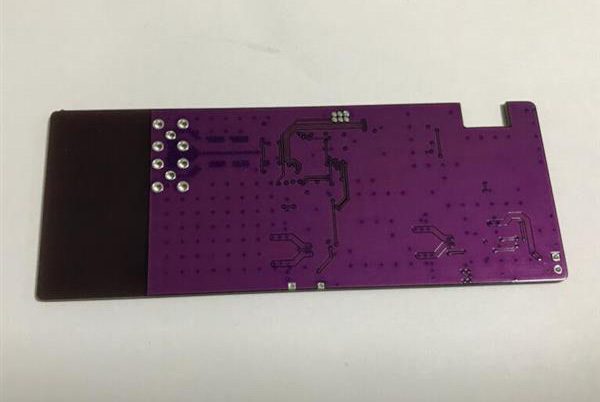
Purple PCB are being adopted by an increasing number of industries, including but not limited to the following:
Consumer Electronics: Such as smartphones, tablets, wearable devices, game consoles, home theater systems, smart speakers, computer peripherals, etc. These products are known for their visual design, thus placing greater emphasis on the brand and aesthetic value of purple PCB.
Automotive Electronics: Used in center console panels, vehicle infotainment systems, ADAS modules, intelligent lighting control, etc. In the high-end automotive sector, the high-temperature stability and high-frequency characteristics of purple PCB are also of practical value.
Medical Equipment: In patient monitoring equipment, wearable sensors, ultrasound, MRI, CT, and other imaging equipment, purple PCB offer reliability, aesthetics, and high-contrast, easy-to-test features.
Aerospace and Defense: Used in avionics systems, satellite communication equipment, radar communication subsystems, etc. These fields have extremely high requirements for dielectric properties and environmental resistance.
Instrumentation: Suitable for industrial sensors, controllers, test and measurement instruments, etc.
Internet of Things Products: Such as smart home control boards, environmental monitoring modules, network communication nodes, etc.
Purple PCB are not only favored by consumer electronics companies for their appearance, but their performance advantages have also led to their expansion into industries with higher technical requirements, such as automotive, medical, and aerospace.
Preparation method of purple solder resist
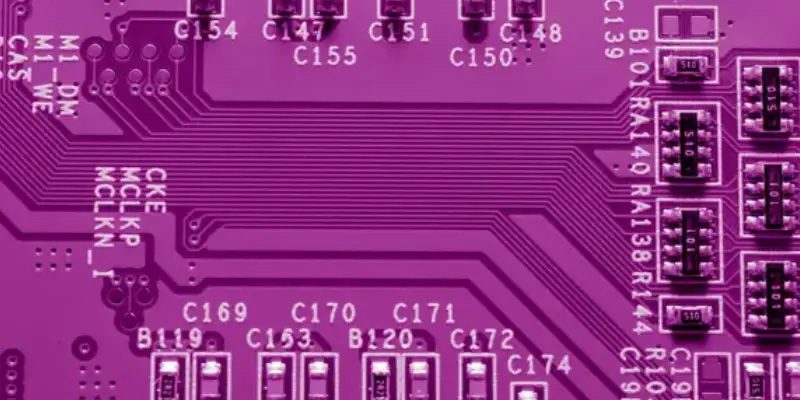
In PCB manufacturing, purple solder mask layers are primarily prepared using two methods:
- Method 1: Adding purple pigment to the solder mask material:
This is a traditional and widely used method, where purple pigment is directly added to the liquid solder mask material before coating and curing.
This method is suitable for UV-cured or LED-cured solder mask materials. To achieve higher opacity, a certain coating thickness is required to accommodate the pigment. The color is stable, but this may slightly increase the solder mask thickness.
- Method 2: Using purple pattern ink as a base mask:
The process involves
first, applying a base color (usually white) to the circuit board surface; then printing the purple pattern ink onto the areas requiring solder mask.
The advantages of this method are
more vibrant and stable color; thinner board thickness, suitable for products with strict limitations on solder mask thickness; and the ability to flexibly implement localized multi-color designs.
However, this method requires extremely high printing registration accuracy and advanced printing equipment to ensure process stability.
Purple PCB Design Considerations
When designing a PCB with a purple solder mask, engineers need to pay attention to the following factors:
Solder Mask Thickness Control: Adding pigment will thicken the mask, so it’s crucial to ensure that the line spacing and solder bridge width still meet IPC standards.
Illustration Adaptation and Alignment: If using illustration ink, ensure accurate printing registration to avoid pads being covered or insufficiently exposed.
Component Marking Visibility: Some light-colored markings may be indistinct on a purple background; black or white fonts are recommended.
Copper Surface Contrast: The edge contrast of some fine lines may be slightly weaker against a purple background; a testing strategy needs to be confirmed in advance during the design phase.
Soldering Reliability Verification: The purple mask needs to undergo complete curing and solderability testing to ensure no poor wetting occurs in lead-free processes.
AOI Parameter Adaptation: Different color masks have different requirements for AOI lighting and algorithms; adjustments need to be made before mass production.
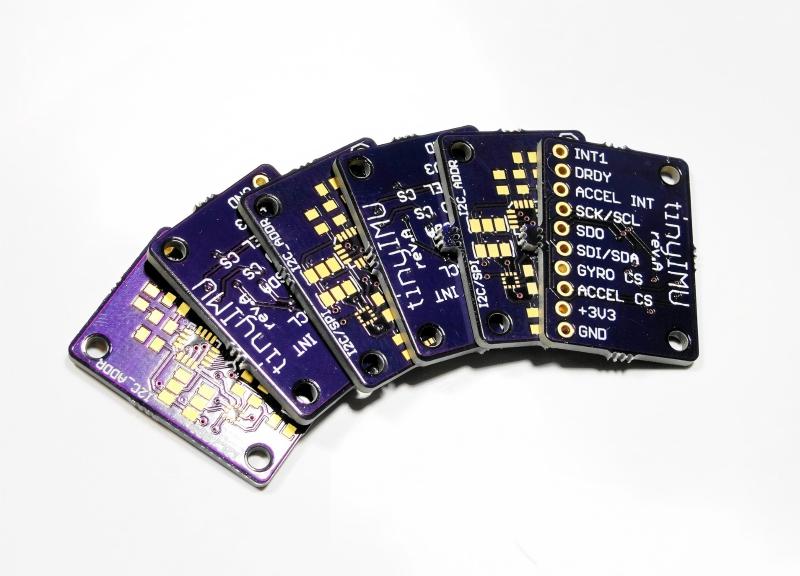
Advantages and disadvantages of purple solder mask
Potential Advantages:
Unique appearance with strong brand recognition
Higher contrast, beneficial for manual visual inspection and AOI checks
Sensitive to process deviations, helping to improve production quality control
Lower signal loss under high-frequency conditions such as RF and microwave
Strong high-temperature resistance, suitable for lead-free soldering processes
Potential drawbacks:
Maintaining complete consistency in purple color codes across different manufacturers is difficult.
Illustrated ink methods may face printing registration issues.
Costs are generally higher than standard green solder mask.
Insufficient contrast between some component marking colors and the purple background.
Pigment-based methods may result in a thicker solder mask, impacting design.
While purple solder mask has its limitations, it still holds unique value in certain high-end applications. Most products still choose green solder mask due to its inherent advantages in supply chain, cost, and market maturity.
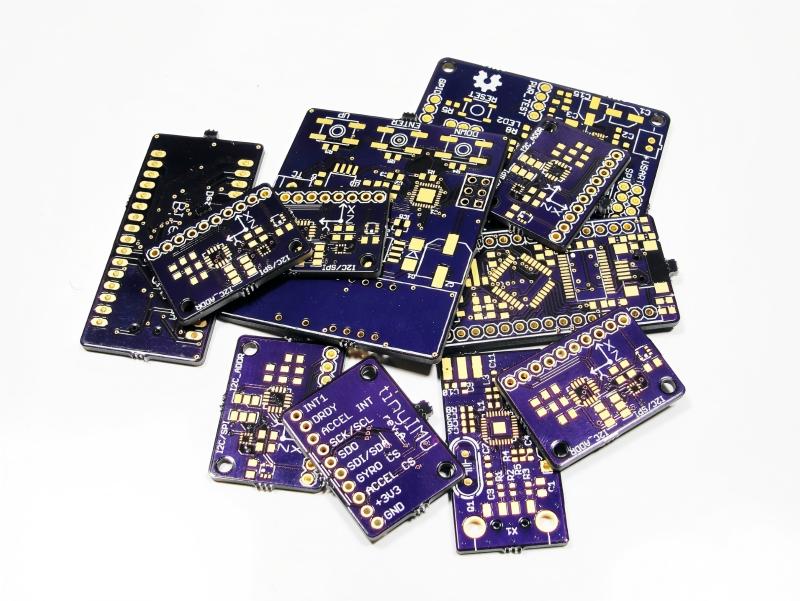
How to find a suitable supplier to produce purple PCB?
When searching for a manufacturer capable of mass-producing purple PCBs, it is recommended to evaluate their capabilities from the following perspectives: Request purple PCB samples to observe color consistency, gloss, and solder mask quality.
Review the process parameters of their purple solder mask layer, such as the printing accuracy of the illustrations and the solder mask thickness tolerance.
Confirm whether the manufacturer complies with relevant IPC standards.
Prioritize manufacturers with inkjet or aerosol printing capabilities, as these processes offer more stable color control.
If the product requires special surface treatments such as ENIG or immersion gold, confirm their compatibility with the purple solder mask layer.
Before mass production, small-batch testing is essential to verify process reliability.
With the development of digital printing technology, more and more PCB manufacturers can support custom colors such as purple solder mask layers; however, it is still recommended to communicate requirements in advance to ensure that both functionality and appearance meet expectations.
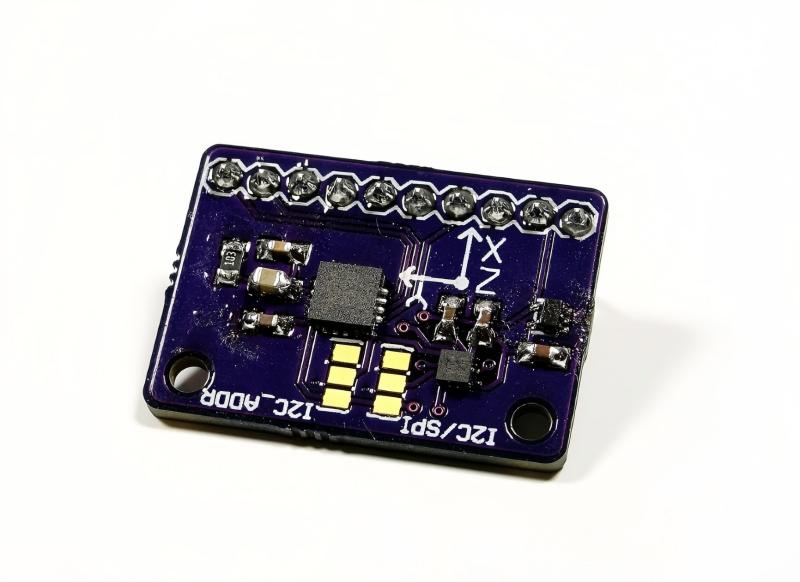
What is the price of a purple PCB board?
Compared to the common green PCB, purple PCB are more expensive. However, the price difference is not significant, so there’s no need to worry too much. The main factors affecting the price are:
Material Supply:There are relatively fewer suppliers of purple solder resist ink, as it’s a less mainstream color. Therefore, the range of material choices and readily available inventory are not as abundant as for green ink. To ensure color stability and solder resist quality, manufacturers typically use higher-quality ink formulations, thus slightly increasing material costs.
Production Process:Purple ink requires more precise control over exposure energy and baking temperature during printing and curing. To ensure uniform color and adequate coverage, production lines often need more frequent adjustments. Some factories also require separate process parameters for purple PCB to ensure solder resist thickness and appearance meet standards, thus slightly increasing process costs.
Mass Production Level:Green PCB are an industry standard color with high daily order volumes and mature production lines, resulting in significant economies of scale. Purple PCBs, on the other hand, have lower demand and fewer mass production orders, making it difficult for factories to achieve stable economies of scale. If order volume is small, the cost per unit will naturally be slightly higher than for mainstream colors.
The price difference for purple PCB mainly stems from material supply and manufacturing costs associated with non-standard production, but the overall premium is generally within an acceptable range. If a project has higher requirements for visual recognizability, brand characteristics, or visual inspection performance, purple PCB are definitely worth considering.
Frequently Asked Questions (FAQ)
1. Will the purple solder mask affect PCB performance?
No, as long as the manufacturer verifies the process flow, the performance of the purple solder mask is consistent with that of the green solder mask.
2. Will the solder mask thickness increase?
If a pigment-based method is used, it will typically increase by 3–5 μm. This needs to be considered in advance when designing line widths and spacing.
3. Is there a large color difference in purple between different PCB manufacturers?
There may be slight color differences. It is recommended to determine the acceptable range through color sample review.
4. Can multiple colors be used on the same PCB?
Yes, this can be achieved through a pattern ink process, but the registration accuracy is very high.
5. Is the purple solder mask more prone to defects?
No, as long as production is properly controlled, purple PCBs are just as good as other colors.
6. Is the purple solder mask suitable for flexible boards?
Absolutely, but the color appearance on PI material may differ slightly.

0 Comments