



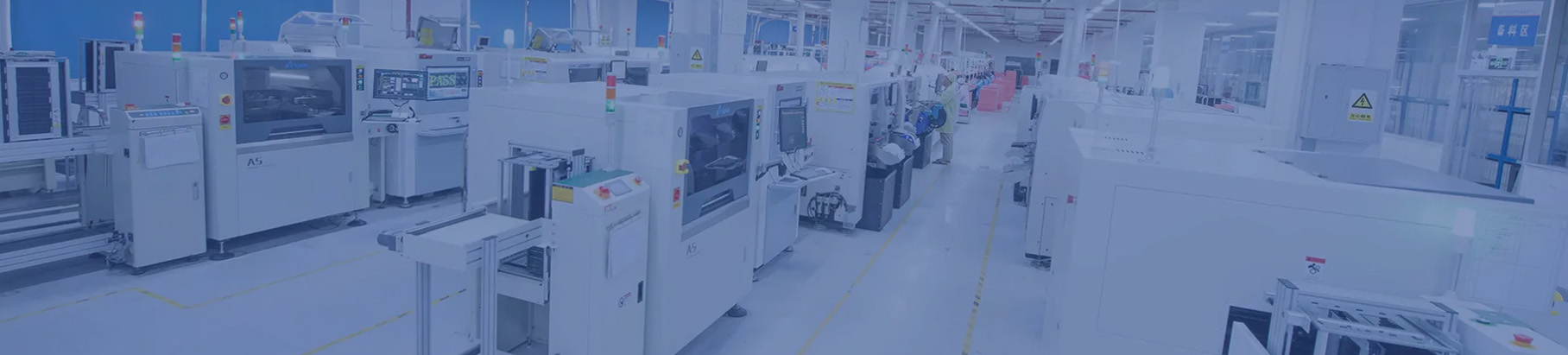
In the electronics manufacturing industry, low volume pcb assembly has become a widely adopted production method for R&D teams, startups, and established OEM. It not only supports new product development and design verification, but also meets the needs of high variety, low volume market testing. Compared to traditional mass production, low volume assembly emphasizes flexibility, fast delivery, and cost control, making it crucial in today’s highly competitive and rapidly evolving market.
As a leading PCB manufacturing and assembly company, Thindry has accumulated extensive experience in low-volume production. Leveraging advanced process technologies and a comprehensive quality management system, Thindry is committed to providing customers with highly reliable and cost-effective low volume pcb assembly services.
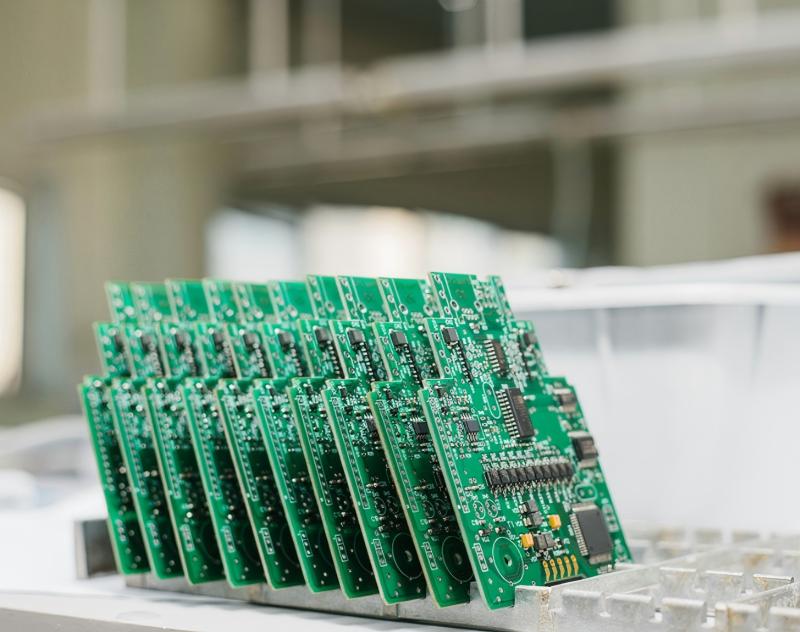
Flexible Manufacturer – Low Volume PCB Assembly
While large-scale production is characterized by economies of scale, the core value of low volume production lies in flexibility. In the early stages of product development, customers often need to continuously optimize circuit designs based on market feedback. low volume pcb assembly can help customers:
Quickly verify design feasibility, avoiding the high risks associated with large-scale production;
Support multi-product customization, suitable for fields requiring high differentiation, such as the Internet of Things, communications, and medical electronics;
Reduce inventory and capital pressure, preventing inventory backlogs caused by rapid product iterations.
Thindry has optimized its equipment configuration and process flow to enable fast switching and flexible production for low volume orders, ensuring customers maintain R&D speed while balancing quality and cost.
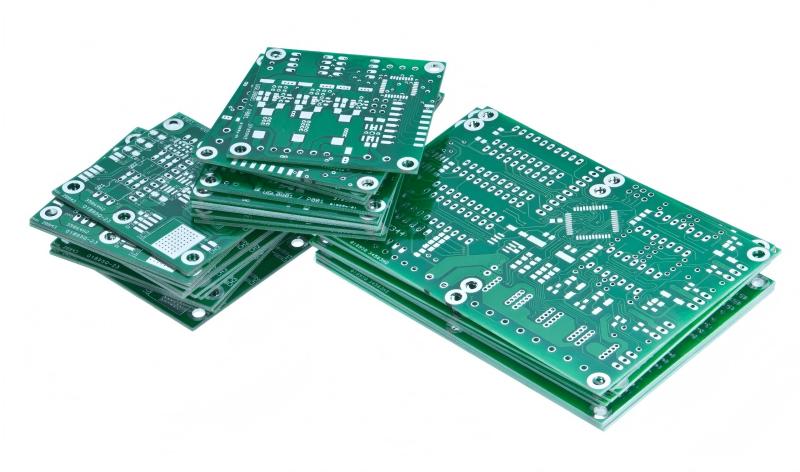
What is low volume pcb assembly?
Low volume PCB assembly refers to the manufacturing and assembly of circuit boards in quantities ranging from dozens to hundreds of units. Compared to traditional high-volume PCB assembly, it offers three distinct advantages:
Flexible batch sizes: Suitable for various stages such as R&D, pilot production, and engineering verification;
Fast delivery: Customers can receive working samples or low volume finished products in a shorter timeframe;
Precise process: Despite the smaller quantities, soldering accuracy and inspection requirements are the same or even higher than those for high-volume production.
If your circuit board is complex, that’s no problem. Besides being suitable for short product runs and customizing specialized equipment, low volume production typically offers speed and assembly flexibility, eliminating waste. This is highly cost-effective in the early stages of production and can easily avoid excessive resource investment.
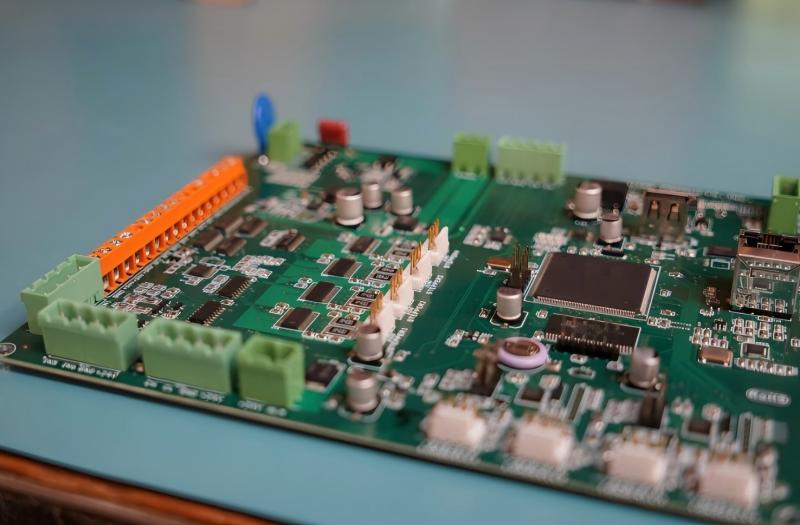
Low volume PCB assembly capabilities
Thindry offers the following core capabilities for low volume pcb production:
Multi-layer and HDI processes: Supports 2- to 3-layer PCB, covering common FR-4, high-speed and high-frequency materials, and HDI boards;
Component placement: Supports high-precision packages such as BGA, QFN, and CSP, and can process components as small as 0201;
Hybrid process capabilities: Capable of SMT + DIP combination, double-sided placement, and high-density interconnection;
Strict inspection: Automated Optical Inspection (AOI), X-ray, and functional testing are implemented throughout the entire process to ensure solder joint reliability and electrical performance.
These capabilities not only ensure production efficiency but also enable low-volume production to simulate the stability of large-scale production, ensuring that customers’ design verification results are closer to actual production performance.
Can you provide low volume PCB production using hybrid processes?
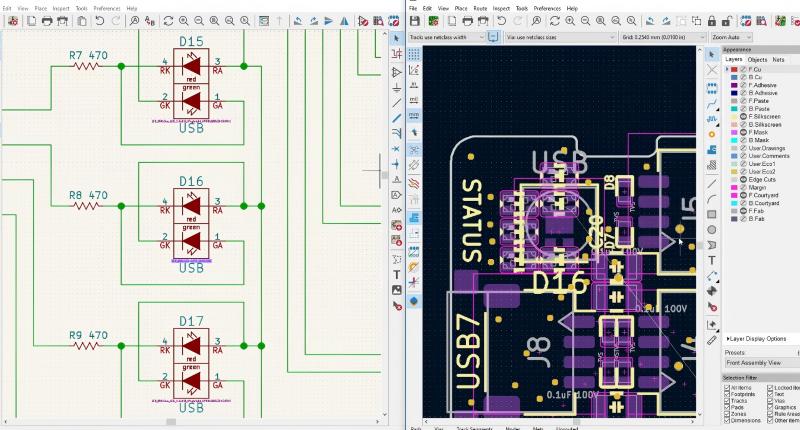
In modern electronic products, circuit boards often require the simultaneous use of different processes. low volume assembly facilitates design changes between batches. Multiple PCB versions can be produced simultaneously. It also supports the use of different processes on a PCB. For example:
SMT processes are suitable for high-precision surface-mount components (such as BGA and IC chips);
DIP processes are suitable for higher-power, through-hole devices;
and hand soldering is used for unusual components or specialized connectors.
Thindry supports the combination of SMT, DIP, and hand soldering on the same PCB, ensuring assembly stability through automated optical inspection and functional testing. This flexibility ensures that small-batch PCB maintain high quality and consistency despite the increasing functional complexity.
What is the standard lead time for low volume PCBA?
Delivery speed is one of the core advantages of low volume production. Thindry standard delivery times are:
Regular low volume PCBA: approximately 5–10 business days;
Rapid prototyping and trial production: Delivery can be as fast as 3–5 days;
Special customization and complex processes: Lead times may vary slightly depending on design complexity.
By optimizing our supply chain and component inventory, we can provide expedited production when customers need it most, streamlining the entire process and helping them seize market opportunities.
What are the advantages of Thindry small batch PCB assembly?
High Flexibility: Supports customized orders of varying product types, processes, and complexity.
Fast Delivery: Rapid prototyping, testing, and adjustments are possible. A comprehensive production process and inventory management system shortens overall cycle time.
Controlled Quality: Reduced board count allows for greater focus on each product. Strict adherence to standards from incoming material inspection to final testing reduces errors and improves overall performance.
Cost Optimization: Compared to the high minimum order quantities of traditional manufacturers, Thindry is more suitable for R&D and market validation, eliminating excess storage and unused inventory. Small batches allow customers to better manage space and control costs, helping to reduce overall project costs.
Ideal for Customization: Small batches are ideal for specialized, focused, and precise custom production, enabling the production of high-value PCB for limited editions or specialized equipment.
Why OEM choose Thindry for PCB manufacturing
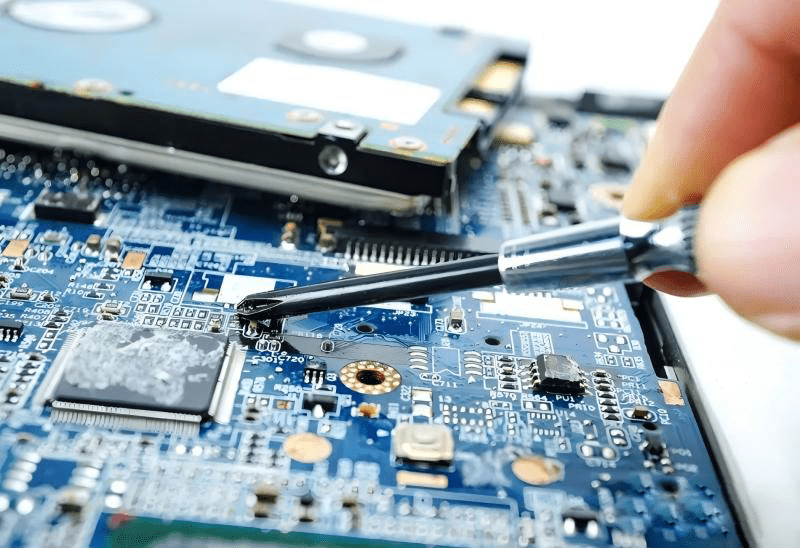
For OEM, choosing the right low volume production partner can be the difference between project success and failure. Thindry offers:
Quick response time, helping customers shorten R&D cycles;
Extensive experience in PCB assembly, low volume production, and prototyping;
High quality assurance, ensuring that low-volume products perform the same as mass production;
Exclusive first-article verification to improve delivery rates and reduce risk;
Customization support, tailored to the specific PCB requirements of various industries (such as medical, communications, and industrial control);
Transparent communication mechanisms, allowing customers to track project progress throughout the entire process and ensure controllable delivery.
When is low-volume assembly needed? It can help you accelerate electronic design development. This service is the best choice when you need to introduce a new electronic design or update an existing one. You can produce low volume PCB on a relatively low budget, while simultaneously testing components and verifying operation before committing to full-scale production. More and more OEM are entrusting their low volume pcb assembly to Thindry, allowing them to focus on R&D and market expansion.
Types of Low-Volume PCB Assembly Services Provided by Thindry
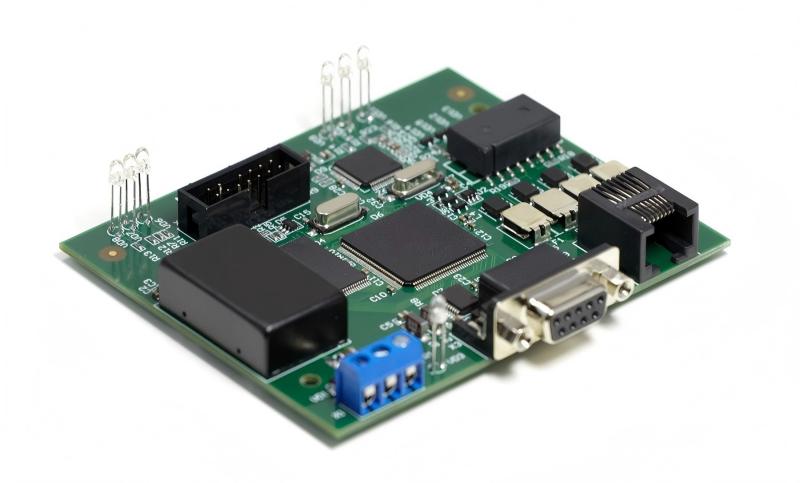
Do you need PCB, but in small quantities? No problem! Our low volume pcb assembly services can meet your manufacturing needs. This solution is ideal for companies producing small to medium-sized products without investing significant resources. Thindry services include:
Rapid prototyping and prototype verification: Ideal for initial design testing;
Low-volume trial production and market testing: Identify and correct potential issues before launch;
Multilayer and high-density printed circuit boards (HDI) with complex functions: Meet the demands of 5G, IoT, and high-speed computing;
Flexible and rigid-flex PCB: Meet the flexibility requirements of wearables and medical devices;
Testing and inspection services: Include AOI, X-ray, ICT, and burn-in testing to ensure reliable performance.
Low volume PCB assembly not only enables customers to respond quickly during the R&D and pilot production phases, but also reduces risk while achieving high-quality delivery. This low volume production approach effectively avoids product costs until the solution is confirmed. This allows your product to be launched sooner. Due to faster setup and testing steps, reduced circuit board production time enhances your entire development process. With flexible process capabilities, strict quality management, and a fast delivery system, Thindry has become a trusted partner for OEM and R&D teams. As the electronics industry’s demand for high-reliability, low-volume production grows, Thindry will continue to leverage its expertise and innovation to help customers seize market opportunities.
0 Comments