



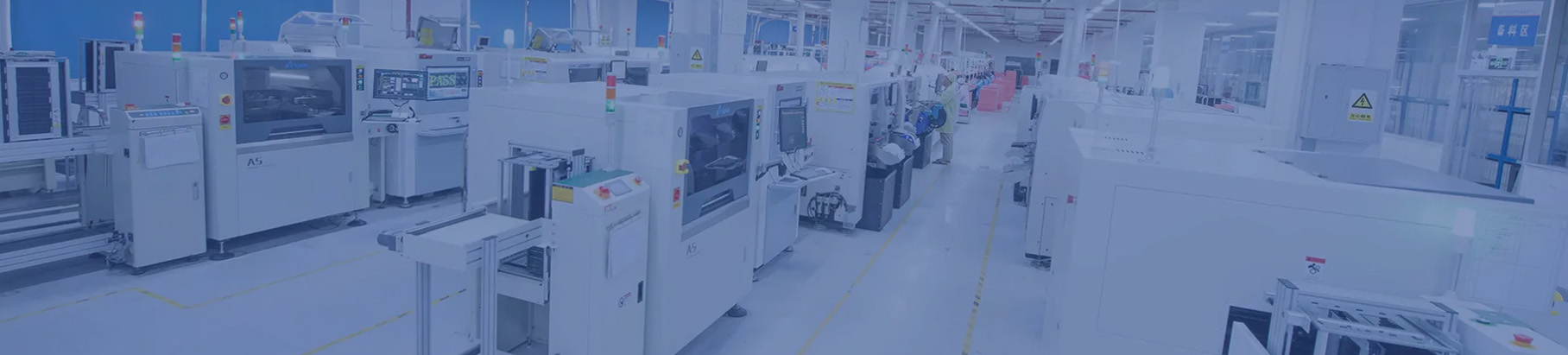
As electronic product performance continues to improve, the demand for digital circuitry operating speeds is also increasing. In the past, high speed pcb design was primarily reserved for a few cutting-edge devices. However, today, high-speed circuitry is increasingly required in nearly all modern electronic products, and this demand is also increasing with the ever-increasing speed of circuit transmission. This requires PCB designers to adhere to high-speed design rules and fully consider factors such as signal integrity, impedance matching, and electromagnetic interference during layout and routing. High speed PCB remain a relatively new and challenging area of PCB design in the PCB industry. To help engineers navigate this trend, Thindry has compiled a series of core PCB design guidelines for future high speed layouts. We also have a team of experienced PCB designers who provide professional design guidance to customers with high-performance electronic product needs.
What is “high speed” PCB design?
Below, we’ll explore some high speed pcb design tips and guidelines.
When it comes to high speed pcb design, we generally focus on two aspects. First, product signal integrity (SI), and issues related to crosstalk caused by PCB trace spacing, reflections caused by impedance mismatches, signal attenuation, and ringing. Second, we focus on electromagnetic interference (EMI).

Before delving into high speed pcb design and layout techniques, we need to clarify a key question: When does it become necessary to pay special attention to high-speed design rules?
Generally, when a PCB trace length exceeds 1/12 of the dielectric wavelength, the signal propagation characteristics can no longer be simply described using a lumped circuit model and must be treated as a distributed transmission line. This means that the signal will experience significant time delays and reflections along the trace, necessitating impedance matching and transmission line modeling. This critical length is also known as the “critical length.” Once this length is reached or exceeded, designers must invest additional effort in routing, material selection, and signal integrity analysis to ensure stable and reliable high-speed signal transmission.
What functional integration is required in high speed PCB layouts?
5G base station design is no longer limited to signal transmission; it places multi-dimensional functional integration demands on PCBs. High speed PCB must simultaneously accommodate complex functional modules such as RF circuits, digital signal processing, power management, and electromagnetic compatibility design within a limited area. This places higher demands on circuit design rules and simulation verification.
Using advanced EDA tools and signal integrity and power integrity simulation platforms, designers can identify and optimize potential issues at an early stage, ensuring stable high-speed signal transmission. Furthermore, a multifunctional integrated layout reduces the number of external interconnect components, lowering system power consumption and costs. In the future, driven by applications such as artificial intelligence and cloud computing, the functional integration of PCBs will continue to increase, becoming the core technological foundation for achieving high performance and low power consumption in 5G base stations.

How to route a high speed PCB design?
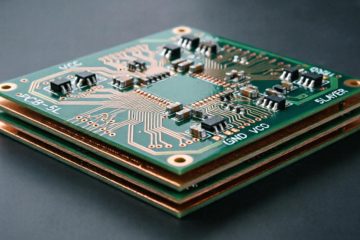
After completing component layout, high speed PCB routing still requires adherence to strict design rules and constraints. The following are key points:
Strictly control trace length, width, spacing, stackup, and impedance matching, and properly allocate differential pairs and vias.
Keep traces as short and direct as possible, avoiding crossing ground plane gaps to reduce EMI and impedance mismatch.
Ensure clear return paths for high-speed signals, using return path vias where necessary to reduce current loop area.
Allow adequate spacing for sensitive signals (such as clock lines and differential pairs) to reduce the risk of crosstalk.
Avoid unnecessary layer switching, reduce the number of vias, and use blind, buried, or backdrilled vias when necessary to improve signal integrity.
Through these methods, high-speed PCB routing can effectively reduce signal reflections and crosstalk, ensuring overall circuit performance and stability.
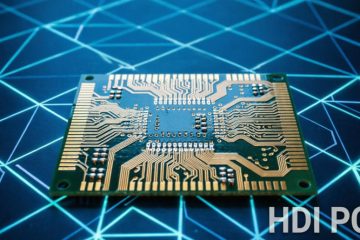
How to Use High-Density Interconnect (HDI) High Speed PCB?
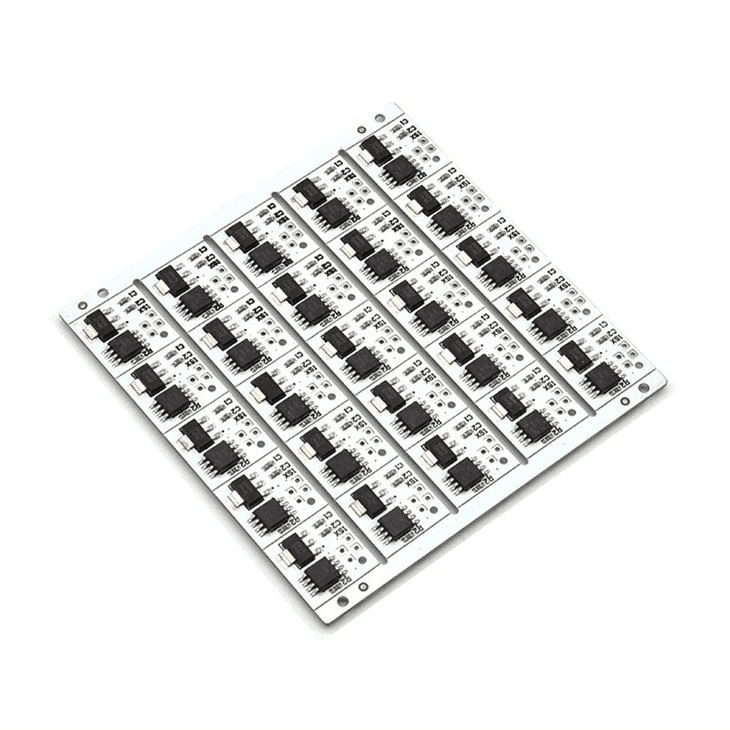
As 5G base stations process increasingly higher signal frequencies and data throughput, traditional PCB routing and space utilization are no longer sufficient. High-Density Interconnect (HDI) PCBs are a key solution to this challenge. They utilize micro blind vias, buried vias, laser drilling, and fine routing processes to achieve higher routing density and stronger interconnect capabilities within limited board layers.
HDI technology not only effectively reduces PCB size and increases component integration, but also reduces signal transmission latency and crosstalk, significantly improving the operational efficiency and reliability of 5G base stations. As antenna arrays scale and power consumption requirements increase, HDI high speed PCB will play an even more important role in 5G small base stations, millimeter-wave communications, and high-speed data processing modules.
Practical Tips for High Frequency PCB Design
In applications such as 5G communications and high-speed computing, high-frequency PCB design is directly related to signal integrity and system stability. Industry experts point out that the key to high-frequency PCB lies in proper impedance control, signal integrity design, and thermal management solutions.
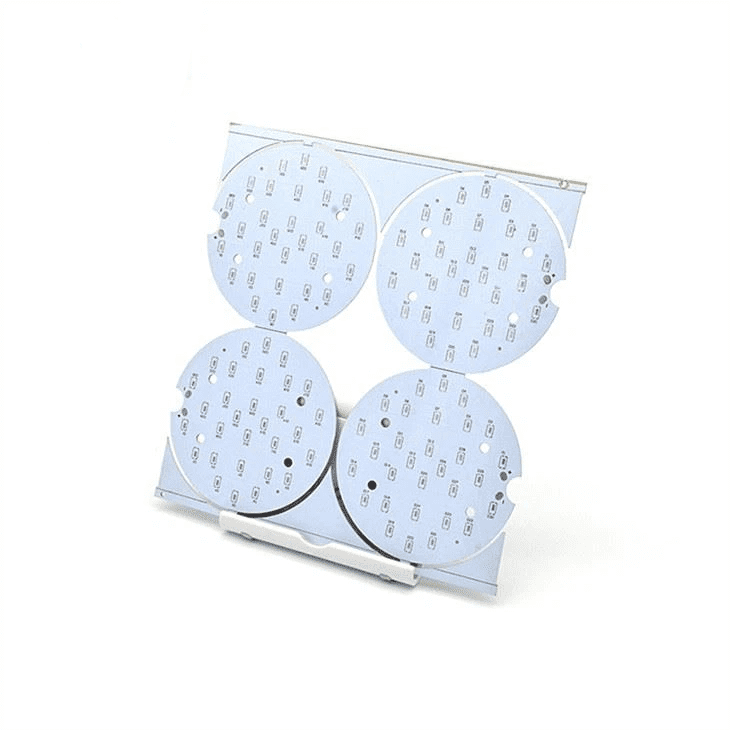
Avoid routing traces across gaps in the ground plane during design to maintain a continuous signal return path. Also, select high-frequency materials with low dielectric constant and low loss to reduce signal attenuation and reflections. Maintain adequate spacing between sensitive RF and differential signals to minimize crosstalk risk. Additionally, appropriate use of blind and buried vias and backdrilling processes can effectively improve the transmission performance of high-frequency circuits. With the increasing popularity of 5G and high-speed electronic devices, these practical techniques are becoming industry standards for high frequency PCB design, providing reliable design guidance for manufacturers and R&D personnel.
Why do high-frequency PCB require special attention?
In high-frequency circuits, signal wavelengths are shorter and transmission speeds are faster, placing higher demands on PCB design. Issues such as crosstalk, signal reflection, and impedance mismatch can cause signal attenuation and distortion, directly impacting system stability and performance. To avoid these risks, designers must strictly adhere to high-frequency PCB design guidelines in terms of routing, stackup structure, material selection, and impedance control. Only in this way can signal loss be effectively reduced, signal integrity improved, and reliable operation of the board in high-speed applications be ensured.
What is the difference between PCBA and PCB design?
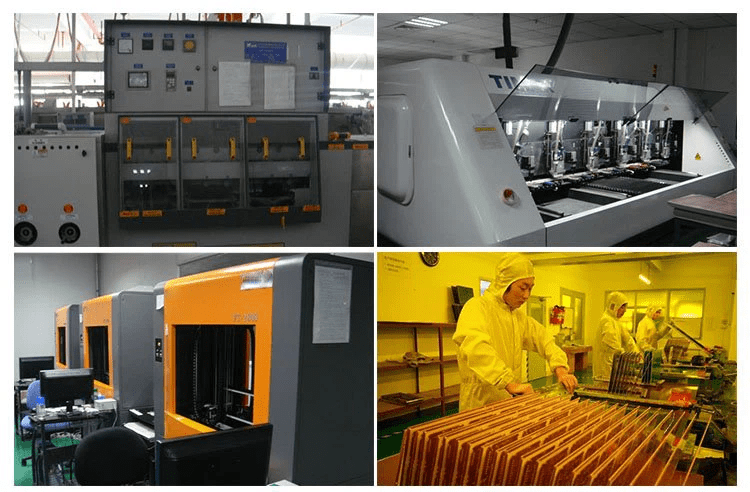
PCB and PCB are closely related but distinct stages in electronics manufacturing. A PCB is a bare board, pre-populated with components, primarily providing electrical connections and support. A PCB, on the other hand, is a finished product, after components are soldered and assembled onto the PCB, enabling actual circuit functionality.
In contrast, the manufacturing process for a blank PCB is relatively simple, while a PCB requires multiple complex steps, including component placement, soldering, and testing, resulting in higher costs and technical requirements. Nevertheless, both are indispensable: without PCB, PCBA cannot be carried out; and without PCBA, PCB cannot be applied to actual devices.
Conclusion
Finally, 5G base station PCB requirements have evolved from simple signal transmission to a comprehensive upgrade requiring high density, high speed, and multi-functional integration. HDI technology provides a more compact and efficient routing solution for high-frequency, high-speed signals, while functional integration makes high speed pcb design the core platform for the coordinated operation of RF, digital, and power modules. With the rapid deployment of 5G networks and the rise of cloud computing applications, high speed pcb layout will continue to play a critical role in the industry. For more information on high speed pcb design and layout, please Contact us for more product information.
0 Comments