Blog
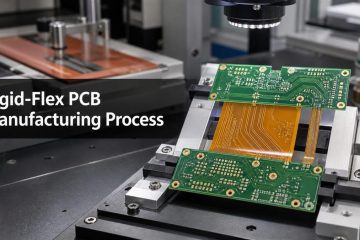
Rigid-Flex PCB Manufacturing Process: Controls and Tests
See how rigid-flex PCBs are built, which process controls prevent transition and plating failures, and what test evidence to request before ordering.



See how rigid-flex PCBs are built, which process controls prevent transition and plating failures, and what test evidence to request before ordering.
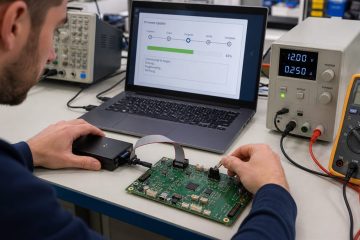
Learn how to identify a PCB programming interface, match firmware to the target, connect safely, flash the device, diagnose failures and verify the result.
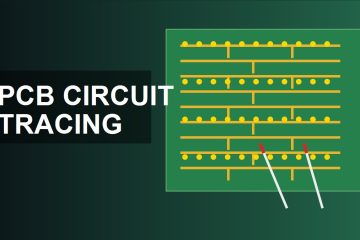
Learn how to trace a PCB circuit by following visible tracks, using continuity mode correctly, marking nets, checking components and preparing repair or remake notes.
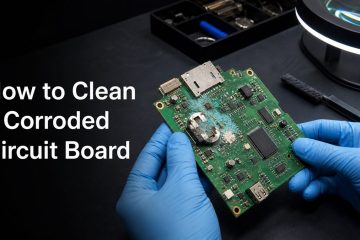
Learn how to identify the residue, clean a corroded circuit board safely, inspect damaged traces and pads, and test it before controlled power-up.
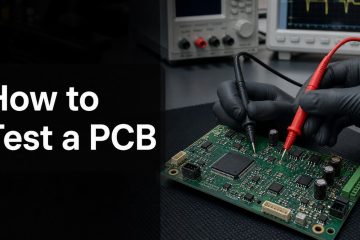
Learn how to test a PCB safely with visual inspection, multimeter checks, controlled power-up, fault isolation and clear pass/fail evidence.
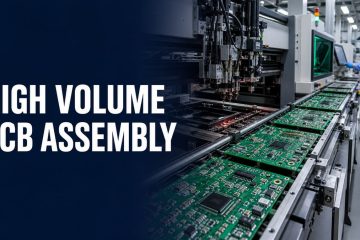
Plan a safer high volume PCB assembly ramp with readiness gates, test coverage, traceability, cost drivers, supplier questions, and an RFQ checklist.
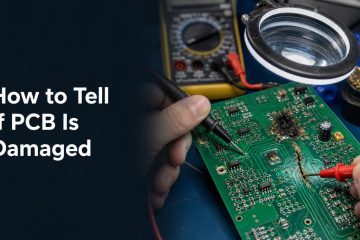
Learn how to tell if PCB is damaged by checking burn marks, broken traces, lifted pads, shorts, power rails, hot parts and repair or remake decisions.
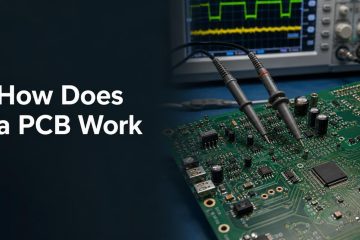
Learn how a PCB works through copper traces, layers, power paths, components, vias, ground planes, test points and manufacturing checks.
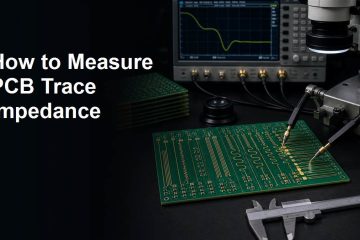
Learn how to measure PCB trace impedance with TDR, test coupons, stackup data, tolerance checks, and controlled impedance DFM review.
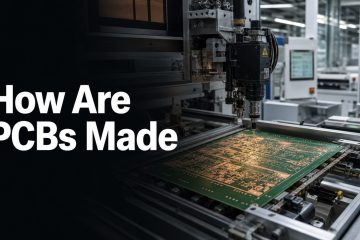
Learn how PCBs are made in a factory, from Gerber review and layer imaging to etching, drilling, plating, solder mask, surface finish and electrical testing.
If you have any enquiry about quotation or cooperation, please feel free to email us at sales@pcbtry.com or use the following enquiry form. Oursales representative will contact you within 24 hours. Thank you for your interest in our products.