



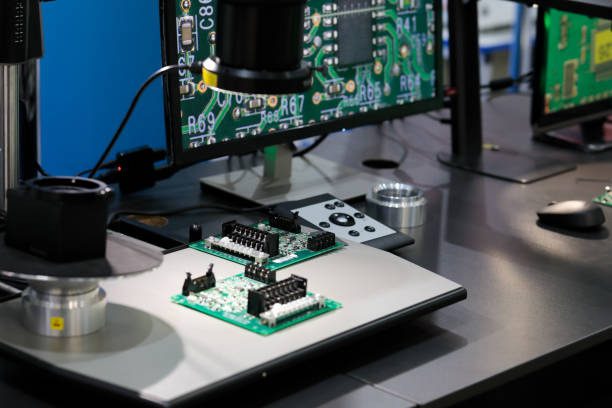
What is Automotive PCB?
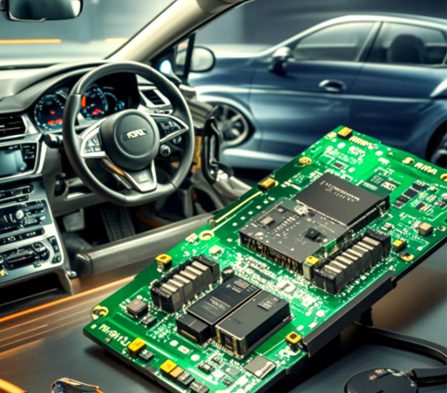
In simple terms, an automotive PCB is a printed circuit board designed specifically for use in vehicles. These boards manage electrical signals, power delivery, and data communication across various car systems. They act as the foundation for mounting and connecting electronic components that enable a wide range of functions, such as controlling lights, sensors, infotainment, and engine systems.
The meaning of PCB in automotive refers to how these boards support vehicle operations by providing reliable, long-lasting connections and circuit pathways. Automotive PCBs must be durable, resistant to heat, vibration, and moisture, and designed to perform over the vehicle's lifetime. Common materials include FR4 (for general applications), aluminum (for thermal management), and ceramic (for high-frequency or high-heat areas).
Automotive PCB Applications
- Engine Control Units (ECUs)
- Lighting Systems
- Infotainment Systems
- Radar, cameras, LiDAR
- Battery Management Systems (BMS)
- Transmission Control
- Airbag Control Systems
- Climate Control
Types of Automotive PCBs Used in Vehicles
Vehicles use different types of PCBs, depending on the complexity and location of the system:- Single-sided PCBs: These have one layer of copper and are used in basic applications such as simple sensors or interior lighting. They are cost-effective and easy to produce.
- Double-sided PCBs: These feature copper layers on both sides of the board, offering more design flexibility. They are used in power control modules, dashboards, and audio systems.
- Multilayer PCBs: These contain multiple layers of copper separated by insulating materials. They are used in complex systems like infotainment, navigation, and ADAS. Their design allows for compact, high-speed circuitry.
- Rigid-flex PCBs: These combine rigid and flexible sections to allow installation in tight spaces. They are often used in cameras, steering systems, and instrument clusters.
- Metal Core PCBs (MCPCBs): Made with a metal core (usually aluminum), these boards provide excellent heat dissipation. They are used in LED headlights and high-power electronic modules.
What Are the Requirements for PCB in Automotive?
In the automotive field, PCBs must meet stringent requirements for reliability, environmental resistance, and stable performance. The key demands include:- Automotive PCBs must remain stable in environments ranging from -40°C to 150°C. In high-temperature zones like the engine compartment, the base material should have a glass transition temperature (Tg) of at least 170°C.
- Devices like motor controllers require PCBs with thick copper layers (typically 70–105μm) to reduce resistance and minimize heat generation. For example, in one electric vehicle BMS application, using 105μm copper reduced the operating temperature by 15°C.
- Lead-free solder alloys, such as SAC305 (with a melting point of 217°C), are commonly used. To prevent oxidation at high temperatures, gold-plated pads (with a thickness of 0.1–0.2μm) are applied.
- Automotive PCBs must withstand over 1 million mechanical stress cycles. This requires optimized solder joint design and the use of resin reinforcement to prevent cracking or detachment.
- To guard against humidity and salt spray corrosion, PCBs are designed with high-density encapsulation and strong insulation to prevent leakage currents and ensure long-term stability.
Automotive PCB Design Guidelines
Designing automotive PCBs requires attention to detail and adherence to standards:- Material choice: Use high TG (glass transition temperature) FR4 for general use, aluminum for thermal control, or ceramic for high-frequency circuits.
- Thermal management: Include thermal vias, copper pours, and heat sinks to manage heat and avoid overheating components.
- EMI/EMC shielding: Proper layout and grounding reduce electromagnetic interference, ensuring signal integrity.
- Redundancy: In safety-critical systems like airbags or ABS, redundant circuits ensure continuous operation even if one part fails.
- Standard compliance: Follow IPC-6012DS guidelines for automotive PCB design and construction, which require higher reliability levels.
Automotive PCB Certifications
- IATF16949: A globally recognized standard for automotive quality management. It ensures rigorous process control and continuous improvement.
- ISO 9001: A general quality certification that shows the company maintains consistent processes and customer satisfaction.
- UL Certification: Verifies that materials and boards meet safety requirements, especially for thermal and fire resistance.
- RoHS/REACH Compliance: Ensures PCBs are free from hazardous substances and meet environmental safety standards.
Automotive PCB Standards We Follow
At Thindry Circuit, we follow these standards strictly, using them to guide our design, production, and quality assurance processes. The industry standard we following are including:- IPC-A-600: Defines visual and workmanship criteria for PCBs.
- IPC-6012DS: An automotive-specific standard that outlines stricter requirements for performance, testing, and durability.
- ISO 26262: Applies to functional safety in automotive electronics, particularly in critical systems.
Automotive PCB Assembly Process
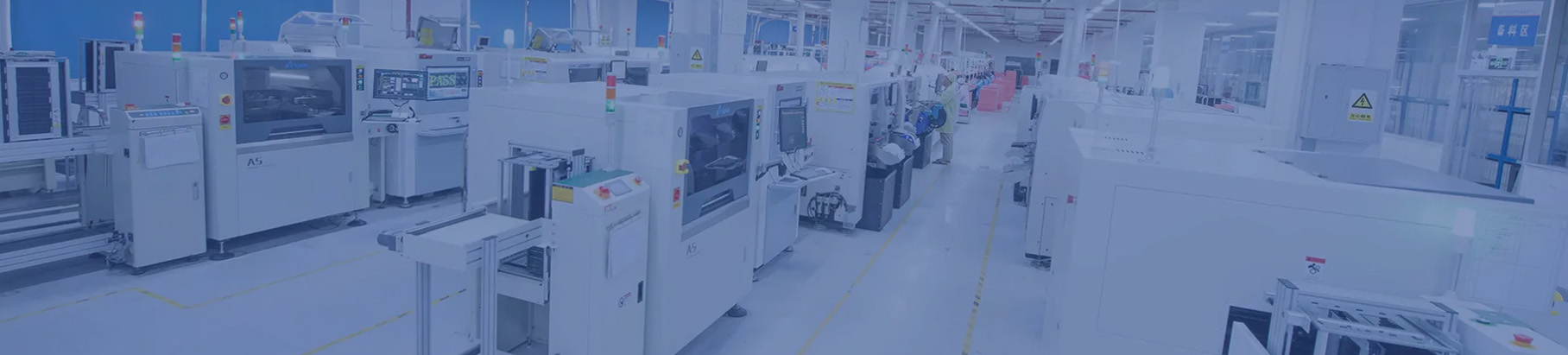
Our automotive PCB assembly involves precise, controlled steps:- Material preparation: Clean and inspect all materials, ensuring they meet specifications.
- Solder paste application: Use a stencil printer to apply solder paste accurately on component pads.
- Component placement: Automated pick-and-place machines set components on the board with high precision.
- Reflow soldering: Boards pass through an oven where solder melts and solidifies, securing components.
- Inspection and testing: Automated Optical Inspection (AOI), X-ray, and functional tests catch any defects.
- Conformal coating: Apply protective coating to shield against moisture, dust, and chemicals.
- Final quality check and packaging: Each board is inspected before packing and shipping.
How to Get a Quote for Automotive PCBFrom us?
- Send your Gerber files, BOM, and any assembly drawings.
- Indicate order quantity, whether prototype or mass production.
- Share any special requirements, such as coatings or certifications.
- Contact our sales team for a fast response, technical support, and a detailed quote.
At Thindry Circuit, we respond quickly and offer engineering guidance to help you get the best results for your design.
FAQs
- What is the function of a PCB in a car?
PCBs control electrical functions, from engine management to entertainment and lighting.
- Which PCB material is best for automotive?
High TG FR4, aluminum, and ceramic are used, depending on heat and strength needs.
- What are the challenges in automotive PCB assembly?
Challenges include managing heat, ensuring durability, and meeting strict safety standards.
- How are automotive PCBs tested for quality?
They undergo visual inspection, AOI, X-ray, functional testing, and sometimes burn-in testing.
- Can I request a prototype before mass production?
Yes. Thindry Circuit offers quick-turn prototypes for automotive PCBs to test designs early.