



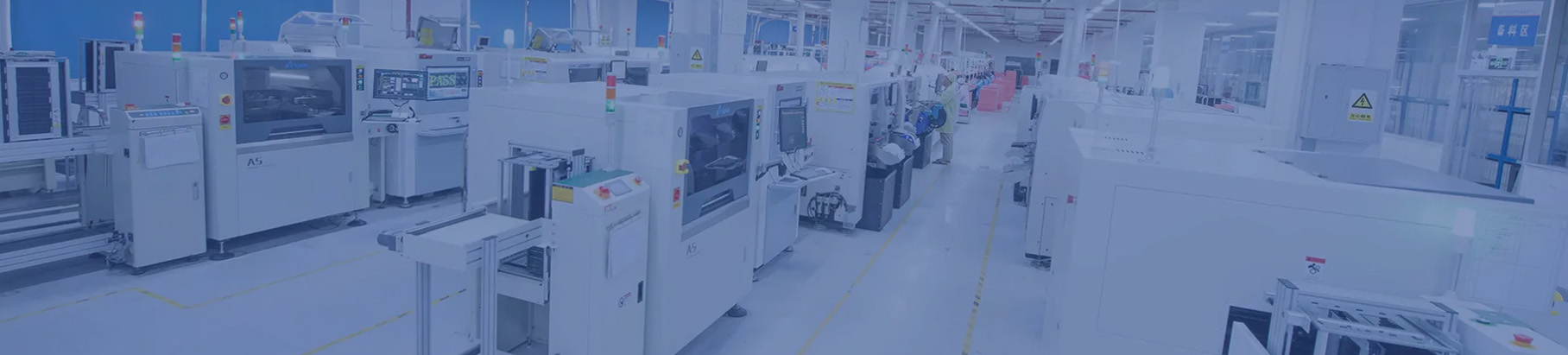
Flexible PCBs (also known globally as flex circuits, flexible printed circuit boards, flex PCBs) belong to the field of electronics and interconnection technology. They consist of a thin insulating polymer film with attached conductive circuit patterns, usually coated with a thin polymer layer to protect the conductors. This technology has been used in various forms for interconnecting electronic devices since the 1950s. Today, it has become one of the most critical interconnection technologies in the manufacturing of many advanced electronic products.
What are Flexible PCBs?
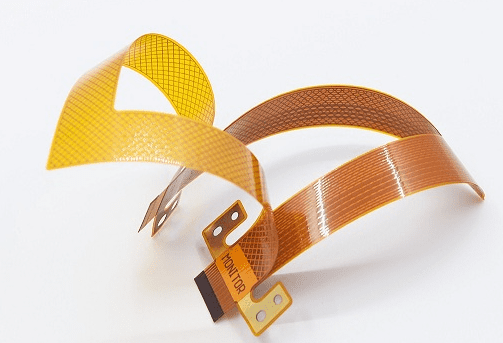
A flexible PCB, also known as a flex circuit or flexible printed circuit, is an electronic circuit built on a flexible substrate material that can bend, twist, and fold without compromising electrical connections. Unlike traditional rigid PCBs made from fiberglass, flexible PCBs use polyimide (PI), polyester (PET), or other flexible dielectric materials as substrates.
The basic structure of a flexible PCB consists of a flexible dielectric substrate layer with conductive traces etched or deposited on its surface. These traces transmit electrical signals between components, just like in rigid PCBs, but with the added advantage of mechanical flexibility. This flexibility allows the circuits to conform to three-dimensional shapes, fit into tight spaces, and withstand repeated bending motions.
Key Components of Flexible PCBs
Substrate Material: The foundation of any flexible PCB is its substrate material. Polyimide (PI) is the most common choice due to its excellent thermal stability, chemical resistance, and mechanical properties. It can withstand temperatures from -200°C to +400°C while maintaining flexibility. Polyester (PET) is another popular option for cost-sensitive applications, though it offers lower temperature resistance.
Conductor Material: Copper is the primary conductor material for flexible PCBs, typically applied through electrodeposition or sputtering processes. Copper thickness ranges from 0.5 oz to 2 oz per square foot, depending on current-carrying requirements. For special applications, silver or other conductive materials may be used.
Adhesives and Coverlays: Adhesive layers bond the copper conductors to the substrate and provide environmental protection. Acrylic-based adhesives are common for general-purpose applications, while high-temperature applications may require silicone or other specialized adhesive systems. Coverlay materials protect the circuit traces from environmental damage and provide electrical insulation.
Comparison of PET vs. PI Materials
Did you know the differences between PET and PI materials? If not, let’s explore them now.
Please refer to the attached table for your reference. We hope it helps you select the appropriate raw material.
| Characteristic | Polyester (PET) | Adhesive-based Polyimide (PI) | Adhesiveless Polyimide (PI) |
|---|---|---|---|
| Flexibility (2mm radius) | Poor | Good | Best |
| Tear Strength | 800g | 500g | 500g |
| Peel Strength in Air | 1050 N/m | 1750 N/m | 1225 N/m |
| Elongation (>=20%) | Best | Poor | Good |
| Operating Temperature (°C) | 80 | 85~165 | 105~200 |
| Chip Resistance | Poor | Good | Best |
Advantages and Disadvantages of PET and PI Materials
| Material | Advantages | Disadvantages |
|---|---|---|
| PET | Fewer production steps; Lower cost; Shorter delivery time. | Cannot withstand soldering processes; Cannot operate in high-temperature conditions. |
| PI (Polyimide) | Easy to bend; Can operate in high-temperature conditions. | More expensive than PET |
Types of Flexible PCBs
Understanding the different types of flexible PCBs is crucial for selecting the right solution for your application. Each type offers unique advantages and is suited for specific use cases.
Single-Layer Flexible PCBs
Single-layer flexible PCBs are the simplest and most cost-effective type, consisting of a single conductor layer laminated to one side of a flexible substrate. These circuits are ideal for simple interconnections and applications where cost is a primary concern. Common applications include LED strip connections, battery packs, and simple sensor interconnects.
The manufacturing process for single-layer flexible PCBs is straightforward, involving only substrate preparation, copper deposition, etching, and coverlay application. This simplicity translates to lower costs and shorter lead times, making them highly attractive for high-volume consumer electronics applications.
Double-Layer Flexible PCBs
Double-layer flexible PCBs feature conductor patterns on both sides of the substrate, connected by plated-through holes (PTHs) or vias. This configuration offers higher circuit density and greater routing flexibility compared to single-layer designs. The additional layer allows for more complex circuits while maintaining the benefits of flexibility.
These PCBs are often used in applications requiring higher component density, such as smartphone flex cables, tablet interconnects, and automotive sensor arrays. The double-layer design enables better signal integrity through proper ground planes and reduced electromagnetic interference (EMI).
Multi-Layer Flexible PCBs
Multi-layer flexible PCBs incorporate three or more conductor layers, offering the highest circuit density and most complex routing capabilities. These advanced circuits can include dedicated power and ground planes, controlled impedance traces, and sophisticated signal routing patterns. Manufacturing multi-layer flexible PCBs requires advanced lamination processes and precise layer alignment.
Applications for multi-layer flexible PCBs include high-speed digital circuits, RF/microwave applications, and complex automotive electronic systems. The multi-layer structure enhances signal integrity, reduces crosstalk, and improves electromagnetic compatibility (EMC).
Rigid-Flex PCBs
Rigid-flex PCBs combine rigid and flexible sections into a single circuit board assembly, offering the benefits of both technologies. The rigid sections provide mounting points for components and connectors, while the flexible sections enable movement and three-dimensional routing. This hybrid design eliminates the need for separate connectors and cables, improving reliability and reducing assembly costs.
These advanced PCBs are widely used in aerospace, military, medical equipment, and high-end consumer electronics where reliability and space efficiency are critical. The rigid-flex design reduces interconnection points, enhancing overall system reliability and reducing potential failure modes.
Advantages and Benefits of Flexible PCBs
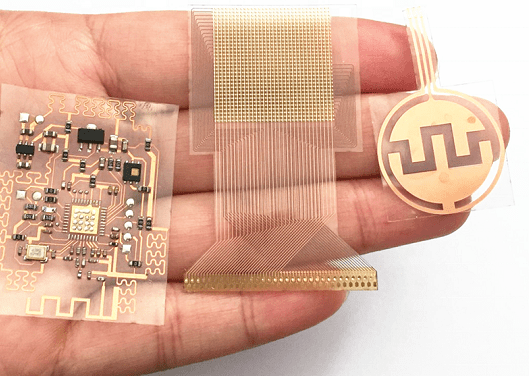
Flexible PCBs offer numerous advantages over traditional rigid PCBs and cable-based interconnection solutions, making them the preferred choice for many modern electronic applications.
Space and Weight Reduction
One of the most significant advantages of flexible PCBs is their ability to eliminate bulky connectors and cables, resulting in substantial space savings and weight reduction. In applications like smartphones and wearables where every cubic millimeter counts, flexible circuits enable more compact designs and lighter products.
The three-dimensional routing capability of flexible PCBs allows designers to utilize space more efficiently according to available packaging constraints. This spatial efficiency often enables the integration of more features or larger batteries within the same form factor.
Enhanced Reliability
Flexible PCBs can significantly improve system reliability by eliminating common failure points found in traditional interconnection solutions—mechanical connectors and solder joints. Each eliminated connection point reduces the overall system failure rate and improves long-term reliability.
The monolithic nature of flexible circuits means all interconnections are formed during the manufacturing process under controlled conditions, rather than during field assembly where quality control may be less stringent. This manufacturing approach results in more consistent and reliable interconnections.
Improved Design Flexibility
The mechanical flexibility of these circuits enables innovative product designs that would be impossible with rigid PCBs. Designers can create curved interfaces, foldable displays, and complex three-dimensional electronic assemblies that adapt to mechanical constraints rather than being constrained by them.
This design flexibility extends beyond physical limitations to electrical performance benefits. With careful stack-up design, flexible circuits can be engineered with controlled impedance characteristics, optimized signal routing, and reduced electromagnetic interference.
Reduced Assembly Costs
While the initial material cost of flexible PCBs may be higher than rigid PCBs, they often provide significant savings in assembly and manufacturing costs. The elimination of connectors, cables, and manual assembly steps reduces both material and labor costs.
Integrating multiple functions into a single flexible circuit assembly reduces part counts, simplifies inventory management, and decreases the complexity of the assembly process. These advantages are particularly significant in high-volume production environments.
Dynamic Bending Capability
Unlike rigid PCBs, which can withstand only minimal mechanical stress, flexible circuits can endure millions of bending cycles without failure. This capability makes them suitable for applications requiring continuous movement, such as print heads, hard drive actuators, and robotic joints.
Through careful design of conductor geometry, material selection, and stack-up configuration, the dynamic bending performance of flexible PCBs can be optimized. Proper design can achieve bending lifetimes exceeding 100 million cycles in demanding applications.
Applications of Flexible PCBs in 2025
The versatility of flexible PCBs has led to their widespread adoption across numerous industries and applications. As technology advances, new applications continue to emerge, driving innovation and market growth.
Consumer Electronics
The consumer electronics industry remains the largest market for flexible PCBs, driven by the continuous demand for smaller, lighter, and more feature-rich devices. Smartphones extensively use flexible circuits in camera modules, display connections, battery packs, and antenna systems. The latest flagship smartphones incorporate over 20 separate flexible PCB assemblies.
Wearable devices represent a rapidly growing segment, with smartwatches, fitness trackers, and health monitoring devices all relying heavily on flexible PCB technology. These applications require circuits that can withstand constant bending, conform to curved surfaces, and maintain reliable electrical performance.
Tablets, laptops, and convertible devices use flexible PCBs for keyboard connections, display hinges, and internal interconnects. The ability to fold and bend enables not only new form factors but also improved durability compared to traditional cable-based solutions.
Automotive Electronics
The automotive industry has adopted flexible PCBs across numerous applications as vehicles become increasingly electrified and digitalized. Advanced driver assistance systems (ADAS) rely on flexible circuits for radar sensors, camera modules, and lidar systems. These applications require circuits that can perform reliably in harsh automotive environments characterized by extreme temperatures, vibration, and electromagnetic interference.
Electric vehicles (EVs) use flexible PCBs in battery management systems, charging interfaces, and power distribution modules. The flexible nature allows these circuits to conform to battery pack geometries and accommodate thermal expansion and contraction cycles.
Infotainment systems, instrument cluster displays, and advanced lighting systems all incorporate flexible PCBs to enable complex routing within constrained spaces. The industry’s transition toward autonomous vehicles creates new opportunities for flexible PCBs in sensor fusion systems and high-speed data processing modules.
Medical Devices
Medical device applications demand extremely high reliability and biocompatibility, making flexible PCBs ideal for numerous applications. Implantable devices such as pacemakers, neurostimulators, and continuous glucose monitors use flexible circuits that can conform to body contours and withstand long-term implantation.
Wearable health monitors, including ECG patches, temperature sensors, and pulse oximeters, rely on flexible PCBs to maintain intimate skin contact while allowing natural movement. These applications often require specialized biocompatible materials and coatings.
Diagnostic equipment, surgical instruments, and imaging systems incorporate flexible PCBs to achieve compact designs and enhanced functionality. The flexibility enables circuits to navigate through complex mechanical assemblies and tight spaces within medical devices.
Aerospace and Defense
Aerospace and defense applications continually push the limits of flexible PCB technology, requiring circuits that can operate in extreme environments while meeting stringent reliability requirements. Satellite systems utilize flexible PCBs for solar panel connections, antenna feeds, and internal interconnects that must withstand space radiation and temperature cycling.
Military electronics demand flexible circuits capable of operating in harsh combat environments characterized by extreme temperatures, vibration, and electromagnetic interference. Applications range from communication systems and radar equipment to missile guidance systems.
Aircraft electronic systems use flexible PCBs for avionics connections, engine monitoring, and passenger entertainment systems. The weight reduction offered by flexible circuits is particularly valuable in aerospace applications where every gram counts.
Industrial IoT and Automation
The industrial Internet of Things (IoT) revolution has created new opportunities for flexible PCBs in sensor networks, automation systems, and monitoring equipment. Flexible circuits enable sensors to be embedded in rotating machinery, curved surfaces, and confined spaces where rigid PCBs cannot be implemented.
Factory automation systems use flexible PCBs in applications requiring repeated bending, such as robotic arms, conveyor systems, and assembly equipment. Properly designed flexible circuits offer exceptional durability and reliability, making them ideal for these demanding applications.
Smart building systems incorporate flexible PCBs into lighting controls, HVAC sensors, and security systems. The technology enables circuits to be routed through building structures and around architectural features, providing installation flexibility and enhanced aesthetics.
What is the Difference Between Flexible Circuits and PCBs?
Physical Structure Comparison
PCBs and flexible circuits differ significantly in their physical structures and materials used:
| Aspect | Printed Circuit Board (PCB) | Flexible Circuit |
|---|---|---|
| Substrate | FR-4, G10, GETEK, BT | Polyimide, PEEK, PET |
| Dielectric Thickness | 1.6mm typical, 2.4mm max | 25μm – 75μm typical |
| Layers | Up to 30+ layers | Typically single or double layer |
| Conductor | 1oz – 3oz copper foil | 0.5oz – 2oz rolled annealed copper |
| Line Width | 100μm minimum | Can achieve 15μm |
| Line Spacing | 150μm minimum | 25μm minimum |
| Via Construction | Plated through holes | Microvias, filled vias |
| Flexibility | Rigid | Dynamic bending capability |
| Weight | Heavier | Lighter weight |
Key differences to note:
- PCB substrates are thicker for structural rigidity, while flexible circuits use thin flexible polymer films.
- Multi-layer structures are common for PCBs but challenging for flexible circuits.
- Flexible circuits can achieve finer trace widths and spacing.
- Flexible circuits are inherently flexible for dynamic movement requirements.
Performance Comparison
Design objectives and usage environments determine the performance requirements for interconnection technologies. Here’s a comparison of some key parameters for PCBs and flexible circuits:
Electrical Performance
| Metric | Printed Circuit Board (PCB) | Flexible Circuit |
|---|---|---|
| Dielectric Constant | FR4: 4.5 | Polyimide: 3.5 |
| Dissipation Factor | FR4: 0.017 | Polyimide: 0.003 |
| Insulation Resistance | 100 TΩ (typical) | 20 TΩ (typical) |
| Breakdown Voltage | 23 kV/mm | 16 kV/mm |
| Propagation Speed | FR4: 60% | Polyimide: 85% |
- Flexible circuits typically have lower loss and better high-frequency performance.
- PCBs can operate at higher voltages.
- Match dielectric materials to application signal frequencies.
Mechanical Performance
| Metric | Printed Circuit Board (PCB) | Flexible Circuit |
|---|---|---|
| Young’s Modulus | FR4: 20-30 GPa | Polyimide: 2.5 GPa |
| Tensile Strength | FR4: 275 MPa | Polyimide: 231 MPa |
| Bend Stiffness | Very low flexibility | Can bend dynamically |
| Thermal Expansion | FR4: 12-16 ppm/°C | Polyimide: 20 ppm/°C |
- PCBs are rigid with high stiffness.
- Flexible circuits are flexible but have lower strength.
- Varying coefficients of thermal expansion.
Environmental Resistance
| Metric | Printed Circuit Board (PCB) | Flexible Circuit |
|---|---|---|
| Flammability Rating | FR4: V-0 | Polyimide: V-0 |
| Moisture Absorption | FR4: 0.2% | Polyimide: 2.0% |
| Chemical Resistance | Fair (acrylics, alcohols) | Generally good |
| UV Resistance | Poor (yellows) | Excellent UV stability |
| Operating Temperature | FR4: 130°C | Polyimide: 260°C |
- Both meet flammability standards for electronics.
- Polyimide offers broad chemical resistance.
- Flexible circuits withstand higher temperatures.
Frequently Asked Questions
1.What is the main difference between flexible circuits and rigid PCBs?
The main differences lie in the flexible substrate material, thinner dielectric layers, finer traces, and the dynamic bending capability of flexible circuits, compared to the rigid multilayer FR4 structure and lower cost of traditional PCBs.
2.Why choose flexible circuits over PCBs?
Use flexible circuits when applications require tight space constraints, dynamic motion and bending, or conformal shape adaptation that rigid boards cannot provide.
3.What are some examples of typical flexible circuit applications?
Common uses include printers, disk drives, robotic joints, medical devices, wearables, avionics, and automotive sensors where flexible circuits can accommodate motion and space requirements that PCBs cannot.
4.What are typical applications for traditional PCBs?
PCBs are ideal for computers, servers, telecommunications systems, control systems, LED lighting, and consumer electronics where rigid support for multilayer digital circuits is needed.
5.When does it make sense to use both PCBs and flexible circuits together?
PCB and flexible circuit hybrid assemblies offer advantages in applications like laptops, wearables, printers, and sensors that require both dynamic flexible interconnections and rigid support or multilayer circuitry.
Conclusion
Flexible PCB technology has become an indispensable enabler of modern electronic innovation, capable of meeting the mechanical flexibility and electrical performance required by today’s demanding applications. Looking ahead to 2025, the technology will continue to evolve, driven by emerging applications such as wearable devices, automotive electronics, medical equipment, and industrial IoT systems.
The successful implementation of flexible PCBs depends on careful consideration of design requirements, material selection, manufacturing processes, and cost optimization. It is essential for engineers and designers who wish to leverage this technology effectively to understand the unique characteristics and requirements of flexible circuits.
The future of flexible PCB technology is promising. Ongoing innovations in materials, manufacturing processes, and application areas are opening up new possibilities in electronic product design. From foldable displays to stretchable electronics, flexible PCBs will continue to enable groundbreaking products that were once considered impossible.
As the electronics industry increasingly demands smaller, lighter, and more reliable products, flexible PCB technology will play an ever more critical role in addressing these challenges. The key to success lies in understanding the capabilities and limitations of the technology while leveraging its unique advantages to create innovative solutions that deliver real value to end users.
Today, investing in the understanding and application of flexible PCB technology will position companies and engineers for success in the rapidly evolving electronics landscape of the future. Whether designing consumer electronics, automotive systems, medical devices, or industrial equipment, flexible PCBs offer compelling solutions that help products stand out while enhancing performance and functionality.
0 Comments