



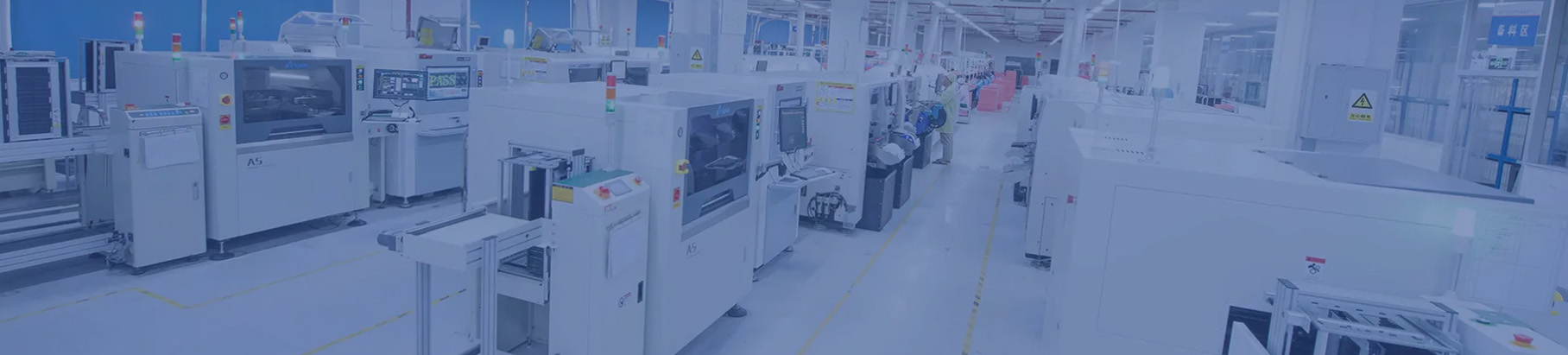
In electronics manufacturing, the complexity of product functions and users’ high reliability demands make testing a core element of quality assurance. A PCBA tester is not only a tool for verifying circuit function but also a crucial means of ensuring stable product performance and extending product life. From functional testing to comprehensive quality verification, PCBA testing is integrated into every critical stage of the manufacturing process, helping companies reduce risk, improve efficiency, and accelerate time to market.
Discover More About PCBA
In electronics manufacturing, PCBA (Printed Circuit Board Assembly) is the critical bridge between circuit design and the final product. As electronic products continue to advance towards higher quality, higher performance, smaller size, and greater functionality, the quality and reliability of PCBAs directly determine product stability and market competitiveness. After component placement and soldering, a PCB is transformed into a PCBA. This process is not only a core step in the manufacturing process but also a crucial step in ensuring the successful implementation of the product. To ensure performance in real-world environments, PCBAs must undergo comprehensive and rigorous functional and performance testing after assembly.
What is PCBA tester?
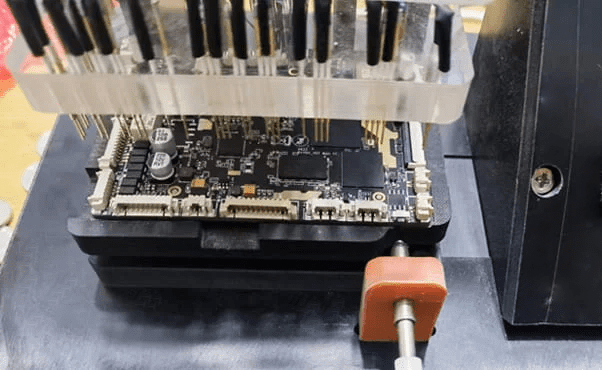
PCBA tester is the process of verifying the electrical performance and functional functionality of a circuit board after component placement and soldering. During mass production, due to potential factors such as equipment performance and operator input, it’s impossible to guarantee that every PCB will be a qualified product. Therefore, after PCB assembly is complete, testing equipment is required to ensure that the actual circuit functionality and various parameters conform to design requirements.
Different from basic visual inspections and electrical continuity tests, PCB assembly testing not only verifies the installation of components on the PCB but also includes product performance testing. PCBA testing covers the operational functionality of the entire circuit board, effectively identifying potential design flaws, soldering issues, or component failures, ensuring that the PCBA meets established performance standards and application requirements before delivery. This step not only improves product consistency and reliability but also significantly reduces the risk of subsequent maintenance and rework.
Through testing methods that simulate real-world scenarios, manufacturers can ensure that the PCBA is fully functional and highly reliable before market release.
Understanding pcba tester Principles
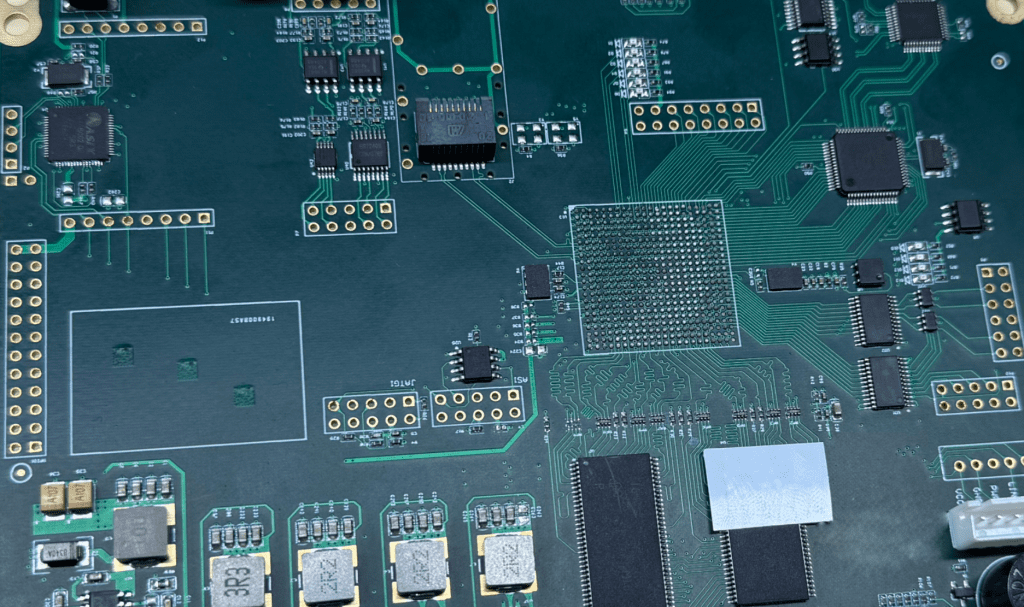
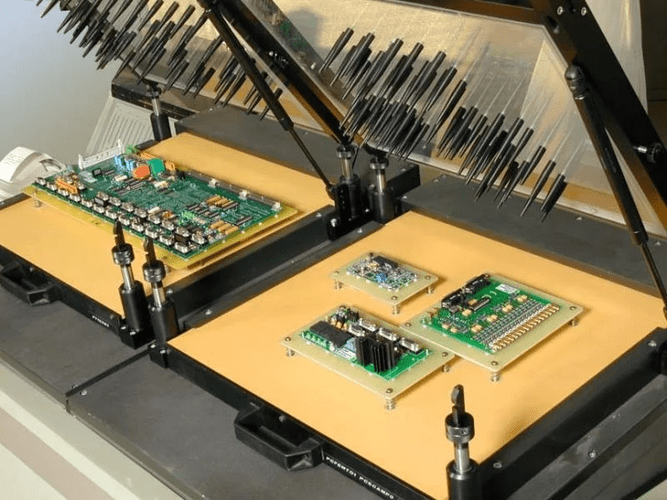
PCBA testing is primarily performed using an FCT (functional test) test bench. During testing, the test points on the PCBA form a complete circuit path with the test bench, which is then connected to a computer and a programmer to upload the MCU program to the circuit board. This program captures and responds to user inputs (such as pressing a switch for 3 seconds) and uses calculations to control the operating states of peripheral circuits, such as flashing LEDs and rotating motors.
During testing, engineers use the FCT test bench to monitor the voltage and current between test points in real time and verify that these input and output operations conform to design expectations. This method fully verifies the PCBA’s electrical performance and functional logic, ensuring that the circuit boards meet stable and reliable quality standards before delivery.
PCB Assembly tester Stages
Different application scenarios place significant differences in PCBA requirements. Consumer electronics emphasize high-speed signal processing, automotive electronics prioritize long-term stability, and medical devices must meet stringent safety standards. Customized PCBA tester solutions have emerged to address these needs:
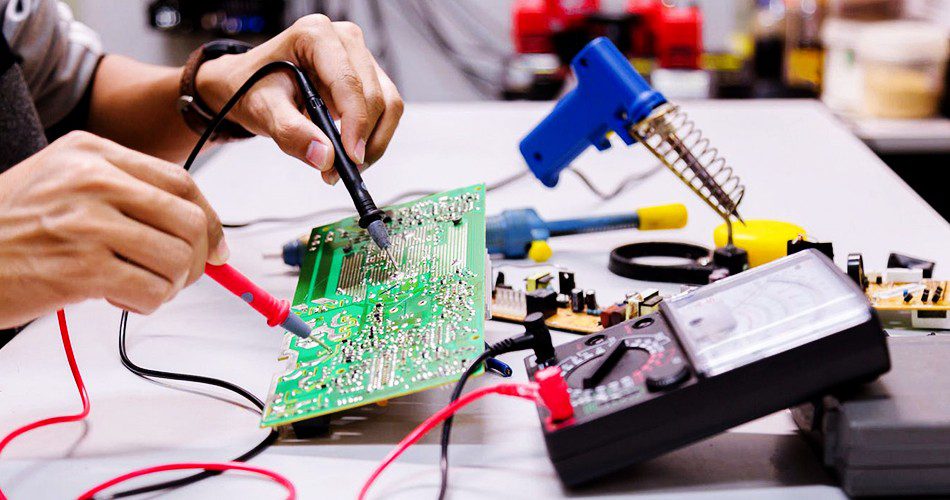
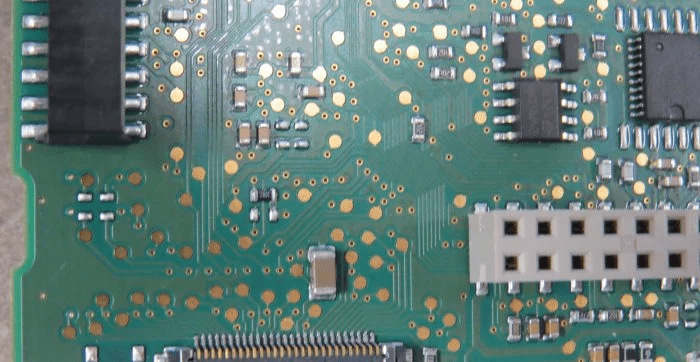
Manufacturing process inspection: The first line of defense for ensuring PCBA processing quality, solder paste inspection is performed after assembly. This primarily checks the volume, area, and thickness of solder paste printed on the PCB to identify solder joint defects. Optical inspection then verifies correct component placement, polarity, and the presence of missing or mismatched parts. This is a very effective screening method in production. X-ray inspection is primarily used to check the quality of solder joints in packages like BGAs and QFNs, which are not directly visible. It is particularly important for high-density PCBA quality inspection.
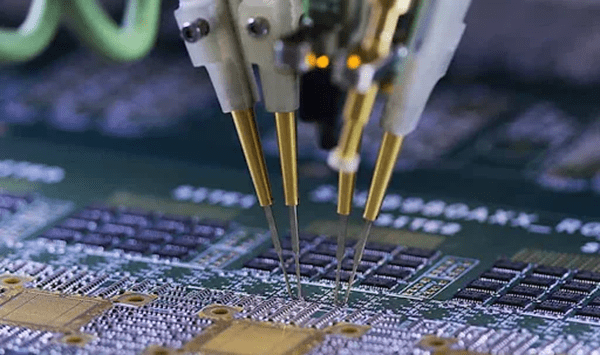
In addition to this inspection, there is also flying probe testing, which utilizes multiple movable probes and eliminates the need for expensive bed-of-nails fixtures. This inspection method is particularly suitable for prototyping, small-batch production, or PCBAs with insufficient test points for ICT. While testing speed is slower than ICT, it offers greater flexibility. These diverse pcba tester methods can help customers achieve optimal product performance and compliance across various production stages and application areas.
Custom PCBA Tester Solutions
PCBA tester is a critical step in the electronics manufacturing process, impacting not only production efficiency but also product reliability and user experience. In practice, different industries and customers often have varying test solution requirements, making customized PCBA tester solutions particularly important.
PCBA functional diversity and integration: Modern consumer electronics pursue thinness and diverse functionality, resulting in PCBAs often integrating complex processors, memory chips, wireless communication modules, and various sensor interfaces within a limited space. This high level of integration improves product performance, but also increases test coverage and troubleshooting challenges. Customized test solutions can perform specialized verification on specific circuits and modules to ensure that all functions are functioning properly.
Product Lifecycle: In a highly competitive market, new product iterations are occurring at an extremely rapid pace. Test solutions must be highly flexible and scalable, enabling rapid development and deployment, and quick adaptation to different PCB models. This not only shortens test system setup time but also helps companies maintain a competitive advantage in R&D and mass production.
Reliability requirements: While consumer electronics may not meet the same stringent environmental requirements as military or automotive electronics, users still expect their equipment to operate stably and over the long term. Customized pcba tester effectively eliminate potential quality risks through rigorous functional tester, durability verification, and early failure screening, ensuring that products can withstand the test of time and environment in daily use.
Ensuring PCBA Tester Quality and Efficiency
A PCBA tester is more than just a testing tool; it’s also a quality control “gatekeeper.” Improving test efficiency through specialized tester processes is crucial for reducing costs and shortening delivery times. Key strategies include:
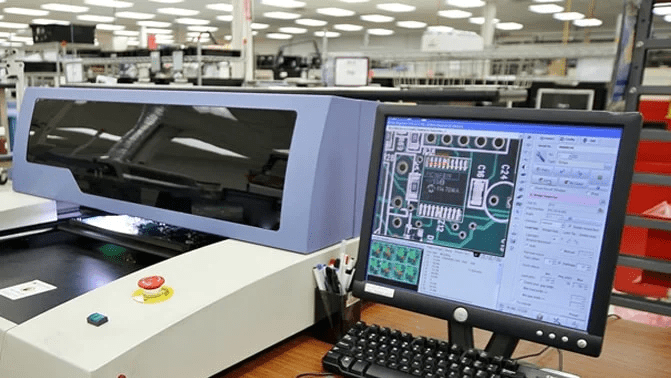
Test method optimization and automation: Traditional testing methods, such as manual visual inspection, are inefficient and prone to errors. Today, PCBA production processes utilize automated testing. For example, ICT can quickly detect short circuits and component soldering issues on PCB, allowing for timely production adjustments. For high-volume production, automated testing not only significantly increases testing speed but also reduces human error and ensures consistency.
Production data traceability: An efficient testing process requires robust data support. Therefore, detailed data should be recorded at every test step, including test time, tester, test results, and the handling of defective products. This data should be linked to the product’s unique serial number to form a complete traceability chain. When quality issues arise, data can be quickly traced back to the specific production batch and testing step, allowing for rapid identification of the problematic product and targeted improvements.
Improvement Mechanism: Testing processes are constantly evolving as production progresses. Thintry’s testing department is establishing a high-quality feedback mechanism. When problems are discovered, such as recurring defects, they are promptly reported to the SMT placement department or upstream production. By analyzing test data, they can pinpoint process issues and implement targeted improvement plans.
For manufacturing companies, PCBA testers are not only a tool for ensuring factory quality but also a crucial tool for improving production quality and efficiency.
Is Your PCBA Fully Tested and Verified?
What types of PCBAs require testing? In a highly competitive market, quality has become a critical factor in determining product success. PCBA testing can help uncover issues that might be missed by manual inspections. Circuit board manufacturers and assemblers use testing to ensure product quality.
PCB testing can help engineers identify potential design errors and defects in the manufacturing process, including assembly issues. This can save customers time and money by eliminating the need for subsequent rework. It also ensures product readiness and provides comprehensive insight into the PCBA’s operation. Boards that pass testing are guaranteed to function as intended.
PCBA Tester Expertise and Cutting-Edge Technology
Leveraging years of industry experience and cutting-edge inspection technologies, Thindry provides customers with comprehensive and efficient testing support:
Precision Inspection: Automated Optical Inspection (AOI) and Automated X-ray Inspection (AXI) accurately identify soldering defects, component misalignment, and potential hazards, ensuring consistent assembly quality.
Intelligent Data-Driven: Leveraging an intelligent data analysis system, Thindry tracks test results in real time, continuously optimizes production processes, and helps customers improve yield and efficiency.
Flexible Customization: Test solutions can be quickly adjusted and configured based on specific product characteristics and iteration requirements, supporting diverse application scenarios from R&D to mass production.
Advanced Equipment and Professional Team: Combining industry-leading inspection equipment with extensive engineering experience, Thindry provides customers with highly reliable and scalable testing solutions.
Comprehensive PCBA Testing Services and Capabilities
Thindry boasts comprehensive PCBA testing capabilities and services, supporting customers from prototype verification to mass production, ensuring every circuit board meets the highest standards:
High-speed signal integrity analysis and functional verification: Ensure high-speed interfaces and complex circuits operate stably in real-world applications.
Electrical safety and long-term reliability testing: Through rigorous testing, potential production issues are identified early, enhancing product safety and longevity.
Automated aging and environmental stress testing: Simulate harsh operating environments such as high temperature, high humidity, and vibration to ensure PCBA reliability under rigorous conditions.
Specialized testing required for industry certification: Meet the stringent production standards of industries such as medical, automotive, and communications, ensuring rapid certification.
Whether your product is in R&D, pilot production, or mass production, Thindry provides professional testing services to ensure every PCBA meets the highest standards, helping customers maintain a competitive edge in the market.
0 Comments