



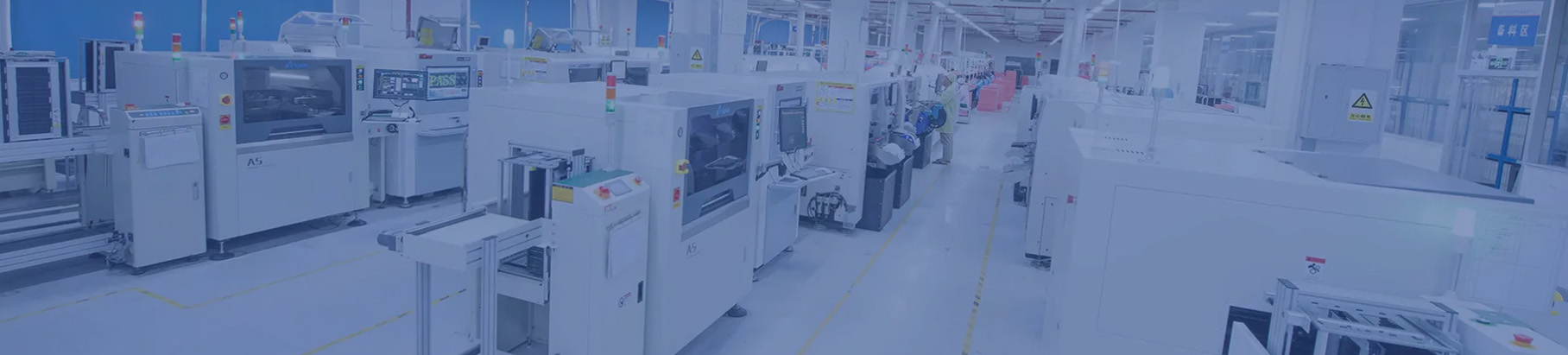
Aluminum PCB, as a crucial component in modern electronics, plays a vital role in heat dissipation and circuit connectivity. This guide covers all essential aspects of Aluminum PCB, providing detailed insights for engineers, manufacturers, and enthusiasts.
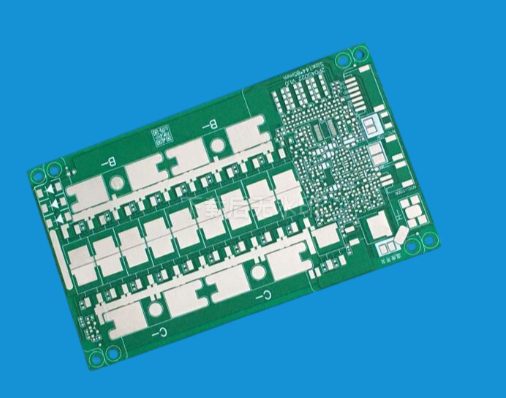
What is an aluminium PCB?
Aluminum PCB (Aluminum Printed Circuit Board) is a special type of printed circuit board with an aluminum alloy base. Its core structure consists of a “circuit layer – insulating layer – aluminum base layer” composite, with efficient heat dissipation as its core advantage, distinguishing it from traditional FR-4 substrates (fiberglass base with poor heat dissipation). It is designed to solve the heat dissipation problem of high-power electronic components (such as LEDs and power chips), preventing performance degradation or failure due to overheating.
How do aluminum PCBs work?
The core working principle of Aluminum PCB is “rapid heat conduction and diffusion”, with the specific path as follows:
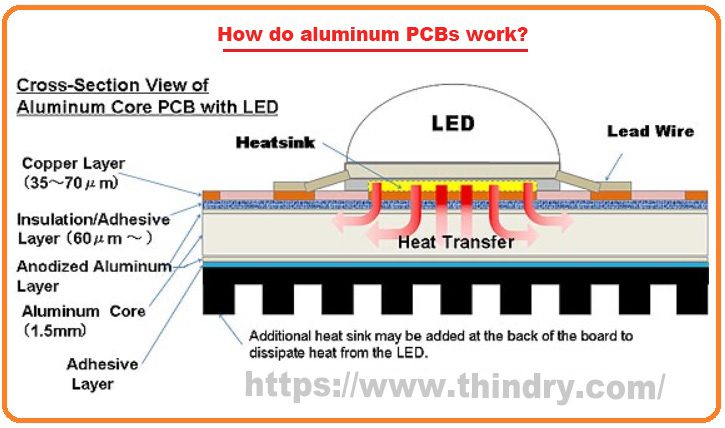
When electronic components (such as LED chips and power tubes) work, they generate heat, which is transferred to the circuit layer (copper foil) through solder;
The heat is conducted through the copper foil to the insulating layer (which must have high thermal conductivity and insulation properties);
The insulating layer efficiently transfers the heat to the aluminum base layer (the thermal conductivity of aluminum alloy is 10-100 times that of FR-4);
The aluminum base, as a heat dissipation carrier, quickly diffuses the heat to the entire board surface, and finally dissipates it to the environment through natural convection, heat sinks, or fans, completing the heat dissipation cycle.
In short, Aluminum PCB significantly reduces the operating temperature of components through the heat conduction path of “component → copper foil → insulating layer → aluminum base → external environment”, ensuring their stability.
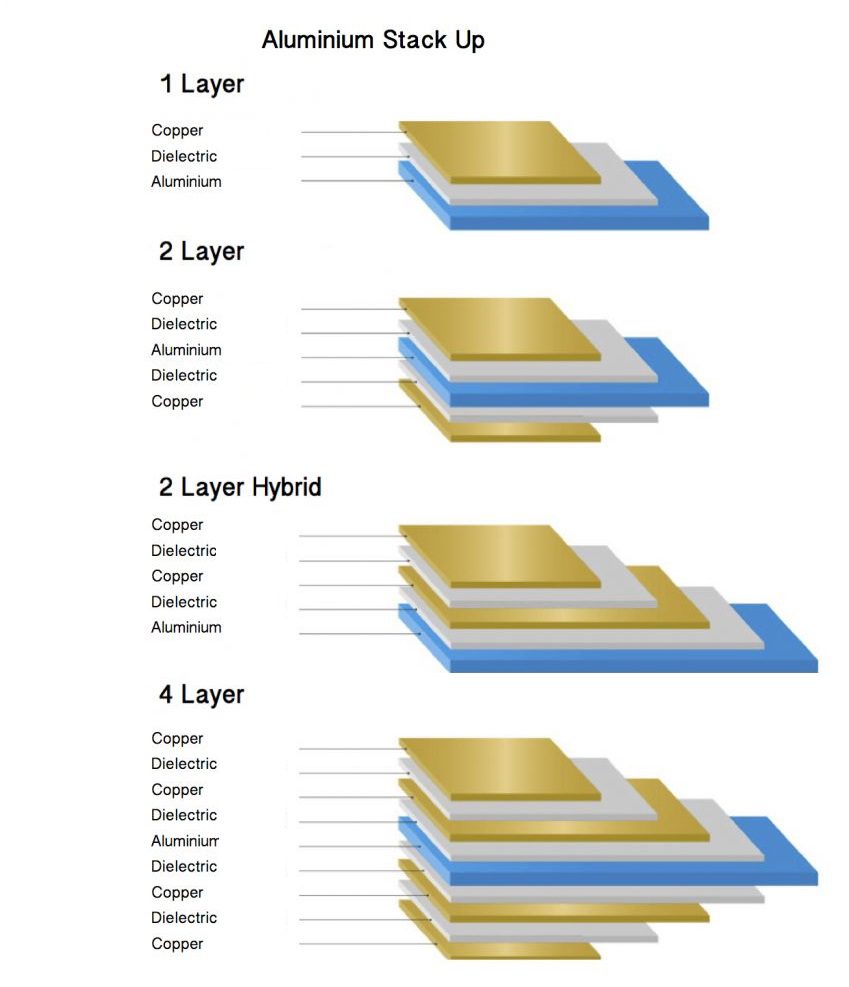
Aluminum PCB Stackup
Aluminum PCB usually has a three-layer composite structure, and some complex models include auxiliary layers. The functions of each layer are as follows:
Layer |
Material Composition |
Core Function |
Circuit Layer (Surface) |
Electrolytic copper foil (1oz/2oz/3oz) |
Realizes circuit connection, conducts current, and serves as the first path for heat conduction (copper thermal conductivity ~401W/(m·K)) |
Insulating Layer (Middle) |
Thermally conductive insulating materials (such as epoxy resin, polyimide) |
Insulation (prevents short circuit between copper foil and aluminum base) + heat conduction (transfers heat), which is the core functional layer |
Base Layer |
Aluminum alloy sheet (such as 1060, 3003) |
Carries the circuit layer and insulating layer, and serves as the main heat dissipation body, using high thermal conductivity to diffuse heat |
Auxiliary Layers |
Solder mask layer, silkscreen layer |
The solder mask layer protects the copper foil from oxidation/short circuit; the silkscreen layer identifies component positions and parameters |
What are the advantages of aluminum PCB?
Efficient Heat Dissipation: The thermal conductivity of aluminum base (10-237W/(m·K)) is much higher than that of FR-4 (0.2-0.3W/(m·K)), suitable for high-power components.
High Mechanical Strength: Aluminum alloy base is impact-resistant and bend-resistant, more durable than FR-4, suitable for outdoor/vibration environments (such as automotive electronics).
Lightweight: The density of aluminum (2.7g/cm³) is lower than that of steel, making it lighter than traditional metal substrates.
Electromagnetic Shielding: Aluminum base can absorb electromagnetic interference (EMI), reducing signal interference.
High Temperature Resistance: Insulating layer materials (such as polyimide) can withstand temperatures above 200℃, adapting to high-temperature working scenarios.
Cost Balance: Lower cost than ceramic substrates (high thermal conductivity but brittle), slightly higher than FR-4, with excellent cost performance.
What are aluminum PCBs used for?
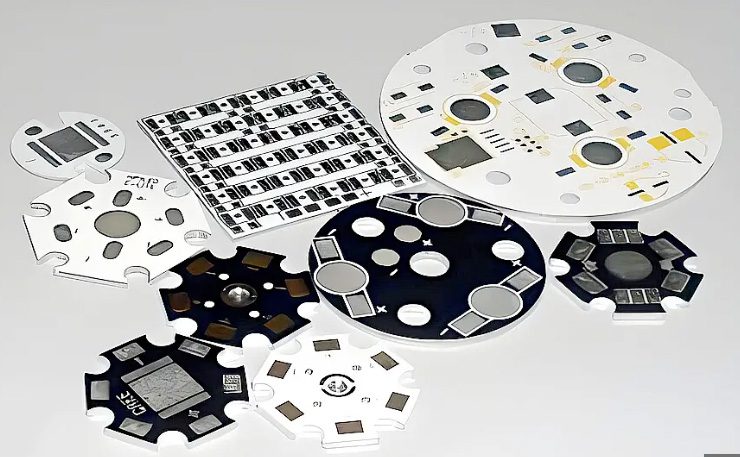
LED Lighting: Light boards for LED lamp beads (such as COB, SMD) (high heat dissipation requirements).
Power Modules: Power PCBs for switching power supplies, inverters, and chargers (heat dissipation for MOS tubes and transformers).
Automotive Electronics: Vehicle LED headlights, engine control modules (ECU), car chargers.
Communication Equipment: Heat dissipation PCBs for base station power supplies and radio frequency modules.
Medical Equipment: Power control boards for ultrasonic instruments and laser equipment.
Aluminum pcb manufacturing process
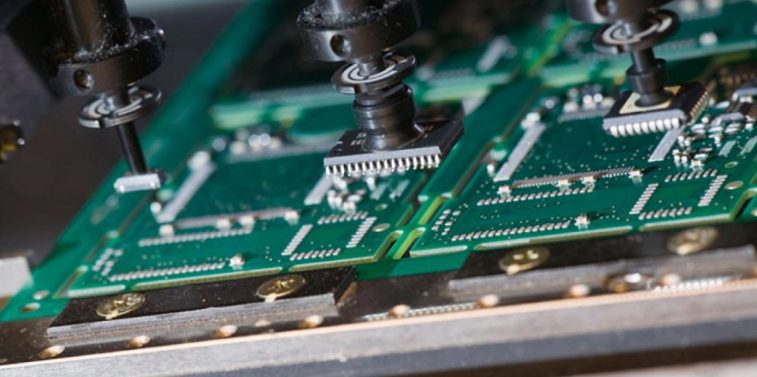
Aluminum pcb manufacturing process
Step 1: Substrate Pretreatment
The surface of the aluminum substrate is degreased to remove oil stains and impurities, and then sandblasted to increase roughness and activate surface activity, thereby improving the bonding force with the insulating layer.
Step 2: Insulating Layer Coating / Lamination
Liquid thermally conductive insulating materials (such as epoxy resin) are evenly coated on the aluminum base, and cured to form an insulating layer; or prepreg insulating films are used for hot pressing with the aluminum base and copper foil to ensure close bonding between the insulating layer and the base.
Step 3: Circuit Pattern Transfer
Photoresist is coated on the surface of the copper-clad laminate (aluminum base + insulating layer + copper foil), exposed using an ultraviolet exposure machine, and then the unexposed photoresist is dissolved through development to accurately form the circuit pattern.
Step 4: Etching
The copper foil not protected by photoresist is corroded using an acidic etching solution (such as ferric chloride solution) to remove excess copper foil, leaving only the required circuit pattern.
Step 5: Drilling
According to design requirements, via holes are drilled to connect multiple layers of circuits for electrical conduction; or mounting holes are drilled for fixing electronic components.
Step 6: Surface Treatment
Processes such as gold plating and tin spraying are used to enhance the solderability of the pads; a solder mask layer is applied to protect the copper foil from oxidation and prevent short circuits; silkscreen technology is used to identify component information for easy assembly and maintenance.
Step 7: Forming and Testing
Forming: Stamping or milling processes are used to cut the PCB to the design size to meet the product shape requirements.
Testing: Strictly test key indicators such as conductivity, insulation resistance, and heat dissipation performance of the aluminum PCB to ensure product quality meets standards.
Step 8: Packaging and Storage
Qualified aluminum PCBs after testing are cleaned, antistatically packaged, labeled, and stored in categories, waiting for shipment or subsequent processing.
What is aluminum PCB material?
Common Models and Corresponding Parameters of Aluminum PCB
Aluminum PCB models are usually named by the combination of aluminum base, insulating layer, and copper foil. The following are common models and their applicable scenarios:
1060-EP-1oz Type
Aluminum Base: 1060 pure aluminum (99.6% aluminum content), thermal conductivity 237W/(m·K), with excellent heat dissipation performance.
Insulating Layer: Epoxy resin (EP), temperature resistance 120-150℃, thermal conductivity 0.8-1.5W/(m·K).
Copper Foil: 1oz (35μm) thickness.
Application Scenarios: Suitable for medium and low-power LED lighting and small heat dissipation modules.
3003-PI-2oz Type
Aluminum Base: 3003 aluminum-manganese alloy (containing 1.2-1.8% manganese), with high strength and thermal conductivity 155W/(m·K).
Insulating Layer: Polyimide (PI), temperature resistance 200-260℃, thermal conductivity 1.0-3.0W/(m·K).
Copper Foil: 2oz (70μm) thickness.
Application Scenarios: Commonly used in automotive electronic control modules and industrial high-temperature equipment.
5052-PI-3oz Type
Aluminum Base: 5052 aluminum-magnesium alloy, with excellent mechanical strength and thermal conductivity 138W/(m·K).
Insulating Layer: Polyimide (PI), with outstanding high-temperature resistance.
Copper Foil: 3oz (105μm) thickness, capable of carrying large currents.
Application Scenarios: Suitable for harsh environments such as outdoor communication base stations, aerospace, and military industries.
Process Classification of Aluminum PCB
By Insulating Layer Type:
Epoxy Resin Type (EP Aluminum PCB): Low cost, medium heat dissipation, mainstream for civil use (such as LED lighting).
Polyimide Type (PI Aluminum PCB): High temperature resistance, high heat dissipation, used in industry/military.
Silicone Type: Good flexibility (bendable), suitable for curved devices (such as car taillights).
By Structure:
Single-sided Board: Only one side has circuits, low cost, mainstream application (such as LED light boards).
Double-sided Board: Both sides have circuits (need via holes for connection), suitable for complex circuits (such as power modules).
By Process Method:
Coated Type: Liquid insulating materials are directly coated, suitable for small-batch customization.
Laminated Type: Prepreg insulating films are hot-pressed with aluminum base and copper foil, suitable for mass production.
Design Guidelines for Aluminum PCB
Heat Dissipation Design:
Increase the copper foil area (the pads of power components should be as large as possible to fully contact the aluminum base).
Add heat dissipation vias (connect copper foil and aluminum base, the insulating layer at the vias needs to be removed to enhance heat conduction).
Selection of aluminum PCB thickness: When the power is >50W, the thickness of the aluminum base should be ≥1.0mm (1.2-2.0mm is recommended).
Mechanical Design:
Avoid sharp edges of the aluminum PCB (easy to scratch), and round the corners (R≥0.5mm).
The spacing of the fixing holes should match the heat sink to ensure tight installation (reduce contact thermal resistance).
Circuit Design:
High-power components (such as MOS tubes) are close to the edge of the aluminum PCB (shorten the heat dissipation path).
Separate signal lines and power lines (avoid EMI interference).
Insulation Design:
The thickness of the insulating layer is ≥50μm (≥100μm for high-voltage scenarios), ensuring that the breakdown voltage is >AC 2500V.
FAQ of Aluminum PCB
Poor Heat Dissipation:
Causes: Low thermal conductivity of the insulating layer (such as using inferior epoxy resin); insufficient thickness of the aluminum base; poor contact of the heat sink (with gaps).
Solutions: Replace with a high thermal conductivity insulating layer (such as PI); increase the thickness of the aluminum base; apply thermal silicone grease (fill the gaps of the heat sink).
Insulation Failure (Short Circuit):
Causes: Scratches/damage to the insulating layer; residual copper slag after etching (not cleaned).
Solutions: Strengthen process control (such as cleaning after etching); increase insulation spacing in design (≥0.2mm).
Aluminum PCB Deformation:
Causes: Excessively high temperature during processing (such as pressing temperature exceeding the annealing temperature of the aluminum base); uneven force (such as over-tight fixing holes).
Solutions: Control the pressing temperature (≤180℃); adopt a symmetrical design (reduce stress).
Pad Peeling:
Causes: Insufficient bonding force between copper foil and insulating layer (inadequate substrate pretreatment); excessively high welding temperature (exceeding 260℃).
Solutions: Strengthen aluminum substrate sandblasting; control welding temperature (≤250℃, time ≤5s).
0 Comments