



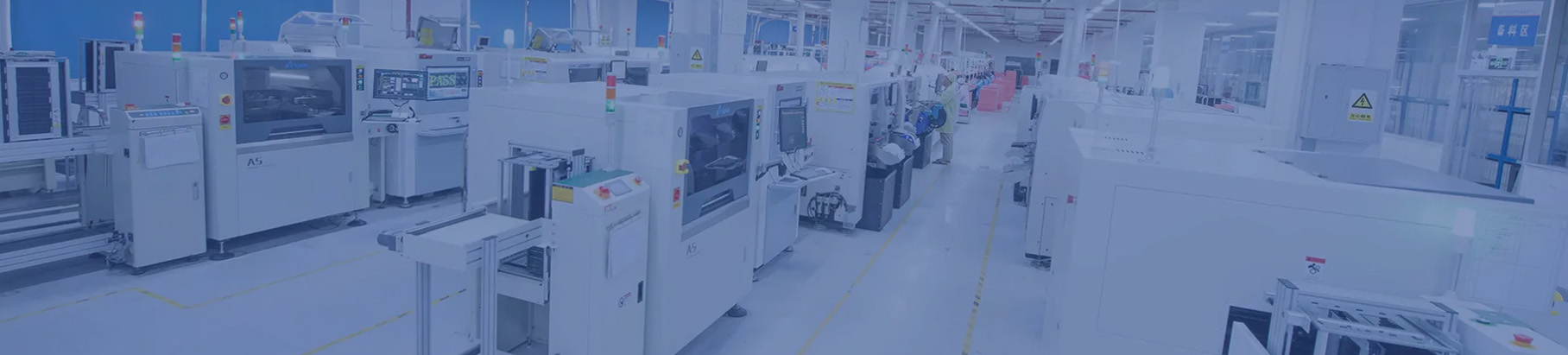
In the PCB manufacturing process, PCB testing equipment is a core element in ensuring product quality. As a professional manufacturer specializing in multilayer and high-precision PCB, Thindry consistently regards testing capabilities as crucial to quality control and has built a comprehensive quality system encompassing technology, processes, quality, and delivery.
To ensure customers receive more stable and reliable circuit boards, Thindry deploys various types of professional testing equipment on its production lines, including flying probe testers, in-circuit test systems (ICT), automated optical inspection (AOI), and X-ray inspection systems. These devices can accurately identify potential defects such as open circuits, short circuits, poor solder pads, and misaligned vias at an early stage, quickly pinpointing problems before they enter subsequent processes, significantly improving yield and consistency.
When manufacturing high-layer, high-density PCB, testing capabilities become even more critical in determining whether products can meet the requirements of high-end applications such as 5G communications, server motherboards, automotive electronics, and AI computing devices. Advanced PCB testing equipment ensures that all critical electrical performance indicators consistently meet standards, thereby avoiding rework, returns, and reputational damage caused by latent defects.
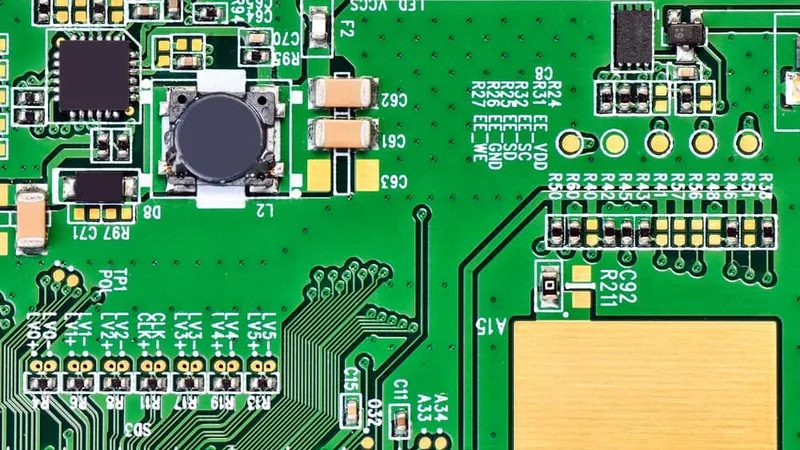
PCB Testing and Test Analysis
In the electronics manufacturing industry, PCB testing and test analysis are closely related yet distinct processes:
Similarities: Both are crucial to the PCB manufacturing process, ensuring the final product meets quality and functional standards.
They involve using various methods and techniques to evaluate the performance and reliability of printed circuit boards.
Both aim to identify and correct any problems or defects in the PCB to ensure its proper functioning.
Differences:
PCB testing focuses on the physical testing of the PCB using methods such as In-Circuit Testing (ICT), Flying Probe Testing, and Functional Testing (FCT). It involves applying stimuli to the board and measuring its response to verify its performance.
On the other hand, test analysis involves interpreting test results, aiming to diagnose and understand the root causes of any faults or anomalies discovered during testing. Its goal is to provide insights for process improvement and quality enhancement.
PCB testing emphasizes hands-on practice, requiring direct interaction with the PCB. Test analysis, on the other hand, focuses more on analysis and strategy, requiring the interpretation of data and decision-making based on test results.
PCB testing is typically performed by technicians and engineers on the production line, while test analysis may involve specialized teams or individuals with expertise in data analysis and problem-solving.
In summary, PCB testing is the physical evaluation of a PCB. Meanwhile, test analysis involves interpreting and evaluating the test results to improve manufacturing processes and product quality.
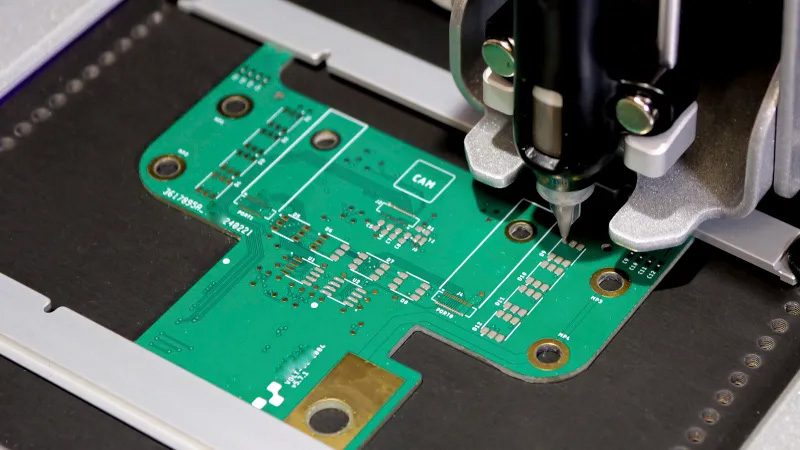
The Importance of PCB Testing
For electronics designers, the biggest fear is discovering long-hidden design flaws only in the final stages of a project. Even with rigorous design and manufacturing, various potential problems can still surface during the prototype stage, forcing engineers to invest significant time in troubleshooting. If these issues are only discovered after the product’s market launch, it not only impacts user experience but can also lead to costly rework and even brand risk.
Therefore, comprehensive electronic product testing is crucial, especially for the PCB, the core component. Systematic PCB testing can effectively prevent open circuits, short circuits, functional malfunctions, and many other problems, ensuring stable and reliable product quality before mass production and market entry. To further understand how PCB testing helps improve product quality, it’s essential to first understand the significance of PCB testing and its commonly used testing methods.
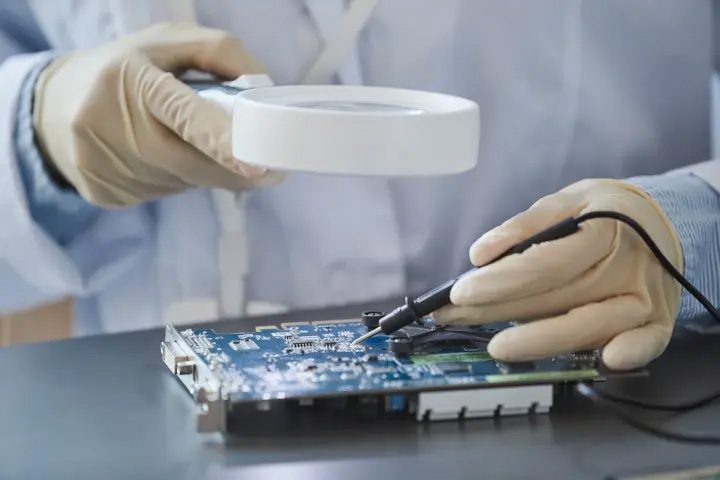
How to test a PCB board
PCB are composed of various electronic circuit components, the quality of which directly affects the overall performance of electronic products. Therefore, during the testing phase, a comprehensive evaluation of the PCB is necessary, combining software analysis, electronic testing equipment, tooling fixtures, and manual inspection. Common inspections include, but are not limited to, the following:
Electrical Performance Testing: Verifying continuity, detecting short circuits and open circuits, and measuring key parameters such as leakage current.
Hole Wall Quality Inspection: Assessing the uniformity and integrity of via plating to avoid breakage or voids.
Mechanical Strength Testing: Testing the PCB bending resistance, compressive strength, and overall structural stability under external forces.
Soldering Quality Verification: Checking solder joint wettability, solder uniformity, and soldering reliability.
Copper Plating Tensile Testing: Assessing copper foil adhesion to ensure no delamination or cracking occurs under tensile conditions.
Cleanliness and Environmental Stability Testing: Detecting PCB surface residues, weather resistance, humidity sensitivity, and corrosion resistance.
Component Assembly Inspection: Confirming component alignment accuracy, polarity correctness, positional deviations, and mounting orientation.
Lamination performance testing: Verifies the peel strength of the lamination material under heat and pressure conditions, and assesses its long-term reliability.
For PCB that may operate in humid or high-temperature environments, environmental testing is particularly critical to ensure that they maintain reliable performance under humidity, temperature variations, and corrosive conditions.
Challenges of PCB Testing
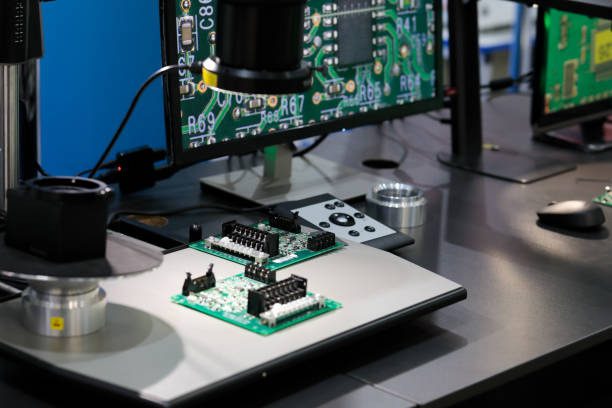
After PCB production, PCB testing, while crucial, also presents multiple challenges:
- Increasing Design Complexity:
As PCB components become smaller and more compact, test points become harder to access, increasing the risk of missed tests.
- High Equipment and Operating Costs:
High-end testing equipment (such as ATE and X-ray inspection systems) is expensive, and maintenance costs are also high; rework due to test failures further increases overall production costs.
- Test Speed Limits Production Capacity:
Programming and debugging ATE systems requires significant time, easily creating production bottlenecks in multi-model, high-volume production environments.
- Test Accuracy is Affected by Multiple Factors:
Even with precision equipment, testing errors can occur due to calibration deviations, software malfunctions, or operational mistakes.
- Pressure from Rapid Technological Iteration:
The continuous emergence of new components and technologies requires continuous optimization of testing processes and constant equipment updates, which also means that companies need to continuously invest in training and upgrades.
PCB Testing and Assembly
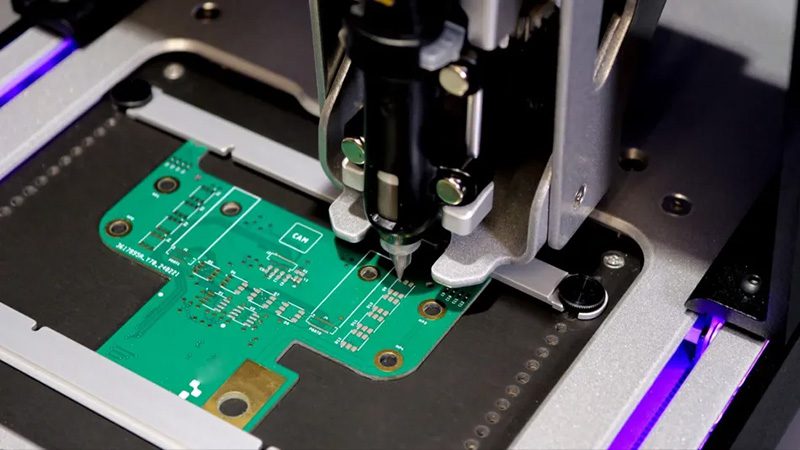
After PCBA completion, establishing a stable and efficient production process is crucial. Thindry provides end-to-end support from PCBA testing to complete system assembly through a comprehensive testing system. PCBA testing verifies the proper soldering and circuit functionality, while subsequent system assembly involves installing the PCB into the housing or integrating multiple PCB into a complete unit. To ensure the reliability of the final product, end-of-line (EOL) testing performs a final check before the product leaves the factory.
To improve efficiency and reduce production waste, Thindry incorporates lean manufacturing principles into its testing process, optimizing cycle time and reducing handling and waiting time to make production more continuous and fluid. Integrating PCBA testing and EOL testing into the same balanced workstation is a proven practice for improving efficiency: operators can complete finished product packaging while testing the next PCB, achieving process synchronization and improving resource utilization.
With mature process configurations and professional testing experience, Thindry helps customers build a more efficient and reliable production system, ensuring stable and controllable operation at every step from product assembly to delivery.
What is the best testing method?
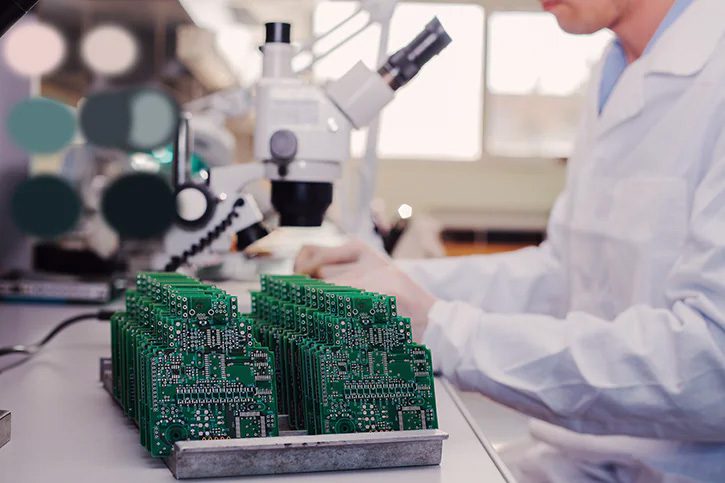
Developing a sound testing strategy early in product development is crucial. It determines which testing methods should be used subsequently, such as Automated Optical Inspection (AOI), In-Circuit Testing (ICT), or functional testing. The specific method chosen depends on the complexity of the PCB design, component types, the number of available test points, and the required test coverage. In many cases, multiple methods are combined to ensure reliable results.
- AOI/Visual Inspection:
AOI is a vision-based inspection method, encompassing both manual and automated optical inspection. It effectively identifies visual issues such as missing components, rotation, misalignment, and abnormal solder joints. It can also detect fundamental electrical defects such as short circuits and open circuits, making it an indispensable part of most PCB manufacturing processes.
- ICT:
ICT is a widely used and highly standardized testing method suitable for quickly testing the electrical performance of passive components such as resistors, capacitors, and diodes. However, ICT relies on a large number of test points, limiting its use on small-sized PCBs with limited space. Furthermore, it cannot effectively test active components such as microcontrollers. In such cases, functional testing is usually the primary method, supplemented by a small amount of ICT to improve coverage.
- Functional Test:
Functional testing evaluates a circuit board’s ability to function properly at a higher level and is typically used for PCBs containing critical components such as integrated circuits, processors, and voltage regulators. To achieve a stable and efficient testing process, specially written test software is often run on the processor on the board to ensure more comprehensive functional verification.
Do you want to provide high-quality products?
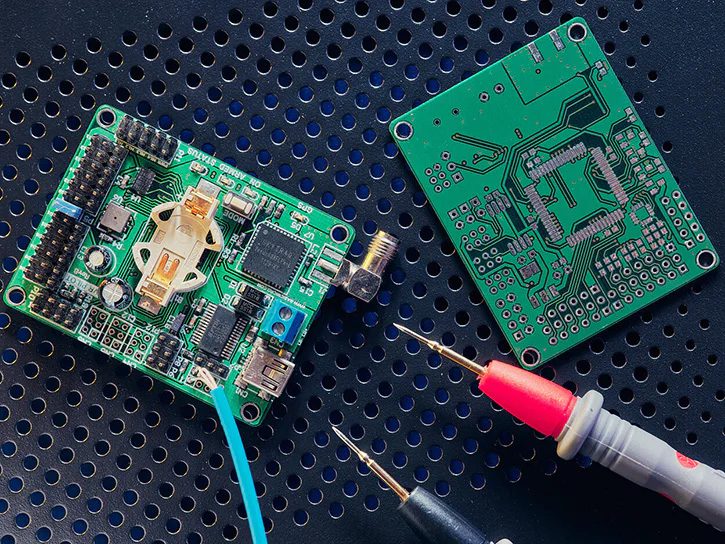
While prioritizing design and cost is important, remember that production testing is the last line of defense before a product is delivered to the customer. Without a reliable testing program, you could face hefty return costs, and worse, reputational damage.
At Thindry, we can assist you from the very beginning of your new product’s development—we can review your PCB design to ensure it’s testable.
How much you want to do yourself, and which parts you want us to handle, is entirely up to you.
FAQ
- Q1: What is PCB testing? Why is it so important?
PCB testing is the process of verifying the functionality and quality of printed circuit boards (PCBs) before they are put into use. Through testing, defects that may lead to product failure can be identified in advance, thereby ensuring the stability, safety, and lifespan of the final device.
- Q2: What are some common PCB testing methods?
Common testing methods include:
In-Circuit Testing (ICT)
Functional Testing (FCT)
Flying Probe Testing
Automated Optical Inspection (AOI)
X-Ray Inspection
Different methods are used to address different types of potential problems, and the selection or combination depends on the number of PCB layers, structure, and application scenario.
- Q3: How does PCB complexity affect testing?
As PCB designs become increasingly sophisticated, component sizes shrink, and density increases, the number of test points decreases, leading to increased testing difficulty and a higher risk of missed tests. These changes require more precise testing equipment and continuously upgraded testing strategies.
- Q4: What challenges are typically encountered in PCB testing?
Common challenges include:
Highly complex PCB designs
High costs of testing equipment and maintenance
Strict requirements for testing speed in mass production
The need for continuous improvement in testing accuracy
The continuous emergence of new technologies necessitates continuous updates to testing processes
- Q5: Can PCB testing be automated?
Yes. Especially in high-volume production environments, automated test equipment (ATE) can quickly and accurately perform multiple test tasks, significantly reducing the time and cost of manual testing and improving overall testing efficiency.
- Q6: What factors affect PCB testing costs?
Costs mainly depend on:
The complexity of the PCB design
The required testing methods and coverage
The number and batch size of products under test
The initial investment in testing equipment and subsequent maintenance costs
0 Comments