



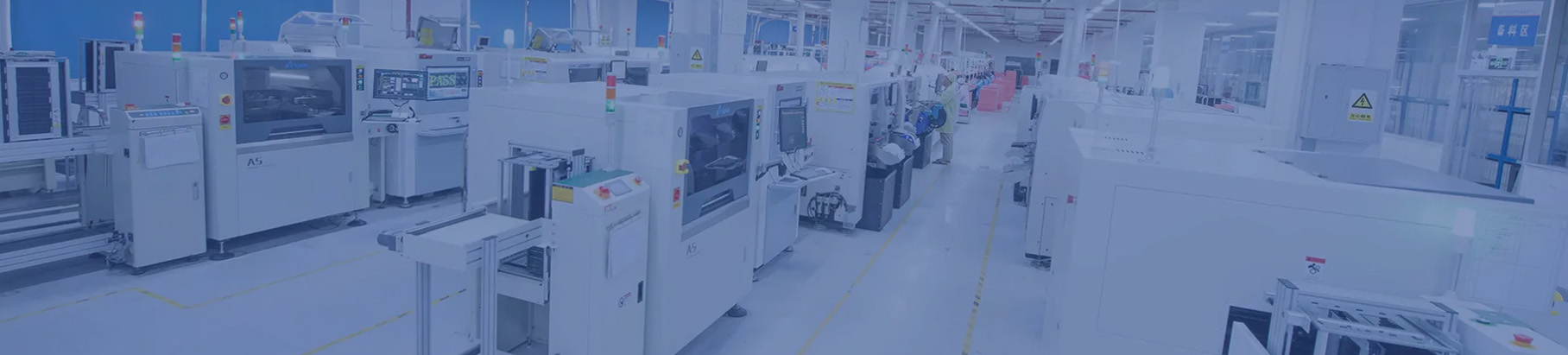
Epoxy is one of the most common and critical substrates in PCB manufacturing. It is renowned for its excellent thermal stability, mechanical strength, and electrical insulation, making it a vital material for ensuring reliable circuit board operation.
A major advantage of epoxy is its high glass transition temperature (Tg)—the critical temperature at which the material transitions from a rigid to a flexible state. Its Tg value can reach up to 300°C, effectively maintaining the dimensional stability of the board and preventing warping and deformation of the circuit board in high-temperature or alternating hot and cold environments.
Furthermore, epoxy has a low dielectric constant, meaning it has extremely low conductivity, making it a highly efficient insulator and helping to prevent signal interference and data loss. This characteristic is crucial for ensuring the integrity of high-speed signal transmission on PCBs.
What is PCB Epoxy?
PCB epoxy refers to the epoxy resin system used in printed circuit board manufacturing, playing a central role in lamination, bonding, and encapsulation.
During manufacturing, epoxy resin typically requires heating to achieve optimal mechanical and electrical properties. A dedicated epoxy heating plate is used to ensure the stability of the curing process.
These heating plates are typically made of highly thermally conductive materials such as aluminum or stainless steel, and their evenly distributed heating elements enable constant temperature heating and precise temperature control. With the help of an advanced temperature control system, the curing temperature and time can be adjusted according to the material characteristics to achieve optimal curing results and product consistency.
What are the components of PCB epoxy?
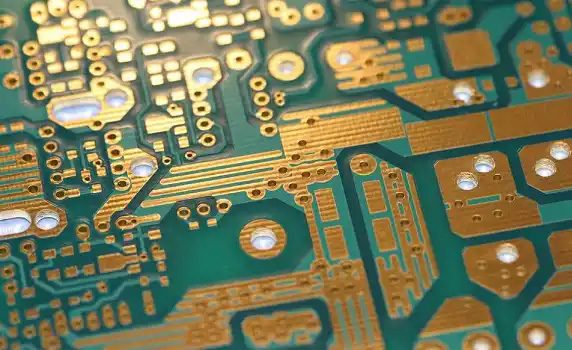
PCB epoxy resin mainly consists of five parts: resin matrix, curing agent, filler, additives, and reinforcing materials.
Epoxy Resin: As the main component, epoxy resin provides excellent adhesion, chemical stability, and electrical insulation properties. Common types include bisphenol A, bisphenol F, and modified epoxy resins.
Curing Agent: Used to promote the cross-linking reaction of epoxy resin, forming a robust and stable three-dimensional structure. Common curing agents include acid anhydrides, amines, and phenolic resins. Different types of curing agents directly affect the thermal stability and mechanical strength of the PCB.
Filler: Used to enhance the dimensional stability and thermal conductivity of epoxy resin. Common fillers include silica, alumina, and boron nitride. These inorganic fillers also effectively reduce the coefficient of thermal expansion of the material, preventing warping under high-temperature environments.
Additives: Include flame retardants, flow modifiers, and antioxidants, used to improve the processing performance and long-term stability of the resin system. Currently, halogen-free flame retardants are gradually replacing traditional halogen-containing compounds to meet environmental standards.
Reinforcement: The most common type is Fiberglass Cloth, which gives copper-clad laminates good mechanical strength and heat resistance, and is an important component of epoxy resin laminates.
By scientifically proportioning these components and laminating and curing them under high temperature and high pressure, the common FR-4 copper-clad laminate is formed. This material, with its high strength, excellent dielectric properties, and controllable cost, has become the mainstream choice in PCB manufacturing. As electronic devices develop towards miniaturization and high speed, epoxy resin formulations are also constantly being optimized to meet the demands of higher frequency and higher reliability applications.
What should be considered when manufacturing PCB epoxy?
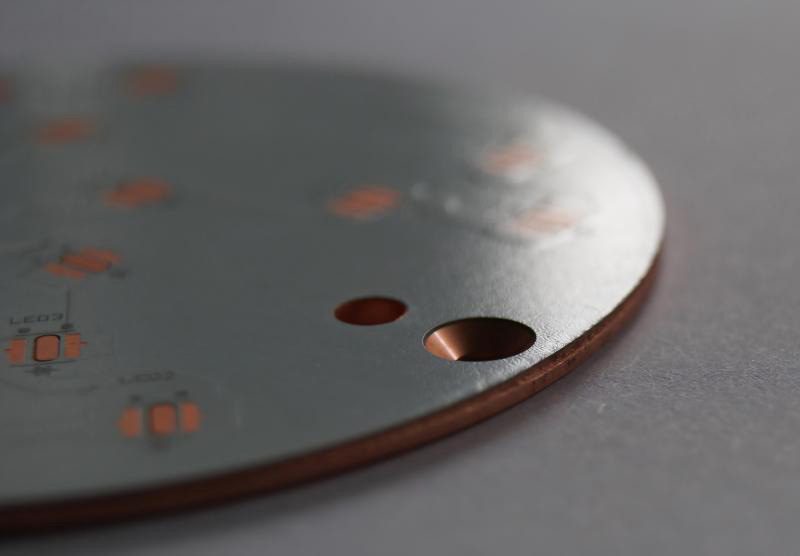
PCB circuit boards are widely used in electronic products, instruments, and computers, and are one of the most core basic components of electronic systems. To ensure the long-term stable operation of electronic equipment, a comprehensive consideration must be given to material selection, manufacturing type, and copper-clad laminate performance during the manufacturing process of PCB epoxy boards. The following are some key aspects to focus on when manufacturing PCB epoxy:
- 1. Determine the PCB Manufacturing Type
PCB circuit boards can be divided into three categories: single-sided boards, double-sided boards, and multilayer boards. Single-sided boards have a simple structure with conductive patterns only on one side of the substrate; double-sided boards have conductive layers on both sides and achieve electrical interconnection through metallized vias; while multilayer boards are composed of multiple layers of dielectric and conductive layers, suitable for high-precision, high-density electronic equipment. During the design and manufacturing stages, the PCB type should be rationally selected based on the product complexity and performance requirements to balance performance, cost, and reliability.
- 2. Rationally Select Substrate Materials
The substrate is crucial to the performance of the PCB epoxy board. Commonly used substrates include PI, epoxy, and PTFE. The choice of resin material determines the dielectric properties and thermal stability of the board material; while the reinforcing material (such as paper base or fiberglass cloth) affects its mechanical strength and dimensional stability. For example, FR-4 substrate is widely used in general electronic products due to its excellent insulation and heat resistance. Manufacturers should select appropriate resin systems and reinforcing materials based on the application environment (such as high frequency, high temperature, or flexibility requirements).
- 3. Non-Electrical Performance Indicators of Copper Clad Laminates
The quality of copper clad laminates directly affects the performance and reliability of the finished PCB. Besides electrical performance, its non-electrical performance indicators are equally crucial, including peel strength, compressive strength, dimensional stability, heat resistance, and solderability. These characteristics determine the stability of the PCB during processing, assembly, and long-term use. Selecting high-quality, well-balanced copper clad laminates can effectively prevent problems such as delamination, warping, or cracking during later soldering.
In conclusion, manufacturing PCB epoxy boards is not merely a simple process, but a systematic engineering project with extremely high requirements for material, structural, and process precision. Only by fully considering the manufacturing type, substrate selection, and copper clad laminate performance in the early design stages can we ensure that the product possesses good electrical performance, mechanical strength, and environmental adaptability, laying a solid foundation for subsequent electronic assembly and applications.
Types of Epoxy Resins for PCB
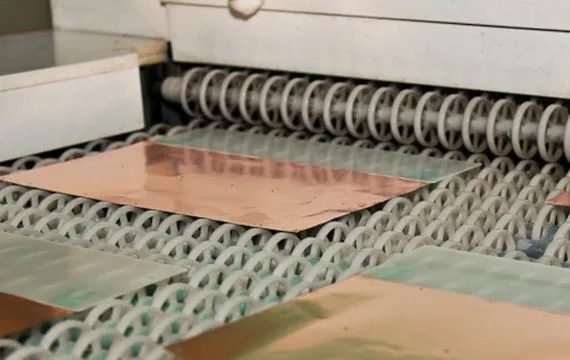
In PCB manufacturing and protection, different types of epoxy resins are widely used in various scenarios based on their performance characteristics. The following are some common epoxy resin types and their characteristics:
1. Polyurethane: Polyurethane epoxy resins combine high toughness with good flexibility, providing excellent wear and impact protection for PCB. Their elastic structure makes them ideal for circuit board applications requiring both mechanical strength and cushioning.
2. Silicone: Silicone-based epoxy resins are known for their excellent high and low temperature resistance and moisture resistance, maintaining stable performance in extreme environments. They are highly suitable for high-reliability PCB applications such as aerospace and automotive electronics.
3. Acrylic: Acrylic epoxy resins offer high optical transparency and fast curing speed, forming a film quickly at room temperature. They not only enhance the aesthetic appearance of PCB but also facilitate subsequent inspection and optical identification, making them particularly common in consumer electronics and lighting applications.
4. UV-Curable: UV-curable epoxy resins achieve rapid and precise curing through ultraviolet light irradiation, suitable for localized or selective coating processes. Their high precision makes them ideal for the surface protection of high-density, micro-pitch PCB.
5. Solvent-Based Epoxy: Solvent-based epoxy resins can penetrate micro-gaps to form a uniform thin film coating, thereby enhancing the protection and surface smoothness of the PCB. Suitable for electronic products requiring high surface finish and sealing.
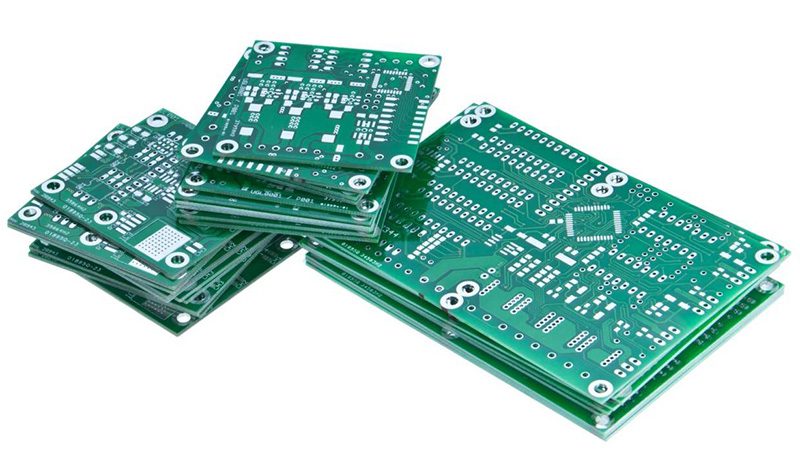
What materials can be used in PCB epoxy manufacturing?
The substrate material chosen in PCB epoxy manufacturing has a crucial impact on the product’s performance, stability, and application areas. Generally, these substrates can be divided into four main categories: rigid substrates, flexible substrates, rigid-flexible composite substrates, and FR-4 glass fiber epoxy substrates.
- 1.Rigid (Hard) Substrates
Rigid substrates are ideal for maintaining shape stability during long-term use of PCB epoxy. Common rigid materials include beryllium oxide (BeO) and aluminum nitride (AlN), which possess excellent mechanical strength and thermal stability, making them suitable for high-precision devices such as computer motherboards.
Advantages include:
Stable operation at temperatures exceeding 350℃;
High dielectric constant and excellent electrical properties;
Low moisture absorption and strong sealing;
Less venting issues, facilitating miniaturization design;
Good compatibility with other PCB components.
Applicable scenarios:
High-frequency circuits requiring clear signal paths;
Applications requiring cost reduction in mass production;
Industrial or military equipment with high structural strength requirements;
Products requiring rapid maintenance or modular replacement.
- 2. Flexible (Soft) Substrates
Flexible substrates are bendable and foldable, suitable for space-constrained or complex-shaped electronic products. They are commonly used in consumer electronics such as smartphones and wearable devices. The main materials include PI and PTFE.
Advantages include:
Space saving, improving device portability;
Lightweight design, suitable for small devices;
Maintaining electrical stability under dynamic bending or vibration environments;
Suitable for high-density wiring and high-signal-rate circuits.
Applications:
Electronic products requiring repeated bending;
Equipment with strict weight and size requirements;
Circuit designs operating in extreme environments.
- 3. Rigid-Flexible Composite Substrates
Rigid-flexible PCB (epoxy-coated PCB) combine the advantages of rigid and flexible materials, typically consisting of multiple layers of polyimide. This type of structure allows for flexible design while maintaining stability, making it ideal for high-end electronic devices.
Advantages include:
Compact structure and light weight;
Easy processing and installation;
Low dielectric loss and excellent signal transmission performance;
Suitable for system designs with complex spatial layouts.
Applications:
Power amplifiers, RF receivers;
Main control boards for military and medical equipment;
Automotive radar and sensing systems;
Electronic products containing RFID (Radio Frequency Identification) modules.
- 4. FR-4 Glass Fiber Epoxy Substrate
FR-4 is the most commonly used PCB epoxy substrate in the electronics industry, made by pressing glass fiber cloth with epoxy resin prepreg. The “FR” in its name stands for “Flame Retardant,” meeting the UL94V-0 flame retardant standard.
Advantages include:
Low cost and high adaptability;
Excellent electrical insulation properties;
Easy drilling and metallization;
Can meet the needs of complex multi-layer designs.
Applications:
Circuit board prototyping and testing phases;
Mass production of complex multi-layer designs;
Projects with high cost control requirements;
Low-to-medium speed circuit applications.
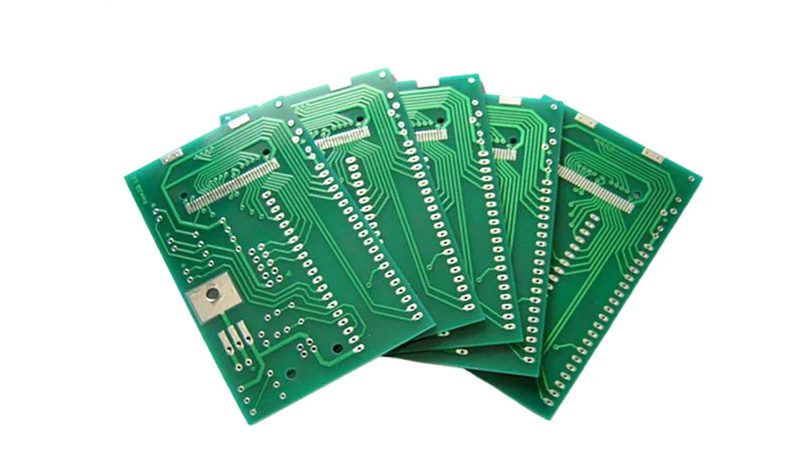
What surface treatments are used in PCB epoxy manufacturing?
In PCB epoxy production, surface treatment is a crucial step to ensure the copper surface is not oxidized and to improve soldering reliability. Common surface treatment methods include:
- 1. HASL (Half-Alloy Solder):
Immersing the PCB in molten solder and using hot air to remove excess solder, creating a smooth solder surface.
Advantages: Low cost, good solderability;
Disadvantages: Not suitable for high-density or fine-grained pads.
- 2. Electroless Nickel/Gold Plating (ENIG):
Depositing nickel and gold layers on the copper surface to prevent oxidation and maintain good solderability.
Advantages: High flatness, high reliability;
Disadvantages: Higher cost.
- 3. Immersion Tin:
Depositing a pure tin layer on the copper surface, suitable for SMT assembly.
Advantages: Smooth surface, good solderability;
Disadvantages: Short shelf life.
- 4. Immersion Silver:
Forming a silver layer on the copper surface, providing excellent conductivity.
Advantages: High conductivity;
Disadvantages: Susceptible to sulfidation and humidity.
- 5. OSP Organic Solder Protector:
Forms a transparent organic film on the copper surface to prevent oxidation.
Advantages: Environmentally friendly, low cost;
Disadvantages: Moderate high-temperature resistance.
- 6. Electroplated Gold:
Used in high-reliability circuit boards, forming a thick gold layer through electroplating.
Advantages: Corrosion resistant, excellent conductivity;
Disadvantages: Higher price.
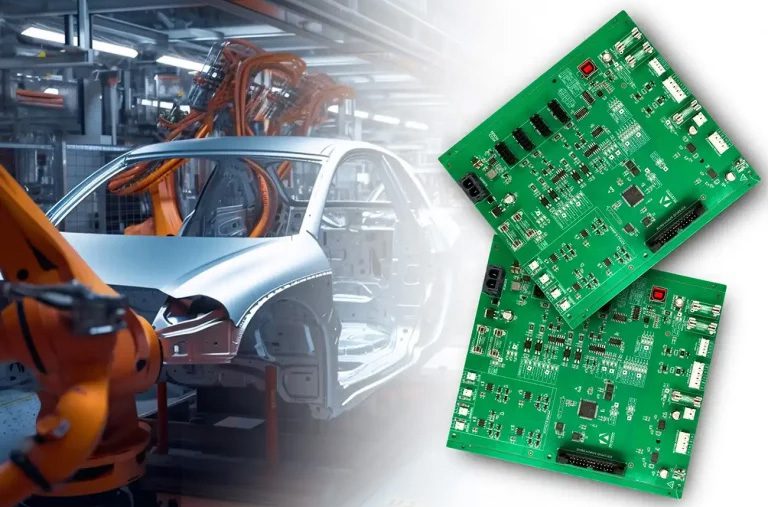
Application Methods of Epoxy Resin on PCB
The coating method of epoxy resin is crucial to the protective performance of PCB. Different processes have their advantages in terms of coating thickness, uniformity, precision, and efficiency, and should be selected appropriately according to product requirements.
1. Spraying: Epoxy resin is evenly coated onto the PCB surface using automated spraying equipment. The coating is smooth and efficient, suitable for mass production. However, it is not suitable for situations requiring localized coating.
2. Brushing: Epoxy resin is manually applied using a brush. This allows for fine processing of specific areas or edges, often used for small-batch production or rework. The disadvantages are low efficiency and slightly poorer uniformity.
3. Dispensing: Epoxy resin is precisely applied to localized areas, such as thermal pads or specific component locations, using dispensing equipment. The coating thickness is controllable, suitable for high-precision PCB.
4. Dipping: The entire PCB is immersed in a resin bath to form a uniform coating on its surface. Suitable for PCB with complex structures, providing comprehensive protection, but post-processing is required to remove excess resin. 5. Injection: Primarily used for localized repairs or rework, this involves directly injecting epoxy resin into the damaged area to restore function. Suitable for repairing pads, solder joints, etc.
Choosing the appropriate epoxy resin coating method should comprehensively consider the product structure, production scale, coating performance, and process control precision. In practical applications, manufacturers typically combine multiple processes to ensure optimal PCB protection and production efficiency.
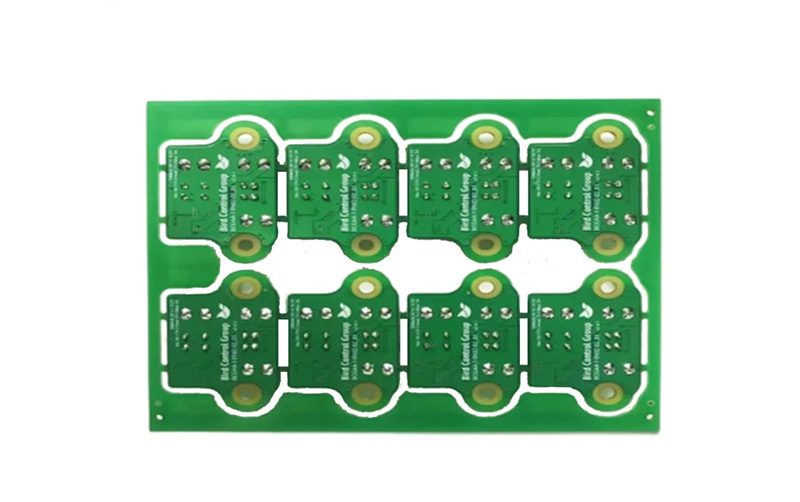
Epoxy Resin PCB Applications and Functions
Epoxy resin plays a crucial role in printed circuit board (PCB) manufacturing. With its excellent mechanical strength, thermal stability, electrical insulation, and corrosion resistance, epoxy resin has become a core material for protecting and enhancing PCB performance.
- 1. Resisting Mechanical Stress
PCBs are often subjected to mechanical stresses such as vibration and impact during use. Epoxy resin coatings form a robust protective layer, effectively absorbing and dispersing external impacts, preventing damage to solder joints or components, and ensuring the structural stability of the circuit board in harsh environments.
- 2. Optimizing Thermal Management
Temperature fluctuations can cause thermal strain on PCB, leading to performance degradation. High thermal conductivity epoxy resin can evenly distribute heat, preventing hot spots and reducing the risk of overheating, which is especially critical for the stable operation of high-performance electronic products.
- 3. Providing Electrical Insulation
Epoxy resin has excellent insulating properties, preventing short circuits between conductive traces and components, ensuring safe circuit operation. This is particularly important in complex multilayer PCB designs.
- 4. Moisture and Corrosion Protection
Epoxy resin effectively blocks moisture and corrosive gases, preventing oxidation, rust, and electrochemical corrosion, thus significantly extending the lifespan of the PCB.
- 5. Improved Appearance and Process Compatibility
Epoxy resin not only enhances the surface smoothness and color performance of the circuit board, but can also be applied using spraying, dip coating, or dispensing methods to meet the requirements of different production processes.
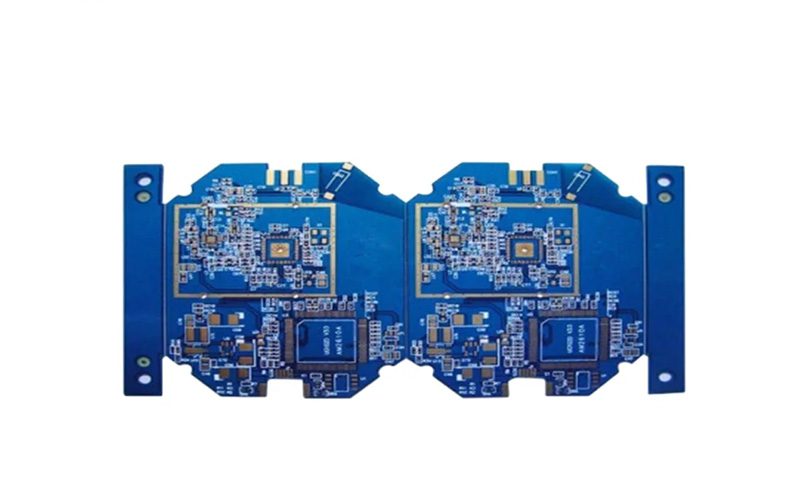
The application of epoxy resin in PCB manufacturing not only reflects advancements in materials science but also drives improvements in reliability and performance within the electronics manufacturing industry. Its comprehensive advantages in mechanical protection, thermal management, electrical insulation, moisture and corrosion resistance make it an indispensable key material for modern circuit boards. As electronic devices evolve towards higher density and higher performance, the PCB epoxy industry is experiencing new breakthroughs and opportunities.
Thindry will continue to focus on the development trends of electronic materials and manufacturing processes, providing customers with more efficient and reliable visual inspection and automation solutions to support the industry’s intelligent upgrade.
0 Comments