



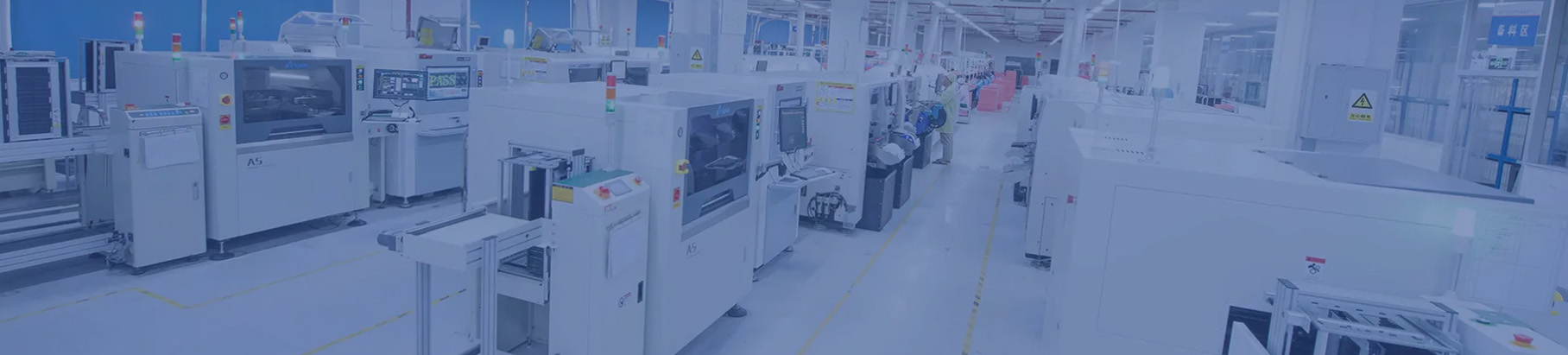
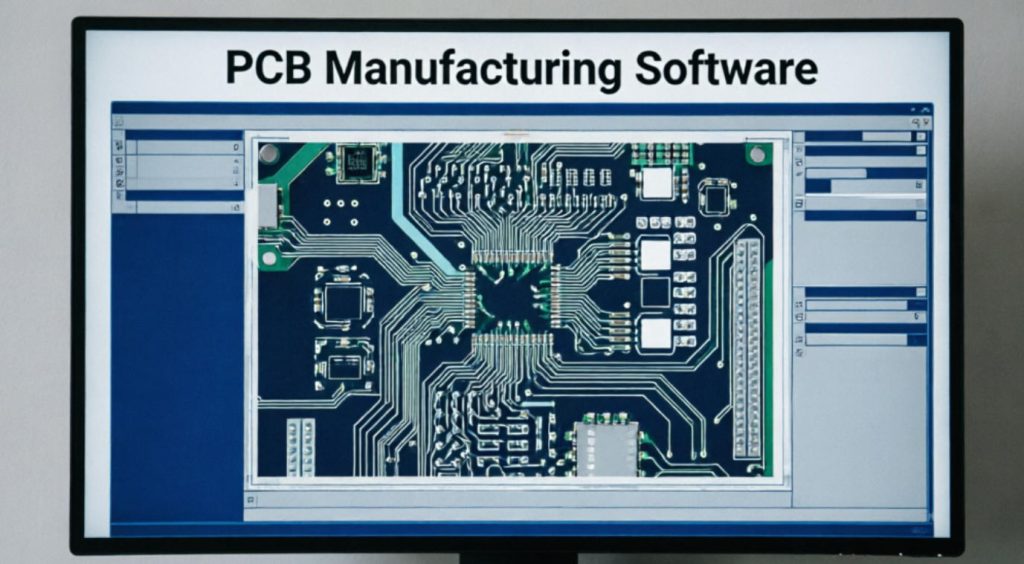
PCB manufacturing software is no longer just a tool for drawing circuit boards. For engineering teams, purchasing managers, startups, and OEM manufacturers, it has become the digital bridge between design, fabrication, component sourcing, assembly, testing, and delivery. A good software-driven workflow can reduce design mistakes, shorten prototype cycles, improve production visibility, and make mass production more predictable.
At Thindry, we have worked in PCB prototype, fabrication, and assembly for more than a decade. Founded in 2005, we focus on building a digitalized one-stop electronics manufacturing platform by connecting EDA software, PCB fabrication, component sourcing, and PCBA assembly. This guide explains how PCB manufacturing software works in real production, what problems it solves, where it has limits, and how buyers can use it to make better manufacturing decisions.
Core SEO Keywords Used in This Guide
- PCB manufacturing software
- PCB design software
- PCB fabrication software
- PCB assembly software
What Is PCB Manufacturing Software?
PCB manufacturing software refers to the digital tools used to prepare, verify, manufacture, assemble, inspect, and track printed circuit boards. It may include PCB design software, DFM checking tools, CAM software, BOM management systems, MES production systems, component sourcing platforms, and inspection data systems.
In simple terms, PCB design software helps engineers create the board, while PCB manufacturing software helps a factory build that board correctly and repeatedly. The two are closely connected, but they are not the same. A design can pass electrical rules and still create problems during drilling, solder mask processing, impedance control, SMT assembly, or final testing.
That is why modern PCB manufacturers rely on software not only to read Gerber files, but also to check manufacturability, control revisions, plan production steps, manage materials, and record quality data.
Why PCB Manufacturing Software Matters in Modern Electronics
Electronics products are becoming smaller, faster, denser, and more customized. A simple two-layer board may still be easy to manage manually, but once a project involves HDI, rigid-flex PCB, controlled impedance, fine-pitch components, automotive reliability, medical compliance, or high-speed signals, manual communication becomes risky.
PCB manufacturing software reduces this risk by turning engineering data into a controlled production process. It helps teams detect errors before production starts, compare the design with factory capabilities, keep BOM data updated, and avoid building the wrong revision.
- It helps engineers find manufacturability issues before the board reaches production.
- It allows buyers to compare cost, lead time, material choices, and production risks more clearly.
- It gives factories better control over process routing, inspection, traceability, and delivery status.
- It supports repeatable production from prototype to medium and high-volume orders.
- It reduces communication gaps between design teams, purchasing teams, and PCB manufacturers.
How PCB Manufacturing Software Works from Design to Production
A typical PCB project starts with schematic design and layout. Engineers use PCB design software to define circuits, place components, route traces, create stack-ups, and export manufacturing files. After that, the design enters the manufacturing preparation stage.
At this point, DFM and CAM tools review the design against factory rules. The software checks items such as minimum trace width, spacing, drill size, annular ring, solder mask clearance, copper balance, board outline, panelization, impedance requirements, and special notes. For PCBA projects, BOM management and assembly software also verify component packages, polarity, placement files, and sourcing risks.
- The engineering team creates schematic and PCB layout data.
- The design is exported as Gerber, drill files, ODB++, IPC-2581, BOM, and pick-and-place files.
- DFM software checks whether the board can be manufactured reliably.
- CAM software prepares production tooling, panels, drill programs, and process data.
- BOM and sourcing tools confirm component availability, substitutions, and lifecycle risks.
- MES software tracks work orders, process steps, inspection results, and production status.
- Quality systems collect AOI, X-ray, electrical test, functional test, and final inspection data.
The value of the software is not only automation. Its real value is that it forces each step to use clear, consistent, and traceable data.
Main Types of PCB Manufacturing Software
There is no single tool that solves every PCB manufacturing problem. Most professional manufacturers use several types of software together. Each one supports a different stage of the workflow.
| Software Type | Main Purpose | Where It Is Used | Main Benefit | Common Limitation |
|---|---|---|---|---|
| PCB Design Software | Schematic capture, layout, routing, and design rules | Engineering design stage | Creates the electrical and physical PCB design | Does not fully represent every factory process capability |
| DFM Software | Checks manufacturability before production | Pre-production engineering review | Finds risks before fabrication and assembly | Accuracy depends on correct factory capability data |
| CAM Software | Prepares production files, panels, drill data, and tooling | PCB fabrication engineering | Converts customer data into factory-ready production data | Requires experienced CAM engineers for complex boards |
| BOM Management Software | Manages components, alternates, lifecycle, and sourcing | PCB assembly and procurement | Reduces component mismatch and shortage risks | Supply chain data can change quickly |
| PCB Assembly Software | Supports SMT, THT, placement, reflow, and inspection planning | PCBA production | Improves assembly accuracy and process repeatability | Bad library or polarity data can still cause defects |
| MES Software | Tracks work orders, production status, operators, and quality data | Factory production management | Improves traceability and delivery control | Integration takes time and disciplined factory execution |
| Inspection Software | Collects AOI, X-ray, electrical test, and functional test data | Quality control | Helps analyze defects and improve process control | It cannot replace a well-designed inspection plan |
PCB Design Software vs. PCB Manufacturing Software
Many people use these two terms as if they mean the same thing. In practice, they serve different users and different goals. PCB design software focuses on circuit creation. PCB manufacturing software focuses on whether that design can be built, assembled, tested, and repeated at scale.
| Comparison Point | PCB Design Software | PCB Manufacturing Software |
|---|---|---|
| Main User | Electrical engineers, layout engineers, product developers | PCB fabricators, assembly factories, CAM engineers, production managers |
| Main Goal | Create a working circuit board design | Turn the design into a manufacturable and traceable product |
| Typical Files | Schematic files, PCB layout files, libraries | Gerber, drill, ODB++, IPC-2581, BOM, pick-and-place, test records |
| Main Checks | Electrical rules, spacing, routing, component placement | DFM, DFA, CAM preparation, panelization, material and process control |
| Business Impact | Improves design efficiency | Improves yield, cost control, lead time, and quality consistency |
Key Features Buyers and Engineers Should Look For
The best PCB manufacturing software workflow should not only look advanced on paper. It should solve real problems that happen during production. For example, a system that catches an insufficient solder mask bridge before SMT can save more time than a dashboard full of unused charts.
- DFM checking: It should detect spacing, drill, annular ring, copper-to-edge, solder mask, and panelization risks.
- BOM verification: It should identify missing part numbers, package mismatches, obsolete components, and possible alternates.
- Revision control: It should prevent old files from being used after a new version has been approved.
- Traceability: It should record material batches, process steps, inspection data, and shipment information.
- Assembly support: It should connect BOM, pick-and-place data, stencil requirements, polarity checks, and test planning.
- Quality reporting: It should make defect trends visible instead of leaving them hidden in separate spreadsheets.
Materials, Stack-Up, and Process Data Managed by Software
PCB manufacturing software is especially useful when material and stack-up decisions affect performance. In high-speed, RF, automotive, medical, LED, power electronics, or rigid-flex projects, the software workflow must connect design data with real factory capability.
For example, controlled impedance cannot be managed only by drawing a trace width. The final result depends on dielectric thickness, copper thickness, resin content, glass weave, plating allowance, etching compensation, and press-fit process stability. Software helps organize the data, but the factory must still validate it through engineering review and testing.
- FR-4, high-Tg FR-4, high-frequency laminates, aluminum substrate, copper substrate, polyimide, and special materials.
- Layer count, dielectric thickness, copper weight, via structure, blind or buried vias, and HDI stack-up.
- Surface finishes such as HASL, lead-free HASL, ENIG, OSP, immersion silver, and immersion tin.
- Controlled impedance targets, tolerance requirements, and test coupon design.
- Rigid, flexible, and rigid-flex manufacturing constraints.
Manufacturing Workflow: From Gerber Review to Finished PCB
A reliable manufacturing workflow starts before production. When Thindry receives customer files, the first step is engineering review. The goal is not to criticize the design, but to find issues that could increase cost, delay production, or reduce long-term reliability.
- File review: Gerber, drill, BOM, pick-and-place, drawings, stack-up, and special notes are checked for completeness.
- DFM analysis: The design is compared with manufacturing limits such as line width, spacing, hole size, copper balance, and solder mask clearance.
- CAM preparation: Production panels, drill programs, tooling holes, test coupons, and layer compensation are prepared.
- PCB fabrication: Processes may include inner layer imaging, lamination, drilling, plating, etching, solder mask, surface finish, routing, and electrical testing.
- PCB assembly: SMT, THT, mixed assembly, reflow, wave soldering, manual soldering, cleaning, inspection, and functional testing are completed according to project needs.
- Final quality control: Boards are inspected, packed, labeled, and prepared for global delivery.
How Software Supports PCB Assembly and PCBA Production
PCB assembly software plays a major role when the board moves from bare PCB to PCBA. At this stage, the risk is no longer only about copper traces or drilled holes. Component package accuracy, polarity, moisture sensitivity, stencil design, reflow profile, and inspection coverage all matter.
A small mistake in BOM data can create serious production problems. A capacitor footprint may look correct but have the wrong voltage rating. A diode may be placed with reversed polarity. A connector may have a similar part number but different pin orientation. Software helps catch these issues earlier, especially when paired with experienced engineering review.
- Checks BOM data against component libraries and sourcing databases.
- Links pick-and-place files with PCB coordinates and component polarity.
- Supports SMT, THT, and mixed-technology assembly planning.
- Helps optimize stencil openings, reflow profiles, and inspection points.
- Improves traceability for component batches and production lots.
Common Problems PCB Manufacturing Software Helps Prevent
Most PCB failures are not caused by one dramatic mistake. They often come from small issues that pass from design to manufacturing without being noticed. PCB manufacturing software helps reduce these risks, but it works best when engineers and manufacturers use it as part of a disciplined review process.
| Problem | Typical Cause | How Software Helps | Factory Action Still Needed |
|---|---|---|---|
| Insufficient annular ring | Drill size too large or pad too small | DFM tools flag hole-to-pad risks | CAM engineer confirms drill compensation |
| Solder bridging | Fine-pitch pads, poor mask clearance, stencil issues | Assembly software checks spacing and stencil data | Process engineer adjusts stencil and reflow profile |
| Impedance mismatch | Incorrect stack-up or trace geometry | Stack-up tools calculate expected impedance | Factory validates with coupons and test equipment |
| Wrong component installed | BOM mismatch or unclear part number | BOM software flags missing or conflicting data | Purchasing and engineering confirm approved alternates |
| Old revision built | Poor file control | Revision management locks approved data | Factory follows controlled document procedures |
| Panelization issue | Weak rails, wrong breakaway design, poor tooling layout | CAM software simulates panel layout | Production team confirms fixture and assembly handling |
Quality Standards and Certifications Connected to PCB Manufacturing
Software can improve consistency, but quality still depends on standards, process control, and verification. For buyers, certifications are not just logos on a website. They show whether a manufacturer has a documented quality system, controlled production flow, and inspection discipline.
Thindry designs and produces PCBs according to global quality requirements. Our quality certifications include ISO 9001 for quality management, ISO 13485 for medical PCB manufacturing compliance, IATF 16949 for automotive-grade production standards, UL certified PCBs for safety, and RoHS compliance for environmentally safer electronics.
- ISO 9001: Supports consistent quality management and process control.
- ISO 13485: Important for medical PCB and PCBA projects.
- IATF 16949: Relevant for automotive electronics and supply-chain discipline.
- UL certification: Supports safety and material compliance requirements.
- RoHS compliance: Helps meet environmental requirements for restricted substances.
- IPC standards: Commonly used for PCB design, fabrication, assembly, and acceptability references.
Testing Methods Used with PCB Manufacturing Software Data
Testing is where digital planning meets physical reality. A software workflow may define the inspection plan, but the board must still pass real tests. Different products require different test methods depending on complexity, industry, reliability target, and application environment.
- Electrical test: Checks open circuits and short circuits on bare PCBs.
- AOI inspection: Detects visible defects such as missing components, solder issues, and polarity errors.
- X-ray inspection: Used for BGA, hidden solder joints, multilayer structures, and special reliability checks.
- Impedance testing: Confirms whether controlled impedance traces meet target values.
- Functional testing: Verifies whether the assembled board performs as intended.
- Thermal and humidity testing: Used for products exposed to harsh environments.
- Vibration and reliability testing: Important for automotive, industrial, aerospace, and power electronics applications.
Cost Factors in PCB Manufacturing Software and Digital Production
From a buyer’s point of view, software improves efficiency, but it does not make every project cheaper automatically. The final PCB or PCBA cost still depends on design complexity, materials, component selection, test requirements, order quantity, and delivery expectations.
For example, a four-layer industrial control PCB with common FR-4 material may be straightforward. A rigid-flex medical PCB with fine-pitch components, controlled impedance, full traceability, and special packaging will require more engineering time, inspection, and process control.
- Layer count, board size, copper thickness, and special stack-up requirements.
- HDI, blind vias, buried vias, microvias, controlled impedance, or fine lines.
- Material selection, including high-frequency laminate, high-Tg FR-4, aluminum base, copper base, or polyimide.
- Assembly complexity, component count, package type, BGA, QFN, fine-pitch ICs, and mixed technology.
- Testing requirements such as AOI, X-ray, functional testing, burn-in, or reliability testing.
- Prototype quantity, batch size, lead time, packaging, logistics, and documentation.
Industry Applications of PCB Manufacturing Software
Different industries use PCB manufacturing software for different reasons. Consumer electronics may focus on speed, size, and cost. Automotive electronics may focus on traceability, vibration resistance, thermal stability, and long-term reliability. Medical electronics may care more about documentation, risk control, and compliance.
| Industry | Typical Products | Common PCB Types | Main Manufacturing Focus |
|---|---|---|---|
| Consumer Electronics | Smart TVs, wearables, headphones, cameras, smart home devices | HDI, FPC, rigid-flex, single-sided and double-sided boards | Thin design, high density, fast iteration, cost control |
| Automotive Electronics | BMS, VCU, MCU, OBC, ADAS, cameras, radar, dashboards | Heavy copper, HDI, high-frequency PCB, FPC, rigid-flex, metal core PCB | Reliability, wide temperature range, vibration resistance, traceability |
| Communication Equipment | 5G base stations, optical modules, routers, switches, RF front ends | High-frequency PCB, high-speed PCB, high-layer-count boards, HDI | Low loss, impedance control, signal integrity, thermal management |
| Servers and AI Computing | AI servers, GPU cards, FPGA boards, storage systems, data center switches | High-layer-count PCB, high-speed backplanes, advanced material boards | High-speed transmission, low insertion loss, thermal control, flatness |
| Industrial Control | PLC, servo drives, robots, sensors, CNC systems, industrial gateways | Heavy copper, multilayer PCB, metal core PCB, single and double-sided PCB | Stability, EMC performance, heat dissipation, long service life |
| Medical Electronics | Patient monitors, ultrasound, endoscopes, IVD devices, portable medical equipment | HDI, rigid-flex, high-frequency PCB, metal core PCB, special material PCB | Precision, low noise, reliability, documentation, compliance |
| New Energy and Power Electronics | Solar inverters, energy storage converters, charging piles, UPS systems | Heavy copper PCB, aluminum PCB, copper substrate PCB, multilayer PCB | High current, high voltage, heat dissipation, corrosion resistance |
| LED and Lighting | Outdoor lighting, automotive lighting, plant lighting | Aluminum PCB, copper PCB, FPC, single and double-sided PCB | Thermal performance, cost control, lightweight structure |
Real Factory Experience: Where Digital Workflows Help Most
In real production, the most useful software functions are often the practical ones. A buyer may not care how advanced the system looks, but they care if the prototype is delayed because one drill file is missing. An engineer may not care about dashboard colors, but they care if a controlled impedance stack-up is reviewed before fabrication starts.
From our factory experience, software brings the most value in three areas: early DFM review, BOM and component control, and production traceability. These three areas directly affect cost, lead time, yield, and customer confidence.
- For prototypes: Software helps shorten the review cycle and catch file problems before production.
- For medium-volume orders: It helps keep revisions, BOMs, and inspection records aligned.
- For mass production: It supports stable process control, batch tracking, defect analysis, and repeat orders.
- For overseas buyers: It improves communication by making data clearer and reducing back-and-forth engineering questions.
How to Choose the Right PCB Manufacturing Software Workflow
If you are an electronics company, you do not always need to buy every software system yourself. What matters is whether your manufacturer has a mature digital workflow and whether that workflow matches your project needs.
For a startup prototype, fast DFM feedback and BOM review may be more important than a complex enterprise system. For an automotive or medical project, traceability, certification, process control, and inspection documentation become much more important.
- Choose a workflow that supports your board complexity, not just your current prototype.
- Make sure the factory can review your design against real manufacturing capabilities.
- Confirm whether BOM review, component sourcing, and assembly data checks are included.
- Ask how revisions are controlled after design updates.
- Check whether inspection reports and production records can be provided when needed.
- For regulated industries, confirm certifications and documentation before production starts.
How to Evaluate a PCB Manufacturer Using Software and Digital Systems
A manufacturer with strong software systems should be able to explain its workflow clearly. You do not need to ask for confidential internal systems, but you should ask how files are reviewed, how problems are reported, how production status is tracked, and how quality data is managed.
Thindry provides PCB design support, rapid PCB prototype service, PCB manufacturing, and PCB assembly. Our engineers use advanced EDA-related workflows, DFM review, automated facilities, smart MES tracking, real-time quality monitoring, and BOM optimization to support projects from early design to production.
- Ask whether the factory reviews Gerber, drill, BOM, pick-and-place, and assembly drawings before quotation or production.
- Ask how DFM problems are reported and whether engineers provide practical suggestions.
- Ask whether the factory supports rigid PCB, flex PCB, rigid-flex PCB, HDI, metal core PCB, or high-frequency PCB if your product may need them later.
- Ask how components are sourced, verified, substituted, and tracked.
- Ask whether electrical test, AOI, X-ray, functional test, and inspection reports are available.
- Ask how repeat orders are controlled to avoid revision mistakes.
Global Procurement Considerations for Overseas Buyers
For overseas buyers sourcing from China, the key issue is not only price. Reliable communication, file accuracy, certification, delivery planning, packaging, and after-sales engineering support are equally important. A digital manufacturing workflow helps make these points more transparent.
As a China source factory and global PCB supplier, Thindry does not claim overseas factories, overseas warehouses, or local branches. Our advantage is in integrated manufacturing capability, engineering support, cost control, fast prototyping, scalable production, and global delivery coordination from China.
- For North American and European buyers: certification, documentation, consistency, and long-term quality control are often top priorities.
- For Southeast Asian buyers: cost, lead time, flexible batch size, and practical logistics support are often more important.
- For global OEM and ODM projects: design support, component sourcing, assembly capability, and repeatable quality matter more than one-time low pricing.
- For regulated industries: confirm compliance needs early, especially for medical, automotive, industrial, and power electronics applications.
Common Mistakes When Using PCB Manufacturing Software
Software improves the workflow, but it does not remove the need for engineering judgment. Many project delays happen because teams assume that if software accepts a file, the design must be production-ready. That is not always true.
- Using generic design rules: A board may pass default software rules but fail a specific factory’s manufacturing limits.
- Ignoring assembly constraints: A bare PCB may be manufacturable, but component placement may still create SMT problems.
- Sending incomplete data: Missing drill files, unclear stack-up notes, or outdated BOMs can delay production.
- Not controlling revisions: Sending files through email without version discipline can cause the wrong board to be built.
- Choosing parts too late: Component shortages, long lead times, or package substitutions can force layout changes.
- Assuming software replaces testing: Real boards still need electrical, visual, functional, and reliability testing when required.
Pre-Order Checklist Before Sending Files to a PCB Manufacturer
Before you place a prototype or production order, prepare a clean engineering package. This saves time and prevents avoidable questions after production starts.
- Gerber files, drill files, board outline, layer stack-up, and fabrication drawing.
- BOM with manufacturer part numbers, quantities, reference designators, and approved alternates if available.
- Pick-and-place file, assembly drawing, polarity notes, special soldering requirements, and test instructions.
- Controlled impedance requirements, copper thickness, surface finish, material grade, and tolerance requirements.
- Certifications or standards required for your market, such as RoHS, UL, ISO 13485, or automotive-related requirements.
- Target quantity, prototype schedule, expected annual volume, packaging requirements, and delivery destination.
FAQ About PCB Manufacturing Software
1. What is the difference between PCB design software and PCB manufacturing software?
PCB design software is mainly used to create schematics, layouts, routing, and design rules. PCB manufacturing software focuses on whether the design can be fabricated, assembled, inspected, and tracked in production. In real projects, both are needed because a working design can still create manufacturing risks if DFM, BOM, and assembly data are not reviewed properly.
2. Is PCB manufacturing software only useful for large factories?
No. Large factories need it for traceability and production control, but small engineering teams also benefit from DFM checks, BOM review, and revision control. Even a prototype can fail or be delayed because of a missing drill file, unclear stack-up, wrong footprint, or unavailable component. A digital workflow helps catch these issues earlier.
3. Can PCB manufacturing software reduce PCB cost?
It can reduce avoidable cost by identifying design risks, improving panelization, preventing wrong revisions, and reducing scrap. However, it cannot remove the basic cost of materials, layer count, copper thickness, fine lines, special processes, testing, and components. The biggest saving usually comes from finding problems before production starts.
4. What files are needed for PCB manufacturing software review?
Most reviews need Gerber files, drill files, board outline, layer stack-up, fabrication notes, BOM, pick-and-place file, and assembly drawing if PCBA is required. For controlled impedance, the manufacturer may also need impedance targets, layer structure, material preference, and tolerance requirements. Complete files make the review faster and more accurate.
5. Does DFM software guarantee that a PCB will be perfect?
No. DFM software is a strong screening tool, but it does not replace engineering experience, factory process knowledge, and physical testing. The software can flag risks, but an experienced CAM or process engineer must still judge whether the design is acceptable, needs adjustment, or requires special production control.
6. What is CAM software in PCB manufacturing?
CAM software prepares customer design data for factory production. It helps engineers create panels, drill programs, tooling data, layer compensation, solder mask checks, routing paths, and test data. CAM is especially important for multilayer PCBs, HDI boards, rigid-flex PCBs, controlled impedance boards, and other designs where small process errors can cause serious defects.
7. How does PCB assembly software help during SMT production?
PCB assembly software connects BOM, pick-and-place data, component libraries, stencil requirements, machine programs, and inspection plans. It helps reduce errors such as wrong components, missing parts, reversed polarity, placement mismatch, and poor soldering setup. It is especially useful for fine-pitch components, BGA packages, dense boards, and repeat production.
8. Why is BOM management important in PCB manufacturing?
BOM management is important because component problems can stop an otherwise good PCB project. A part may be obsolete, out of stock, incorrectly packaged, or unsuitable for the required voltage, temperature, or certification. A good BOM workflow checks part numbers, alternates, lifecycle status, and sourcing risk before assembly begins.
9. What software data is useful for quality traceability?
Useful traceability data includes material batch, production lot, operator record, process route, inspection result, AOI data, X-ray result, electrical test data, functional test result, rework record, and shipment label. For automotive, medical, industrial, and power electronics projects, this data can be critical for audits and long-term quality analysis.
10. Can PCB manufacturing software handle rigid-flex PCB projects?
Yes, but rigid-flex projects still require experienced engineering review. The software can help manage stack-up, bend zones, coverlay, stiffeners, drill data, and fabrication notes. However, bend radius, copper grain direction, adhesive selection, dynamic flexing, and assembly stress must be reviewed carefully by engineers who understand flexible PCB manufacturing.
11. How should overseas buyers evaluate a China PCB manufacturer?
Overseas buyers should evaluate engineering response, DFM capability, certifications, production range, assembly support, component sourcing, test capability, delivery history, and communication quality. A reliable China PCB manufacturer should be able to explain how files are checked, how quality is controlled, and how production data is tracked from prototype to batch production.
12. What certifications should I check before placing a PCB order?
Common certifications include ISO 9001 for quality management, UL for safety-related PCB requirements, RoHS for environmental compliance, ISO 13485 for medical electronics, and IATF 16949 for automotive production systems. The required certification depends on your product, industry, end market, and customer requirements.
13. Is PCB manufacturing software useful for prototype orders?
Yes. Prototypes often move quickly, so mistakes are easy to miss. Software-supported DFM review can find basic issues such as missing files, invalid drill sizes, tight spacing, poor solder mask clearance, unclear stack-up, and assembly data mismatch. This helps reduce delays and makes the first prototype closer to production-ready quality.
14. What is the biggest limitation of PCB manufacturing software?
The biggest limitation is that software depends on correct data and real process knowledge. If the design rules are outdated, the BOM is incomplete, or the factory capability data is inaccurate, the result may still be wrong. The best outcome comes from combining software automation with experienced engineering review and controlled manufacturing practice.
Conclusion: Software Makes PCB Manufacturing Smarter, but Engineering Still Matters
PCB manufacturing software is valuable because it connects design, fabrication, assembly, testing, and quality control into one clearer workflow. It helps prevent mistakes, improve traceability, shorten review cycles, and make production more predictable. For complex electronics, it is no longer optional; it is part of a reliable manufacturing strategy.
When choosing a manufacturing partner, do not look only at price or software names. Look at the complete workflow: DFM review, CAM preparation, BOM management, assembly control, inspection capability, certifications, engineering communication, and repeat-production discipline. The best supplier is the one that can turn your design data into stable, tested, and scalable products.
Thindry supports PCB design, PCB prototype, PCB manufacturing, PCB assembly, component sourcing, and production quality control from China for global customers. Whether your project is consumer electronics, automotive electronics, industrial control, medical equipment, communication devices, AI servers, LED lighting, or new energy systems, a software-supported manufacturing workflow can help you move faster with fewer risks.
If you are looking for reliable OEM manufacturing, ODM production, sample development, mass production, or custom engineering solutions, please contact our engineering team for technical support and a quote. Email: sales@pcbtry.com
0 Comments