



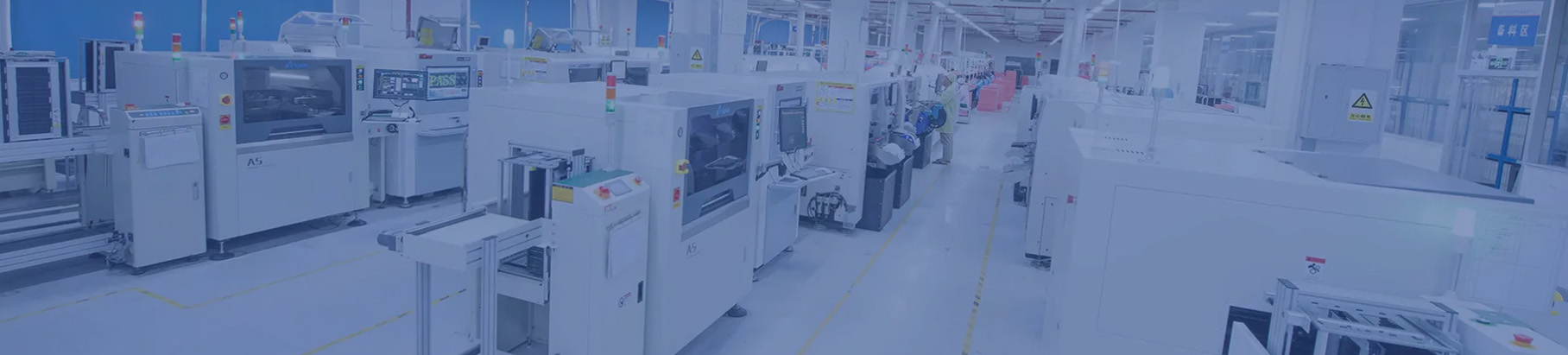
In today’s digitally connected world, consumer electronics are everywhere—from smartphones to smart home devices, wearable gadgets, and kitchen appliances. At the heart of these devices lies a critical component: the consumer PCB. A consumer PCB (Printed Circuit Board) provides the foundation for electronic circuits, ensuring devices function reliably, efficiently, and safely. While often unnoticed by the average user, the quality, design, and manufacturing of consumer PCBs directly affect device performance, durability, and user experience.
As technology evolves, consumer PCBs have become smaller, more complex, and more versatile. Manufacturers are now focusing on enhancing reliability, cost-efficiency, and scalability to meet growing demand. In this article, we will explore the essentials of consumer PCBs, their manufacturing, applications, and why choosing a professional PCB supplier is crucial for electronics brands.
What Is a Consumer PCB and How Does It Differ from Industrial PCBs?
A consumer PCB is specifically engineered for consumer-grade electronics such as smartphones, laptops, wearables, televisions, audio devices, and home appliances. These boards prioritize affordability, compact form factors, and aesthetic integration.
In contrast, industrial PCBs often handle harsher conditions, higher voltages, and longer operational lifespans. For example:
- An industrial PCB in a factory automation system may need to withstand extreme heat, vibration, or dust exposure.
- A consumer PCB in a smartwatch needs to be lightweight, slim, and flexible enough to wrap around a user’s wrist.
Another key difference is production volume. Consumer PCBs are manufactured in massive quantities to meet global demand. Industrial PCBs, however, are often made in smaller batches but with higher tolerance requirements.
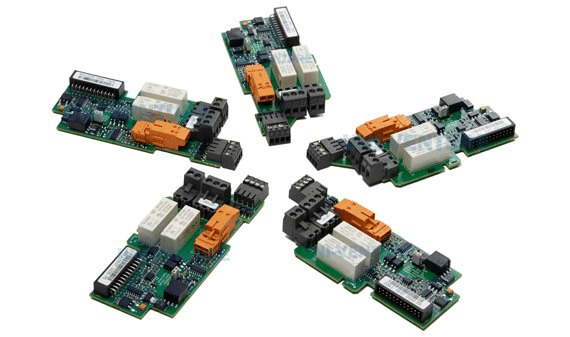
How Are Consumer PCBs Designed?
Designing a consumer PCB involves several critical steps to ensure optimal performance and manufacturability:
1. Schematic Capture: Engineers begin by designing the circuit diagram, defining how components like resistors, capacitors, and ICs connect.
2. PCB Layout: The schematic is translated into a physical layout. Designers optimize trace paths, component placement, and layers to minimize signal interference and reduce board size.
3. Material Selection: Consumer PCBs often use FR-4 or flexible substrates depending on device requirements. Flexible PCBs are common in foldable devices, wearable electronics, and IoT products.
4. Simulation & Testing: Before manufacturing, simulations are run to ensure signal integrity, thermal management, and electromagnetic compatibility.
5. Design for Manufacturability (DFM): Consumer PCB designs must consider mass production constraints, assembly processes, and cost efficiency to ensure scalability.
This meticulous process ensures consumer electronics are compact, reliable, and visually appealing while meeting strict safety and performance standards.
What Materials Are Commonly Used in Consumer PCB Manufacturing?
The choice of materials affects PCB durability, flexibility, and overall cost. Common materials for consumer PCBs include:
- FR-4: A flame-retardant fiberglass epoxy laminate, FR-4 is the most popular material due to its reliability, affordability, and electrical insulation properties.
- Polyimide: Used for flexible PCBs, polyimide supports bending without breaking traces and is ideal for wearables or foldable devices.
- CEM-1 & CEM-3: Lower-cost alternatives to FR-4, used in less demanding applications like remote controls or simple electronics.
- Metal Core: Occasionally used for heat-sensitive consumer electronics like LED lighting or high-power devices, helping with thermal dissipation.
Selecting the right material ensures device longevity, minimizes failures, and maintains manufacturing efficiency.
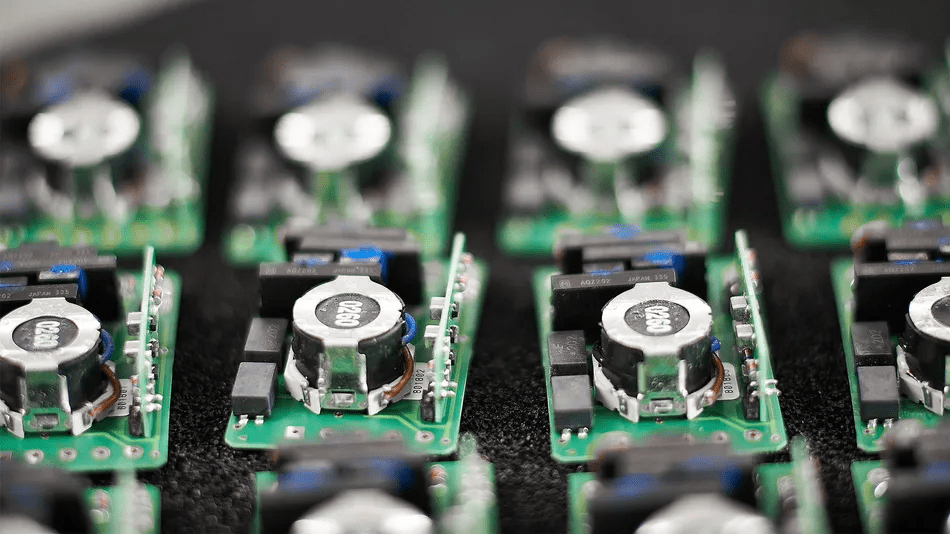
What Are the Key Manufacturing Steps for Consumer PCBs?
The manufacturing process of consumer PCBs is a precise and multi-step journey:
1. PCB Fabrication: Copper-clad laminates are etched, drilled, and layered according to the design.
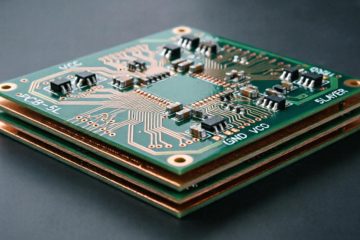
2. Lamination: Multiple layers are pressed together under heat and pressure for multilayer PCBs.
3. Copper Plating: Thin copper layers are deposited to form conductive pathways.
4. Solder Mask Application: A protective green (or sometimes black, white, or blue) coating prevents shorts and enhances durability.
5. Silkscreen Printing: Component labels and identifiers are printed for assembly.
6. Surface Finish: Coatings such as ENIG (Electroless Nickel Immersion Gold) or HASL (Hot Air Solder Leveling) prepare solder pads.
7. Electrical Testing: Every board is tested for continuity and shorts.
8. Assembly (PCBA): Components are mounted using Surface Mount Technology (SMT) or Through-Hole Technology (THT).
Because consumer electronics are mass-produced, these steps must be highly automated and repeatable. Even a small defect can affect thousands of devices, so quality assurance is critical.
Why Do Consumer Electronics Rely on High-Quality PCBs?
The performance of a consumer device depends directly on the quality of its PCB. High-quality consumer PCBs deliver:
- Reliability: Devices function consistently without unexpected failures.
- Performance: High-speed signals travel smoothly, reducing lag or interference.
- Longevity: Devices last longer, which is essential for brand reputation.
- Energy Efficiency: Efficient PCBs reduce battery drain in portable devices.
- Safety: Prevent overheating and electrical malfunctions.
For example, a poorly manufactured PCB in a smartphone could lead to overheating, shorter battery life, or even device recalls. On the other hand, a high-quality consumer PCB provides users with a smooth, worry-free experience.
How Are Consumer PCBs Used in Everyday Devices?
Consumer PCBs are everywhere. Here are some examples:
- Smartphones & Tablets: Multi-layer PCBs handle processors, memory, and sensors in compact designs.
- Wearables: Flexible PCBs power smartwatches and fitness trackers.
- Home Appliances: Refrigerators, washing machines, and microwaves use PCBs for control systems.
- Entertainment Devices: Gaming consoles, headphones, and TVs rely on PCBs for audio and video processing.
- IoT Devices: Smart thermostats, locks, and cameras all depend on small, efficient PCBs.
Simply put: without consumer PCBs, the electronics industry as we know it wouldn’t exist.
How Do Flexible PCBs Enhance Consumer Devices?
Flexible PCBs (FPCs) are a game-changer in modern consumer electronics. Unlike rigid PCBs, they bend and twist, enabling designers to create slimmer, lighter, and more ergonomic devices.
Benefits include:
- Miniaturization: Fits into compact wearables and foldable devices.
- Durability: Can endure repeated bending cycles.
- Weight Savings: Essential for portable gadgets.
- Innovative Design: Enables curved displays and advanced form factors.
Wearable fitness trackers are a perfect example: flexible PCBs wrap comfortably around the wrist while maintaining full electrical connectivity.
Why Choose a Professional Consumer PCB Supplier?
As consumer demands grow, the importance of high-quality consumer PCBs cannot be overstated. Brands looking to stay competitive must partner with reliable suppliers who combine certified processes, advanced technology, and cost-effective solutions.
Thindry Circuit has been a trusted name in PCB manufacturing, offering everything from rigid PCBs to flexible designs for modern consumer electronics. With our certifications, rigorous quality control, engineering support, and scalable production, we provide the foundation for electronics that consumers can trust.
By partnering with Thindry Circuit, you can enjoy:
- Fast delivery with expedited services
- Free DFM & DFA check before PCB manufacturing and PCB assembly
- Factory price with no MOQ requirements
- Over 10 years PCB fabrication experience
- One stop service from PCB design, components sourcing to PCB function testing
- ISO certificated, UL, RoHS, Reach…
If you’re developing consumer electronics and need a reliable PCB partner, Thindry Circuit is here to support your journey.
FAQs
Q1: What types of consumer electronics use PCBs?
Consumer electronics from smartphones, tablets, and laptops to smart home devices, wearables, and kitchen appliances rely on PCBs.
Q2: Are flexible PCBs necessary for consumer devices?
Yes. Flexible PCBs are crucial for wearable electronics, foldable smartphones, and other compact devices where space and movement are limited.
Q3: How can PCB quality affect device performance?
High-quality PCBs ensure signal integrity, reduce heat buildup, improve reliability, and extend device lifespan.
Q4: What materials are commonly used in consumer PCBs?
FR-4 is the most common, while polyimide is used for flexible boards. CEM-1 and metal core are used in specific applications.
Q5: Why is choosing a certified PCB supplier important?
Certified suppliers guarantee consistent quality, defect-free production, traceability, and support for complex designs.
0 Comments