



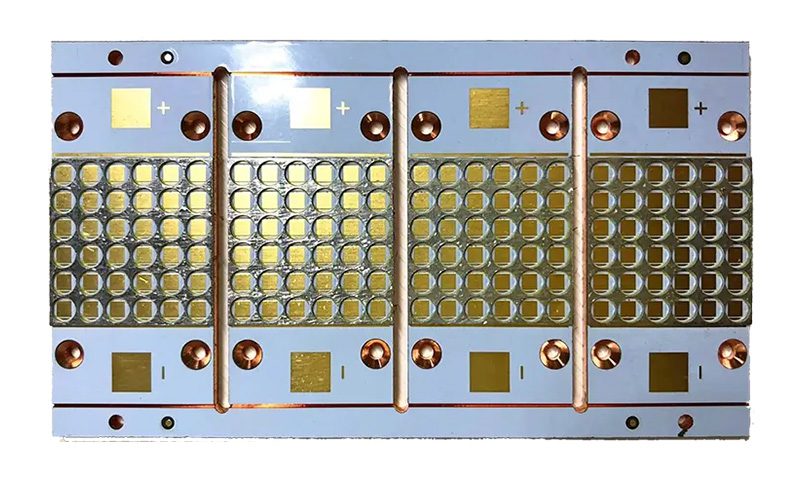
MCPCB provide superior heat dissipation for electronic products by integrating a highly thermally conductive metal core layer (typically aluminum or copper) into the circuit board. With the miniaturization of modern electronic devices and the ever-increasing power demands, the heat dissipation capacity of traditional PCB often fails to meet the needs of high-power components, easily leading to overheating or even system failure.
MCPCB rapidly conduct heat from critical electronic components to the metal core layer, acting like a built-in heat sink, providing reliable support for high-performance applications such as LED lighting, automotive electronics, and renewable energy. Compared to traditional PCB, it allows for the use of higher-power components in more compact designs, effectively improving product performance and reliability.
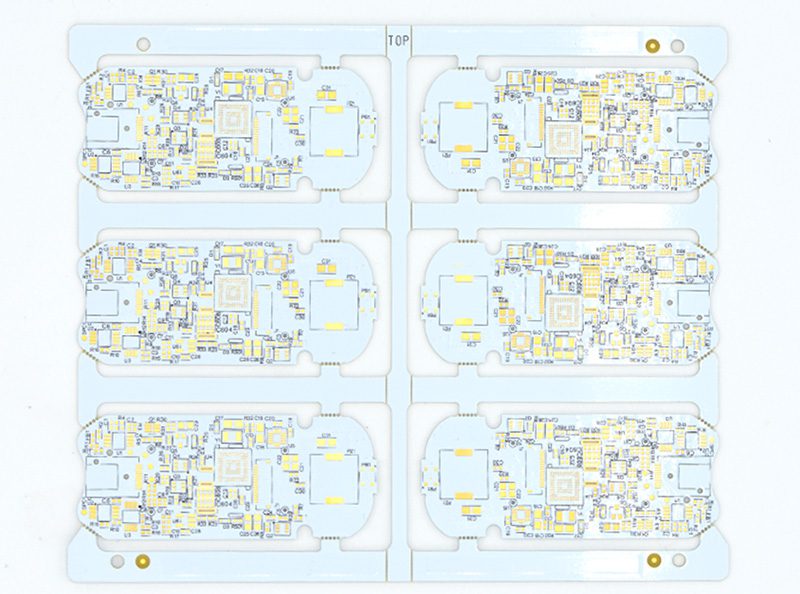
What is a metal core printed circuit board?
MCPCB are also commonly referred to as Insulated Metal-Based PCB (IMS PCB), aluminum-based PCB, aluminum copper-clad laminates, or metal-based PCB. Despite the different names, they essentially refer to the same type of high-performance circuit board with a metal core for heat dissipation, widely used in electronic systems with extremely high requirements for heat dissipation and reliability.
Unlike traditional FR-4 or CEM-3 substrate circuit boards, MCPCB integrate a high thermal conductivity metal core beneath the circuit layers. Common materials include aluminum or copper. The metal core is typically located on the back of the circuit board or below the dielectric layer. It can quickly dissipate heat from high-power electronic components and transfer it to heat sinks, housings, or external cooling structures. This significantly reduces device junction temperatures, improving overall system stability and lifespan.
A typical structure of a metal core PCB consists of three parts: a copper circuit layer, a thermally conductive dielectric layer, and a metal substrate. The thermally conductive dielectric layer provides electrical insulation while performing the crucial function of heat conduction, enabling efficient heat transfer from components to the metal core. This structure gives MCPCB a significant advantage in high-power-density applications, particularly suitable for LED lighting, power modules, automotive electronics, and industrial control.
Depending on specific application requirements, MCPCB can be designed as single-sided or double-sided structures. Due to manufacturing processes and cost factors, the application of multilayer metal-core PCB is relatively limited, but they still hold unique value in some high-end applications. In addition to excellent heat dissipation performance, metal-core PCB also possess good mechanical strength and dimensional stability, enabling long-term stable operation in harsh environments.
Overall, metal-core printed circuit boards provide a reliable and efficient solution for high-power electronic products by deeply integrating thermal management with circuit design. During the selection process, engineers typically need to comprehensively evaluate thermal conductivity, board weight, manufacturing complexity, and cost factors to achieve the optimal balance between performance and economy.
Materials for metal core printed circuit boards
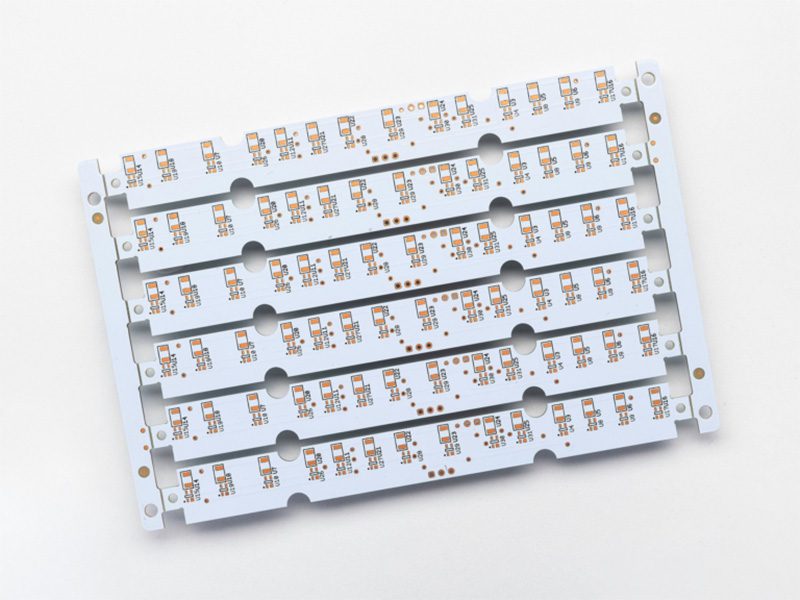
The performance of metal core printed circuit boards (MCPCB) largely depends on the choice of their metal core material. Common core materials include aluminum, copper, and a small number of special metal alloys. Brass or steel can also be used in some special applications, but due to their high hardness, processing difficulty, and separation challenges, they are generally not the mainstream choice.
- Aluminum Core MCPCB
Aluminum core PCB are currently the most widely used type of metal core circuit board, balancing performance and cost advantages.
Their main characteristics include:
Good thermal conductivity, quickly transferring heat generated by heat-generating components to the outside of the circuit board.
Lightweight and easy to process, suitable for mass production.
Relatively controllable cost, widely used in LED lighting, power modules, and industrial control.
The aluminum core structure allows for more even heat distribution on the PCB, effectively reducing hot spot temperatures and thus improving overall board reliability.
- Copper Core MCPCB
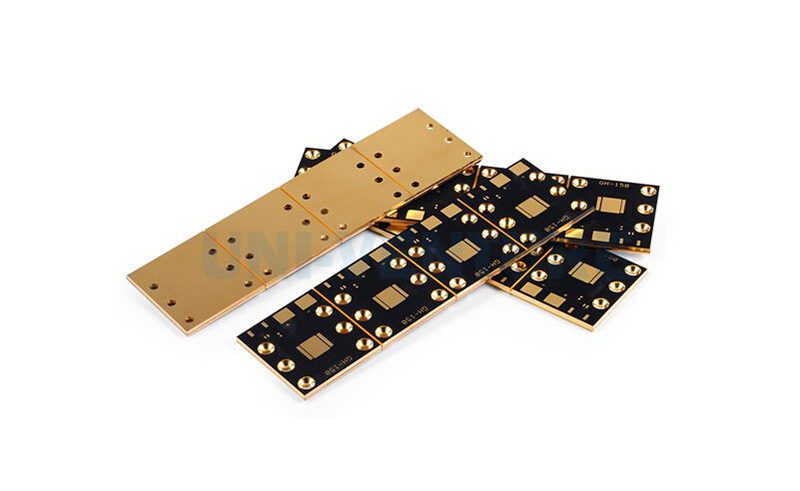
Copper core PCB have a higher thermal conductivity, further reducing component junction temperatures, making them suitable for high power density or extreme heat dissipation requirements. However, compared to aluminum cores, copper cores have significantly higher material and processing costs.
Copper-core MCPCB offer advantages in the following applications:
Single-sided, single-layer structure: A solid copper base is placed on the bottom of the PCB for efficient heat dissipation.
Copper-filled laser-guided via matrix: Highly efficient vertical heat conduction channels are formed by laser drilling and filling with copper.
Double-sided base structure: Copper bases are used on both sides of the PCB to accelerate heat dissipation to both sides.
MCPCB internal structure
Typically composed of the following three core layers:
- 1. Metal Core Layer (Aluminum or Copper)
This layer is primarily responsible for heat dissipation and mechanical support:
Aluminum core: High cost-effectiveness, lightweight, and good processability, suitable for most power applications.
Copper core: Superior thermal conductivity and structural rigidity, suitable for high-power, high-reliability designs.
- 2. Thermal Conductive Dielectric Layer
This is the key functional layer of the MCPCB, directly determining heat dissipation and electrical safety performance:
Possesses good electrical insulation.
High thermal conductivity (usually expressed in W/m·K), with a thickness as thin as possible to reduce thermal resistance.
The formula is optimized to balance voltage resistance, thermal cycling reliability, and interlayer adhesion.
- 3. Copper Circuit Layer
Used to carry electronic circuits and components:
Traces and pads are formed through etching.
Thick copper designs can be used for high-current applications.
Different solder mask and surface treatment processes can be selected according to assembly and reliability requirements, such as ENIG, OSP, ImmAg, etc.
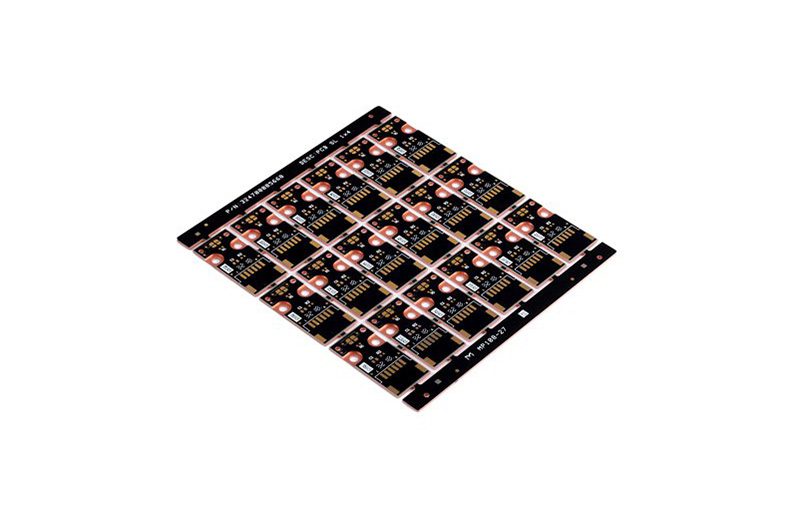
Key considerations in MCPCB manufacturing
The design and manufacturing process of MCPCB requires simultaneous consideration of thermal management, electrical safety, and manufacturability. The following aspects are key to ensuring the stable performance and reliability of MCPCB:
- 1. Material and Dielectric Selection
The dielectric layer of the MCPCB directly determines its heat dissipation capability. The thickness and target thermal conductivity of the dielectric layer should be reasonably determined based on the allowable temperature difference (ΔT) from the junction to the back of the metal substrate. At the same time, it is necessary to verify that the dielectric’s breakdown voltage meets the safety requirements for creepage distance and electrical clearance to avoid potential insulation risks.
- 2. Copper Material Selection and Design
Copper thickness selection should consider current density, infrared voltage drop, and temperature rise control. For areas with high heat generation or high current paths, a thicker copper design and larger copper pour area can be used to reduce resistance and thermal resistance. Furthermore, the reasonable introduction of thermal vias helps to achieve a balance between soldering reliability and heat conduction efficiency.
- 3. Plating Characteristics
Due to the presence of the metal core layer, standard through-holes cannot directly penetrate the MCPCB. For multi-layer or complex interconnection requirements, localized FR-4 reinforcement structures, microvia technology, or a hybrid MCPCB and FR-4 stacking scheme can be used. For high-current connections, press-fit pins, metal eyelets, or busbar structures should be carefully evaluated to improve electrical and mechanical reliability.
- 4. Design and Fabrication
MCPCB are typically shaped by milling, stamping, or laser processing, requiring sufficient metal clearance to be reserved during the design phase. Keep-out areas should be designated around the board edges, and chamfers and countersunk holes should be provided for heatsink mounting to ensure smooth assembly without compromising structural integrity.
- 5. Surface Treatment and Solder Mask
Common surface treatment processes include ENIG and ImmAg, which are particularly suitable for LED pads and fine-pitch components. Solder mask color also affects optical performance: white solder mask improves light reflection efficiency, black solder mask is used to suppress stray light, and matte solder mask helps reduce glare.
- 6. Assembly and Reflow Soldering Process
The metal core significantly increases the thermal capacity of the PCB, so the temperature profile and stencil aperture size need to be adjusted accordingly during reflow soldering to ensure sufficient wetting of the solder joints while preventing damage to small passive components due to thermal stress. After assembly, a suitable thermal interface material, such as thermal pads, phase change materials, or thermal grease, should be applied between the back of the MCPCB and the casing or heatsink to further optimize the heat dissipation path.
- 7. Testing and Verification
During product verification, powered thermal testing should be conducted, including steady-state temperature testing and heating/cooling cycle testing, along with electrical safety checks such as dielectric withstand voltage testing. Furthermore, the MCPCB must comply with relevant industry standards and documentation requirements such as RoHS, REACH, UL certification, and IPC standards to ensure successful mass production and market application.
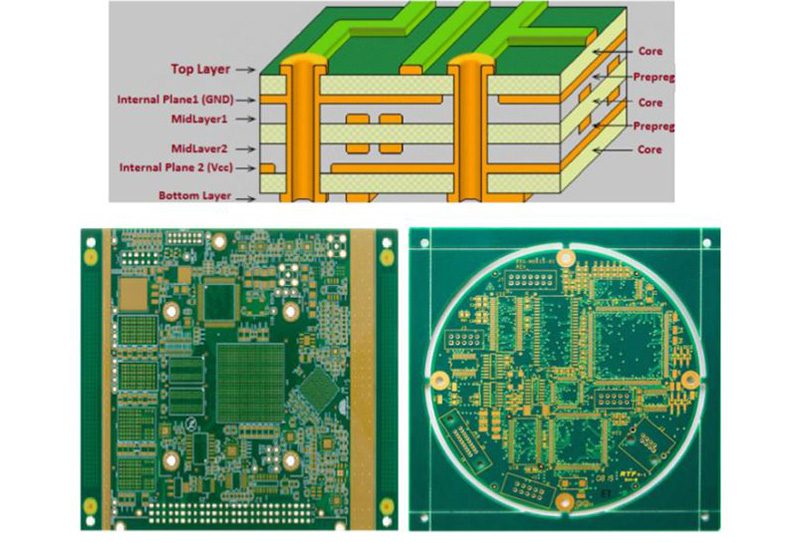
Advantages of metal core PCB
MCPCB have become a key solution in high-power electronic applications due to their excellent heat dissipation capabilities and structural stability. Their advantages are mainly reflected in the following aspects:
- 1. Efficient Heat Dissipation
Metal materials possess excellent thermal conductivity, allowing MCPCB to quickly conduct and dissipate heat from heat-generating components, significantly reducing the risk of localized hotspots. This characteristic makes them particularly suitable for applications with stringent thermal management requirements, such as high-power LED and power modules.
Experimental data shows that, under the same conditions, the temperature rise of a 1W LED mounted on a metal-core PCB is significantly lower than that on an FR-4 PCB, where the overheating temperature of the FR-4 board can reach approximately 37°C.
- 2. Higher Structural Stability and Mechanical Strength
The metal core not only enhances overall strength but also maintains good structural integrity in high-temperature or vibration environments. Taking aluminum-based PCB as an example, they offer both strength and lightweight advantages, making them ideal for applications such as high-power LED lighting, where both weight and reliability are critical.
- 3. Excellent Dimensional and Thermal Stability
Compared to traditional FR-4 materials, metal-core PCB exhibit smaller dimensional changes under drastic temperature variations. Under thermal cycling conditions from 30°C to 150°C, the dimensional change of metal PCB is approximately 2.5%–3.5%, while traditional PCB show a change of approximately 4%.
This stability effectively reduces the risk of circuit board warping and stress failure in high-temperature environments.
- 4. Longer Lifespan
Traditional PCB are mostly composed of fiberglass and resin materials, which have limited resistance to mechanical shock. MCPCB, relying on a metal substrate, offer higher durability, reducing the probability of damage during manufacturing, assembly, and use, thus extending the lifespan of the entire device and improving long-term reliability.
- 5. Lightweight and Cost Advantages
Aluminum is not only lightweight but also abundant and easy to process, allowing aluminum-based PCB to achieve a good balance between performance and cost. Compared to larger or more complex heat dissipation solutions, aluminum-based MCPCB are a more cost-effective option.
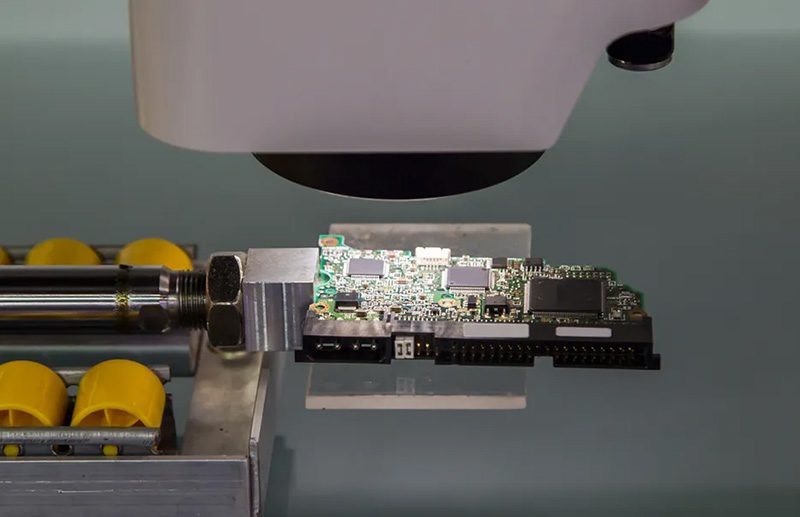
MCPCB Market and Applications
As the power density of electronic devices continues to increase, the demand for efficient thermal management solutions is growing. MCPCBs (Metal Core Printed Circuit Boards) have been widely adopted in various industries with extremely high requirements for reliability and thermal management.
- Medical Electronics
In the field of medical devices, equipment often operates continuously for extended periods and is highly sensitive to temperature changes. MCPCBs are widely used in diagnostic equipment, imaging systems, and portable medical electronics to achieve stable thermal control, thereby ensuring measurement accuracy and equipment safety.
- Automotive Electronics
Automotive electronic systems need to maintain long-term stable operation under high temperatures, strong vibrations, and complex operating conditions. MCPCBs are commonly used in automotive lighting modules, power control units, and sensor systems, providing a reliable thermal management foundation for automotive-grade electronics and meeting stringent environmental requirements.
- LED Lighting
In high-power LED lighting applications, thermal management directly affects luminous efficiency and lifespan. Metal core PCBs can quickly dissipate the heat generated by the LED junction temperature and are widely used in industrial lighting, outdoor lighting, and automotive lighting systems.
- Power Electronics
MCPCBs are suitable for high-heat applications such as power modules, power converters, and driver circuits, effectively supporting continuous load operation and improving the thermal stability and overall reliability of the system.
- Consumer Electronics and Industrial Equipment
In audio amplifiers, RF modules, solar inverters, and computing and storage devices, MCPCBs are used to address the thermal challenges posed by localized high power density, enabling the simultaneous development of miniaturization and high performance in products.
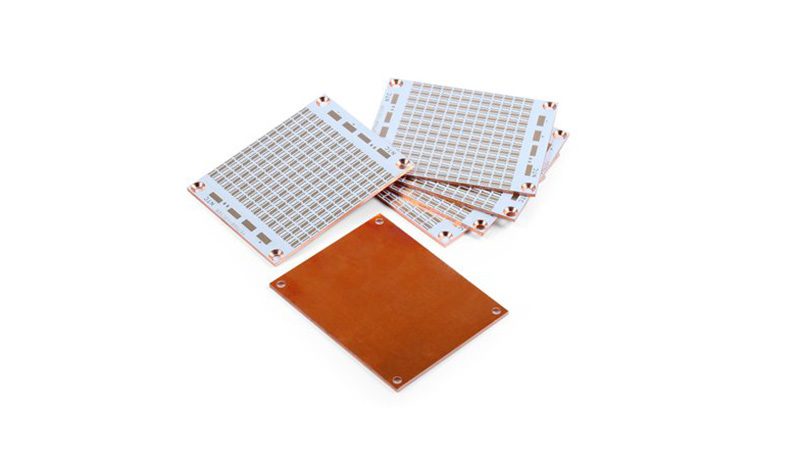
Why choose Thindry as your metal core PCB manufacturer?
Thindry specializes in the design and manufacturing of high-performance MCPCB, providing professional solutions for applications requiring stringent thermal management. Our metal-core circuit boards utilize aluminum or copper core materials to efficiently conduct heat generated by high-power components, ensuring stability and reliability in demanding environments. Compared to traditional FR-4 PCB, metal-core PCB offer significant advantages in thermal conductivity, mechanical strength, and device lifespan.
Reasons to choose Thindry include:
Professional Thermal Management Technology: Providing optimized heat dissipation solutions for LED, power supplies, and other high-temperature applications.
Engineering Support and Manufacturability Optimization: Experienced experts provide design guidance to ensure optimal thermal performance and reliability.
Global Manufacturing and Fast Delivery: Serving customers in multiple countries with scalable production and rapid global supply.
Reliability Assurance: A rigorous quality management system ensures that every MCPCB can withstand harsh environments.
Customized Solutions: Supporting single-layer, multi-layer, and hybrid designs to meet diverse customer needs in thermal, electrical, and mechanical performance.
Through Thindry, customers can obtain high-performance, scalable, and durable metal-core PCB products, providing stable support for high-power and high-heat load applications.
FAQ
1. What metal cores are commonly used in metal core PCB?
The most common metal core is aluminum, due to its lower cost and excellent thermal conductivity. Depending on the specific application requirements, copper or steel cores can also be used to improve heat dissipation or mechanical strength.
2. Are metal core PCB better than FR4 PCB?
Metal core PCB outperform FR4 PCB in terms of thermal performance, durability, and performance in high-power applications. However, due to their higher cost, FR4 PCB are still widely used in low-power or cost-sensitive projects.
3. Why are metal core PCB widely adopted?
Metal core PCB efficiently absorb and dissipate heat generated by electronic components, preventing overheating and extending device lifespan. Their superior thermal management capabilities and mechanical strength make them particularly popular in LED, power module, and high-temperature applications.
4. Can metal core PCB be assembled using standard SMT processes?
Yes, metal core PCB support surface mount technology (SMT). However, due to the different thermal expansion coefficients of the metal core and the substrate material, appropriate adjustments in design and process are necessary to ensure welding quality.
5. Are metal core PCB more expensive than standard PCB?
Metal core PCB are typically more expensive than standard PCB due to higher material costs and manufacturing process complexity. However, considering their superior heat dissipation, reliability, and lifespan, this investment is well worth it in high-power or demanding applications.
0 Comments