



Introduction: Why Japanese Electronics Brands NYT Still Matter in 2026
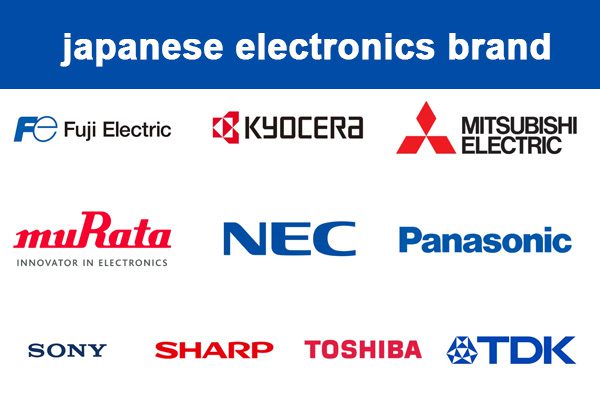
Japanese electronics brands NYT have a legacy of innovation and reliability that once defined the global tech industry—from Sony’s iconic Walkmans to Sharp’s pioneering LCD technology. Today, while these brands face new challenges, japanese electronics brand nyt remains a search term for consumers seeking quality, durability, and unique features. In this guide, we’ll unpack what makes these brands relevant, how to avoid common pitfalls when buying them, and answer the most pressing questions about japanese electronics brand nyt to help you make informed decisions.
The Rise and Evolution of Japanese Electronics Brands NYT
Japanese electronics brands didn’t just dominate markets—they redefined them. In the 1990s, japanese electronics brand nyt was synonymous with cutting-edge quality; Sony’s Walkman was as coveted as today’s iPhone, and Sharp’s LCD TVs set industry standards. Brands like Panasonic, Toshiba, and Hitachi built trust through decades of durable products—Hitachi refrigerators known to last 30 years, and Panasonic’s reputation for user-friendly design. But as global competition intensified, these brands faced setbacks: Sony’s slow pivot to digital music allowed Apple to overtake, while Sharp’s overinvestment in large panels led to market share losses. Yet, their core strengths—reliability, precision engineering, and functional innovation—keep japanese electronics brand nyt relevant for discerning buyers.
What Do Reddit Users Hate About Japanese Electronics Brands?
Reddit threads about japanese electronics brand nyt reveal consistent pain points. Users complain about:
- Overpricing: Panasonic air conditioners costing twice as much as comparable Chinese brands with similar specs.
- Outdated smart features: Lack of seamless app integration compared to Korean or American brands.
- Inflexible design: Compact sizes ideal for Japanese apartments but ill-suited for larger Western homes.
- Slow innovation: Reluctance to abandon niche features (like Sony’s overemphasis on MD player sound quality) instead of addressing user needs.
- Poor after-sales support: Limited service centers in North America and Europe for brands like Toshiba.
7 Key Factors to Consider When Buying Japanese Electronics Brands NYT
1. Prioritize Practicality Over Gimmicks
Japanese brands often excel at functional features, but avoid falling for “advanced” tech that doesn’t serve your needs. Sony’s expensive Aibo robot dog flopped because it lacked real utility—opt for products like Panasonic’s energy-efficient refrigerators or Sharp’s durable TVs that deliver everyday value.
2. Evaluate Cost-Performance Ratio
While japanese electronics brand nyt products tend to cost more, they often justify the price with longevity. A Toshiba washing machine may cost 30% more upfront but last 10+ years, outperforming cheaper alternatives that need replacement every 3-5 years.
3. Check Compatibility With Western Standards
Ensure products work with your local voltage, app ecosystems, and space. For example, Japanese microwaves with 100V voltage need transformers in North America, while compact rice cookers may not suit large families.
4. Research Recent Innovations
Brands like Sony have rebounded with mirrorless cameras and gaming hardware, while Panasonic leads in EV batteries. Focus on japanese electronics brand nyt lines that adapt to modern needs—like Sharp’s smart TVs with voice control or Toshiba’s compact, energy-saving laptops.
5. Read User Reviews for Real-World Experience
Reddit and Amazon reviews highlight critical details: Sony’s Bravia TVs have exceptional picture quality but may have buggy software, while Hitachi’s air conditioners are quiet but slow to cool large rooms.
6. Verify After-Sales Support
Choose brands with a strong local presence. Panasonic and Sony have better service networks in the U.S. and Europe compared to smaller brands like Mitsubishi. Look for warranties of 2+ years to protect your investment.
7. Consider Eco-Friendly Features
Japanese brands lead in energy efficiency—Panasonic’s ENERGY STAR-certified appliances and Toshiba’s solar-powered gadgets align with sustainability goals, adding long-term value.
How to Avoid Common Mistakes With Japanese Electronics Brands NYT
The biggest mistakes buyers make with japanese electronics brand nyt stem from ignoring user-centric needs and market realities. First, don’t overpay for legacy brands—Sharp’s TVs are no longer market leaders, so compare specs with Samsung or LG before buying. Second, avoid niche products with limited utility: Sony’s MiniDisc players failed because they ignored consumer demand for digital music storage. Third, don’t assume “Japanese quality” guarantees compatibility—always check voltage, size, and software compatibility for your region. Fourth, research brand health: Toshiba has sold off major divisions, so prioritize active brands like Panasonic or Sony for long-term support. Finally, don’t overlook customer service—test response times before purchasing, as some brands take weeks to address issues.
Top 5 Japanese Electronics Brands NYT to Watch in 2026
1. Panasonic
Leading in home appliances and EV components, Panasonic’s refrigerators, washing machines, and air conditioners balance durability and energy efficiency. Their Tesla battery partnership ensures ongoing innovation, making them a safe bet for reliable products.
2. Sony
Rebounded with industry-leading mirrorless cameras, gaming consoles (PlayStation), and noise-canceling headphones. Sony’s focus on core strengths has restored its reputation as a premium japanese electronics brand nyt.
3. Sharp
Regained momentum with affordable, high-quality TVs and kitchen appliances. Their compact, multi-functional microwaves (with oven capabilities) are popular among urban dwellers.
4. Hitachi
Known for long-lasting large appliances—refrigerators and washing machines that retain performance for decades. Hitachi’s focus on durability makes them ideal for buyers seeking low-maintenance products.
5. Toshiba
Specializes in budget-friendly laptops, small appliances, and semiconductors. While they’ve scaled back home appliances, their products offer solid value for cost-conscious consumers.
Real User Stories: Successes & Regrets With Japanese Electronics Brands NYT
A Reddit user shared: “I bought a Panasonic refrigerator 8 years ago, and it’s still going strong—survived two moves and never needed repairs. Worth every extra dollar.” Another user regretted a Sony smartphone: “Great camera, but terrible battery life and no software updates after a year. Should’ve gone with a Samsung.” These stories highlight that japanese electronics brand nyt excels in traditional appliances but may lag in fast-changing categories like smartphones.
FAQ: Common Questions About Japanese Electronics Brands NYT
Q1: Are Japanese electronics brands more reliable than Korean or Chinese brands?
A: Yes, on average. Studies show Panasonic, Hitachi, and Sharp appliances last 2-3 years longer than comparable Korean (Samsung/LG) or Chinese (Haier/Midea) brands. However, Korean brands often offer better smart features.
Q2: Why are Japanese electronics more expensive?
A: Higher costs stem from quality materials, precision manufacturing, and stricter quality control. Japanese brands also invest less in mass production, focusing on durability over volume.
Q3: Do Japanese electronics work in the U.S./Europe?
A: Most modern products are dual-voltage (100-240V) and compatible, but always check the label. Older or niche products may require transformers. Smart features like voice assistants may lack regional support.
Q4: Which Japanese brand is best for TVs?
A: Sony’s Bravia line offers top-tier picture quality, while Sharp provides better value. Avoid older Panasonic TV models, as they’ve fallen behind in smart tech.
Q5: Are Japanese electronics eco-friendly?
A: Yes—brands like Panasonic and Toshiba prioritize energy efficiency and recyclable materials. Many products meet ENERGY STAR or EU Eco-Label standards.
Q6: How do I get repairs for Japanese electronics in the U.S.?
A: Sony, Panasonic, and Sharp have authorized service centers in major cities. For smaller brands, third-party repair shops (like uBreakiFix) often offer support.
Q7: Are Japanese brands innovating anymore?
A: Yes—Sony leads in camera tech and gaming, Panasonic in EV batteries, and Sharp in compact, multi-functional appliances. They focus on incremental improvements rather than flashy gimmicks.
How Japanese Electronics Brands NYT Adapt to Modern Consumer Needs
To stay competitive, japanese electronics brand nyt are addressing user pain points. Sony now prioritizes software updates for its devices, while Sharp has expanded smart TV features to compete with Samsung. Panasonic has adjusted appliance sizes for Western markets, offering larger refrigerators and ovens. Brands are also leveraging their precision engineering for niche markets—like Sony’s professional cameras or Hitachi’s industrial equipment—where quality justifies premium pricing.
Comparing Japanese Electronics Brands NYT to Global Competitors
When stacked against Korean (Samsung/LG) and American (Apple/Google) brands, japanese electronics brand nyt stand out for durability and functional design. Samsung offers better smart features and lower prices, but Panasonic appliances last longer. Apple dominates the premium smartphone market, but Sony’s mirrorless cameras are preferred by professionals. For buyers valuing longevity over cutting-edge tech, Japanese brands remain unmatched—ideal for home appliances, cameras, and industrial equipment.
Final Thoughts: Why Japanese Electronics Brands NYT Are Worth Your Investment
Japanese electronics brand nyt may not always be the cheapest or most feature-packed, but their legacy of quality, durability, and functional innovation makes them a smart choice for long-term value. By avoiding common mistakes—like overpaying for niche products or ignoring compatibility—you can leverage their strengths to enhance your daily life. Whether you’re buying a Sony camera, Panasonic refrigerator, or Sharp TV, these brands deliver on their promise of reliability.
Ready to Upgrade Your Tech? Choose the Best Japanese Electronics Brands NYT
Don’t settle for subpar tech—invest in products that last. Our team at ThinDry curates the top japanese electronics brand nyt products, ensuring compatibility, value, and after-sales support for U.S. and European buyers. From Sony’s latest cameras to Panasonic’s energy-efficient appliances, we have the expertise to help you find the perfect fit. Contact us today at sales@pcbtry.com to place your order and experience the quality of Japanese electronics—backed by our 5-year warranty and 24/7 customer service. Your next reliable tech companion is just an email away!
0 Comments