



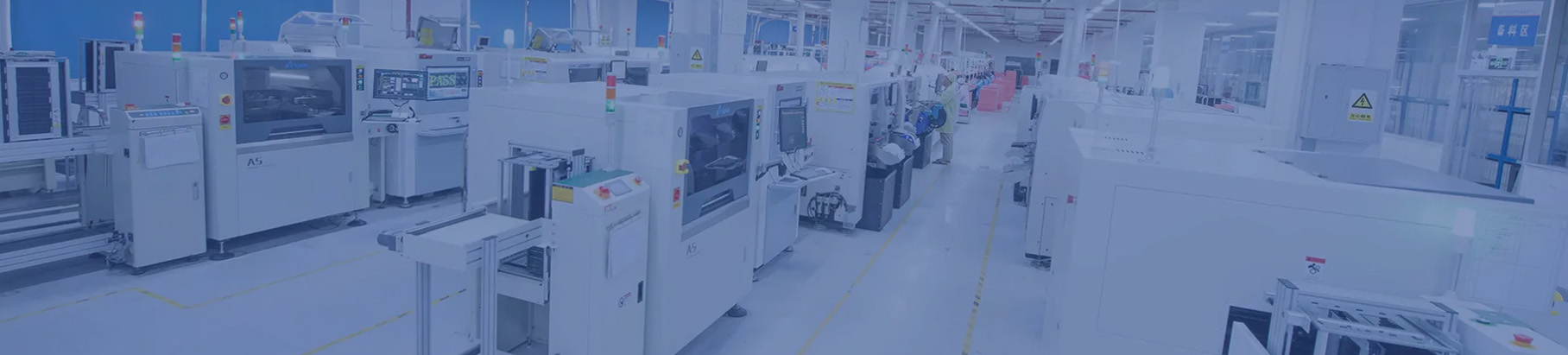
The Canadian PCB industry is defined by precision, compliance, and innovation, with leading manufacturers catering to sectors like aerospace, medical devices, and consumer electronics. This guide spotlights the top 10 PCB manufacturers in Canada, delivering insights into their capabilities, advantages, and how to select the right partner for your projects. Whether you need rapid prototyping, high-volume production, or custom design solutions, understanding the landscape of top 10 PCB manufacturers in Canada is key to unlocking efficient, reliable PCB services.

Are You Facing These Challenges?
- Prototyping Delays: Extended lead times for small-batch PCB prototypes that hinder product development timelines.
- Design Compatibility Issues: Difficulty finding manufacturers that align with complex PCB design specifications (e.g., high-frequency, multi-layer boards).
- Quality Inconsistencies: Receiving PCBs with soldering defects, signal interference, or non-compliance with Canadian industry standards (e.g., IPC-A-600).
- Limited Customization: Restrictions on material choices, board thickness, or special finishes (e.g., immersion gold, ENIG) for unique project requirements.
- Poor Communication: Lack of transparent updates on production progress, design revisions, or shipping status.
- Cost Overruns: Unexpected fees for design adjustments, rush orders, or compliance testing that disrupt budget planning.
End-to-End Support from Requirement to Delivery
At Thindry, we eliminate the friction in PCB procurement with a customer-centric, full-cycle solution designed to meet Canadian businesses’ unique needs:
- Consultative Design Assistance: Our engineering team collaborates with you to optimize PCB designs for manufacturability, reducing errors and ensuring compatibility with your end application.
- Rapid Prototyping: Leverage our advanced production lines to get high-quality prototypes in as fast as 24–48 hours, accelerating your product launch timeline.
- Strict Quality Control: Every PCB undergoes multi-stage inspections (AOI, X-ray, functional testing) and adheres to IPC and Canadian regulatory standards, guaranteeing reliability.
- Flexible Production Scales: Whether you need 10 prototypes or 100,000 production units, we scale seamlessly with consistent quality and competitive pricing.
- Transparent Project Management: Real-time updates via our customer portal, dedicated account managers, and 24/7 support ensure you’re informed at every step.
- Secure Logistics & Compliance: We handle all shipping, customs, and documentation within Canada, ensuring on-time delivery and compliance with local trade regulations.
Why Choose Thindry?
- Canadian-Based Expertise: Rooted in Canada, we understand local industry needs, compliance requirements, and supply chain dynamics, ensuring faster response times and tailored solutions.
- Cutting-Edge Manufacturing Capabilities: Specializing in multi-layer PCBs (up to 40 layers), high-frequency boards, flexible PCBs, and rigid-flex designs, with support for advanced materials like Rogers and Arlon.
- Proven Quality Track Record: ISO 9001 and IPC-certified, with a 99.8% defect-free rate and satisfied clients across aerospace, medical, and tech sectors.
- Cost-Effective Pricing: Transparent quoting with no hidden fees, plus volume discounts and flexible payment terms to fit your budget.
- Sustainable Practices: Eco-friendly production processes (lead-free soldering, waste reduction) aligned with Canada’s environmental regulations.
- Reliable Lead Times: Guaranteed on-time delivery for 98% of orders, with rush options available for time-sensitive projects.

Top 10 PCB Manufacturers in Canada (Company Profile Table)
| Company Name | Process Capabilities | Key Advantages | Address |
|---|---|---|---|
| Thindry PCB | Multi-layer PCBs (2–40 layers), flexible/rigid-flex PCBs, high-frequency boards, rapid prototyping | Canadian-based support, IPC-certified, 24–48hr prototyping, custom design optimization | Toronto, ON |
| Northern Circuits | Single/multi-layer PCBs, PCB assembly, box-build services | Aerospace/defense focus, AS9100 certified, vertical integration | Vancouver, BC |
| Canadian PCB Inc. | Prototyping, low-to-medium volume production, surface mount technology (SMT) | Competitive pricing, quick turnaround, local customer support | Montreal, QC |
| West Coast PCBs | High-density interconnect (HDI) PCBs, microvias, lead-free manufacturing | Medical device compliance (ISO 13485), advanced HDI capabilities | Victoria, BC |
| Ontario Circuits | Custom PCBs, PCB design services, small-batch production | Design-manufacturing integration, fast quote response, technical expertise | Ottawa, ON |
| Quebec PCB Solutions | Flexible PCBs, rigid-flex assemblies, high-temperature resistant boards | Bilingual support (English/French), regional logistics efficiency | Quebec City, QC |
| Prairies PCB Co. | Standard PCBs, prototyping, medium-volume production | Central Canada location, cost-effective for prairie-based businesses | Winnipeg, MB |
| Atlantic Circuits | Single-layer to 16-layer PCBs, PCB testing, assembly services | Maritime-focused logistics, personalized customer care | Halifax, NS |
| Advanced PCB Labs | High-precision PCBs, research-grade prototypes, custom material sourcing | R&D collaboration, specialized testing capabilities, cutting-edge technology | Calgary, AB |
| Canadian Electronics Manufacturing | Turnkey PCB solutions, from design to assembly, supply chain management | One-stop shop, global component sourcing, large-volume production capacity | Edmonton, AB |
How to Choose a PCB Manufacturer in Canada
- Verify Certifications: Ensure compliance with IPC standards (IPC-A-600, IPC-610) and industry-specific certifications (e.g., AS9100 for aerospace, ISO 13485 for medical).
- Evaluate Process Capabilities: Confirm the manufacturer can handle your PCB type (e.g., multi-layer, flexible, HDI) and technical requirements (e.g., board thickness, copper weight).
- Check Lead Times: Assess prototyping and production turnaround times to align with your project deadlines.
- Review Quality Control Measures: Inquire about inspection processes (AOI, X-ray) and defect rates to guarantee reliable products.
- Assess Design Support: Look for manufacturers offering design for manufacturability (DFM) assistance to reduce errors.
- Consider Local Presence: Prioritize Canadian-based manufacturers for faster communication, shorter shipping times, and easier compliance with local regulations.
- Compare Pricing Transparency: Request detailed quotes to avoid hidden fees for revisions, testing, or rush orders.
- Read Customer Testimonials: Check reviews from Canadian businesses to gauge satisfaction with service, quality, and on-time delivery.
- Evaluate Customization Flexibility: Ensure the manufacturer can accommodate special materials, finishes, or packaging needs.
- Assess Communication Channels: Confirm access to dedicated account managers and real-time project tracking tools.
Core Pain Points of PCB Manufacturers in Canada
- Supply Chain Disruptions: Dependence on global component suppliers leading to material shortages or delayed deliveries.
- Skilled Labor Shortages: Difficulty recruiting and retaining experienced PCB engineers and production technicians.
- Rising Material Costs: Volatility in prices of copper, laminates, and specialty materials impacting profit margins.
- Stringent Regulatory Compliance: Navigating complex Canadian and international standards (e.g., RoHS, REACH) adds administrative burden.
- Technological Obsolescence: Keeping up with rapid advancements in PCB technology (e.g., HDI, 5G-compatible boards) requires significant capital investment.
- High Operational Costs: Expenses related to facility maintenance, equipment upgrades, and energy use in Canada’s competitive market.
- Small Market Size: Limited local demand for niche PCB applications, forcing manufacturers to balance domestic and international sales.
- Competition from Global Manufacturers: Pressure from low-cost overseas suppliers while maintaining Canadian quality standards.
How to Evaluate the Production Capacity of PCB Manufacturers in Canada
- Maximum Layer Count: Confirm the ability to produce PCBs with your required number of layers (e.g., 4-layer, 20-layer, 40-layer).
- Monthly Production Volume: Assess if the manufacturer can handle your order size (e.g., 1k, 10k, 100k+ units per month).
- Equipment Capabilities: Check for advanced machinery (e.g., laser drillers, automated assembly lines) that ensures precision.
- Material Sourcing Network: Evaluate the manufacturer’s access to reliable suppliers for standard and specialty materials.
- Production Flexibility: Determine if they can adjust to design changes or rush orders without compromising quality.
- Quality Assurance Team Size: A dedicated QA team indicates a focus on consistent product quality.
- Certification Validity: Ensure certifications (ISO, IPC) are up-to-date and relevant to your industry.
- Past Project Experience: Review case studies or client portfolios to confirm experience with similar PCB types or applications.
- Expansion Capacity: Inquire about plans for scaling production to meet future growth in your order volume.
- Waste Reduction Measures: Efficient production processes (e.g., lean manufacturing) indicate operational maturity and cost-effectiveness.
How to Evaluate the Lead Time of PCB Manufacturers in Canada
- Prototyping Lead Time: Ask for average turnaround times for small-batch prototypes (e.g., 24hr, 3–5 days).
- Production Lead Time: Confirm lead times for medium-to-large volume orders (e.g., 7–10 days, 2–3 weeks).
- Rush Order Availability: Check if the manufacturer offers expedited services and associated costs.
- Design Review Turnaround: Evaluate how quickly they can provide DFM feedback or design revisions.
- Material Procurement Time: Inquire about lead times for sourcing specialty materials or components.
- Shipping and Logistics Partnerships: Manufacturers with trusted local logistics partners often deliver faster within Canada.
- Order Tracking System: A transparent tracking tool allows you to monitor progress and anticipate delivery.
- On-Time Delivery Rate: Request data on past on-time delivery performance (aim for 95%+).
- Contingency Plans: Ask how they handle delays (e.g., material shortages, equipment issues) to minimize impact on your timeline.
- Communication of Delays: Ensure they proactively notify you of potential delays and offer solutions.
Common FAQs About PCB Manufacturers in Canada (with Solutions)
Q: How can I ensure my PCB meets Canadian industry standards?
A: Choose a manufacturer certified to IPC-A-600 (PCB quality) and relevant industry standards (e.g., ISO 13485 for medical). Request a copy of their certification and quality control reports for your order.
Q: What is the typical lead time for PCB prototyping in Canada?
A: Leading manufacturers like Thindry offer 24–48hr prototyping; standard lead times range from 3–5 days. Rush options can shorten this further for time-sensitive projects.
Q: Can Canadian PCB manufacturers handle custom flexible or rigid-flex PCBs?
A: Yes—top manufacturers (e.g., Thindry, Quebec PCB Solutions) specialize in flexible and rigid-flex designs. Provide detailed specifications (e.g., bend radius, layer stack) for accurate quoting.
Q: How do I avoid cost overruns with PCB manufacturing?
A: Request a comprehensive quote that includes design reviews, material costs, testing, and shipping. Clarify fees for revisions upfront and work with the manufacturer on DFM to reduce errors.
Q: What materials are commonly used by Canadian PCB manufacturers?
A: Standard materials include FR-4 (flame-retardant epoxy), with specialty options like Rogers (high-frequency), Arlon, and polyimide (flexible PCBs) available for custom projects.
Q: How can I resolve communication issues with a PCB manufacturer?
A: Select a manufacturer with dedicated account managers and real-time tracking tools. Establish clear communication channels (e.g., email, phone, portal) and set regular update checkpoints.
Q: Are Canadian PCB manufacturers able to handle high-volume production?
A: Yes—companies like Canadian Electronics Manufacturing and Northern Circuits offer high-volume production with scalable lines and consistent quality control.
Q: What should I do if my PCB has quality defects?
A: Contact the manufacturer immediately with photos and details of the defect. Reputable companies like Thindry offer replacement or rework under warranty, with root-cause analysis to prevent recurrence.
This guide highlights the top 10 PCB manufacturers in Canada, addresses key industry challenges, and equips you with the tools to select a reliable partner—proving that the top 10 PCB manufacturers in Canada deliver exceptional quality, flexibility, and support for all your PCB prototyping, manufacturing, and design needs.
0 Comments