



Introduction
As electronic devices evolve towards higher performance and miniaturization, thermal management issues are increasingly becoming a bottleneck restricting the advancement of electronic technology. Traditional FR4 substrates, with their poor thermal conductivity (approximately 0.3 W/m·K), struggle to meet the heat dissipation demands of high-power-density equipment. Metal Core Printed Circuit Boards (MCPCBs) have emerged to address this need. These are special printed circuit boards that use a metal substrate (such as aluminum, copper, or iron alloy) as the core layer, significantly improving heat dissipation efficiency through the superior thermal conductivity of the metal base.
MCPCBs not only solve heat dissipation problems in high heat flux density devices but also provide exceptional dimensional stability, higher power density, and longer service life. In recent years, with the rapid development of LED lighting, automotive electronics, power supply equipment, and aerospace technology, MCPCBs have found widespread application in these fields, becoming an indispensable key component in the electronics industry. According to market reports, the Chinese MCPCB market size reached billions of RMB in 2025, showing a continuous growth trend. This article will comprehensively explore all aspects of MCPCBs, providing a professional reference for CCL and PCB practitioners.
1. What is a Metal Core PCB?
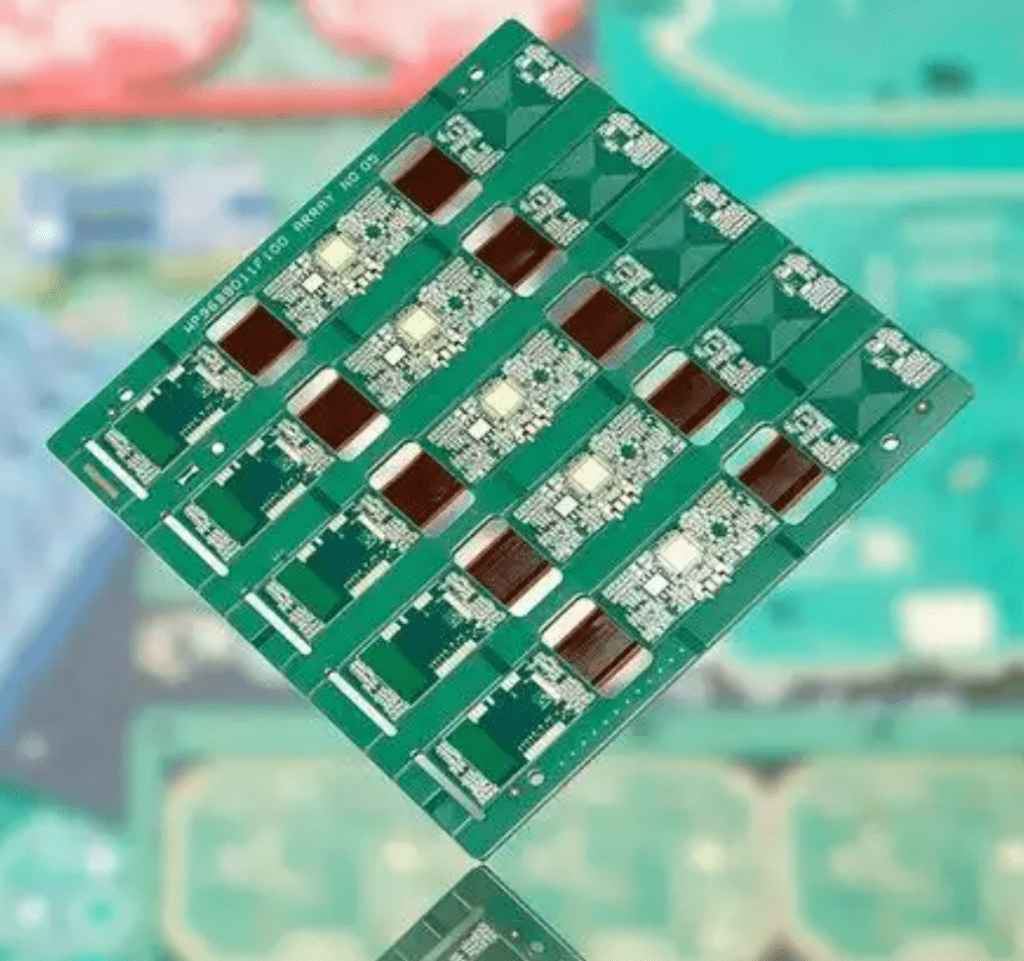
A Metal Core Printed Circuit Board (MCPCB), also known as a thermal conductive board or metal-backed PCB, is a special type of printed circuit board that uses a metal substrate material instead of traditional FR4 as the base. Its basic structure consists of a circuit layer, a dielectric layer, and a metal core layer. This unique structure enables it to rapidly conduct heat generated by electronic components to the metal substrate, which then dissipates it into the surrounding environment, effectively lowering the operating temperature of the components.
1.1 Basic Structure
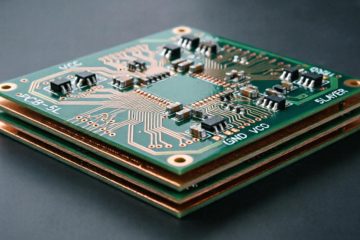
The typical structure of a Metal Core PCB includes the following key layers:
- Circuit Layer: The outermost layer, typically composed of electrolytic copper foil, forming the circuit pattern.
- Dielectric Layer (Insulating Layer): Located between the circuit layer and the metal core layer, it provides electrical insulation while maintaining good thermal conductivity.
- Metal Core Layer: The core part of the substrate, usually made of aluminum or copper, responsible for heat dissipation.
- Solder Mask Layer: Covers the circuit layer, preventing short circuits and oxidation.
- Heat Sink (Optional): In some designs, the metal core layer is connected to an additional heat sink to further enhance cooling.
1.2 Material Properties
The components of a Metal Core PCB possess distinct material characteristics:
- Metal Core Material: Common metal core materials include aluminum, copper, and iron alloys. Aluminum offers advantages in cost and weight, with typical thicknesses of 0.8-2.0mm; copper provides better thermal conductivity but at a higher cost, generally with thicknesses of 1-5mm.
- Dielectric Layer Material: Special polymer dielectric materials that not only provide electrical insulation but also exhibit good thermal conductivity. The thermal conductivity of the dielectric layer typically ranges between 1.5-2.0 W/(m·K), with some high-performance MCPCBs reaching up to 8-400 W/m·K.
- Circuit Layer Material: Typically uses electrolytic copper foil, with thicknesses ranging from 0.5 to 3.0 oz.
1.3 Working Principle
The core working principle of a Metal Core PCB is rapid heat conduction through the metal substrate. Heat generated by electronic components during operation is conducted through the circuit layer to the dielectric layer, quickly absorbed by the metal core layer, and finally dissipated by the metal core layer into the environment. This thermal management mechanism is 8 to 9 times more efficient at heat dissipation than traditional FR4 PCBs, effectively preventing component failure due to overheating and significantly improving device reliability and service life.
2. Types of Metal Core PCBs
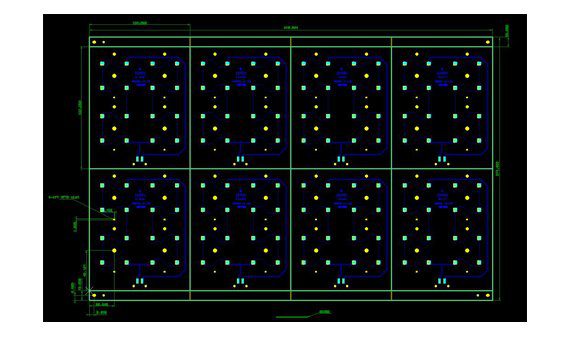
Metal Core PCBs can be categorized into various types based on the position of the metal core and the number of trace layers, each with its unique structural characteristics and application scenarios.
2.1 Single-Layer Metal Core PCB
The single-layer Metal Core PCB is the simplest type, featuring conductive traces on only one side of the substrate. Its structure, from bottom to top, includes: metal substrate (usually aluminum or copper), dielectric layer, single copper circuit layer, solder mask, and components.
Main Features:
- Simple structure, low manufacturing cost
- Excellent thermal performance, superior heat transfer characteristics compared to FR4 materials
- Resistant to damage and deformation, especially in high-temperature environments
- Suitable for high-power switching applications
Single-layer MCPCBs typically use SMT (Surface Mount Technology) for component placement, effectively handling heat dissipation issues in circuit design, reducing device temperature, and increasing power density.
2.2 Double-Sided Metal Core PCB
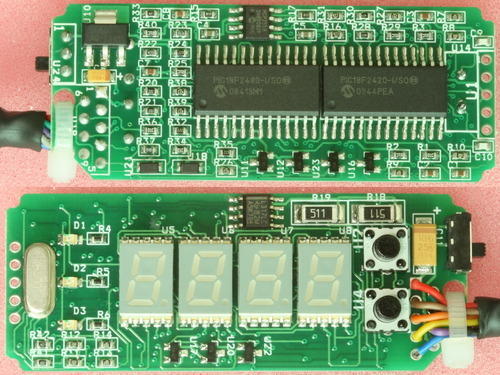
Double-sided Metal Core PCBs have conductive traces on both sides of the substrate, with interlayer connections achieved through plated through-holes. This type of MCPCB is more complex in design and manufacture, requiring special processes to ensure electrical insulation between the metal core and the vias during via formation.
Structural Variants:
- Double-layer Metal Core PCB: Two trace layers located on the same side of the metal core
- Double-sided Metal Core PCB: One trace layer on each side of the metal core
Advantages:
- Improved reliability in high-temperature environments
- Excellent thermal expansion characteristics, better coping with thermal cycling
- Superior thermal conductivity and insulation between layers via the metal core
2.3 Multilayer Metal Core PCB
Multilayer Metal Core PCBs contain three or more conductive trace layers. The structure is similar to FR4 multilayer boards but more complex in design and manufacture. This structure may require more components, placing ground and signal layers on separate layers for better performance.
Technical Features:
- Substrate materials include copper, aluminum, or iron alloys, selected based on application requirements
- Board thickness ranges from 0.8mm to 3mm
- Copper thickness ranges from 0.5 oz to 3.0 oz
- Solder mask colors include white, black, green, blue, or red
- Surface finishes can include ENIG, OSP, HASL, etc.
Multilayer Metal Core PCBs require more work, experience, and technology in lamination, resulting in higher costs, but performance surpasses other PCB types.
2.4 Special Structure Metal Core PCBs
Beyond the basic types, there are special structure Metal Core PCBs designed based on thermal distribution characteristics:
- Symmetrical Structure: The metal core is located in the center of the PCB, with identical dielectric thickness on both sides, facilitating balanced heat conduction and reduced warpage.
- Asymmetrical Structure: The metal core is offset to one side, suitable for applications with a primary heat source on one side.
- Localized Metal Core Structure: Metal blocks are embedded only in local high-heat areas, providing targeted cooling for localized hotspots.
Table: Comparison of Different Types of Metal Core PCBs
| Type | Structural Features | Thermal Performance | Manufacturing Cost | Primary Applications |
|---|---|---|---|---|
| Single-Layer MCPCB | Single-side circuits, simple structure | Good | Low | LED Lighting, Simple Power Devices |
| Double-Sided MCPCB | Double-side circuits, insulated vias needed | Better | Medium | Automotive Electronics, Power Supplies |
| Multilayer MCPCB | Multi-layer circuits, complex structure | Excellent | High | Aerospace, Communication Equipment |
| Symmetrical MCPCB | Centered core, balanced heat conduction | Balanced | Medium-High | High-Density, High-Frequency Applications |
| Localized MCPCB | Local metal blocks, targeted cooling | Local High Efficiency | Medium | Devices with Localized Hotspots |
3. Advantages of Using Metal Core PCBs
Leveraging their unique structure and material properties, Metal Core PCBs demonstrate multiple advantages in thermal management for electronic equipment, making them an irreplaceable solution in high-power, high-temperature applications.
3.1 Superior Thermal Performance
The most significant advantage of Metal Core PCBs is their excellent heat dissipation capability. Compared to traditional FR4 PCBs, MCPCBs have a higher thermal conductivity, typically ranging from 1-2 W/(m·K), whereas FR4 is only about 0.3 W/(m·K). Some high-performance MCPCBs can even achieve thermal conductivity rates of 8-400 W/m·K, transferring heat 8 to 9 times faster than FR4 PCBs.
This efficient thermal performance allows MCPCBs to:
- Rapidly transfer heat from heating components to the metal substrate
- Prevent hotspot formation, resulting in a more uniform temperature distribution
- Lower operating temperatures, increasing component reliability and lifespan
- Enable higher power density designs
3.2 Excellent Dimensional Stability
Metal Core PCBs exhibit exceptional dimensional stability under varying temperature conditions. Experiments show that when the ambient temperature rises from 30°C to 150°C, the dimensional change of an MCPCB is only 2.5% to 3.0%, significantly lower than traditional FR4 substrates.
This dimensional stability offers the following benefits:
- Reduces thermal stress on components and solder joints
- Maintains board shape and flatness, preventing warping and deformation
- Improves assembly accuracy and product consistency
3.3 Higher Recyclability and Environmental Friendliness
Metal Core PCBs have higher recyclability, aligning with the eco-design requirements of modern electronics. Materials like aluminum and copper are non-toxic and easily recyclable, reducing the environmental burden of electronic waste.
Taking aluminum as an example:
- Easily recyclable, can be reused multiple times without performance degradation
- Low mining and refining costs, more cost-effective than heat sinks
- Non-toxic and environmentally friendly, compliant with directives like RoHS
3.4 Longer Lifespan and Higher Reliability
Metal Core PCBs are more robust and durable than ceramic and glass fiber PCBs, offering a longer service life. The metal substrate can withstand physical shock and mechanical stress, reducing the risk of damage during manufacturing and assembly stages, resulting in sturdier and more reliable end products.
Furthermore, Metal Core PCBs can:
- Withstand extreme temperatures and thermal cycling
- Resist moisture and harsh environmental conditions
- Provide electromagnetic shielding (especially when using ferromagnetic materials)
3.5 Design Advantages
From a design perspective, Metal Core PCBs also offer the following advantages:
- Reduce heat sink requirements, or allow for smaller heat sinks for the same cooling needs
- Support higher current designs, with copper-based MCPCBs handling currents over 100A
- Allow for thinner copper layers, reducing overall PCB thickness and cost
- Increase power density, enabling higher power output in smaller spaces
4. Metal Core PCB Technical Specifications
The technical specifications of Metal Core PCBs are crucial for ensuring their performance and reliability. Understanding these parameters is essential for the proper design and application of MCPCBs.
4.1 Metal Substrate Material Specifications
The performance of a Metal Core PCB largely depends on the choice of metal substrate material. Common metal substrate materials include:
Aluminum Substrate:
- Thickness Range: 0.8-2.0 mm
- Thermal Conductivity: 1.5-2.0 W/(m·K)
- Advantages: Low cost, light weight, good processability
- Applications: LED lighting, general power supply equipment
Copper Substrate:
- Thickness Range: 1-5 mm
- Thermal Conductivity: Higher than aluminum, superior heat dissipation
- Advantages: Excellent thermal conductivity, high mechanical strength
- Disadvantages: Higher cost, heavier weight
- Applications: High-power LEDs, automotive electronics
Iron Alloy Substrate:
- Characteristics: Lower thermal conductivity but higher stiffness
- Advantages: Provides electromagnetic shielding effect
- Applications: Specific power supply equipment fields
4.2 Dielectric Layer Technical Parameters
The dielectric layer is a critical part of the Metal Core PCB, requiring both reliable electrical insulation and good thermal conduction.
Key Parameters:
- Thermal Conductivity: 1.5-2.0 W/(m·K), high-performance MCPCBs can exceed 3 W/m·K
- Breakdown Voltage: >3000 V
- Dielectric Loss Tangent: 0.03
- Solder Resistance: Can withstand >180 seconds at 288°C
- Peel Strength: >9 lb/in
4.3 Overall Performance Indicators
Overall performance indicators for Metal Core PCBs include:
- Thermal Conductivity: 1.5-400 W/m·K (depending on material and structure)
- Flammability: UL 94V-0 standard
- Maximum Operating Temperature: 140°C
- Manufacturing Process Temperature Limit: 250°C~300°C
- Coefficient of Thermal Expansion (CTE): Better than FR4, providing improved dimensional stability
Table: Key Performance Parameters for Metal Core PCBs
| Performance Parameter | Typical Value/Range | Test Condition/Standard | Significance |
|---|---|---|---|
| Thermal Conductivity | 1.5-400 W/(m·K) | Steady-State Heat Flow Method | Determines Heat Dissipation Efficiency |
| Breakdown Voltage | >3000 V | IEC Standard | Electrical Safety Performance |
| Dielectric Loss Tangent | 0.03 | @ 1MHz | Key Parameter for High-Frequency Applications |
| Peel Strength | >9 lb/in | IPC-TM-650 | Interlayer Bond Reliability |
| Solder Resistance | >180 seconds | @ 288°C | Suitability for Soldering Processes |
| Flammability | UL 94V-0 | UL Standard | Product Safety Performance |
| Dimensional Stability | 2.5-3.0% | Change from 30°C to 150°C | Reliability in High-Temp Applications |
4.4 Special Technical Requirements
Depending on the application environment, Metal Core PCBs may have additional special technical requirements:
- Automotive Electronics Applications: Require high temperature resistance, vibration resistance, and long life.
- Aerospace Applications: Must withstand extreme temperatures, thermal cycling, and mechanical shock.
- High-Frequency Applications: Need controlled dielectric constant and loss tangent.
- High-Voltage Applications: Require higher breakdown voltage and creepage distance.
5. Metal Core PCB Design Guide
Designing Metal Core PCBs requires comprehensive consideration of thermal management, electrical performance, mechanical structure, and manufacturing processes, presenting significant differences from conventional PCB design.
5.1 Thermal Design Considerations
Thermal design is the core of Metal Core PCB design, directly impacting product performance and reliability.
Thermal Path Optimization:
- Direct Thermal Path: High-heat components should be placed directly over the metal substrate area to ensure the shortest thermal path.
- Use of Thermal Vias: In non-metal core areas, thermal vias can be used to conduct heat to the metal core.
- Dielectric Layer Selection: Choose dielectric materials with high thermal conductivity to reduce thermal resistance.
Thermal Expansion Matching:
- Consider the Coefficient of Thermal Expansion (CTE) matching between component materials, PCB materials, and the metal substrate.
- In high-power cycling applications, using a symmetrical metal core structure can reduce warping and stress.
5.2 Electrical Design Key Points
Electrical design for Metal Core PCBs requires special attention to insulation and signal integrity.
Insulation Design:
- Dielectric Layer Thickness: Determine sufficient dielectric layer thickness based on operating voltage to ensure electrical safety.
- Creepage Distance: Adequate creepage distance must be considered for high-voltage applications.
Circuit Design:
- Grounding Strategy: The metal substrate is typically grounded, providing electromagnetic shielding and better heat conduction.
- Signal Integrity: In multilayer MCPCBs, separating signal and ground layers can reduce interference.
- Power Distribution: Utilize the good conductivity of the metal core to optimize the power distribution network.
5.3 Mechanical Structure Design
The mechanical design of Metal Core PCBs must consider the properties of the metal material and machining requirements.
Mounting and Fixing:
- Mounting Hole Design: Provide appropriate mounting holes to ensure good contact between the metal substrate and the heat sink or chassis.
- Contact Pressure: Apply sufficient contact pressure to reduce thermal contact resistance.
Dimensional Stability Control:
- Symmetrical Structure: Use symmetrical lamination structures to minimize deformation caused by temperature changes.
- Edge Treatment: Metal edges require proper treatment to prevent burrs and short circuits.
5.4 Design for Manufacturing (DFM) Considerations
The manufacturing process for Metal Core PCBs differs from traditional PCBs, requiring consideration of manufacturing requirements during design.
Processing Characteristics:
- Cutting Method: V-cut scoring requires diamond-coated saw blades.
- Drilling Parameters: If through-holes are present, special drilling and plating processes are needed.
- Lamination Process: Multilayer Metal Core PCBs require specific lamination process parameters.
Design Rules:
- Minimum Trace Width/Spacing: Determined based on copper thickness and manufacturing capability.
- Pad Design: Consider thermal balance to avoid localized overheating.
- Solder Mask Design: Typically, white solder mask is used only on the top side.
6. Metal Core PCB Manufacturing Process
The manufacturing process for Metal Core PCBs differs significantly from traditional FR4 PCBs, requiring specialized equipment and techniques.
6.1 Key Manufacturing Steps
The manufacturing process for Metal Core PCBs involves the following key steps:
Material Preparation:
- Metal Substrate Treatment: Clean the metal substrate and perform surface treatment to improve adhesion.
- Dielectric Layer Preparation: Select suitable dielectric film, ensuring thermal conductivity and insulation.
Lamination Process:
- Thermal Pressing: Bond the copper foil, dielectric layer, and metal substrate together through a thermal pressing process.
- Temperature Control: The manufacturing process temperature needs to be controlled between 250°C and 300°C.
- Pressure Control: Precisely control lamination pressure to avoid overly thin or damaged dielectric layers.
Circuit Formation:
- Pattern Transfer: Use traditional photolithography to transfer the circuit pattern onto the copper layer.
- Etching Process: Employ differential etching technology to control undercut in fine lines.
- Copper Thickness Handling: Special etching parameters are required for thick copper PCBs (2-20 oz).
6.2 Special Process Challenges
Manufacturing Metal Core PCBs faces specific process challenges that require corresponding solutions:
Drilling and Via Formation:
- Via Insulation: In double-sided and multilayer MCPCBs, vias require special insulation treatment.
- Pre-drill Fill Process: For MCPCBs with through-holes, an expensive pre-drill fill process is necessary.
Surface Finish:
- Selection Range: Surface finishes like HASL, ENIG, OSP can be used.
- Thermal Management: The surface finish must consider thermal conduction requirements.
Solder Mask Application:
- Color Selection: White solder mask is typically used, applied only to the top side.
- Thermal Performance: The solder mask must consider heat resistance and thermal conductivity.
6.3 Quality Control and Testing
Quality control is crucial for Metal Core PCBs and requires specialized testing methods:
Performance Testing:
- Thermal Conductivity Test: Measure thermal conductivity to ensure thermal performance meets requirements.
- Insulation Test: Verify the breakdown voltage and insulation resistance of the dielectric layer.
- Bond Strength Test: Test the adhesion strength between the dielectric layer and the metal substrate.
Reliability Testing:
- Thermal Cycle Testing: Evaluate board reliability under temperature variations.
- Power Cycle Testing: Simulate actual operating conditions to test heat dissipation performance.
- Mechanical Shock Testing: Verify structural integrity, particularly for automotive and aerospace applications.
7. Main Applications of Metal Core PCBs
Leveraging their excellent thermal performance and reliability, Metal Core PCBs are widely used in numerous fields, becoming the preferred solution for high-power, high-temperature environments.
7.1 LED Lighting Sector
LED lighting is the primary application area for Metal Core PCBs. High-power LEDs generate significant heat, which, if not dissipated promptly, leads to reduced luminous efficacy and shortened lifespan.
Specific Applications:
- General Lighting: LED bulbs, tubes
- Professional Lighting: Stage lighting, architectural lighting
- Automotive Lighting: Headlights, tail lights
- Street Lighting: Street lamps, tunnel lights
Application Advantages:
- Reduce LED Count: Fewer LEDs needed for the same illumination level
- Extend Service Life: Significantly prolongs LED lifespan through effective cooling
- Improve Luminous Efficacy: Maintains LEDs at optimal operating temperature, increasing light output efficiency
7.2 Automotive Electronics Sector
Automotive electronics demand extremely high reliability and temperature adaptability, areas where Metal Core PCBs are extensively used.
Specific Applications:
- Power Regulators: Automotive power management and distribution systems
- Ignition Systems: Engine Control Units (ECUs)
- Lighting Systems: Headlights, tail lights, interior lights
- Battery Management Systems (BMS): Monitoring and management for electric vehicle batteries
- Cooling Systems: Engine cooling control
Application Advantages:
- High-Temperature Resistance: Can withstand high temperatures in engine compartments
- Vibration Resistance: Metal substrate provides better mechanical stability
- Long Lifespan: Meets the automotive industry’s demands for long life and high reliability
7.3 Power Supply Equipment
Power supply equipment often generates substantial heat, making Metal Core PCBs crucial in this field.
Specific Applications:
- Power Converters: AC/DC, DC/DC converters
- Switching Regulators: Voltage regulation and stabilization
- High-Density Power Conversion: High-power-density power modules
- Uninterruptible Power Supplies (UPS): Backup power systems
- Photovoltaic Inverters: Solar power generation systems
Application Advantages:
- High Power Density: Supports more compact power supply designs
- Reduce Heat Sinks: Lowers cooling requirements and costs
- Improve Efficiency: Enhances power conversion efficiency through temperature control
7.4 Aerospace and Military Applications
Aerospace and military applications have extremely high reliability requirements for electronic equipment, where Metal Core PCBs play a key role.
Specific Applications:
- Avionics: Flight control systems
- Satellite Systems: Communication and navigation systems
- Military Equipment: Radar, communication devices
- Navigation Systems: GPS and inertial navigation systems
Application Advantages:
- Extreme Temperature Adaptability: Can withstand extreme temperature variations
- Resistance to Mechanical Shock: Tolerates frequent mechanical shock and vibration
- Long-Term Reliability: Maintains long-term reliability in harsh environments
7.5 Other Application Fields
Beyond the main areas mentioned above, Metal Core PCBs also play important roles in the following applications:
- Industrial Control: Motor drives, solid-state relays
- Audio Equipment: High-fidelity amplifiers, speaker systems
- Medical Equipment: Medical imaging, therapeutic devices
- Communication Equipment: Base stations, RF power amplifiers
- Motion Control: Servo drives, motion controllers
Summary
As a key technology for electronic thermal management, Metal Core PCBs have evolved into an indispensable solution for high-power, high-temperature application fields. By replacing traditional FR4 materials with metal substrates, MCPCBs provide superior thermal performance, excellent dimensional stability, and longer service life. With the continuous development of LED lighting, automotive electronics, power supply equipment, and aerospace technology, the importance of Metal Core PCBs will further increase.
Future Metal Core PCB technology will advance towards higher thermal conductivity, more complex multilayer structures, and higher integration levels. Simultaneously, with the emergence of new materials and processes, such as ceramic substrates and direct bond copper (DBC) technology, the performance of Metal Core PCBs will keep improving, and their application fields will continue to expand.
For designers, a deep understanding of the characteristics, design principles, and manufacturing processes of Metal Core PCBs is crucial for developing high-performance, high-reliability electronic equipment. By rationally selecting and applying Metal Core PCBs, a competitive advantage can be gained in the face of increasingly severe thermal management challenges, driving electronic technology to higher levels of development.
0 Comments