



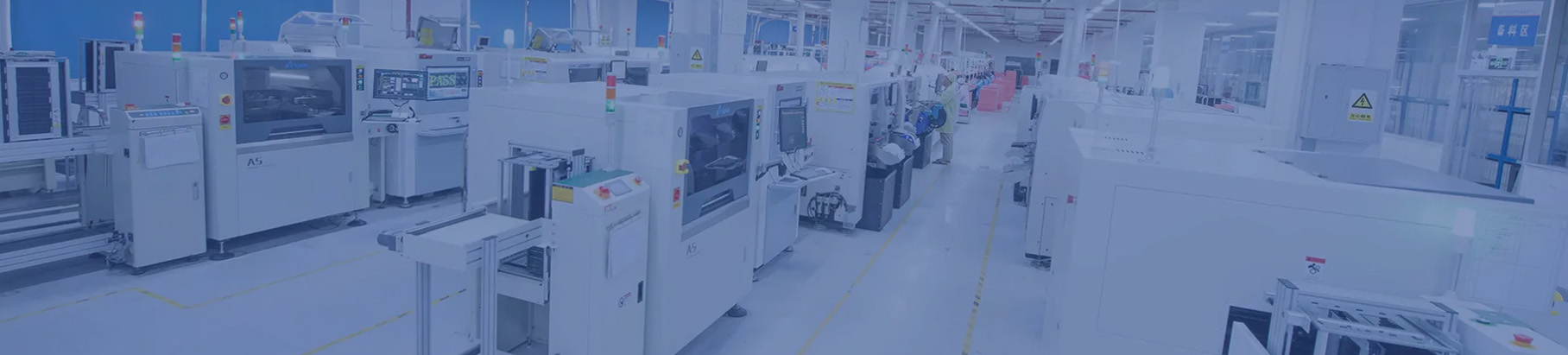
PCB are indispensable components in almost all electronic products. To assemble products according to required configurations, the core PCB is sometimes manufactured by the product owner, and in most cases by the supplier. But when it comes to manufacturing, one of the most common questions is: How much does a PCB Cost? Let’s analyze the main factors that determine the price of a PCB.
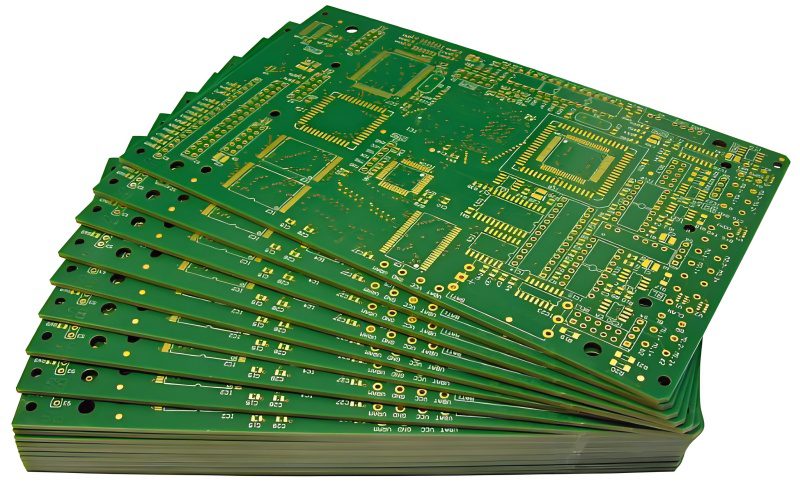
What should be considered when purchasing PCB?
When procuring PCB, setting reasonable prices and selecting suitable manufacturers are crucial. PCB costs are influenced by various factors. While some cost aspects cannot be significantly reduced, scientific selection and evaluation can keep prices within a reasonable range.
1. Choosing the Right PCB Manufacturer: Selecting a manufacturer with advanced production equipment, a rigorous quality control system, and a good customer reputation is key to ensuring product quality and delivery time. Excellent suppliers can not only meet complex process requirements but also improve production efficiency while ensuring quality.
2. Price Transparency: Quotations should be clear, transparent, and conform to industry standards. The purchaser should thoroughly analyze the price details provided by the manufacturer to avoid unreasonable or hidden fees. Before entering the production stage, all cost details must be confirmed and agreed upon.
3. Customer Support: Comprehensive after-sales service reflects the manufacturer’s responsibility and credibility. When quality or warranty issues arise, the manufacturer should respond promptly and provide solutions. Good customer support not only ensures a good user experience but also helps maintain the brand’s long-term reputation.
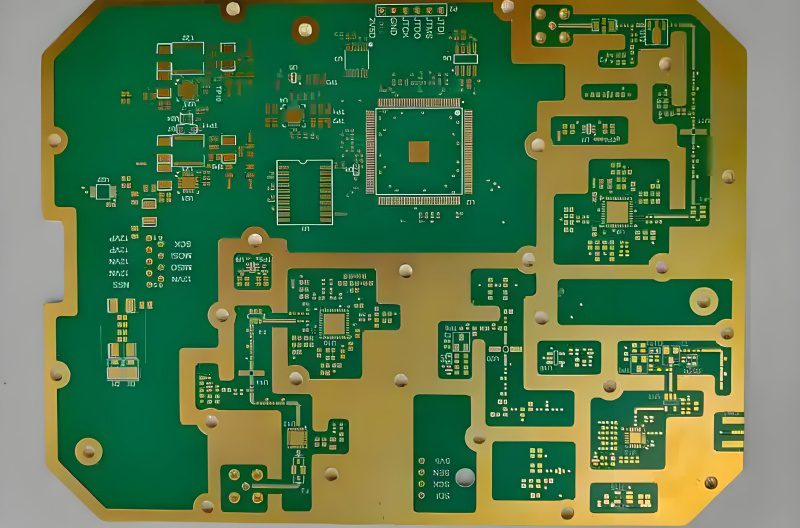
PCB design cost breakdown
When developing a PCB design budget, multiple factors need to be considered. Different design requirements and project complexity will directly affect costs. The following are the main cost components:
- 1. Design Complexity
Design complexity is the core factor affecting PCB design costs, mainly reflected in:
Number of Layers: From single-layer to multi-layer boards, the more layers, the higher the design difficulty and cost.
Component Density: The more compact the component layout, the more difficult the routing planning, and the higher the design cost.
Routing Requirements: Special structures such as high-density routing, micro-blind vias, and buried vias will increase design costs.
- 2. Design Requirements and Specifications
Impedance Control: Designs with high signal integrity requirements require strict impedance matching, which increases costs accordingly.
Power and Ground Layer Design: Complex power and ground layer planning requires more time and technical support.
Design Rule Check (DRC): Ensuring the design meets manufacturing and reliability standards will also increase costs.
- 3. Designer Experience and Technical Skills
The designer’s professional capabilities directly affect costs. Senior designers can complete complex projects more efficiently and therefore charge relatively higher fees; while less experienced designers may charge lower fees, but may require a longer design cycle.
- 4. Project Cycle and Rush Requests
If clients have urgent delivery requirements, additional rush fees are usually required to ensure on-time project completion.
- 5. Additional Services and Technical Support
Some design companies offer value-added services such as technical consultation, document optimization, and production data output, which are also included in the overall cost.
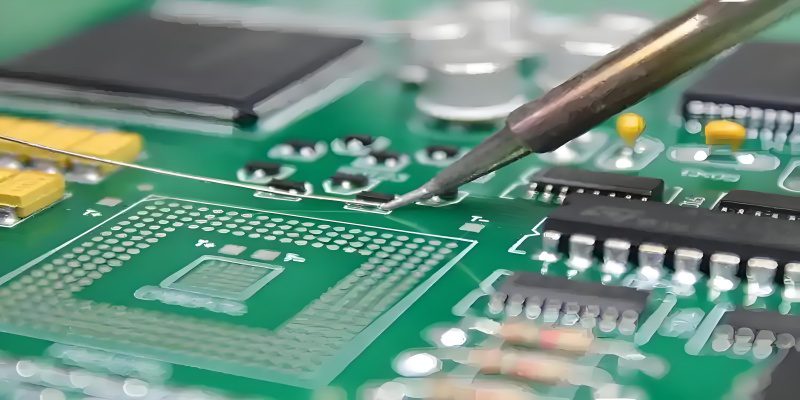
Main factors affecting PCB prices
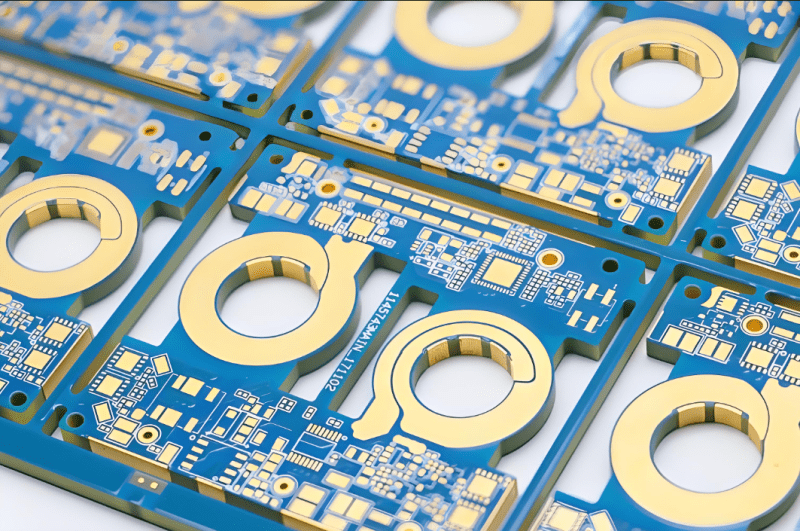
1. Material Differences: PCB use a wide variety of materials, such as FR-4 and CEM-3. Different board materials, thicknesses, and copper foil thicknesses all affect costs. Furthermore, the type of solder resist (thermosetting ink, photosensitive green ink) also contributes to price differences. Material selection is the primary factor causing PCB price variations.
2. Manufacturing Process: Different manufacturing processes result in different costs. For example, gold-plated boards versus tin-plated boards, milled boards versus stamped boards, and silkscreened circuits versus dry-film circuits all affect the final price.
3. Design Complexity: Even with the same materials and processes, design complexity still leads to cost variations. Smaller apertures and finer line widths and spacing increase manufacturing difficulty and scrap rates, thus driving up prices.
4. Customer Requirements: Different manufacturing standards also affect costs. Higher standards (such as IPC Class 3) have stricter requirements, lower yield rates, and correspondingly higher testing and control costs.
5. Manufacturer Differences: Different manufacturers have differences in process capabilities, equipment levels, and quality control, leading to price variations for similar products. Some manufacturers specialize in high-precision gold-plated boards, while others focus more on producing economical tin-plated boards, which leads to differences in price ranges.
Other factors affecting PCB prices
Besides key factors such as materials, processes, and manufacturing complexity, several other factors also influence PCB costs.
For example, delivery time, the choice of assembly or turnkey component manufacturing solutions, and different logistics methods can all alter overall indirect costs. Properly planning delivery schedules and transportation methods can not only reduce costs but also improve supply chain efficiency.
Furthermore, repeat orders, long-term partnerships, and stable supply chain management can lead to loyalty discounts or special offers. Maintaining good communication and building trust with suppliers helps secure more competitive pricing while ensuring product quality.
Overall, efficient intelligent design and effective supplier collaboration are crucial for achieving a balance between cost control and quality. While initial investment of time and experience may be necessary, continuous optimization of collaboration processes and production stages allows companies to effectively control the overall cost and quality of PCB manufacturing.
Price Diversity Due to Different PCB Design Difficulties
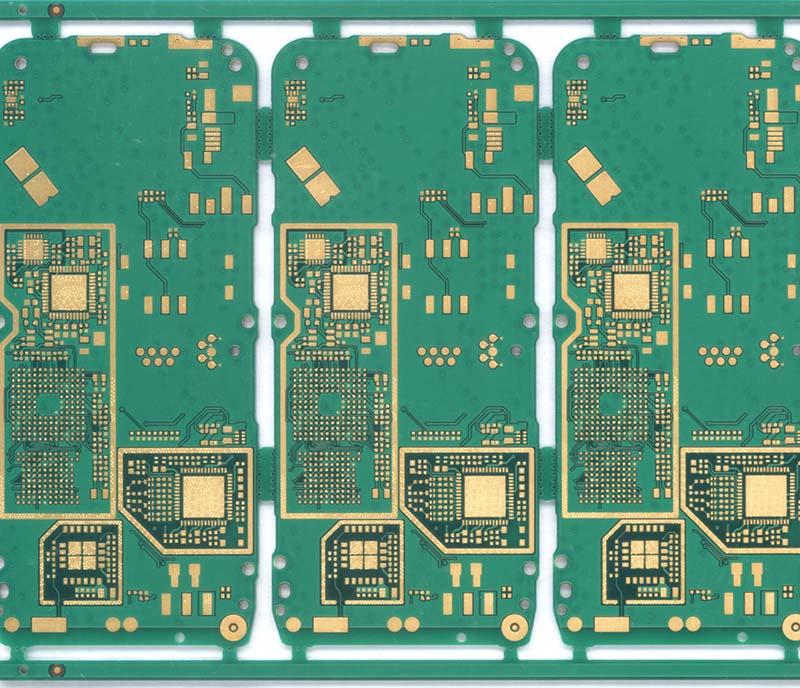
The design and manufacturing complexity of a PCB directly impacts its production cost. For example, consider drilling: even if two circuit boards both contain 1000 holes, if one board has a hole diameter greater than 0.2mm while the other has less than 0.2mm, the drilling precision requirements and processing costs will differ significantly.
Similarly, when two circuit boards have identical parameters, differences in trace width and spacing (e.g., one board has traces greater than 4mil, the other less than 4mil) will increase manufacturing difficulty and the risk of scrap, thus driving up costs.
Furthermore, some special designs also incur additional costs. For instance, using half-holes, buried blind vias, through-hole designs, or structures with carbon ink buttons requires higher precision and additional steps, thus increasing overall production costs.
How is the price of PCB board prototyping calculated?
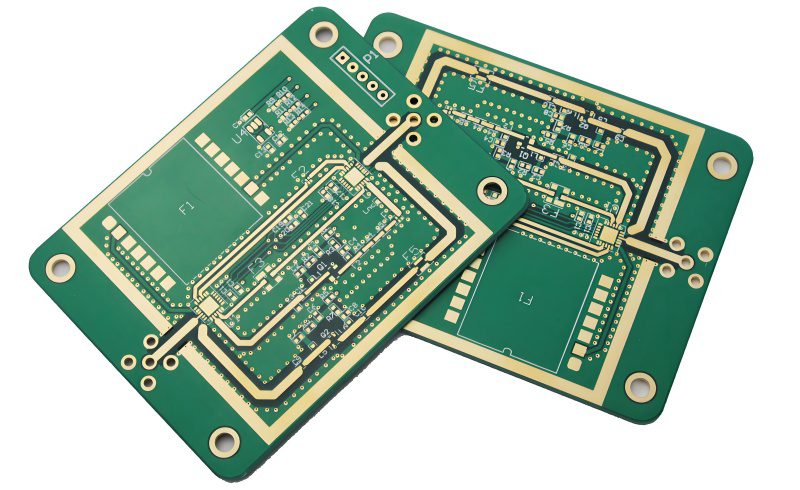
In PCB manufacturing, the price during the prototyping stage typically consists of four core components: material cost, processing cost, special requirements, and additional fees.
First, material cost depends on the chosen substrate type (e.g., FR-4, high-frequency materials, aluminum substrate, etc.), size, and thickness. Common FR-4 materials are relatively inexpensive, while high-frequency boards or flexible boards can cost several times more. Pricing is usually based on size, either per square centimeter or per piece, but some manufacturers set a minimum chargeable area (e.g., less than 100 square centimeters is charged as 100 square centimeters).
Second, processing costs are the main source of price fluctuations. The number of layers, line width and spacing, hole diameter, and surface treatment all affect cost. For example, double-sided boards are typically 30%–50% more expensive than single-sided boards, and multilayer boards increase in cost with the number of layers. Smaller line widths and spacings (e.g., less than 0.1mm) require higher equipment precision, naturally increasing the price. Surface treatments also differ; immersion gold is typically 20%–30% more expensive than tin plating.
Third, special process requirements such as impedance control, blind/buried vias, or HDI structures significantly increase prices. Impedance control requires precise lamination and material matching, which can increase costs by approximately 10%–15%; while blind/buried via processes are complex, and costs can even double. Furthermore, lead time also affects pricing—standard lead time (5–7 days) has normal costs, while expedited production (24 hours) can incur 50%–100% expedited fees.
Finally, additional costs include flying probe testing, stencil fabrication, and transportation. Flying probe testing is charged per test point and is used to check circuit continuity; stencils are used in SMT assembly processes, and prices vary depending on size. Failure to confirm these additional items in advance can lead to budget deviations.
Currently, many PCB manufacturers use a “tiered pricing” model—the more quantity produced, the lower the unit price; however, during the prototyping stage, due to limited quantities, the unit price is relatively high. To ensure accurate pricing, it is recommended to clarify design parameters (number of layers, dimensions, materials), detailed process requirements (linewidth, hole diameter, surface treatment), and special needs (impedance control, delivery time, etc.) before placing an order, and to request detailed quotes from multiple suppliers. Some manufacturers’ websites also offer online quotation tools that can be used to quickly estimate costs, but the final price still needs to be confirmed based on actual needs.
The impact of quantity on PCB price
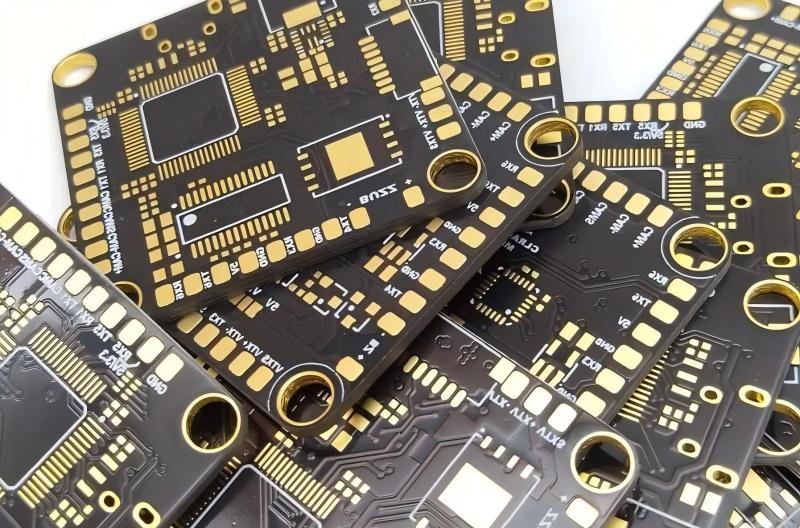
PCB order quantity has a direct and significant impact on overall price. Due to economies of scale and the cost-sharing mechanism of manufacturing, the larger the production quantity of the same model of PCB, the lower the unit price. Mass production not only reduces unit costs but also allows for greater price discounts to customers.
When developing a procurement plan, it is recommended that customers request tiered quotes from PCB manufacturers for prototypes, small-batch production, and large-batch production. This allows them to select the most cost-effective solution based on project requirements, thereby achieving a balance between cost and delivery time.
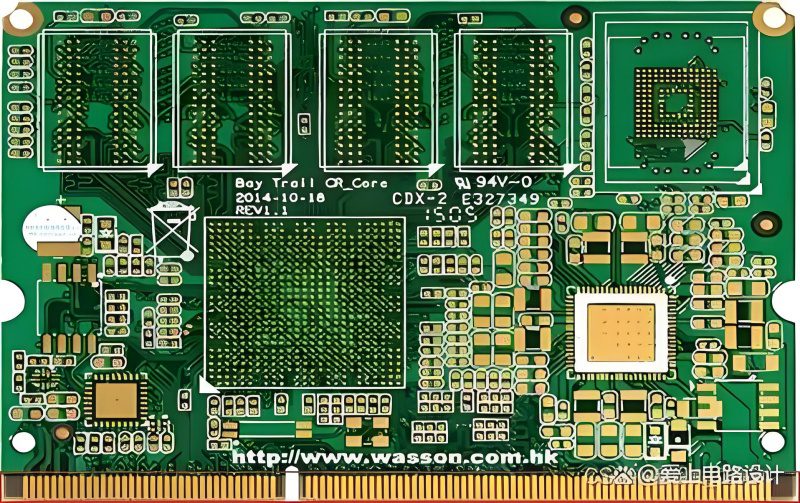
How to reduce PCB manufacturing costs
In PCB design and manufacturing, optimizing the design structure and material selection is key to reducing overall costs. The following aspects can effectively help designers achieve a balance between performance and cost:
- 1. Use Functions Wisely
To reduce manufacturing costs, high-end functions should be added cautiously. While special designs such as blind vias and buried vias can improve performance, they also significantly increase production costs. Most standard PCBs do not require complex functions; they should only be used when performance demands are truly necessary to avoid unnecessary cost overruns.
- 2. Control Board Size and Quantity
While smaller PCBs may seem to save materials, if trace widths, via diameters, and pad spacing are below manufacturing thresholds, it can lead to more complex processes and lower yields, offsetting the savings from smaller size. Therefore, size, quantity, and process feasibility should be comprehensively evaluated while meeting design requirements.
- 3. Optimize Layer Stack-up
The more layers a PCB has, the higher the manufacturing difficulty and cost. A two-layer design is generally recommended for applications, while high-speed PCBs are typically limited to four layers or less. Unnecessarily increasing the number of layers not only increases costs but also increases signal interference and stack-up complexity. When designing, standard stack-up structures should be prioritized, avoiding the use of uncommon special stacking schemes.
- 4. Utilize copper layers rationally
Copper layer thickness is directly proportional to cost. To increase current carrying capacity, it can be achieved by widening the traces or using a larger copper overlay area, rather than blindly increasing the copper thickness, thus striking a balance between cost and conductivity.
- 5. Choose Appropriate Surface Treatment
Surface treatment significantly impacts PCB price. While ENEPIG offers excellent solderability, it is more expensive. For standard designs, lead-free tin plating or immersion gold plating can be used. Note that while thicker gold layers improve durability, they also increase cost; the choice should be based on the application scenario.
- 6. Optimize Material Selection
Use high-end substrates only when necessary. Even with commonly used FR-4, different grades have significant price differences. For designs that balance performance and cost, a hybrid PCB structure can be used—using high-frequency or low-loss materials on signal layers and FR-4 on inner layers to reduce overall manufacturing costs.
PCB manufacturing costs are influenced by various factors—from design complexity, material selection, and layer stacking, to production volume, delivery cycle, and supply chain management; each can significantly impact the final price. By rationally planning the design, streamlining unnecessary functions, optimizing materials and surface treatments, and maintaining good supplier communication and batch collaboration, PCB manufacturing costs can be effectively controlled, ensuring both product quality and reliability.
0 Comments