



1 Introduction
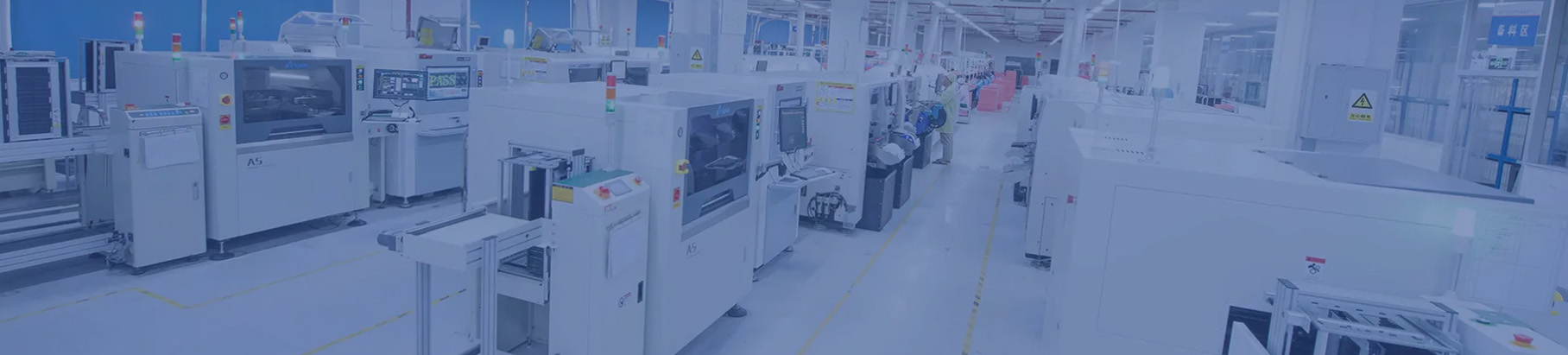
In modern electronics manufacturing, printed circuit boards (PCBs) serve as the core carriers of electronic components, and their reliability and stability directly determine the performance and lifespan of the entire electronic product. PCB glue is one of the key materials ensuring this reliability. It provides functions such as bonding, fixation, sealing, and protection, enabling electronic components to maintain stable connections in complex and variable operating environments. As electronic products evolve toward miniaturization, high density, and multifunctionality, the application of PCB glue has expanded from simple fixation to include thermal management, electromagnetic shielding, and environmental protection, becoming an indispensable part of the electronic manufacturing process .
The importance of PCB glue lies not only in its versatility but also in its profound impact on the long-term reliability of electronic products. Proper selection and application of glue can significantly enhance an electronic product’s ability to withstand challenges such as mechanical vibration, temperature fluctuations, chemical corrosion, and humid environments. Statistics indicate that approximately 15% of electronic product failures are related to connection and fixation issues, and correct glue application can reduce such failures by over 70% . With the rapid development of emerging fields such as 5G, IoT, and automotive electronics, performance requirements for PCB glue are increasingly stringent, driving continuous innovation and advancement in glue technology .
2 What is PCB Glue for Electronics?
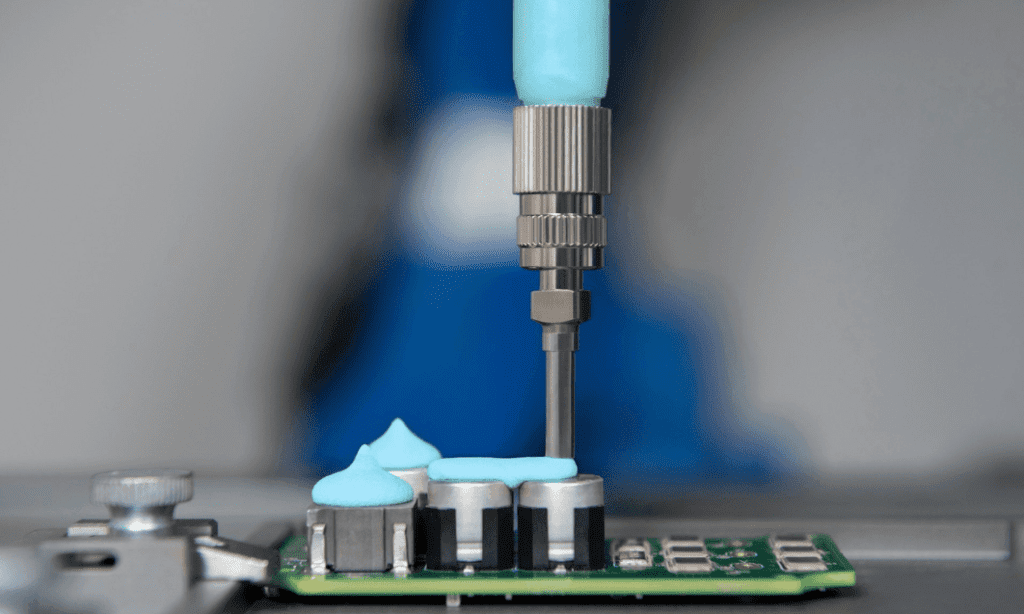
PCB glue is a specialized bonding material used in electronic manufacturing. Its primary functions include fixing components on printed circuit boards, providing protection, enhancing thermal management, and improving electrical performance. Chemically, PCB glue is a multi-component system consisting of base resins, hardeners, fillers, and additives. It undergoes physical or chemical changes to transition from a liquid to a solid state, forming a stable bond. Based on the curing mechanism, PCB glue can be classified into various types such as UV-curing, thermal-curing, moisture-curing, and anaerobic-curing, meeting the needs of different application scenarios .
The core characteristics of PCB glue include bonding strength, electrical conductivity/insulation, thermal conductivity, temperature resistance, and environmental adaptability. High-quality PCB glue should have moderate viscosity for easy dispensing, good rheology for precise positioning, and stable curing properties to ensure production efficiency. For instance, in high-density PCB assembly, the glue must possess sufficient fluidity to penetrate tiny gaps without excessive flow that could contaminate adjacent areas. After curing, the glue layer should withstand temperatures ranging from -40°C to 150°C, maintain elasticity to relieve thermal stress, and provide a durable bond .
In the electronics manufacturing process, PCB glue is applied across multiple stages. During Surface Mount Technology (SMT) processes, red glue is used to temporarily secure components to prevent displacement during reflow soldering. Before wave soldering, glue can secure components on the reverse side to prevent falling off. In module assembly, thermally conductive glue fills gaps between heat sinks and chips to improve thermal management. Finally, conformal coating is applied to the entire board surface to form a protective layer. These applications not only enhance manufacturing efficiency but also significantly improve the reliability and durability of electronic products .
3 Main Types of PCB Glue and Their Characteristics
The types of glue used in electronic manufacturing can be classified based on their chemical composition, curing mechanism, and application characteristics. Each type has its unique advantages and suitable scenarios. The following table provides a detailed comparison of the main types of PCB glue:
Table: Main Types of PCB Glue and Their Characteristics
| Type of Glue | Main Components | Curing Method | Advantages | Disadvantages | Typical Applications |
|---|---|---|---|---|---|
| Epoxy Adhesives | Epoxy resin, hardener | Thermal curing, UV curing, or dual curing | High bond strength, excellent chemical resistance, low shrinkage, good electrical insulation | Poor toughness, limited resistance to thermal cycling, difficult rework | Chip packaging, underfill, PCB potting |
| Silicone Adhesives | Silicone polymers | Moisture curing, thermal curing | Wide temperature range (-50°C to 250°C), high elasticity, aging resistance, good electrical insulation | Relatively weak adhesion, low mechanical strength | High-temperature environment sealing, thermal interface materials, flexible circuit protection |
| Polyurethane Adhesives | Polyurethane prepolymers | Moisture curing | Good low-temperature performance, flexibility, vibration resistance | Limited temperature resistance (<100°C), poor resistance to heat and humidity aging | Consumer electronics, indoor appliance component fixation |
| UV-Curing Adhesives | Acrylate resins | Ultraviolet light curing | Rapid curing (seconds), high production efficiency, environmentally friendly solvent-free | Shadow areas may require secondary curing, higher material cost | FPC reinforcement, temporary chip fixation, solder joint protection |
| Hot Melt Adhesives | EVA (Ethylene-Vinyl Acetate) | Cooling and solidification | Fast curing, non-toxic and environmentally friendly, easy application | Limited temperature resistance, relatively poor durability | Wire harness fixation, connector reinforcement |
Epoxy adhesives are the most widely used in electronic manufacturing, especially in applications requiring high-strength bonding and excellent insulation. Typical formulations offer tensile strengths of 25-35 MPa, temperature resistance ranging from -40°C to 150°C, and thermal conductivity of 1.5-2.0 W/m·K for thermally conductive formulations. The curing shrinkage rate of epoxy glue is typically less than 2%, ensuring dimensional stability. However, its relatively rigid nature may not be suitable for applications with significant differences in thermal expansion coefficients .
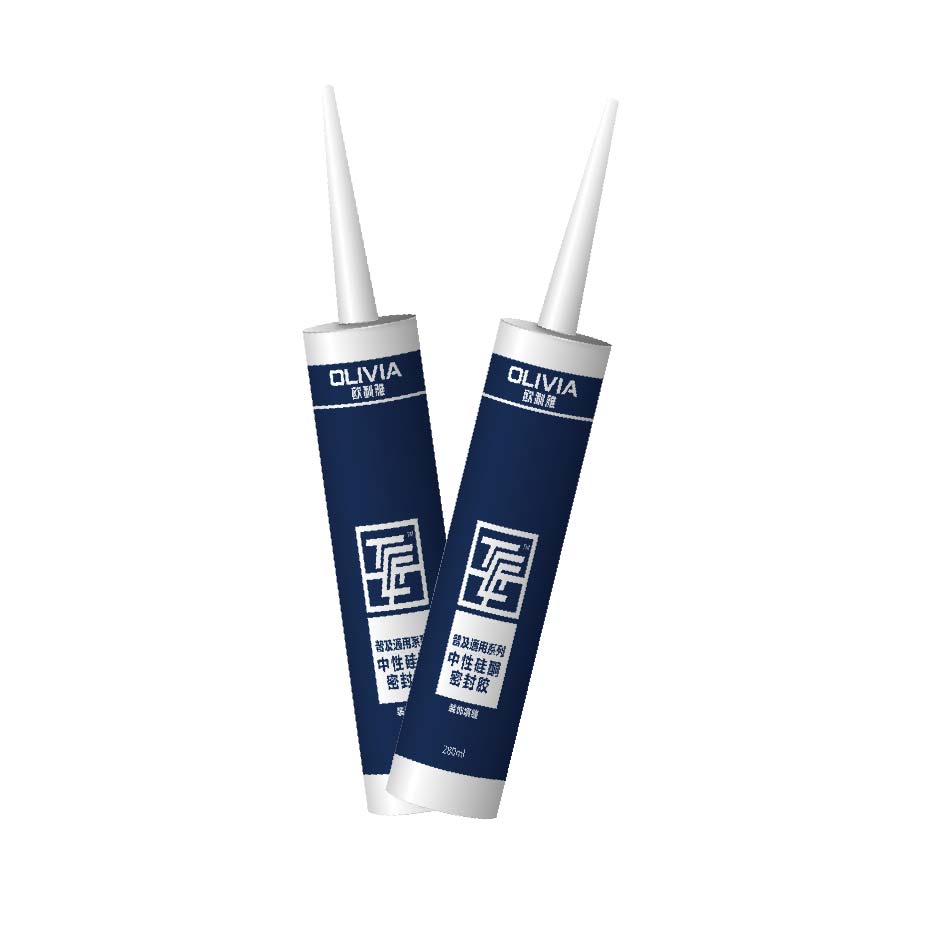
Silicone adhesives are known for their exceptional temperature resistance and flexibility. They can withstand long-term operating temperatures from -50°C to 250°C, and even short-term exposure up to 300°C. Their tensile strength is typically 5-10 MPa, with elongation at break reaching 100%-200%, effectively absorbing stress. Thermally conductive versions of silicone adhesives have a thermal conductivity of about 0.8-1.2 W/m·K, and electrical strength can exceed 15 kV/mm, making them ideal for heat dissipation and insulation in high-power electronic equipment .
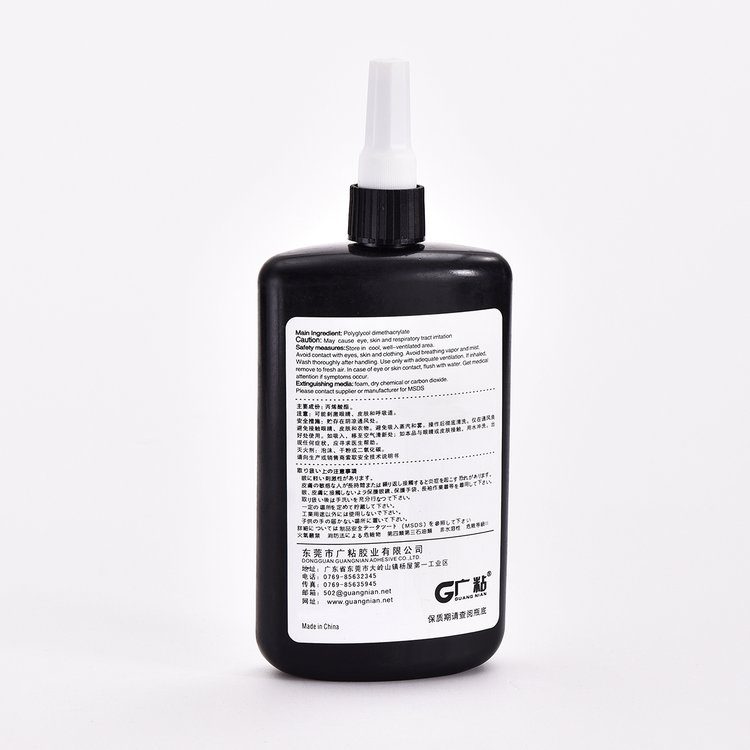
UV-curing adhesives offer significant advantages in high-speed automated production, curing within seconds and greatly improving production efficiency. These adhesives are typically colorless and transparent, facilitating subsequent inspection, and their 100% solid content makes them environmentally friendly. However, for areas that are not light-transmissive or complex three-dimensional structures, a dual-curing mechanism (such as UV + heat or UV + moisture) is necessary to ensure complete curing .
4 Key Applications of PCB Glue in Electronic Products
PCB glue plays multiple critical roles in modern electronic products, extending far beyond simple bonding and fixation. In terms of mechanical fixation, PCB glue forms strong connections to prevent component displacement or detachment caused by vibration, impact, or temperature changes. For example, in automotive electronics, using epoxy glue to secure components can withstand vibration accelerations of up to 15G, ensuring reliability under harsh road conditions . During wave soldering of double-sided PCBs, red glue is used to secure small surface-mount components on the bottom side, preventing them from falling into the solder tank .
Environmental protection is another important function of PCB glue. Conformal coatings (such as polyurethane, silicone, or acrylic) form a thin film of 20-50 microns on the PCB surface, effectively isolating moisture, dust, salt spray, and chemical corrosion. Statistics show that proper conformal coating can reduce the failure rate of PCBs in humid environments by over 70% . This protective function is particularly crucial in harsh environments such as outdoor electronic equipment, automotive electronics, and industrial controls.
In the field of thermal management, thermally conductive glue fills microscopic gaps between heat-generating components and heat sinks, eliminating thermal resistance caused by air and significantly improving heat dissipation. High-performance thermally conductive silicone grease has a thermal conductivity of 1.5-3.0 W/m·K, reducing chip junction temperature by 15-30°C, directly enhancing product lifespan and reliability . For power semiconductor devices, effective thermal management means they can handle higher operating currents, increasing power density.
Optimizing electrical performance is also a significant function of PCB glue. Insulating glue prevents short circuits and arc discharge between circuits, while conductive glue (such as silver-filled epoxy) can replace solder to form electrical connections, especially suitable for heat-sensitive components and flexible circuits . Electromagnetic shielding glue, by filling with metal particles or applying conductive coatings, effectively suppresses electromagnetic interference, meeting increasingly stringent EMC requirements.
Furthermore, PCB glue plays a significant role in optimizing manufacturing processes. The red glue dot dispensing technology in SMT production allows for a process where components are mounted first followed by reflow soldering, simplifying the production process . Underfill glue capillary flows beneath CSP and BGA chips, curing to effectively distribute thermal stress, increasing the fatigue life of solder joints by 5-10 times, significantly enhancing the reliability of high-density packaging .
5 Selection Criteria for Safe and Reliable Electronic PCB Glue
Selecting the appropriate PCB glue for a specific electronic product requires comprehensive consideration of multiple factors to ensure final product reliability, safety, and cost-effectiveness. Chemical compatibility is the primary consideration. The glue must be compatible with the PCB substrate, component packaging, and surface finish. For example, epoxy glue adheres well to most metals and FR-4 substrates but may corrode certain plastic parts; silicone glue has broad compatibility but relatively weak adhesion, possibly requiring primers to enhance bonding . When assessing compatibility, consider whether long-term contact may cause degradation or migration.
Electrical performance requirements are determined by the application scenario. Insulating glue needs high volume resistivity (>10¹² Ω·cm) and high dielectric strength (>15 kV/mm), while conductive glue requires low volume resistivity (<10⁻³ Ω·cm) . For high-frequency applications, dielectric constant (Dk) and dissipation factor (Df) are important; millimeter-wave circuits prefer low Df materials to reduce signal loss. Safety-critical areas like automotive electronics and medical devices typically require glue to have UL certification, ensuring compliance with industry safety standards .
Thermal performance encompasses temperature resistance, thermal conductivity, and coefficient of thermal expansion (CTE). High-temperature environments (e.g., engine compartments) require epoxy or silicone glue resistant to temperatures above 150°C, while consumer electronics may only need resistance up to 85°C . Thermal applications require high thermal conductivity (>1 W/m·K), while structural bonding requires CTE matching adjacent materials to reduce thermal stress. Thermally conductive glue for power device heat dissipation typically requires 1.5-3.0 W/m·K thermal conductivity .
Mechanical properties include hardness, tensile strength, and elongation at break. Rigid fixation can choose harder epoxy glue (Shore D > 80), while interfaces subjected to vibration or thermal cycling are better suited with flexible silicone glue (elongation at break > 100%) . Automotive electronics applications requiring vibration resistance typically select glue with an elastic modulus between 100-1000 MPa.
Process performance such as viscosity, working time, and curing conditions directly impact production efficiency and cost. Automated dispensing requires moderate viscosity (5,000-50,000 cps) to ensure good filling without tailing, while manual operation may prefer higher viscosity to prevent sagging . Mass production environments prefer fast-curing products (e.g., UV glue), while complex assemblies may require longer working time for adjustments.
Environmental safety and compliance are increasingly important in modern electronic product design. Glue must comply with regulations such as RoHS and REACH regarding hazardous substances; medical devices may require biocompatibility certification (ISO 10993) . Volatile organic compound (VOC) content, flammability, and toxicity are also important considerations, especially for products used in enclosed spaces.
6 Practical Tips for Selecting PCB Glue
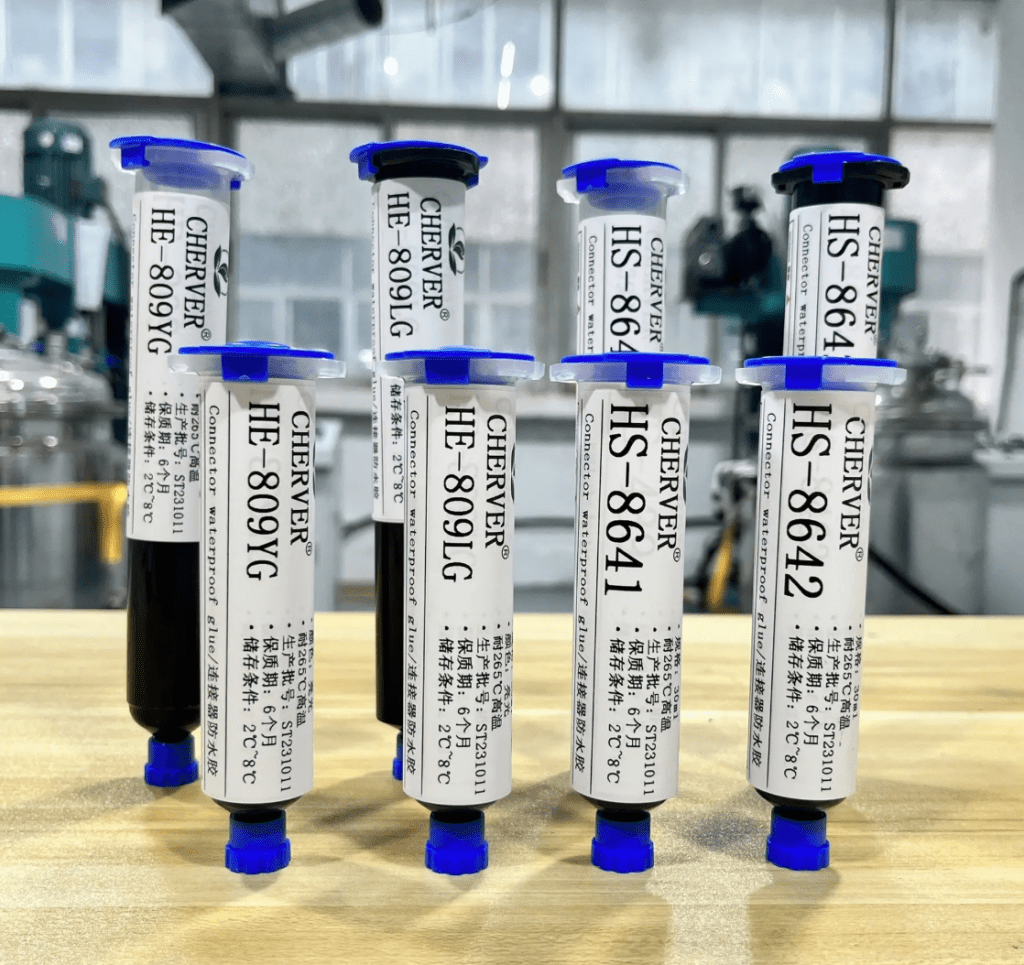
Selecting the right PCB glue requires a systematic approach and practical techniques. Start with application scenario analysis to clarify whether the primary need is mechanical fixation, environmental protection, thermal management, or electrical insulation. For example, automotive engine control units (ECUs) need to withstand high temperatures, vibration, and chemical corrosion, making high-temperature epoxy glue a suitable choice; whereas smartphone motherboards may prioritize low-temperature curing and flexibility, making modified epoxy or polyurethane glue more appropriate .
Creating a material selection matrix can simplify the decision-making process. List key performance requirements (bond strength, temperature resistance, thermal conductivity, electrical strength, etc.) horizontally, and candidate glue types vertically, using weighted scoring to determine the optimal choice. For instance, when thermal conductivity weight is 0.3, insulation requirement weight is 0.4, and operability time weight is 0.3, different glues can be quantitatively evaluated for comprehensive score . This method is particularly useful for projects with multiple competing requirements.
Cost-effectiveness analysis should consider total cost of ownership rather than just unit price. This includes glue unit price, consumption, equipment investment, operating time, yield, and maintenance costs . For example, although UV equipment requires higher initial investment, second-level curing can significantly reduce work-in-progress inventory and space requirements, potentially lowering overall costs compared to products requiring long curing times. Statistics show that proper glue selection can reduce total packaging costs by 15-30% .
When evaluating suppliers, consider technical support capability, quality stability, delivery cycle, and certification completeness in addition to price. Prefer suppliers that provide technical parameter tables, application guides, and on-site support . For critical applications, request reliability test data and similar case references, and conduct small-batch verification if necessary.
Process compatibility testing is essential. Even if glue parameters meet requirements, actual production factors such as dispensing equipment, curing conditions, and capacity constraints may influence the final selection. Conducting pilot tests to evaluate dispensing accuracy, curing uniformity, and production line adaptability can avoid risks during large-scale application . For example, complex structures with many shadow areas may not be suitable for pure UV-curing glue.
Table: PCB Glue Selection Guide for Different Application Scenarios
| Application Scenario | Main Requirements | Recommended Glue Type | Key Parameters | Precautions |
|---|---|---|---|---|
| Automotive ECU | High temperature resistance, vibration resistance | High-temperature epoxy glue | Temperature resistance >150°C, shear strength >15 MPa | Must pass thermal cycling and vibration tests |
| Smartphones | Low-temperature curing, flexibility | Polyurethane or modified epoxy | Curing temperature <80°C, elongation at break >50% | Avoid corrosion of sensitive components |
| LED Lighting | High thermal conductivity, aging resistance | Thermally conductive silicone glue | Thermal conductivity >1.5 W/m·K, UV resistance | Ensure optical properties are not affected |
| Industrial Control | Chemical corrosion protection | Epoxy or silicone conformal coating | Chemical reagent resistance, strong adhesion | Coating uniformity and thickness control |
| Flexible Circuits | High elasticity, flex endurance | Flexible silicone glue | Elongation at break >150%, low modulus | Avoid fatigue failure |
7 Special Guidelines for Optical PCBA Glue Applications
In optical PCBA applications (such as camera modules, optical sensors, displays), the selection and application of glue require special consideration of optical characteristics. Light transmittance is the primary consideration. Optical components often require glue with specific refractive indices and transmittance. For example, lens assembly requires UV-curing optical glue (refractive index 1.45-1.55) that matches glass and plastic substrates to reduce interface reflections . Infrared filter fixation requires glue with high transmittance (>95%) in the operating band and no absorption peaks in the sensing band.
Low volatility and low extraction are crucial for protecting optical surfaces. The glue should not release volatile substances during curing to avoid fogging on lens surfaces. Choose low-outgassing silicone glue or pure epoxy glue, and pass outgassing tests (typically requiring total mass loss <1%, collected volatile condensables <0.1%) to avoid contaminating sensitive optical surfaces . Glue for optical device encapsulation needs verification against NASA ASTM E595 standards to ensure stability in vacuum environments.
Thermo-optical properties include matching coefficients of thermal expansion and thermal stability. CTE mismatch between optical elements and mounts can cause focal shift, requiring glue with CTE of 50-100 ppm/°C to buffer stress . Refractive index changes with temperature (dn/dT) also need control, especially for temperature-sensitive optical systems. High-precision optical assembly requires glue refractive index change less than 0.001 after -40°C to 85°C thermal cycling.
Automated dispensing processes are particularly critical for optical PCBA. Glue dot position and size require precise control, typically with dispensing accuracy better than ±0.1mm and glue volume coefficient of variation <5% . UV curing requires ensuring uniform illumination to avoid shadow areas causing incomplete curing. For complex structures, use a dual-curing mechanism (UV + thermal), with initial UV fixation followed by thermal curing to ensure complete reaction.
Reworkability is a factor to consider for optical module maintenance. Optical components may need replacement or adjustment, and the glue should allow a certain degree of rework. Photo-thermal dual-curing glue is often designed to significantly reduce adhesion when heated to 150-200°C, facilitating disassembly . However, the rework process must be cautious to avoid damaging expensive optical components, usually requiring specialized tools and processes.
Optical PCBA glue applications also need attention to long-term reliability. This includes stability under UV radiation (especially outdoor applications), transmittance retention after damp heat aging, and bond strength retention after thermal cycling. High-quality optical glue should withstand 1000 hours at 85°C/85% RH testing with transmittance reduction not exceeding 3%, and no cracking or delamination after 500 cycles from -40°C to 85°C .
8 Proper Usage Methods and Process Control for PCB Glue
Correct application processes and quality control are key to ensuring PCB glue performs as expected. Surface preparation is the first step, requiring substrates to be clean, dry, and free from contamination. Common cleaning agents include isopropyl alcohol, acetone, and specialized cleaning solutions. After cleaning, surface energy should reach above 40 dyne/cm to promote glue spreading . For difficult-to-bond materials (like PP, PTFE), plasma treatment (40-50 kW) or primers may be needed to enhance adhesion. Statistics show over 60% of bonding issues relate to improper surface treatment .
Dispensing process control includes parameter optimization and equipment maintenance. Viscosity affects dispensing consistency and should be controlled within the 5,000-50,000 cps range (adjusted based on needle size) . Dispensing pressure is typically 0.3-0.6 MPa, speed 50-150 mm/s, ensuring consistent glue dot shape without stringing. Needle diameter is generally half the glue dot diameter, with height from substrate 0.5-1.0 mm. Regular calibration of dispensing equipment can reduce glue volume variation and improve first-pass yield .
Curing process must strictly follow supplier-recommended conditions. UV curing requires ensuring energy density of 300-800 mJ/cm² with spectral matching; thermal curing requires controlling heating rate (1-3°C/min) to avoid bubbles . Glue layers thicker than 2mm may require staged curing to ensure complete reaction. Insufficient curing leads to performance degradation, while over-curing may cause brittleness. Infrared temperature profilers and UV integrators can monitor process parameters to ensure consistency .
Quality inspection includes visual checks, bond strength testing, and performance verification. Appearance should be free of bubbles, cracks, and contamination, with uniform glue layer coverage and no overflow . Strength testing can be done with pull testers (destructive) or ultrasound (non-destructive). Functional tests like thermal resistance measurement (thermal conductive glue) and insulation resistance testing (insulating glue) ensure design requirements are met . Statistical process control (SPC) analyzes key parameter variations for proactive quality management.
Common defect handling is an important part of process control. Bubbles may form from entrapped air or too-rapid curing; vacuum degassing or adjusting curing rate can address this. Sagging is usually due to low viscosity or excessive glue; optimize formulation or dispensing parameters . Bonding failure often relates to surface contamination or insufficient curing; enhance cleaning and curing monitoring. Establishing a defect troubleshooting guide improves problem-solving efficiency .
Process documentation and training ensure operational consistency and continuous improvement. Detailed records of material batch numbers, equipment parameters, environmental conditions, and test results establish a traceable system . Regular training for operators to recognize common defects and understand process principles fosters problem-solving skills. Standardized operating procedures reduce human variation and improve product quality stability .
9 Conclusion
As a key material in electronics manufacturing, the selection and application of PCB glue directly impact product performance, reliability, and lifespan. With technological advancements, glue has evolved from simple adhesives to multifunctional engineering materials providing comprehensive functions like mechanical fixation, environmental protection, thermal management, and electrical optimization. Correctly selecting and applying PCB glue requires deep understanding of material characteristics, process requirements, and application scenarios, adopting a systematic approach for optimal results .
Future trends in PCB glue include: environmental friendliness (low VOC, bio-based materials), high performance (higher thermal conductivity, stronger bonds), multifunctionality (switchable conductivity/insulation, sensing capabilities), and process friendliness (low-temperature curing, rapid curing) . New technologies like nano-fillers, self-healing mechanisms, and smart responses will further expand PCB glue’s application boundaries.
For electronic designers and manufacturing engineers, it is recommended to establish a systematic glue selection process, involve glue considerations early in the design phase, strengthen technical cooperation with suppliers, and implement rigorous verification testing and continuous process monitoring . By evaluating glue solutions from a full lifecycle perspective, balancing performance, cost, and risk, more competitive electronic products can be created .
0 Comments