



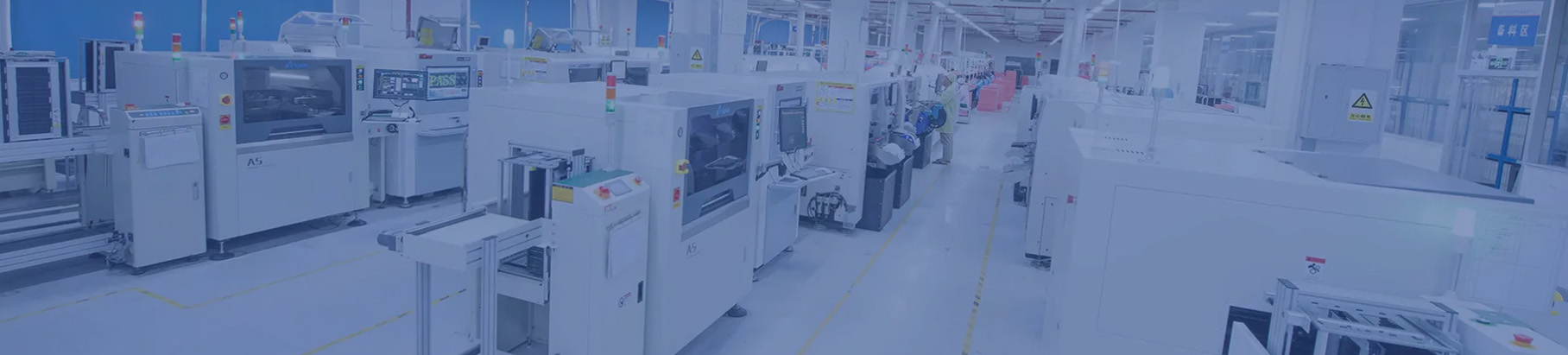
In the pursuit of high reliability and zero-defect manufacturing, ICT (In-Circuit Test) and FCT (Functional Test) are two core methods in the PCBA testing process. They not only verify the operational status of the circuit board but also provide in-depth analysis of the root causes of potential failures, playing a crucial role in improving the long-term stability and consistency of products. For electronics manufacturers striving for high quality and yield, a thorough understanding of the characteristics and applicable scenarios of these two testing methods is key to optimizing production and quality control processes.
If you’re struggling to choose the right PCBA testing and diagnostic equipment for your project, whether you’re looking for an easy-to-use entry-level tester or a professional device with high accuracy and in-depth diagnostic capabilities, selecting the right equipment can be a significant challenge. This article will provide a multi-faceted analysis of different types of PCB diagnostic tools—including high-performance testers, fault locators, cost-effective inspection solutions, and diagnostic instruments with schematic analysis capabilities—to help you make more informed and efficient testing choices based on your project needs and budget.
What is PCBA testing?
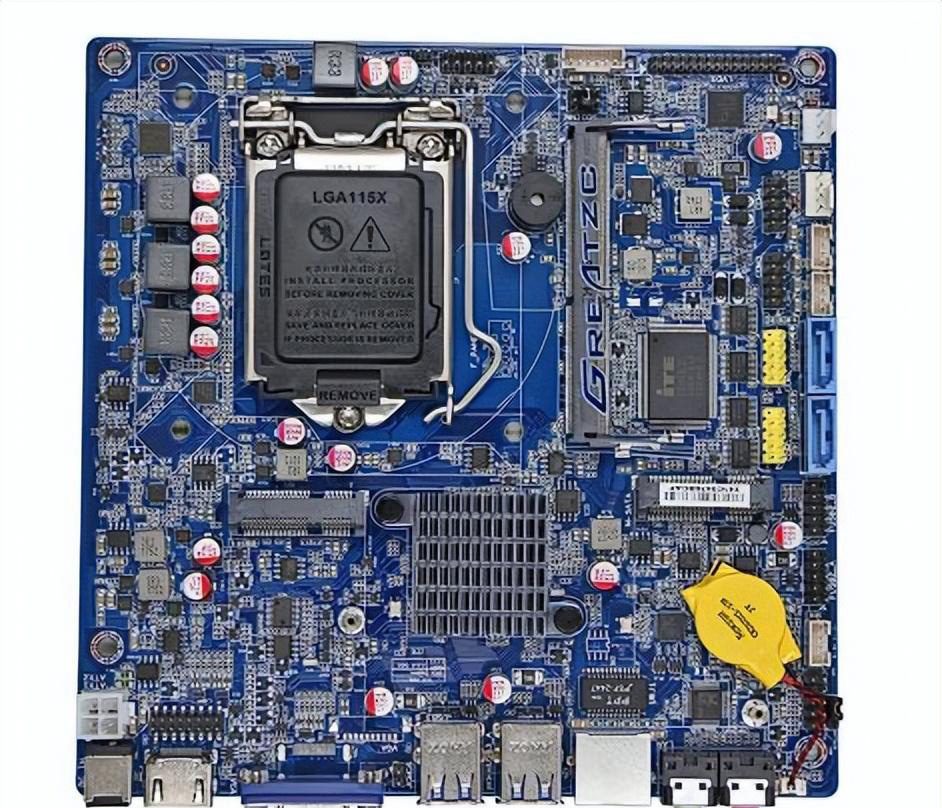
The PCBA assembly process is complex, encompassing numerous key steps, including PCB fabrication, component procurement and inspection, SMT assembly, DIP insertion, and PCBA testing. PCBA testing is the most critical quality control step in the entire PCBA process, determining the final product performance. So, what are the various PCBA testing methods? Below, we’ll provide a brief introduction.
PCBA testing primarily includes five types: ICT testing, FCT testing, burn-in testing, fatigue testing, and harsh environment testing.
Benefits of a Functional PCBA Tester
Using a PCBA functional tester can significantly improve the quality and efficiency of electronic product manufacturing. Specific benefits include:
Improving Product Quality: Functional testing verifies that PCBAs meet performance specifications, ensuring product stability and reliability while reducing defects and failure rates.
Shortening Testing Cycles: Compared to traditional manual testing, automated functional testers offer faster testing speeds, significantly shortening production cycles and accelerating time to market.
Saving Production Costs: By detecting and fixing defects early, rework, scrap, and after-sales repair costs can be effectively reduced, saving manufacturers long-term costs.
Enhancing Product Reliability: Products that undergo comprehensive functional testing are more stable in use and have lower field failure rates, improving customer satisfaction and reducing the risk of recalls.
Facilitating Data-Driven Improvements: Functional test systems collect and analyze test data, providing a basis for optimizing production processes and improving product design, enabling data-driven decision-making throughout the manufacturing process.
Flexible and Scalable: Whether performing small-batch prototype verification or large-scale mass production testing, functional testers can be flexibly configured and expanded to meet the needs of different production lines.
What are the PCBA testing equipment?
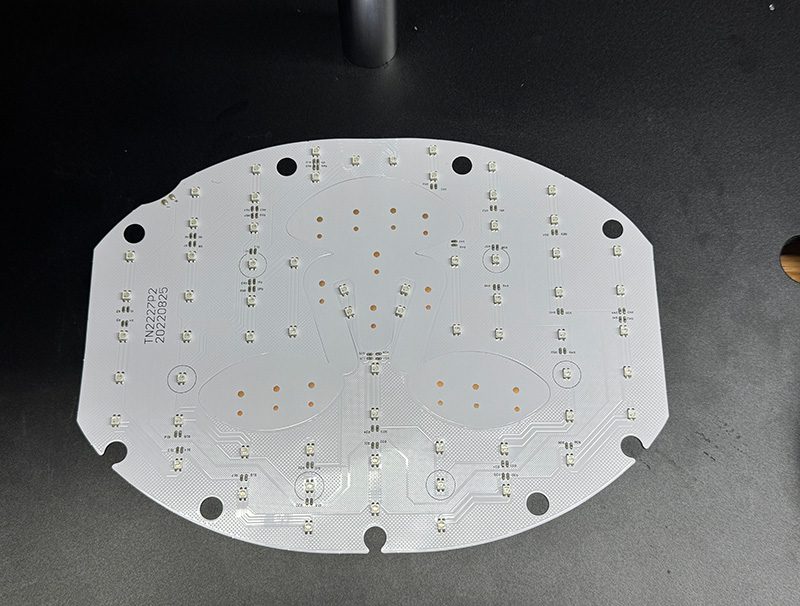
Common PCBA testing equipment includes: ICT in-circuit testers, FCT functional testers, and burn-in tests.
- ICT in-circuit testers
ICT, or automatic in-circuit testers, are widely applicable and easy to operate. ICT automatic in-circuit testers are primarily designed for production process control and can measure resistance, capacitance, inductance, and integrated circuits. They are particularly effective in detecting open circuits, short circuits, and component damage, accurately locating faults and facilitating repairs.
- FCT functional testers
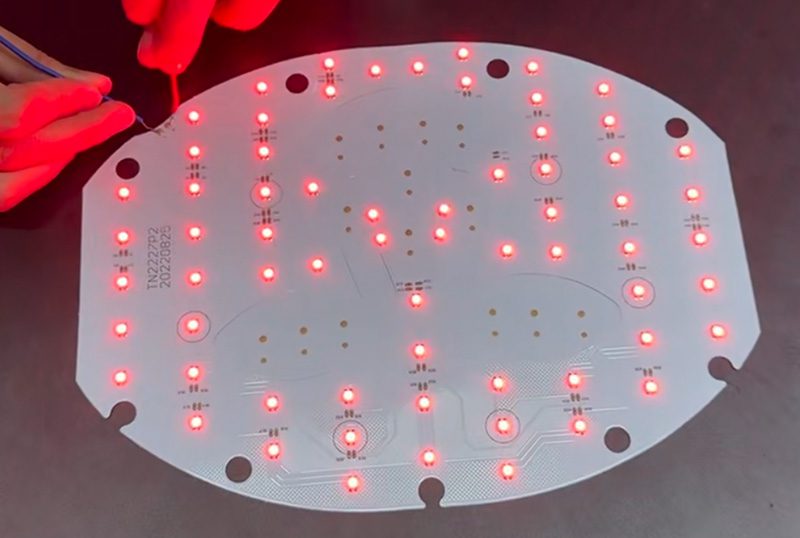
FCT functional testers provide a simulated operating environment, such as excitation and load, to the PCBA board. These tests capture various board parameters to verify that the board’s functional parameters meet design requirements. FCT functional test items primarily include voltage, current, power, power factor, frequency, duty cycle, brightness and color, character recognition, voice recognition, temperature measurement, pressure measurement, motion control, and flash and EEPROM programming.
- Burn-in testers
Burning-in testers simulate the various factors encountered in real-world product use and conduct rigorous testing to simulate the effects of product aging. Long-term power-on testing can be performed on electronic product PCBAs to simulate customer usage and conduct input/output tests to ensure performance meets market requirements.
These three types of testing equipment are common in the PCBA process. Performing PCBA testing during the PCBA processing phase ensures that the PCBA boards delivered to customers meet their design requirements, significantly reducing the return rate.
What does PCBA testing mainly include?
PCBA testing is a crucial process for evaluating PCBA quality, reliability, and performance. Due to the complex PCBA production process, various potential defects can arise during assembly and soldering due to equipment errors or improper operation. Therefore, ensuring the functional stability and quality of each circuit board through testing is crucial. Common PCBA testing methods include the following:
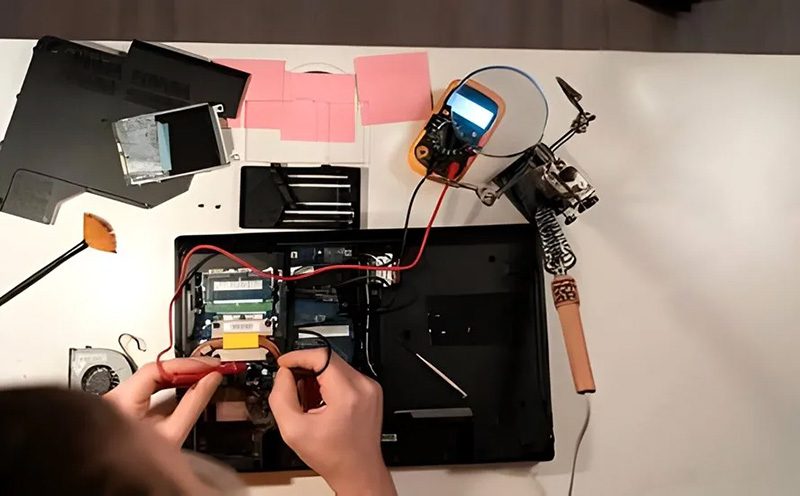
- Manual Testing
Manual testing relies on visual inspection or component inspection with the aid of a magnifying glass or microscope, comparing component position, orientation, and soldering conditions to determine compliance. This method is simple and low-cost, but for densely populated and complex circuit boards, manual inspection is inefficient and prone to missing subtle defects, making it difficult to meet the precision and speed requirements of modern electronic products.
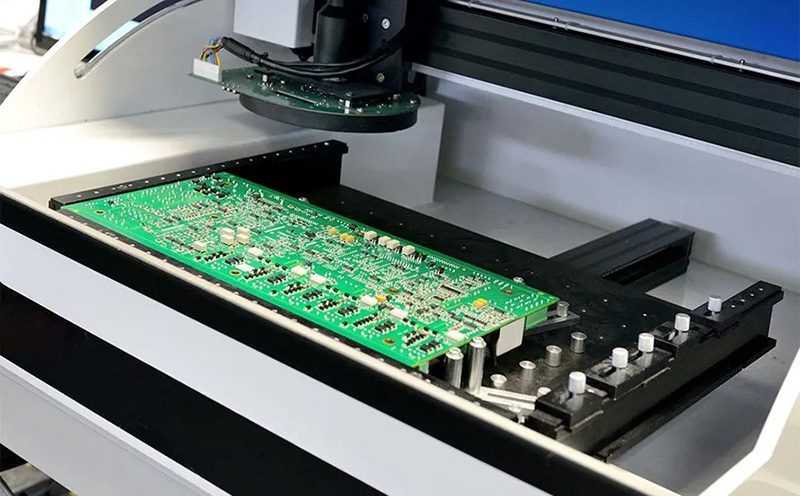
- AOI
Automatic Optical Inspection (AOI) is a vision-based inspection method that utilizes high-speed cameras and image recognition systems to detect surface defects on PCBs, such as component offset, solder leaks, and reverse polarity. AOI can be used before and after reflow soldering and is suitable for batch inspection and early defect detection, but its ability to identify electrical issues such as short circuits and internal open circuits is limited.
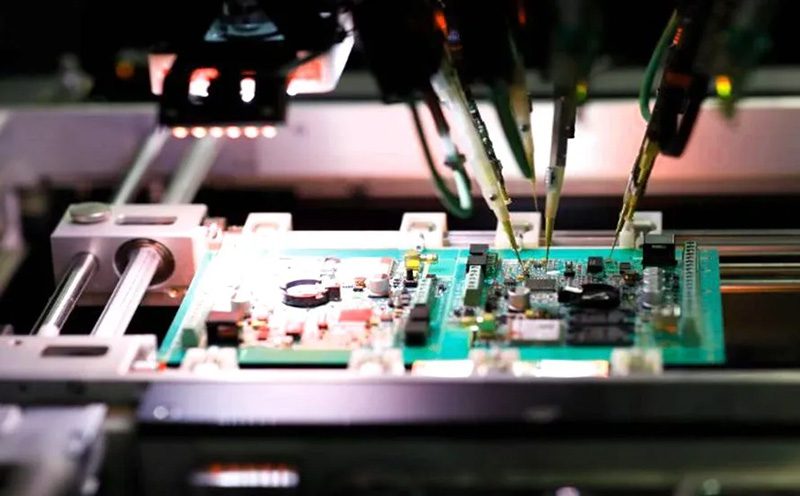
- Flying Probe Test
Flying probe testing requires no custom fixtures. High-speed probes contact test points to check electrical performance. With advancements in mechanical precision and speed, flying probe testing has become an ideal choice for prototypes and small-batch production. Its flexible deployment and high test coverage make it particularly suitable for R&D and new product verification.
- Functional Test (FCT)
Functional testing verifies overall performance by simulating the operating conditions of a circuit board under real-world operating conditions. Tests include voltage, current, signal response, and communication interfaces. Common methods include final product testing (FPT) and hot mock-up testing (Hot Mock-up). This method comprehensively verifies circuit functionality and is a critical quality checkpoint before finished products ship.
- MDA
MDA primarily detects manufacturing defects such as opens, shorts, and component errors. Its advantages include fast test speed, precise positioning, and low initial investment cost. However, it cannot verify functionality and is typically used in conjunction with ICT or FCT testing for more comprehensive quality assurance.
When is PCBA testing required?
Whether PCBA testing is necessary depends primarily on the complexity of the PCB, quality requirements, and project stage. When PCBAs are densely packed and feature complex traces, in-circuit testing (ICT) can verify electrical continuity and component parameters by inspecting each component and connection individually, effectively ensuring the assembly integrity of complex designs. If the testing goal is to identify manufacturing defects or analyze the root cause of a failure, ICT is often the preferred option, precisely pinpointing assembly issues such as poor soldering and component misalignment. For high-power devices or multi-board systems, functional testing (FCT) can verify electrical performance and system stability under realistic operating conditions.
ICT also provides detailed component-level failure information, pinpointing problematic components and defect types, facilitating subsequent repairs and process improvements. In contrast, while functional testing can verify overall performance, relying solely on FCT can lead to increased rework costs. While solely using FCT may seem more efficient during prototype verification or rapid mass production, skipping ICT can lead to potential issues such as short circuits, poor solder joints, or incorrect component parameters being overlooked. This not only impacts product reliability but can also damage test equipment and create safety risks. Generally speaking, for electronic products with high reliability requirements, ICT and FCT often need to be used in conjunction. ICT is used to detect manufacturing defects early, while FCT verifies overall functionality. Combining the two enables more comprehensive quality control and reduces production risks.
Which is better, ICT or functional testing?
In PCBA testing, ICT (In-Circuit Test) and FCT (Functional Test) are often compared. However, the two are not in competition but rather complement each other.
ICT, like a rigorous auditor, focuses on the fundamental structure of PCBA testing. It probes each component and its interconnections to detect electrical continuity, shorts, opens, and critical component parameters. Because ICT can detect soldering defects, component misalignment, or failed parts early in manufacturing, it is crucial for ensuring assembly quality and reliability.
However, ICT primarily focuses on component-level inspection, limiting its coverage of design errors or system integration issues. This is where FCT (Functional Test) plays a key role. FCT takes a holistic approach, verifying the comprehensive performance of the entire PCBA under simulated operating conditions, such as voltage, current, power factor, signal frequency, and duty cycle. Test results, typically presented as “pass” or “fail,” determine whether the product functions as expected.
In summary, ICT ensures “proper assembly,” while FCT verifies “whether it works.” Their combined use enables comprehensive control of component quality and overall device functionality throughout the manufacturing process.
How to efficiently combine ICT and FCT testing
During PCBA testing, the efficient integration of in-circuit testing (ICT) and functional testing (FCT) can significantly improve fault coverage and test efficiency. ICT, as the first quality checkpoint, can detect manufacturing defects such as shorts, opens, and component misalignment early in production, ensuring that only qualified boards enter the FCT stage. Subsequently, FCT comprehensively evaluates the board’s overall performance under real-world operating conditions, verifying compliance with design and functional requirements.
This combined testing strategy is particularly critical in high-reliability sectors such as automotive electronics, aerospace, and defense. The stable operation of advanced electronic control units (ECUs) or critical control systems often relies on the dual verification provided by ICT and FCT.
To streamline testing processes and improve consistency, modern bed-of-nails testers are becoming an ideal platform for combining ICT and FCT. They seamlessly integrate functional test modules, automatically applying precise signals and power while performing ICT, and collecting multi-point measurement data in real time for comparison against pre-set standards. The tester not only quickly determines pass/fail results but also generates detailed fault diagnosis reports, significantly reducing test cycles and improving production line efficiency.
Performing in-circuit testing before functional testing is a proven production strategy. By eliminating manufacturing defects at an early stage, companies can significantly reduce overall testing time and costs. Once ICT-verified boards enter the FCT stage, testing can focus on system-level performance, thus achieving division of labor and optimization across the testing hierarchy.
In other words, ICT is responsible for “structural verification” while FCT is responsible for “performance testing.” This collaborative approach not only improves test coverage and reliability but also establishes a core defense for high-quality PCBA production.
PCBA Function Tester Maintenance
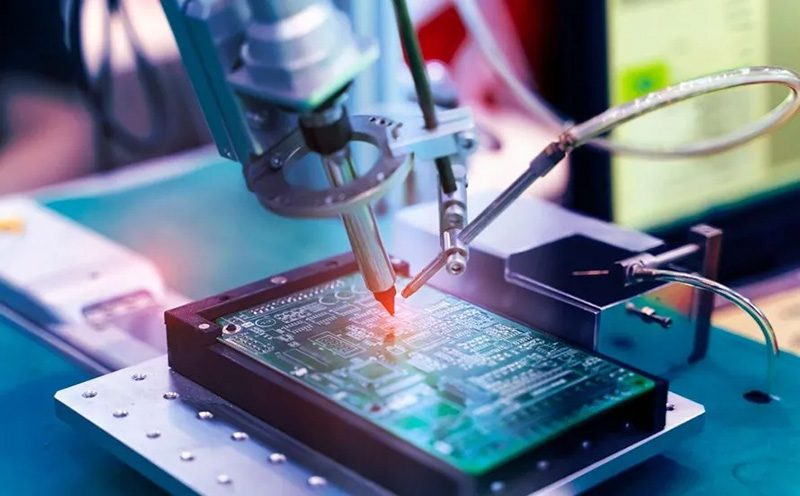
To ensure the long-term high accuracy and stable performance of your PCBA functional tester, routine maintenance is crucial. The following are key areas to focus on during maintenance:
Regular Calibration: Perform calibration regularly based on the device model and application requirements to ensure accurate and consistent test results.
Probe Cleaning and Replacement: Test probes should be kept clean and free of dust and impurities to prevent poor contact. If worn or damaged, they should be replaced immediately to ensure stable and reliable testing.
Software Updates: Maintain the latest version of test software to ensure compatibility with current operating systems and optimize performance and functionality.
Preventive Maintenance: Regularly inspect components such as the tester’s cables, connectors, and power supply to identify potential issues and prevent equipment failures from impacting production testing progress.
PCBA testing has become a critical step in ensuring product performance and quality. Choosing the right testing methods and equipment not only effectively improves production efficiency but also reduces return rates and quality risks, providing reliable data support for the manufacturing process.
0 Comments