



What is an Aluminum PCB?
An Aluminum PCB, also known as a metal-clad aluminum circuit board, features a lamination structure similar to other PCB types, comprising copper foil layers, solder mask, and silkscreen layers. However, unlike traditional FR4 or plastic substrates, Aluminum PCBs utilize a metal substrate. This substrate primarily consists of aluminum alloy and can be categorized into two types: all-metal structures or aluminum-based composite structures.
Aluminum PCBs are typically single-sided but can also be configured as double-sided. Multilayer Aluminum PCBs are extremely challenging to manufacture due to process complexity.
Types of Aluminum PCBs
- Standard Single-Layer Aluminum Circuit Boards: The most widely used type, featuring a dielectric layer with high thermal conductivity isolating the aluminum base layer from the copper layer.
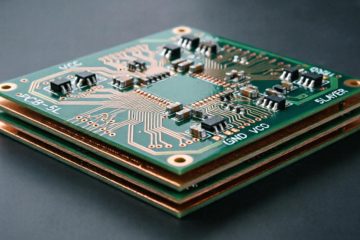
- Double-Sided or Multilayer Aluminum Circuit Boards: These consist of double-sided or multilayer PCBs bonded to an aluminum base. The dielectric layer requires high thermal conductivity.
- Through-Hole Aluminum PCBs: As the name implies, these require pre-drilled holes filled with dielectric material to prevent short circuits.
- Flexible Aluminum PCBs: These boards incorporate a flexible dielectric that provides electrical isolation and thermal conductivity. The combination of aluminum and dielectric materials allows for flexible PCBs with customized shapes. The stack-up often uses polyimide (PI) based materials for enhanced insulation.
- Hybrid Aluminum PCBs: Used in RF applications, this type offers very high thermal performance, especially if the design incorporates standard FR4 materials. High-frequency aluminum circuit boards often use polyolefin as the insulating material.
Advantages of Aluminum PCBs
- Cost-Effectiveness: Aluminum circuit boards can be more economical than FR4 materials in certain contexts due to the abundant supply of aluminum. Overall product manufacturing costs can be reduced as the aluminum PCB itself acts as a heat sink.
- Excellent Mechanical Stability: The rigid nature of aluminum provides high resistance to vibration and mechanical stress, making it environmentally robust. It is generally evaluated as stronger than glass fiber and ceramic-based PCBs.
- High Thermal Conductivity: A primary advantage, as these boards function similarly to heat sinks, efficiently transferring heat away from components.
- High Withstand Voltage Capability: Robust construction allows Aluminum PCBs to easily withstand high voltages, potentially up to 3000 volts.
- Lightweight Design: A key characteristic of aluminum is its light weight compared to metals like copper, facilitating easier handling and integration.
- Environmentally Friendly: This is considered a more eco-friendly PCB option compared to FR4, as aluminum is recyclable.
Disadvantages of Aluminum PCBs
While Aluminum PCBs excel in heat dissipation and mechanical performance, they also present several notable drawbacks:
- Higher Cost: Aluminum PCBs are generally more expensive than standard FR-4 substrates. In some cost-sensitive products, the Aluminum PCB can account for over 30% of the total product cost.
- Potential Electrical Performance Issues: Products may encounter problems related to Dielectric Strength and Withstand Voltage Performance. For instance, some Aluminum PCBs used in LEDs might fail to pass a 800V withstand voltage test in practice. Issues also include confusion between Breakdown Voltage and Arc Effects, and contradictions between the withstand voltage requirements of the complete lamp assembly versus the Aluminum PCB alone.
- Process Limitations and Difficulties: Mainstream processes face challenges in producing reliable double-sided and multilayer boards. Additionally, the use of potentially thicker copper foil presents difficulties in processes like etching and solder mask printing.
- Lack of Standardization in Testing and Specifications: The industry lacks complete unification in material specifications for Aluminum Clad Laminates, with multiple standards coexisting (e.g., CPCA industry standards, national standards, international standards). Test methods for thermal conductivity (e.g., Laser Flash Method, ASTM 5470) and their results also lack uniformity, causing confusion regarding their correlation to practical application performance.
- Material and Quality Concerns: The thermal performance of the dielectric layer may be suboptimal, particularly in some domestic products where standard FR-4 prepreg might be used without suitable thermal conductive fillers, compromising overall heat transfer. Other issues include non-compliant copper foil thickness leading to circuit failure, and market irregularities such as corner-cutting and inferior material substitution by some manufacturers.
Considerations for Selecting and Using Aluminum PCBs
Considering these disadvantages, the following aspects should be evaluated in practical projects:
- Balance Cost and Performance: The higher cost of Aluminum PCBs is a primary factor. Evaluate the product budget and specific thermal performance requirements carefully.
- Focus on Electrical Reliability: If the product has high requirements for Withstand Voltage Performance and Dielectric Strength, pay close attention to the dielectric layer material and process quality of the Aluminum PCB, and incorporate electrical safety standards during the design phase.
- Confirm Process Feasibility: If the design requires double-sided routing, engage closely with the PCB supplier to confirm their process capabilities meet the requirements, or consider alternative solutions.
- Select Reliable Suppliers: Given the lack of standardization and prevalence of counterfeit/inferior products, choosing a supplier with a solid reputation and strict quality control is crucial. Reputable suppliers use compliant materials and employ advanced equipment like AOI (Automated Optical Inspection) and CNC (Computer Numerical Control) machines to ensure quality.
Core Manufacturing Process for Aluminum PCBs
he manufacturing flow for Aluminum PCBs is similar to conventional PCBs but requires attention to these specific processes:
- Copper Foil Etching: Aluminum PCBs often use thicker copper foil (especially over 3 oz). Etching thicker foil requires trace width compensation. Incorrect compensation according to design demands will result in trace widths outside tolerance after etching. Therefore, trace width compensation must be accurately designed and controlled during manufacturing.
- Solder Mask Printing: The thick copper foil poses challenges for solder mask application on aluminum core PCBs. Significant height differences between the trace surface and the base board can make printing difficult. Therefore, a two-step solder mask printing process is often used. High-quality solder mask ink should be used, and in some cases, resin filling is performed prior to solder mask application.
- Mechanical Manufacturing: Processes like mechanical drilling, routing, and V-scoring can leave residues in internal vias, potentially reducing dielectric strength. For low-volume production, electrical milling and professional milling cutters are recommended. Drilling parameters must be optimized to prevent burr formation, ensuring higher quality mechanical processing.
High-End Application Fields for Aluminum PCBs
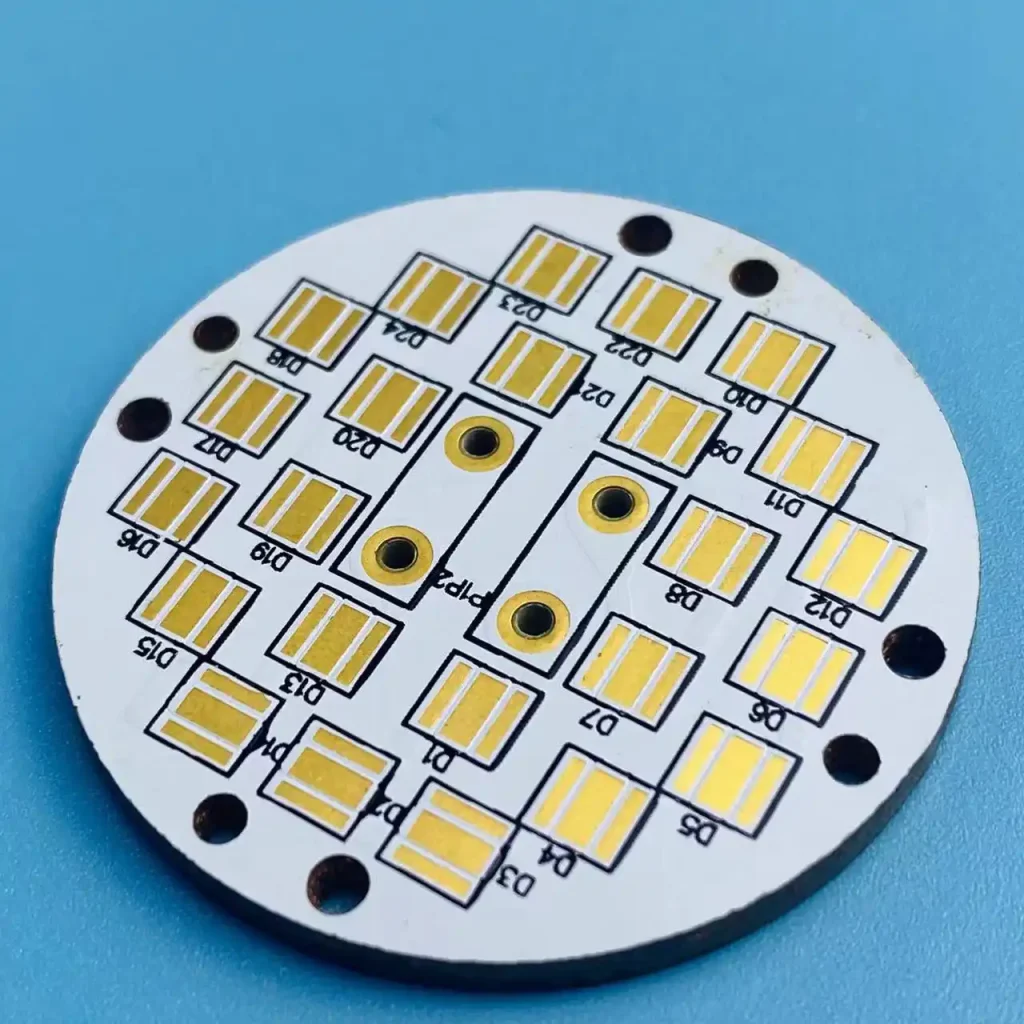
Aluminum PCBs are widely used in scenarios with stringent requirements for power density and thermal management:
- LED Lighting Systems: High-power LEDs generate significant heat; Aluminum PCBs ensure stable light output and extended lifespan.
- Power Electronics Equipment: Power converters, inverters, and amplifiers require stable thermal platforms, making Aluminum PCBs ideal.
- Automotive Electronics: From headlight systems to battery management, automotive-grade Aluminum PCBs meet demands for high reliability, vibration resistance, and heat tolerance.
- Medical Devices: Precision instruments like imaging scanners, wearable monitors, and surgical tools rely on consistent thermal control provided by Aluminum PCBs.
- Aerospace and Defense: These industries demand performance in extreme environments; Aluminum PCBs provide high durability and thermal stability.
- Switchgear/Microwave Devices: Used in heat sinks, semiconductor devices, thermal insulation modules, and motor controllers.
- Industrial Vehicles: Applications include ignition systems, voltage regulators, automatic safety control systems, and lighting conversion systems.
Summary
Aluminum substrates, with their unique metal base and thermally conductive insulating layer, excel in heat dissipation, making them an ideal choice for high-power, high-reliability electronic products.
When choosing a substrate, consider the structural type, aluminum material family, and specific process capabilities.
0 Comments