



Introduction
This article focuses on comparing the two most prevalent solder compositions: 60/40 and 63/37 solder, often regarded as top choices for electronics soldering. These alloys are crucial for establishing reliable connections between different components. Let’s now delve into their key distinctions and advantages.
60/40 solder consists of 60% tin and 40% lead. With a relatively low melting point of approximately 183°C, it is versatile and finds widespread use in electronics and various soldering applications. This solder type is known for its reliability but lacks the eutectic property of its counterpart.
On the other hand, 63/37 solder is a unique blend comprising 63% tin and 37% lead. Its melting point is identical to that of 60/40 solder at 183°C. However, the fundamental advantage of 63/37 solder lies in its eutectic nature, meaning it has a single, distinct melting point. This characteristic is particularly important in applications requiring precise temperature control. The differences between these two solder alloys extend beyond their melting points. 63/37 solder exhibits superior fluidity during the soldering process, resulting in more uniform and smoother flow. It is important to note that while both solders produce strong and reliable solder joints, 60/40 solder may be marginally less robust due to its non-eutectic characteristic.
Furthermore, the higher lead content in 60/40 solder raises concerns regarding environmental regulations such as the Restriction of Hazardous Substances (RoHS) Directive. In contrast, 63/37 solder contains less lead and is closer to complying with RoHS requirements. The choice between 60/40 and 63/37 solder ultimately depends on the specific demands of your soldering project. Both have their merits, but 63/37 solder excels in applications where precise soldering control is paramount.
Composition of Solder
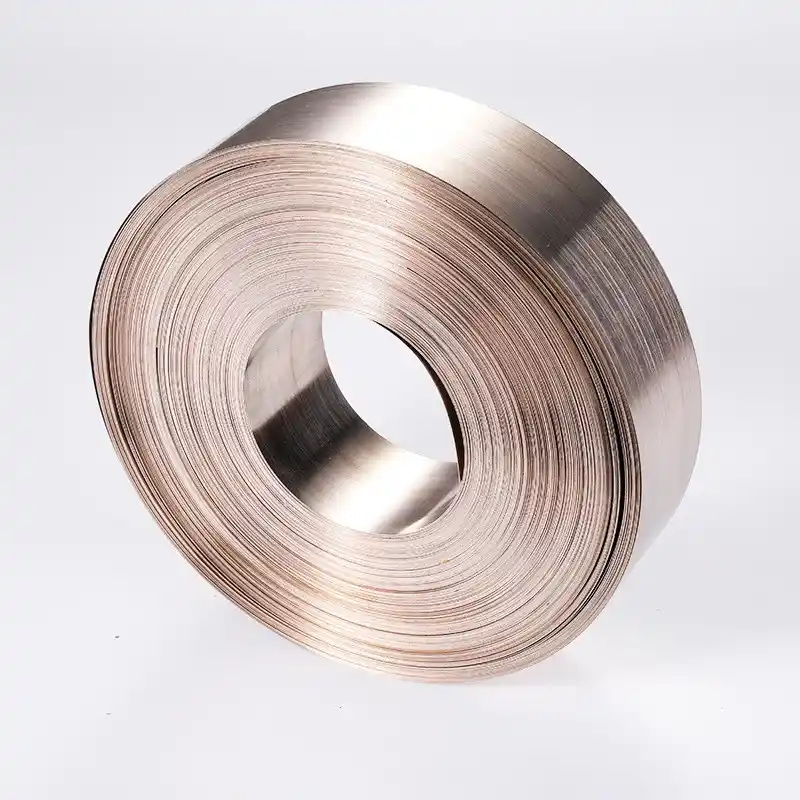
Solder is a material used to create strong bonds between metal parts. It is a metallic alloy that combines different materials such as tin and lead. Traditionally, solder is composed of tin and lead, with tin typically constituting the higher percentage. Solder is generated through a melting process. To form a strong bond, the solder’s melting point must be lower than that of the parts being joined.
After the melting phase, the solder cools down, permanently bonding the parts. In electronics manufacturing, engineers use solder to attach components to circuit boards. Consequently, solder used in this field must possess excellent electrical conductivity. For many years, tin-lead alloys have been commonly used to produce solder.
Over time, concerns have grown regarding the environmental and health hazards associated with lead. This has led to the increased adoption of lead-free solder in recent years. Typically, solder features a low melting point, generally around 200 degrees Celsius.
Additionally, solder is available in various physical forms. Some solders are specially designed for specific applications or industries.
Working Principle of Solder
The composition of the alloy influences the solidification behavior of solder. Pure metals solidify at a specific temperature and form crystals. Similarly, eutectic alloys solidify at a single temperature. When non-eutectic alloys cool down, non-eutectic phases begin to precipitate, often in the form of intermetallic compounds.
Furthermore, a mushy state refers to a mixture of solid particles within the eutectic. Solder is widely used across various fields. The most common solder type is 60/40. However, flux is also essential in soldering to ensure the formation of high-quality joints. Flux prevents oxidation in the joint area and also aids in forming a strong and reliable bond.
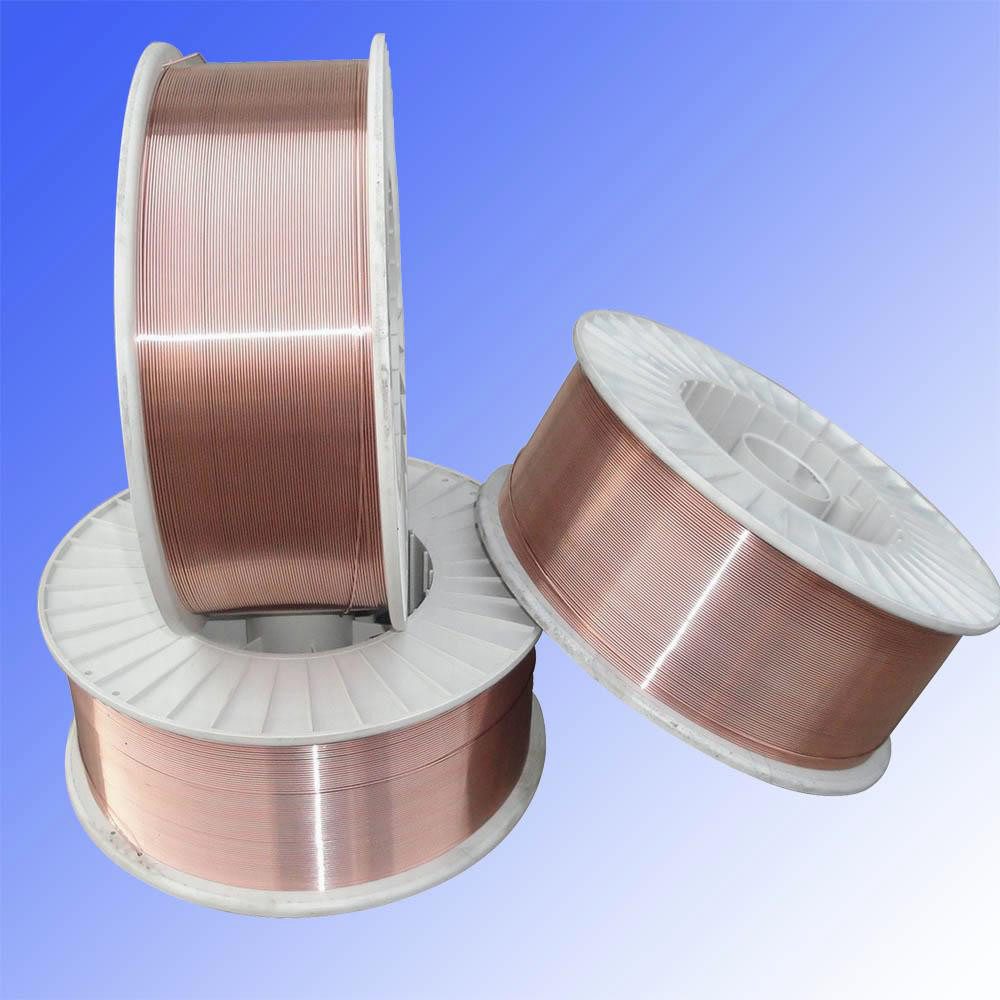
In electronics manufacturing, solder is typically used in wire form. 63/37 wire solder facilitates manual soldering tasks, making it an ideal choice for hand-soldering applications.
What is 60/40 Solder?
60/40 solder, also known as alloy Sn60Pb40, consists of 60% tin and 40% lead and belongs to the soft solder category. Although its melting point is close to the eutectic temperature, it is classified as non-eutectic solder with a melting point of 190 degrees Celsius. This solder flows well and is user-friendly.
Renowned for its excellent thermal and electrical conductivity, 60/40 solder forms robust, permanent metallic bonds, making it highly suitable for electronics and PCB manufacturing. Proper storage in a non-corrosive, dry environment with temperatures between 10 and 40 degrees Celsius is crucial. However, its drawbacks include its non-eutectic nature and a relatively high melting range.
It is suitable for joining copper and copper alloys but is less appropriate for joints exposed to shock or vibration. Available in solid wires, acid core, and rosin core varieties, it is favored for dip soldering baths due to its narrow melting range.
60/40 solder is an excellent choice for electronic and electrical connections and is compatible with heat sources such as air-fuel torches and soldering guns. It conforms to ASTM B32 Alloy Grade Sn 60 and J-STD-006 Sn60Pb40Sb0.4 standards. Being soft, it minimizes crack formation if the joint moves during the cooling process.
What is 63/37 Solder?
63/37 solder, commonly referred to as eutectic solder, is another widely used solder alloy. It contains 63% tin and 37% lead. Unlike 60/40 solder, 63/37 solder is eutectic, meaning it has a single, sharp melting point. This property makes it particularly suitable for applications requiring precise control over the soldering process.
Composed of 63% tin and 37% lead, 63/37 solder has a low melting point of 183 degrees Celsius, distinguishing it from 60/40 solder. Its standout feature is its eutectic nature, which allows it to bypass a semi-solid state, making it highly user-friendly and less prone to defective joints. Ideal for manual soldering tasks, it is commonly used in plating and wave soldering. In plating, it serves as a corrosion-resistant coating and also acts as a base for soldering. It is available in various forms, including foils, solder paste, and bars, and is often known as 63Sn/37Pb solder, appreciated for its ease of use and reliable performance.
Differences between 60/40 and 63/37 Solder
Let’s now explore the key differences between 60/40 and 63/37 solder:
Application Specificity: 60/40 solder is a versatile choice suitable for general soldering tasks, commonly found in electronics, plumbing, and hobbyist applications. Conversely, 63/37 solder is preferable for applications demanding precise soldering control, notably in aerospace and military electronics.
Melting Point: One of the most significant differences is the melting point. 60/40 solder has a melting point typically around 183°C. In contrast, 63/37 solder, being eutectic, has a sharp melting point at exactly 183°C. This means 63/37 solder transitions directly from solid to liquid state, making it ideal for applications requiring precise temperature control.
Fluidity: Due to its eutectic nature, 63/37 solder exhibits better fluidity during the soldering process. It flows more evenly and smoothly, reducing the likelihood of solder bridges or cold joints.
Strength and Reliability: While both solders form strong and reliable solder joints, 60/40 solder may be slightly less robust due to its non-eutectic nature. However, for most electronics applications, this difference is often negligible.
RoHS Compliance: In recent years, the industry has shifted towards lead-free solder due to environmental regulations like the RoHS Directive. 60/40 solder, with its higher lead content, may not comply with RoHS, whereas 63/37 solder, with lower lead content, is closer to meeting these requirements.
Conclusion
In summary, the choice between 60/40 and 63/37 solder depends on the precise requirements of your soldering project. While the versatility of 60/40 solder makes it suitable for a wide range of applications, 63/37 solder offers superior control and fluidity, which is particularly crucial for high-precision soldering tasks. Furthermore, it is essential to consider environmental regulations and opt for lead-free solders when necessary to ensure compliance with standards like RoHS.
A thorough understanding of the characteristics and distinctions between these solder alloys empowers you to make informed decisions, paving the way for successful soldering outcomes in your diverse projects. Therefore, whether you are working on electronics, plumbing, jewelry, or other applications, your choice of solder alloy—considering factors such as 60/40 soldering temperature, solder composition, 60/40 solder temperature, rosin core electrical solder, and 60/40 vs. 63/37 solder wire—will play a pivotal role in achieving strong, reliable, and compliant connections.


0 Comments