



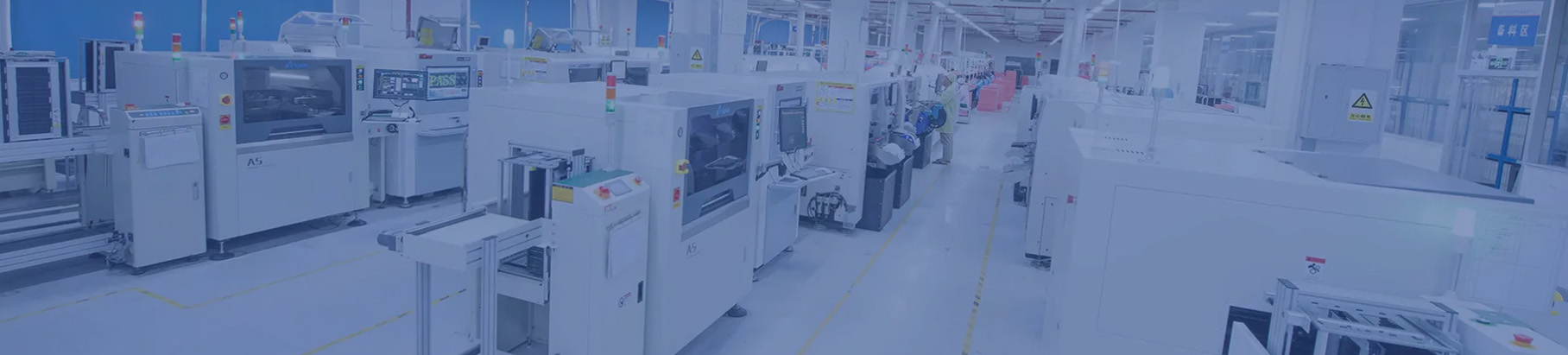
With the increasing complexity and precision of printed circuit boards (PCBs), PCB board washer have become essential equipment for improving production quality and efficiency. By employing efficient methods such as spraying, immersion, or ultrasonic cleaning, they thoroughly remove flux residue, dust, and ionic contaminants, ensuring a clean and flawless PCB surface. This provides a solid foundation for subsequent testing, coating, and assembly processes. Compared to traditional manual or simple cleaning methods, automated cleaning equipment not only improves cleaning consistency but also significantly reduces labor costs and rework rates.
Why is PCB washer so important?
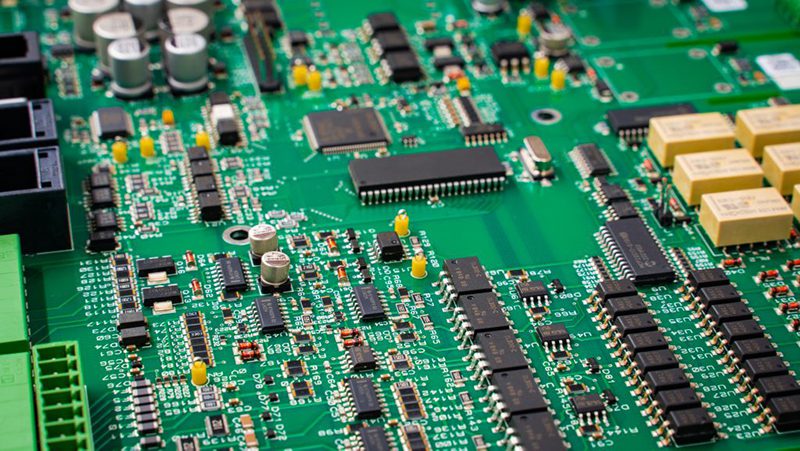
In modern electronics manufacturing, PCB cleaning has become an essential step in ensuring product quality and long-term reliability. With the increasing miniaturization and higher density of electronic components and packaging, traditional cleaning methods are no longer sufficient to completely remove residues. This is especially true for low-profile packaging technologies such as QFN and BGA, where the cleaning process becomes significantly more challenging, requiring more advanced cleaning agents and processes.
What are the functions of PCB board washer?
PCB board washer is not merely about aesthetics or process requirements; it directly impacts the electrical performance, reliability, and lifespan of electronic products, making it a crucial step in ensuring high-quality manufacturing. Key benefits include: Removing flux residue: During soldering, flux residue can remain on the PCB surface. If not cleaned properly, this can lead to corrosion, leakage, or reduced electrical performance. Preventing electrochemical migration: Residual ionic contaminants (such as chlorides and sulfates) can form conductive pathways in humid environments, causing electrochemical migration and resulting in short circuits or component failure. Enhancing product reliability: Cleaning effectively eliminates potential contamination, improving the long-term stability of the circuit board, which is especially critical in high-end applications (aerospace, medical, automotive electronics). Improving appearance: A clean PCB not only meets industry standards but also avoids defects such as surface discoloration and stickiness, enhancing customer satisfaction. Facilitating inspection and repair: Residue can obscure solder joints, affecting subsequent AOI (automated optical inspection), X-ray inspection, and repair processes. Cleaned PCB are easier to inspect and maintain. Improving coating and adhesion: Before applying protective coatings or adhesives, a clean PCB ensures better adhesion and enhanced protection. Meeting industry standards and regulations: Some industries (e.g., automotive electronics, military, medical devices) have specific cleanliness standards that must be met through proper cleaning.
Benefits of a PCB board washer
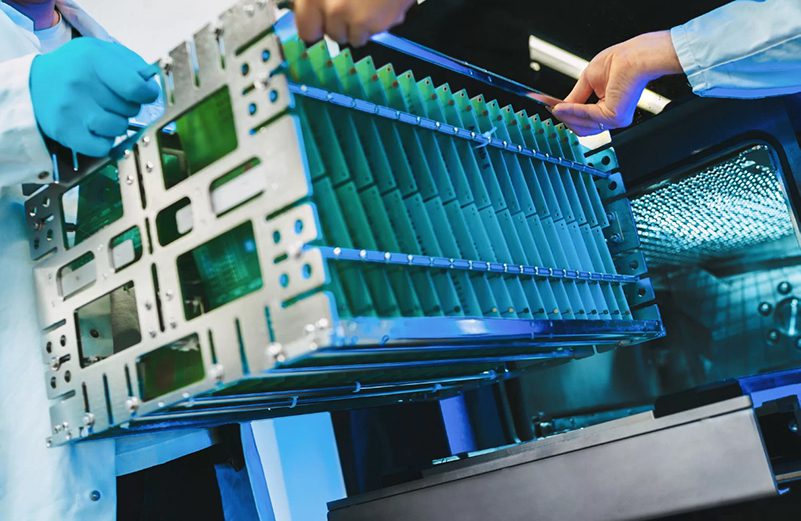
Effective PCB washer not only removes residues from the soldering process but also significantly enhances the overall performance of electronic products. Cleaned circuit boards dramatically reduce the risk of corrosion and short circuits, extending product lifespan. Furthermore, a clean surface improves adhesion for subsequent processes (such as conformal coating and bonding), preventing failures caused by residual contamination. Additionally, cleaned PCB are easier to test and repair, greatly improving production efficiency and yield. For businesses, the cleaning process is crucial for ensuring product quality, effectively reducing rework and repair costs, and ultimately delivering greater value to customers.
Basic knowledge of PCB washer
To successfully clean printed circuit boards and electronic components, eight key factors must be considered:
Target of cleaning: Different PCB structures, component characteristics, and customer cleanliness requirements directly determine the cleaning process.
Contaminant type: The solubility characteristics of solder flux, solder paste components, and other mixed contaminants are crucial for developing an effective cleaning solution.
Process conditions: PCB manufacturing and reflow soldering processes (such as reflow profile and number of solder joints) affect the nature of contaminants, thus influencing the cleaning difficulty.
Bottom-pin components: Low-profile components like QFN and BGA pose higher cleaning challenges. A balanced approach to cleaning time, temperature, mechanical energy, and solvent solubility is essential for complete flux residue removal.
Material compatibility: During cleaning, compatibility between component markings, metal surfaces, and various materials must be considered to prevent damage to the PCB or components.
Cleaning agent selection: The cleaning agent must be compatible with the contaminants and the cleaning equipment. More effective cleaning agents are needed for difficult-to-remove contaminants. Incompatible cleaning agents can lead to incomplete cleaning or even component damage.
Cleaning equipment: Equipment selection should balance production efficiency and cleaning effectiveness. For complex components, the role of mechanical energy should be carefully considered to ensure thorough cleaning.
Process control: Strict process control ensures consistent cleaning results, stable performance, and lower long-term production costs.
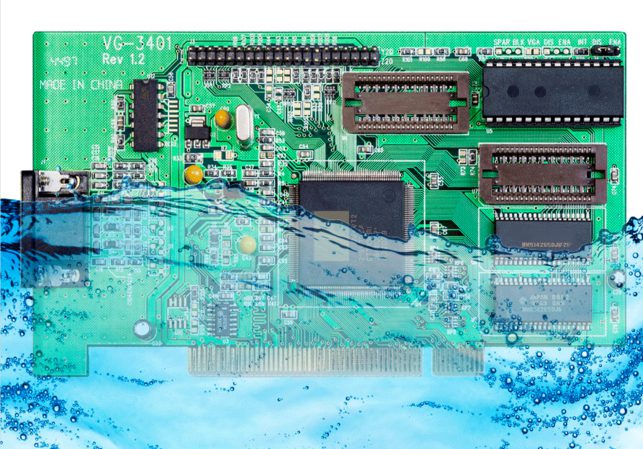
Batch Cleaning Process VS Inline Cleaning Process
In PCB and electronic component cleaning, batch and in-line water-based spray cleaning processes are two common methods, each with its own advantages and suitable for different production needs.
Batch Cleaning Process
Features: Electronic components are placed together in a sealed chamber, and cleaning, rinsing, and drying are performed sequentially within the same chamber.
Advantages:
Compact equipment design, small footprint;
Suitable for small to medium batch production;
Centralized processing throughout the entire process, reducing the risk of cross-contamination.
Application scenarios: Suitable for R&D stages, small-batch production, and mixed-model production.
Online Cleaning Process
Features: Cleaning, rinsing, and drying are performed continuously on a conveyor belt, with electronic components moving sequentially through different process modules.
Advantages:
High automation, resulting in greater production efficiency;
Capable of processing large volumes of products quickly;
Ensures consistent cleaning quality, suitable for complex components.
Application Scenarios: Suitable for large-scale production, especially for electronic products requiring high cleanliness standards.
Two types of PCB board washers are available; depending on your specific needs, if flexibility and space saving are important, a batch-type washer is more suitable; if high efficiency and large-volume processing capacity are the priority, then an online system is recommended.
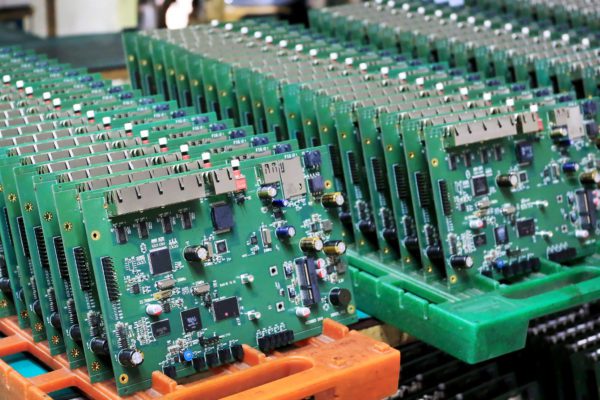
Ultrasonic and immersion cleaning processes
In ultrasonic and immersion cleaning processes, the electronic components to be cleaned are fully immersed in the cleaning solution, ensuring that the cleaning agent thoroughly covers and contacts every surface of the product. This process typically combines ultrasonic vibration or spray-in-immersion (SUI) technology, effectively decomposing and removing contaminants on the surface and in small crevices through liquid circulation and mechanical energy transfer. Compared to traditional cleaning methods, ultrasonic and immersion processes not only improve cleaning uniformity but also handle complex structures and components with extremely small gaps, such as BGA packages, QFN devices, and flip-chip components. These components have narrow gaps at their bottom, which are difficult to reach with traditional spray cleaning; however, ultrasonic and immersion cleaning can penetrate these blind areas, ensuring that residual flux and contaminants are thoroughly removed. Furthermore, this process is suitable for industries requiring high reliability, such as aerospace, medical devices, and automotive electronics, providing higher cleanliness standards without damaging the components. Combined with process control and the use of appropriate cleaning agents, ultrasonic and immersion cleaning offers manufacturers an efficient and reliable solution.
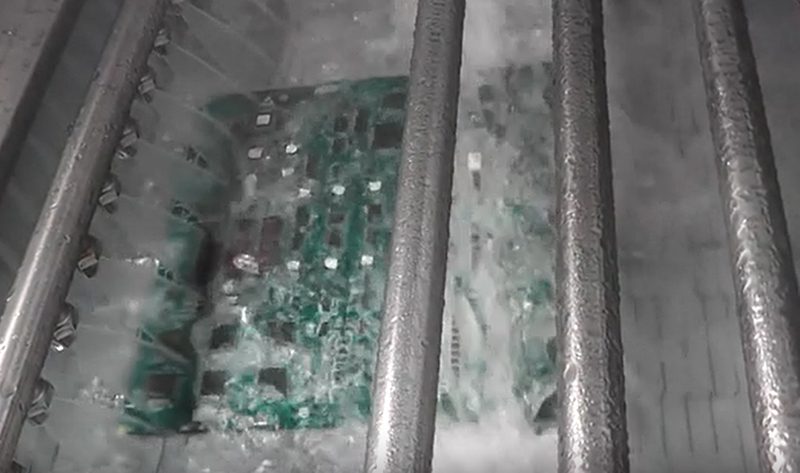
Advantages and limitations of manual vs. desktop PCB board washers
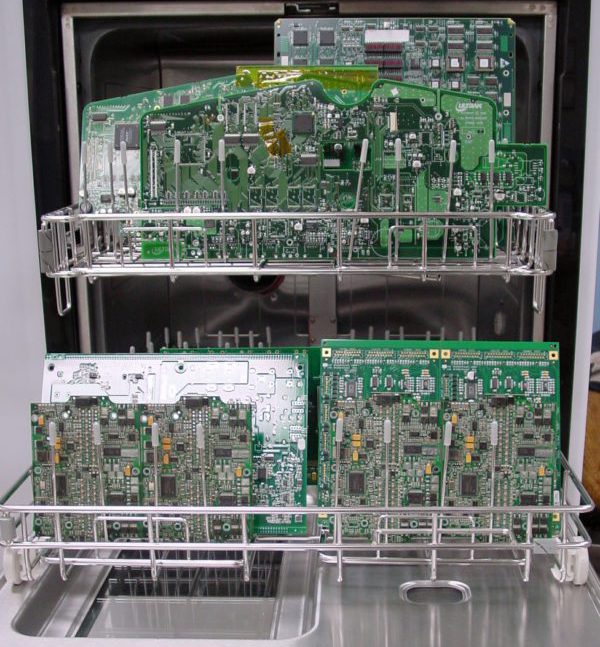
Manual and benchtop cleaning is a common and flexible process, its greatest advantage being its flexibility and targeted approach. It can quickly address small batch or localized contamination issues, making it particularly suitable for PCB repair, test samples, and customized, small-scale production. Operators can adjust the cleaning method based on the actual condition of the circuit board, ensuring effective handling of complex or sensitive components. However, compared to automated cleaning processes, manual and benchtop cleaning also has certain limitations. First, the cleaning effect largely depends on the operator’s experience and skills, making consistent results difficult to guarantee. Second, its processing efficiency is limited, making it unsuitable for large-scale production. Finally, for high-density packages or components with extremely small gaps, manual cleaning may not completely remove contaminants. Therefore, in modern electronics manufacturing, manual and benchtop cleaning often serve as a complement to automated cleaning processes, playing an important role in specific scenarios.
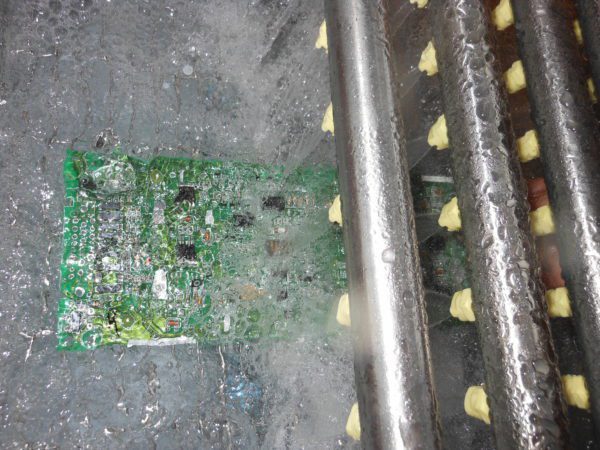
The advantages of Thindry’s solutions
In response to this trend, Thindry has launched a range of high-performance PCB washer agents. These formulations leverage the advantages of in-line cleaning machines, such as high flow rate, strong impact force, and multi-angle spray, enabling rapid penetration into narrow gaps for efficient and thorough cleaning. This not only significantly improves production efficiency but also reduces rework and failure rates, providing greater assurance for businesses in the competitive electronics manufacturing industry. Furthermore, Thindry’s cleaning agents feature built-in cleanliness monitoring, ensuring that production lines consistently meet industry standards. To cater to different application scenarios and environmental requirements, the product range offers standard, recyclable, and zero-emission options, helping customers achieve efficient cleaning while promoting sustainability and environmental friendliness. With its professional solutions, Thindry is becoming a reliable partner in the PCB washer industry, helping electronics manufacturers achieve comprehensive improvements in product quality, production efficiency, and green manufacturing.
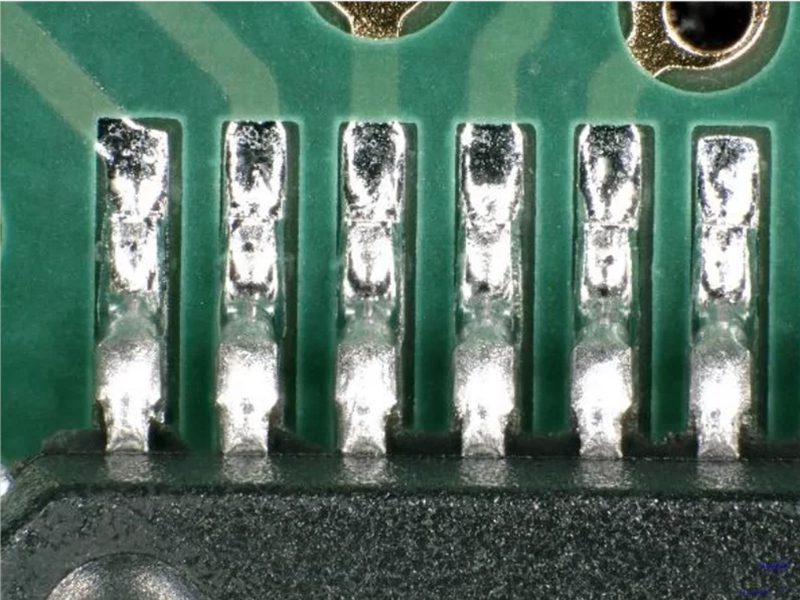
As a professional PCB manufacturer, Thindry always considers cleanliness control as a crucial aspect of quality management. We not only strictly adhere to industry standards and cleanliness protocols, but also introduce advanced cleaning processes and detection methods during production to ensure that every circuit board delivers superior electrical performance and reliability. In the future, Thindry will continue to uphold its commitment to high-quality, high-standard manufacturing, providing customers with more reliable and durable PCB products, thus contributing to the higher-level development of the electronics industry.
0 Comments