




Introduction
Creating an electronic circuit project typically involves the production of a Printed Circuit Board (PCB). Many different types of PCBs are available on the market today. However, single-layer PCBs hold a distinct position among the various types of printed circuit boards. If you are wondering what a single-layer PCB is, how it works, and when it is the ideal choice for your project, you have come to the right place.
Single-Sided PCB – What is a Single Layer?
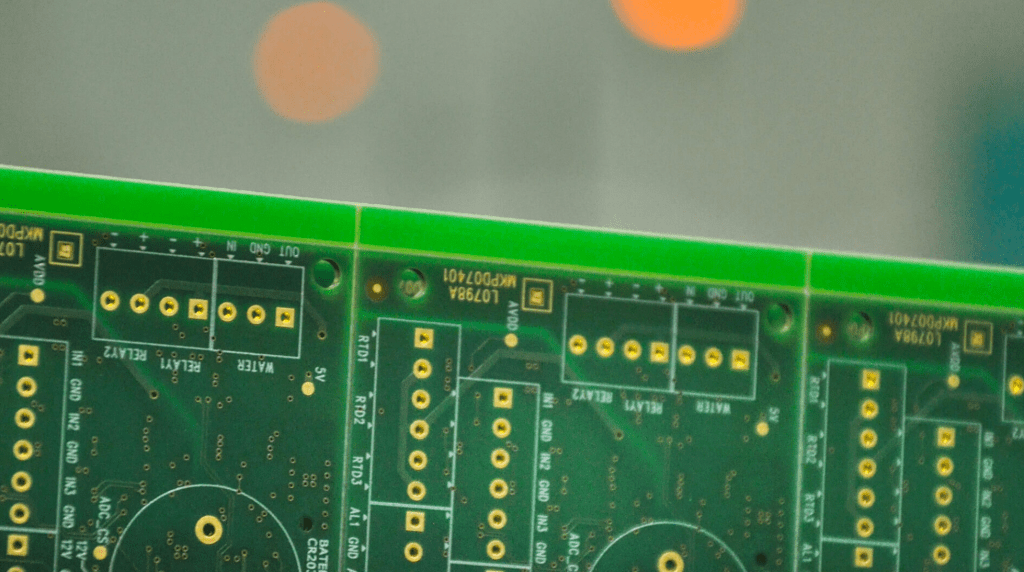
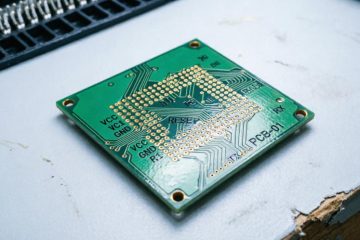
A single-layer PCB, also known as a single-sided PCB, is a specific type of printed circuit board. It is characterized by having only one layer of conductive material on one side of the board, while the opposite side is used for integrating various electronic components onto the board (the conductor pattern).
Typically, these single layer boards consist of just one layer of conductive material, usually made from copper foil, which manufacturers etch to create the circuit pattern. It is noteworthy that single-sided boards can be made from a variety of materials, offering several options to consider.
Aluminum substrates are renowned for their affordability and excellent thermal conductivity, performing exceptionally well in heat dissipation. FR-4 grade glass fiber laminates, made from glass fiber, offer a combination of heat resistance and cost-effectiveness. CEM-1 and CEM-3, composed of glass fiber and epoxy resin, are both economical choices with good heat resistance. Finally, copper-based single-layer PCBs, which feature a thin copper foil laminated onto a dielectric substrate, excel in applications requiring superior electrical and thermal conductivity. Each material possesses unique advantages, effectively meeting specific project requirements.
Single-layer PCBs form the foundation of PCB technology and still play a significant role in the electronics industry today. Furthermore, single-sided PCBs continue to be widely used in various applications, including those involving diverse electronic components where low cost is a priority.
Construction of a Single-Layer PCB
The substrate, also known as the base material, is made of insulating glass fiber, is compact in appearance, and provides the PCB with its strength. Furthermore, the type and properties of the substrate depend on whether the board is a flexible or rigid PCB. Above the substrate lies a copper layer, which provides conductive paths for the various components on the board. Different boards will, of course, have different copper thicknesses based on your requirements, measured in ounces per square foot (oz/ft²).
On one side, the copper foil is topped with a solder mask layer. This layer primarily serves to protect the copper foil from environmental factors and prevent accidental conduction by insulating it from direct contact with other conductive materials. On the other hand, a silkscreen layer is applied on top of all layers, primarily used to add characters and symbols to the board, making it easier to understand.
Types of Single-Layer PCBs
- Single-Layer Rigid PCB: This is a single-layer PCB made from a rigid material like glass fiber. This type of board is not flexible but prevents circuit breakage and bending. Currently, they are used in various types of equipment, such as power supplies, calculators, etc.
- Single-Layer Flexible PCB: This is a single-layer PCB made from a flexible material instead of a rigid one. Furthermore, they utilize plastic materials. Single-layer flexible PCBs offer many advantages over single-layer rigid PCBs, but they come with a higher manufacturing cost.
What is the Difference Between Single-Layer and Multi-Layer PCBs?
The distinction between single-layer and multi-layer PCBs is crucial for determining their applications, complexity, and cost. The fundamental design of a single-layer or single-sided PCB features only one layer of conductive material (typically copper) covering one side of the board. The other side is usually coated with a non-conductive substrate, often made of fiberglass or other insulating materials. Due to their simple construction, these PCBs are the preferred choice for hobbyists and students.
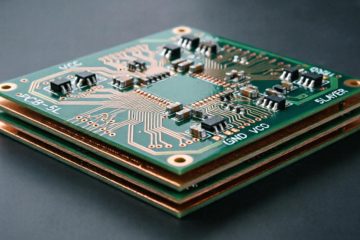
Multi-layer PCBs, on the other hand, are fundamentally different. These boards contain two or more layers of conductive elements, which are sandwiched between insulating layers, thereby allowing greater space for routing and component placement. Consequently, they are well-suited for more complex projects or electronic devices where space is limited and circuits are intricate.
One of the most significant advantages of multi-layer PCBs is their ability to incorporate ground planes or ground grids, effectively reducing electrical noise. Traces can cross over each other simply by having one trace extend beneath the board and re-emerge on the top, simplifying the design process.
While multi-layer PCBs offer greater design freedom and complexity, they also come with increased intricacy and cost. These boards are typically used in high-end electronics, such as sophisticated smartphones, where they feature a multi-layer structure to support complex circuitry, and where performance and compactness are paramount.
Advantages of Single-Sided Circuit Boards
- The design, installation, and manufacturing processes are straightforward compared to double-sided or multi-layer PCBs.
- Lower cost, especially suitable for large-scale production. Single-layer PCBs are generally less expensive to produce, making them an excellent alternative for low-density designs.
- Most PCB manufacturers consider it well-known, common, and easy to understand.
- As it consists of only a single layer, processes like drilling, soldering, desoldering, and component insertion on the board become easier.
- Reduced probability of issues such as short circuits and noise during manufacturing.
- Components are placed on only one layer, requiring the use of lower jumpers for circuit corrections.
- Less time required for troubleshooting and repair.
Disadvantages of Single-Layer Circuit Boards
- Single-layer PCBs are unsuitable for high-speed or high-density circuits.
- They do not provide much space for complex circuits or numerous components.
- They are not as space-efficient as double-sided PCBs.
- They are larger and heavier than multi-layer PCBs.
- Single-sided PCBs are more susceptible to electromagnetic interference.
- Routing signals on a single-sided PCB is more challenging.
Common Applications of Single-Layer PCBs
Precisely because of the characteristics mentioned above, single-layer PCBs are commonly used in simple, low-cost consumer electronics, such as:
- Calculators
- Radios, Tape Recorders
- Simple Power Adapters and Chargers
- Toy Circuits
- LED Lighting Panels
- Simple Control Boards for Home Appliances (e.g., Coffee Makers, Electric Fans)
- Basic Electronic Teaching Kits and Starter Projects
0 Comments