



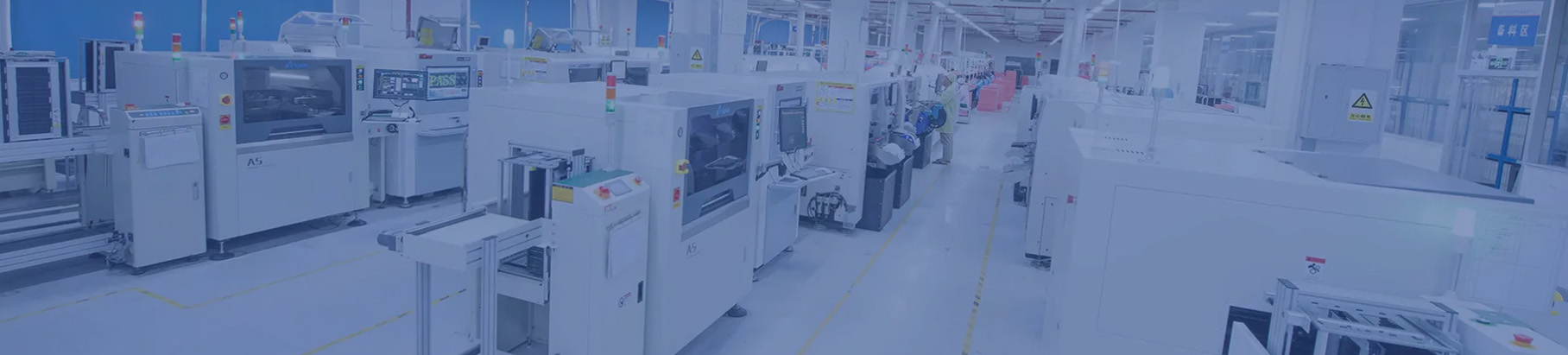
Driven by technologies like 5G, artificial intelligence, and high-performance computing, the electronics manufacturing industry is entering a new phase of rapid development. As a manufacturer of core electronic components, Thindry Electronics Co., Ltd., a high speed pcb prototype and high-speed PCB manufacturer, is designing and producing higher quality pcb based on market demand. Below, we’ll detail the process of high-speed PCB prototyping and manufacturing.
How to quickly achieve PCB product launch? Precisely control the production cycle.
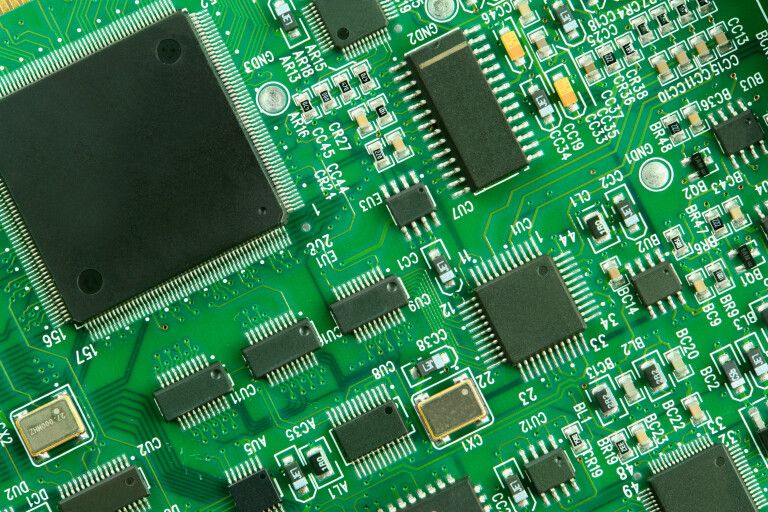
As electronic product performance continues to improve, signal transmission speed requirements in applications are increasing. Traditional PCBs are no longer able to meet the demands of high-frequency and high-speed applications. Therefore, upon receiving a customer’s PCB product request, our designers quickly design high-speed PCB. This order requires not only complete design verification in the shortest possible time, but also ensure precise impedance control, good signal integrity, and stable multi-layer structures.
How to improve high speed PCB development speed? An excellent team supports you.
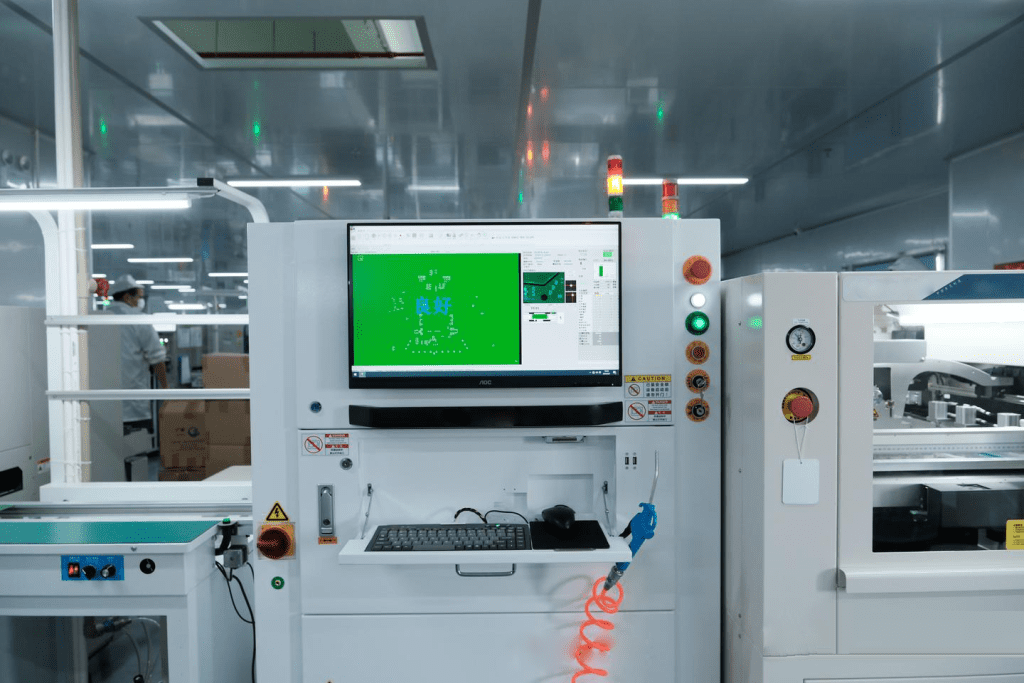
Based on our industry experience, high-speed PCB prototyping is crucial to the product development cycle, especially in fields such as communications equipment, servers, and aerospace. High-speed prototyping capabilities directly impact product iteration speed and market competitiveness. Therefore, the technical skills of our staff are crucial throughout the entire production process. Thindry has excellent technical personnel with extensive experience in PCB design, prototyping, and production, which significantly speeds up project completion.
How to ensure high speed PCB prototyping technology and quality?
To meet the requirements of high-speed signal transmission, high-speed PCB manufacturers not only need advanced production equipment but also master a series of key processes, including:
High-precision impedance control: ensuring stable high-speed signal transmission
Low-k and low-loss materials: reducing signal attenuation
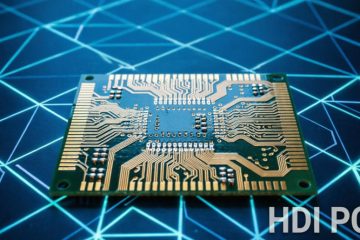
Blind and buried vias and HDI technology: increasing wiring density and space utilization
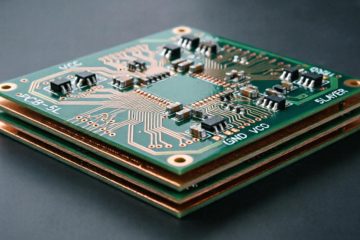
Refined multi-layer lamination processes: ensuring structural stability and consistency
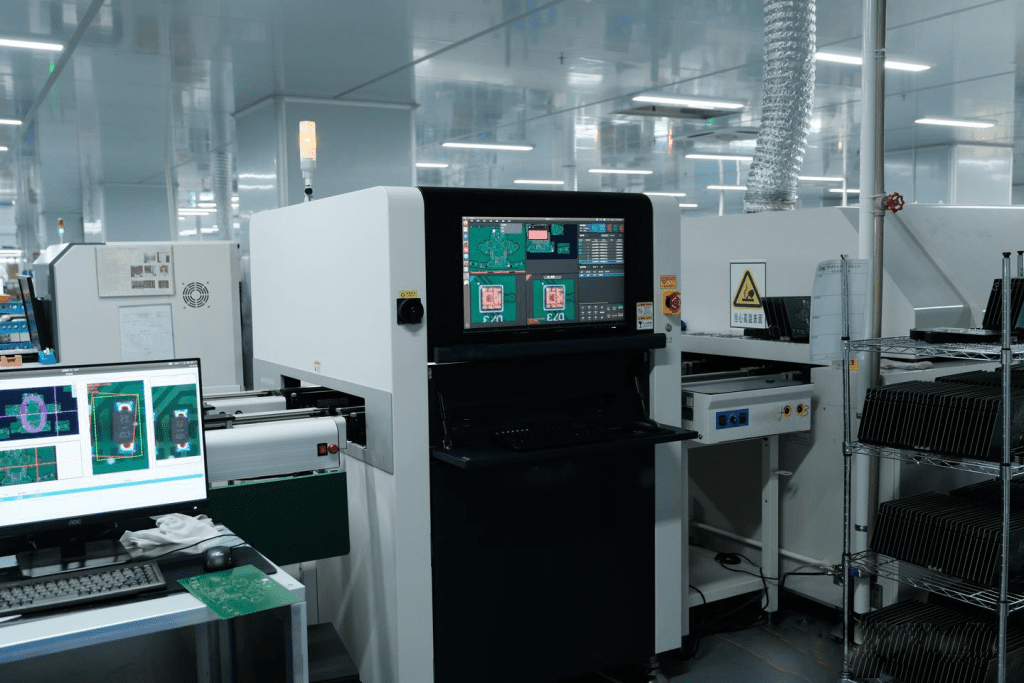
Currently, Thindry is increasing its investment in high-frequency materials, automated production lines, and intelligent inspection systems to meet the stringent requirements of high-end customers for high-speed PCB prototyping.
What is the application landscape for high speed PCB?
The application of high-speed PCBs has expanded from traditional communications equipment to emerging industries such as autonomous driving, medical imaging, high-performance GPU servers, and AR/VR devices. It is expected that over the next three years, high-speed prototyping capabilities will directly determine R&D efficiency and market competitiveness in high-performance fields such as communications equipment, servers, and autonomous driving.
1. 5G Communications Infrastructure
Base stations and optical modules: High-frequency signal transmission requires 5G PCBs with low loss and high thermal conductivity, typically using PTFE or ceramic substrates.
Millimeter-wave applications: Impedance matching and signal integrity must be strictly controlled to avoid high-frequency attenuation.
2. Data centers and cloud computing
High-speed servers: PCIe 5.0/6.0 and 400G interfaces are driving PCB products towards multi-layer, high-density interconnect (HDI).
Switches/routers: Differential signal routing requires optimized crosstalk and latency, and ultra-low-loss substrates are commonly used.
3. Artificial Intelligence and Autonomous Driving
AI accelerator cards/GPUs: High-power chips require PCBs with excellent heat dissipation performance, often using metal substrates or buried copper designs. Automotive radar (77GHz): High-speed PCB prototyping requires addressing temperature stability and vibration reliability issues.
4. Consumer Electronics (High-End Applications)
Smartphones (LCP Antenna): Flexible PCBs (FPCs) support millimeter-wave frequency bands, balancing lightweight design with high-frequency performance.
AR/VR Devices: High-refresh-rate display drivers rely on high-speed signal transmission, requiring EMI mitigation.
How to Reduce High-Speed PCB Prototype Production Costs? Supply Chain and Process Management in Parallel
When producing high-speed PCB prototypes, cost control is often a top priority for companies. Reducing material costs alone is insufficient to achieve cost-effective product delivery. More crucial is optimizing both product supply and processes. First, establishing a stable raw material supply chain to ensure efficient procurement of key components and substrates can effectively reduce unnecessary costs. Second, refined process management and the introduction of automated equipment can significantly improve production quality, reduce rework and scrap rates, and ultimately optimize and control overall costs.
Addressing High-Speed PCB Heat Dissipation and Signal Integrity Issues? Professional Solutions
High-speed PCB are highly susceptible to electromagnetic interference and heat generation when transmitting high-frequency signals, directly impacting system stability and reliability. Therefore, professional PCB design and solutions are crucial. High-speed PCB prototypes effectively enhance thermal management capabilities through a rational stacking structure design, high-thermal conductivity materials, optimized copper trace routing, and heat dissipation channels. Regarding signal integrity, preliminary verification using analytical tools, combined with precise impedance control and trace design, effectively reduces signal distortion and crosstalk. High-speed PCB manufacturers have found through repeated research that addressing both heat dissipation and signal integrity can effectively improve the stability of high-speed PCB prototypes in complex application scenarios.
Thindry technical team promotes high-speed PCB prototype production.
Both the rapid delivery of high-speed PCB prototypes and the continuous breakthroughs in quality and technology achieved by high-speed PCB manufacturers will directly contribute to the creation of the next generation of high-performance electronic devices. For Thindry, seizing the high-speed PCB market opportunity is key to future success.
Please Contact us to learn more about high-speed PCB prototyping, manufacturing processes, application areas, and market trends, helping us accelerate the implementation of high-performance electronic products.
0 Comments