



Understanding oxygen free copper wire meaning helps you select ideal conductive materials for circuit design and electronic manufacturing. Grasping oxygen free copper wire meaning also helps you avoid improper material selection and enhance long-term operational stability of finished products. This beginner-friendly yet professional guide covers core definitions, production workflows, performance contrasts, real industry applications and practical troubleshooting tips for all learners.
What is oxygen-free copper and basic material features
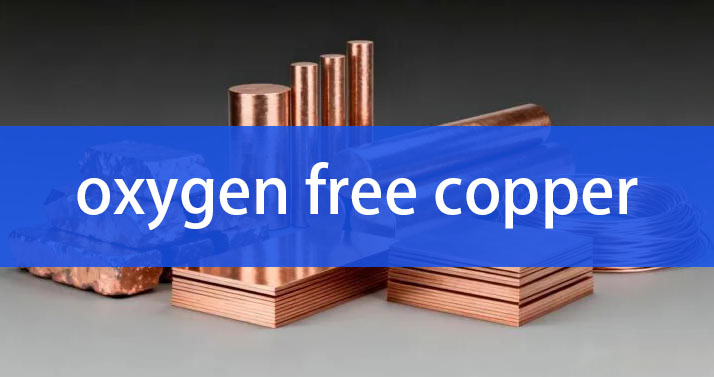
Oxygen-free copper is high-purity copper material with oxygen content strictly controlled below 0.001%, serving as the core raw material for standard oxygen free copper wire. Most internal oxide impurities are eliminated during the smelting phase.
This material features a uniform internal metallic structure and superior electrical conductivity. It maintains stable performance under high-frequency, high-temperature and complex operating conditions.
Common oxygen-free copper grades
- TU1: Copper purity reaches 99.99%, mainly applied to high-end precision electronic devices
- TU2: Copper purity reaches 99.95%, the mainstream choice for general commercial electronic wiring
How does oxygen free copper oxidation occur and how to prevent it effectively
Oxygen free copper oxidation mostly happens in humid, high-temperature and corrosive working environments. Even with ultra-low oxygen content, long-term exposure cannot fully avoid external chemical corrosion.
You can effectively slow down the oxidation rate via standardized storage and daily protective measures. Simple maintenance practices can significantly extend the service lifespan of oxygen free copper wire.
Daily anti-oxidation methods
- Store finished wires in dry and airtight spaces.
- Install outer insulating protective layers after wiring completion.
- Avoid subjecting installed wires to frequent drastic temperature fluctuations.
What is the full oxygen free copper process to make qualified copper wire
The standard oxygen free copper process consists of vacuum deoxidation, continuous casting, rolling, wire drawing and precision annealing in sequential order. Every procedure strictly regulates temperature and impurity content.
Raw copper materials undergo layered refining to remove internal oxygen elements. The complete manufacturing procedure ensures finished oxygen free copper wire complies with industrial standards for conductivity and mechanical toughness.
Core steps affecting final wire quality
Vacuum deoxidation stands as the most pivotal procedure. It directly determines the current transmission efficiency and fatigue resistance of finished oxygen free copper wire.
What popular oxygen free copper myth do most practitioners believe wrongly
A prevalent oxygen free copper myth claims all high-conductivity copper wires are genuine oxygen-free copper products. This misconception leads to numerous unsuitable material selections in actual engineering projects.
Many low-oxygen copper products are falsely labeled as oxygen-free copper on the market. Such unqualified products cause increased signal loss and accelerated aging during long-term operation.
Easy ways to verify real oxygen-free copper
Refer to official component test reports to check actual oxygen content data. Observe the heat generation status under high-frequency operation for quick practical identification.
What are different oxygen free copper alloy types and application differences
Various oxygen free copper alloy variants are produced by blending trace amounts of stable metallic elements into pure oxygen-free copper substrates. Different alloy formulations cater to diverse operational environment requirements.
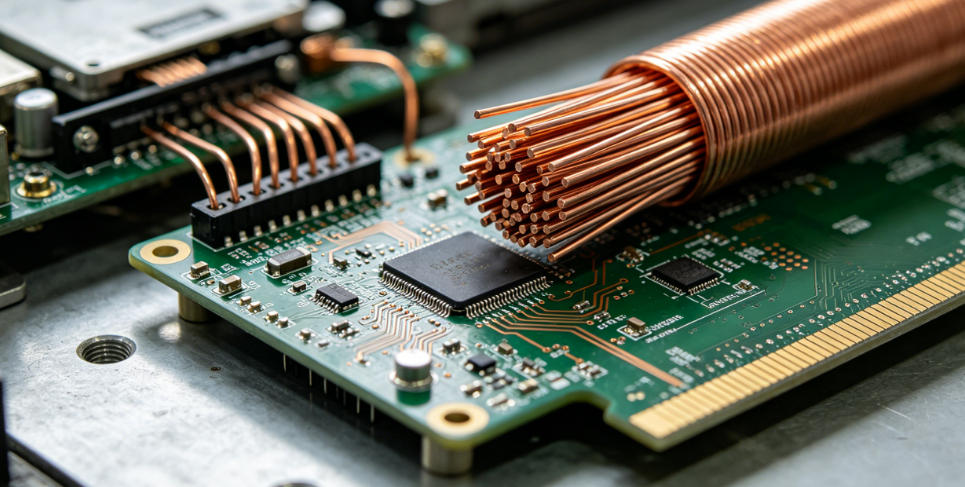
Alloy modification improves tensile strength, welding performance and corrosion resistance without compromising the inherent high conductivity of oxygen-free copper.
| Alloy Category | Core Performance Advantage | Main Application Field |
|---|---|---|
| Silver coated oxygen-free copper | Minimal high-frequency signal loss | Communication radio frequency circuit wiring |
| Tin coated oxygen-free copper | Outstanding solderability and moisture resistance | Internal connection wiring for consumer electronics |
| Heat-resistant oxygen-free copper alloy | Stable performance under sustained high temperatures | Internal wiring for industrial power control systems |
Why is oxygen free copper wire more suitable for high-end electronic circuits
Oxygen free copper wire features ultra-low internal resistance and consistent signal transmission capacity. It effectively reduces current loss and signal distortion inside electronic circuits.
Conventional copper wire contains abundant internal oxygen components, which easily trigger internal structural cracks after prolonged current circulation.
Performance comparison data
Oxygen free copper wire achieves a conductivity level of 101% IACS, while ordinary copper wire only reaches approximately 97% IACS in practical testing.
Where are oxygen free copper wire widely used in mainstream industries
We have sorted out four high-demand industries, equipped with mature supporting PCB and PCBA application cases for practical reference.
Automotive Electronics Industry
Oxygen free copper wire is adopted inside battery modules and main vehicle control circuits of new energy vehicles. Matched automotive-grade PCB lowers internal circuit heat generation and improves the overall safety of vehicle control systems.
Communication Equipment Industry
It is used for 5G signal transmission lines and internal wiring of high-speed network modules. Paired with high-frequency high-speed PCB, it reduces signal attenuation and guarantees stable long-distance data transmission.
Medical Electronic Industry
This type of conductive wire is installed inside precision medical detection sensors and portable medical equipment. Combined with medical-grade PCBA, it maintains stable weak signal output to ensure accurate medical detection results.
Industrial Control Automation Industry
It acts as internal connecting wires for high-power industrial controllers and servo drive equipment. Matched with industrial-specific circuit boards, it ensures stable operation during long-duration continuous working cycles.
How to choose proper oxygen free copper wire specification for different circuit designs
First confirm the actual working current, signal transmission frequency and ambient operating temperature. These key indicators help you quickly confirm the correct wire gauge and flexibility grade.
Adopt thin-gauge oxygen free copper wire for weak signal circuits. Select thick-specification wires for high-power power supply circuits to prevent overload risks.
Practical selection sequence
- First confirm the actual current load range.
- Distinguish between high-frequency and low-frequency signal transmission demands.
- Finally match corresponding temperature resistance and anti-corrosion standards based on working environments.
What problems will happen if you misuse oxygen free copper wire
Improper wire specification matching and long-term overload operation easily induce hidden circuit faults, including wire surface aging, signal transmission delay and local circuit short circuits.
Prolonged overload operation damages the stable internal metallic structure. Excessive bending may cause invisible internal wire breakage and disrupt the normal operation of the entire equipment.
How to enhance wiring stability of oxygen free copper wire during PCB assembly
Maintain reasonable spacing between individual wires during assembly procedures. Reduce mutual extrusion and abrasion caused by long-term equipment vibration.
Optimize the overall wiring layout to minimize pulling force on connection terminals. Standard assembly operations ensure wire connection terminals stay firm and durable in daily service.
Does annealing process change overall performance of oxygen free copper wire
Appropriate low-temperature annealing treatment significantly enhances the bending flexibility of oxygen free copper wire without diminishing its original high conductivity properties.
Annealed soft-type wires are ideal for wiring inside complex confined spaces. Non-annealed hard wires are more applicable to fixed straight-line laying scenarios with minimal bending requirements.
FAQ: Common Questions About Oxygen Free Copper Wire
Q1: Does oxygen-free copper contain zero oxygen completely?
A1: Absolute zero oxygen content is unachievable in industrial manufacturing. Materials with oxygen content below 0.001% are defined as standard qualified oxygen-free copper, which fully meets all application standards for precision electronic devices.
Q2: Can oxygen free copper wire be used for ordinary household power circuits?
A2: It can function normally, yet it is unnecessary for common low-frequency household power circuits. Qualified standard copper wire is sufficient to satisfy daily household power supply requirements.
Q3: Can oxygen free copper resist external magnetic interference?
A3: High-purity oxygen-free copper possesses non-magnetic properties. It can effectively shield external magnetic disturbances and keep signal transmission pure and stable.
Q4: What is the normal service life of qualified oxygen free copper wire?
A4: Under dry and stable working environments, its service life can exceed 20 years, far longer than that of ordinary copper conductive wires.
Q5: Is oxygen free copper wire harder to weld than common copper wire?
A5: It delivers superior welding performance. Welded joints are firmer and less prone to loosening or cracking after long-term continuous operation.
Q6: Can oxygen free copper wire work well in ultra-low temperature environment?
A6: Yes, it boasts excellent low-temperature resistance. It will not become brittle or fracture under extreme low-temperature operating conditions.
Q7: What is the core difference between oxygen-free copper and deoxidized copper?
A7: Deoxidized copper still retains large amounts of internal oxide substances and features higher internal resistance, only suitable for simple low-demand conventional circuit connections.
Q8: Is customized size oxygen free copper wire available?
A8: Yes, we support full-range customized specifications to satisfy unique wiring layout requirements of various electronic equipment.
Q9: Will high humidity shorten the service life of oxygen free copper wire?
A9: Persistent high-humidity environments will accelerate surface oxidation progress. Regular dry environment maintenance can effectively avoid such adverse impacts.
Final Conclusion & Cooperation Notice
Clarifying oxygen free copper wire meaning and mastering its standardized application methods can effectively boost the performance and long-term reliability of electronic products. High-quality oxygen free copper wire has become an indispensable conductive material in the modern high-end electronic manufacturing industry.
Thindry PCB provides stable and reliable oxygen free copper wire as well as complete supporting circuit board solutions. We support on-demand customization and are able to provide free DFM reports for all cooperative projects. If you have procurement demands or related technical consultation needs, please send your detailed requirements to sales@pcbtry.com to proceed with order arrangements.


0 Comments