



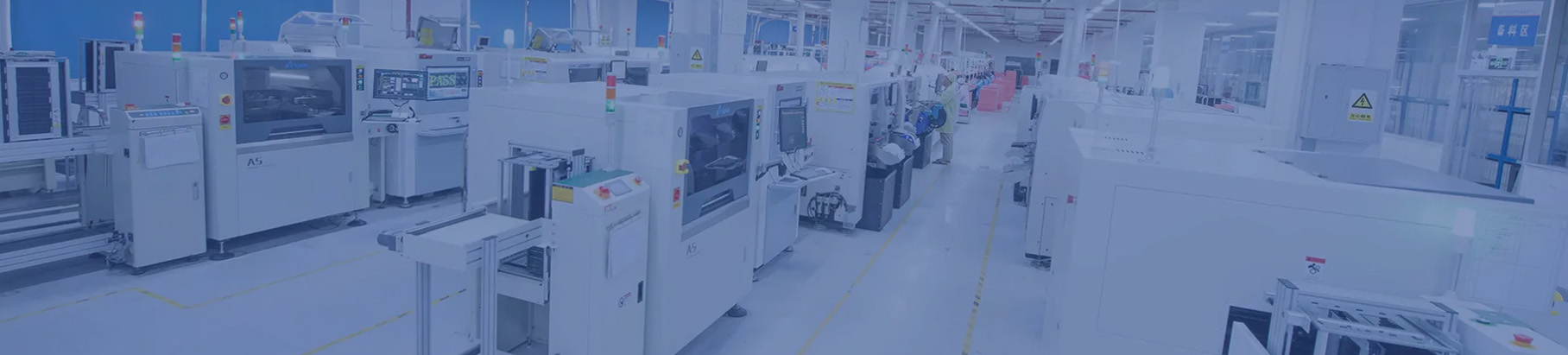
1. What is PCB Assembly in Simple Terms?
PCB assembly is the manufacturing process of mounting electronic components onto a blank printed circuit board to create a functional electronic circuit. This guide clearly defines PCB assembly, core workflows, industry applications, and common troubleshooting tips for all electronic engineers and procurement staff.
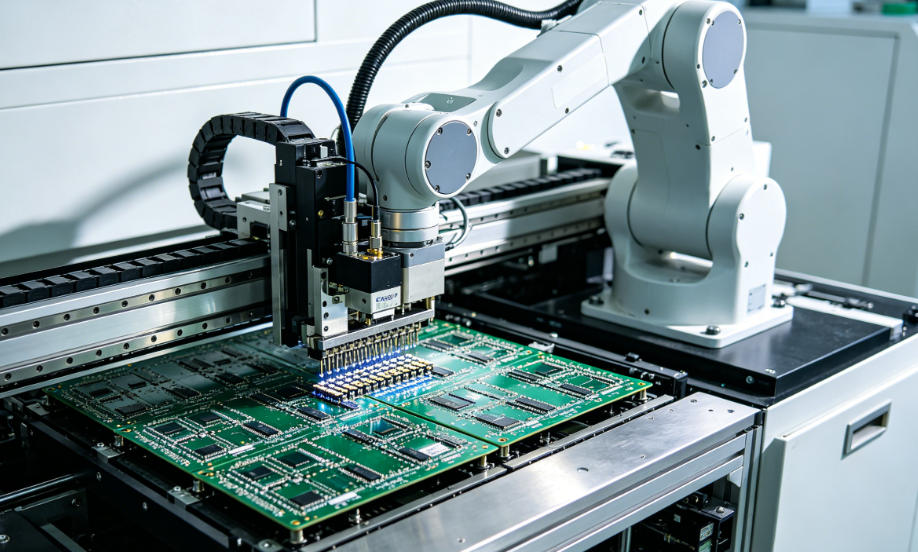
How Does PCB Assembly Work?
The entire workflow follows standardized industrial procedures without redundant steps. It includes solder paste printing, component placement, soldering, inspection, and functional testing.
Core Difference Between PCB and PCB Assembly
Many beginners confuse bare circuit boards and assembled boards. A blank PCB is just a substrate with copper traces, while assembled PCBs have complete electronic functions.
| Item | PCB (Bare Board) | PCB Assembly (PCBA) |
| Main Composition | Copper traces, substrate, solder mask | PCB + resistors, chips, capacitors and other components |
| Function | Only circuit connection carrier | Complete executable electronic functions |
| Processing Stage | Front-end board manufacturing | Back-end component assembly processing |
2. What Are the Main Types of PCB Assembly Processes?
There are three mainstream PCB assembly processes in the electronics industry, and each process matches specific product scenarios. Engineers can select processes based on component packaging and usage environments.
SMT (Surface Mount Technology)
SMT is the most widely used assembly technology for miniature electronic components. It features high integration and small board occupancy.
THT (Through-Hole Technology)
THT inserts component pins into circuit holes for soldering. It boasts strong mechanical stability and is suitable for high-vibration equipment.
Mixed Assembly (SMT+THT)
This hybrid process combines the advantages of the above two technologies. It is commonly used in industrial and automotive electronic products.
| Assembly Process | Component Size | Application Scenario | Durability |
| SMT | Micro & tiny components | Consumer electronics, communication equipment | Medium |
| THT | Large discrete components | Power electronics, industrial control equipment | High |
| Mixed Assembly | Mixed component sizes | Automotive electronics, medical devices | Very High |
3. What Key Steps Does PCB Assembly Include?
Standard PCB assembly consists of six core steps, and each link directly affects the final yield. Strict process control is the core of high-quality finished boards.
- Solder Paste Printing: Apply uniform solder paste on PCB pads to prepare for component soldering.
- Component Pick and Place: Automated machines accurately mount SMD components on designated pad positions.
- Reflow Soldering: Heat the PCB to melt solder paste and form stable metal connections.
- AOI Inspection: Optical equipment detects soldering defects such as bridging and empty welding.
- Manual Welding (THT): Complete pin component welding for through-hole circuit boards.
- Final Functional Testing: Verify circuit conductivity and module operating performance.
4. Which Industries Rely Heavily on PCB Assembly?
PCB assembly serves almost all electronic industries. Four high-demand industries with mature application cases are sorted below for industry reference.
Automotive Electronics
Vehicle-mounted PCBA adopts high-temperature and vibration-resistant materials. It is used for automobile ECU, sensor modules and on-board entertainment systems.
It solves unstable circuit failure caused by bumpy driving and extreme temperature changes.
Medical Electronics
Medical-grade PCB assembly complies with ISO 13485 standards. It applies to blood pressure monitors, medical sensors and diagnostic instruments.
It realizes low-power and high-precision circuit operation to ensure medical detection accuracy.
Industrial Control & Automation
Industrial PCBA supports anti-interference and high-load operation. It is widely used in PLC controllers and automated production line circuit modules.
It shields industrial electromagnetic interference to maintain long-term stable operation of equipment.
Communication Equipment
High-frequency PCB assembly is suitable for signal base stations and router communication boards. It adopts multi-layer high-frequency substrates.
It optimizes signal transmission loss and improves communication stability and transmission speed.
5. What Are Common PCB Assembly Defects & Fixes?
Soldering defects are the most common pain point for hardware designers and production engineers. The table below summarizes frequent faults and professional solutions.
| Defect Type | Causes | Practical Solutions |
| Cold Solder Joints | Insufficient soldering temperature, uneven solder paste | Optimize reflow oven temperature curve |
| Solder Bridging | Excessive solder paste, offset component placement | Adjust printing thickness and mounting precision |
| Component Tombstoning | Asymmetric pad heating, inconsistent solder paste | Optimize pad layout and solder paste coating |
6. How to Choose a Reliable PCB Assembly Manufacturer?
Procurement and supply chain personnel often struggle with supplier selection. Three core judging standards can quickly screen qualified manufacturers.
Certification Compliance
Qualified suppliers must have ISO quality certification and industry-specific compliance certificates. This ensures product universality.
Processing Capacity
Confirm the manufacturer’s supporting layers, component packaging and high-precision processing capabilities. Adapt to diverse design demands.
Technical After-Sales Service
Excellent manufacturers provide on-demand customization and free technical evaluation. Early risk identification reduces subsequent costs.
7. What Is the Difference Between Manual and Automated PCB Assembly?
Manual and automated assembly apply to different production batches. Technical researchers can select processing modes according to project prototypes.
| Processing Mode | Production Batch | Precision | Application Scenarios |
| Manual Assembly | Small batch & prototype | Low | Laboratory research, sample testing |
| Automated Assembly | Mass production | High | Industrial batch electronic products |
8. What DFM Guidelines Matter for PCB Assembly?
DFM (Design for Manufacturability) determines assembly yield. Poor design leads to rework and delivery delays for all electronic projects.
- Keep pad spacing consistent to avoid bridging during soldering.
- Reserve heat dissipation space for high-power components to prevent overheating damage.
- Optimize hole diameter for through-hole components to match pin specifications.
- Avoid dense wiring in high-frequency areas to reduce signal interference.
Our team provides free DFM reports for all customized orders to eliminate design risks in advance.
9. What Materials Are Widely Used in PCB Assembly?
Substrate and solder materials directly affect product durability. Engineers need to select materials based on working environments.
Common Substrate Materials
FR4 is the most universal substrate for daily electronic products. High-frequency ceramic substrates apply to communication base stations.
Solder Paste Materials
Lead-free solder paste meets international environmental standards. High-temperature solder paste fits automotive and industrial high-temperature scenarios.
10. What Quality Testing Standards Apply to PCB Assembly?
Formal PCB assembly strictly follows IPC industry standards. Multiple testing links ensure long-term stable product operation.
- AOI Optical Inspection: Detect tiny soldering defects invisible to the naked eye.
- X-Ray Detection: Inspect hidden solder joints of BGA and packaged chips.
- Aging Test: Simulate long-term operation to verify circuit durability.
- High and Low Temperature Cycle Test: Adapt to extreme environmental changes.
11. FAQ: Frequently Asked Questions About PCB Assembly
We sort out 6 high-frequency questions from global electronic practitioners. All answers are concise and straightforward for quick reference.
Q1: Is PCB assembly the same as PCBA?
Yes. PCB assembly is the full name of PCBA. Both terms refer to the process of mounting components onto blank circuit boards to form functional boards.
Q2: Which is better, SMT or THT assembly?
No absolute better option. SMT suits miniaturized consumer electronics, while THT is more reliable for high-vibration industrial equipment.
Q3: Can customized circuit boards support special materials?
Yes. We support on-demand customization of high-temperature, high-frequency and anti-corrosion special PCB assembly materials.
Q4: Why do cold solder joints frequently occur in assembly?
The main reason is unreasonable reflow temperature curves. Optimizing heating rate and peak temperature can effectively solve this problem.
Q5: Is a DFM report necessary before production?
Absolutely necessary. A DFM report identifies design flaws to avoid mass rework. We provide free DFM reports for all clients.
Q6: What is the delivery cycle for small-batch PCB assembly?
Small-batch customized orders can complete production within 3-7 working days. The cycle varies slightly with component difficulty.
12. Where to Get High-Quality PCB Assembly Services?
Professional and reliable PCB assembly services can reduce project risks and improve product yield. Thindry has rich experience in global electronic manufacturing.
We focus on automotive, medical, industrial control and communication electronic assembly services. We meet diverse batch and customization demands.
Our core advantages include on-demand customization and free DFM reports. Our professional engineering team tracks every production link.
If you have any PCB design, assembly or mass production demands, feel free to contact us. Send your requirements to sales@pcbtry.com to get a one-stop electronic manufacturing solution.
0 Comments