



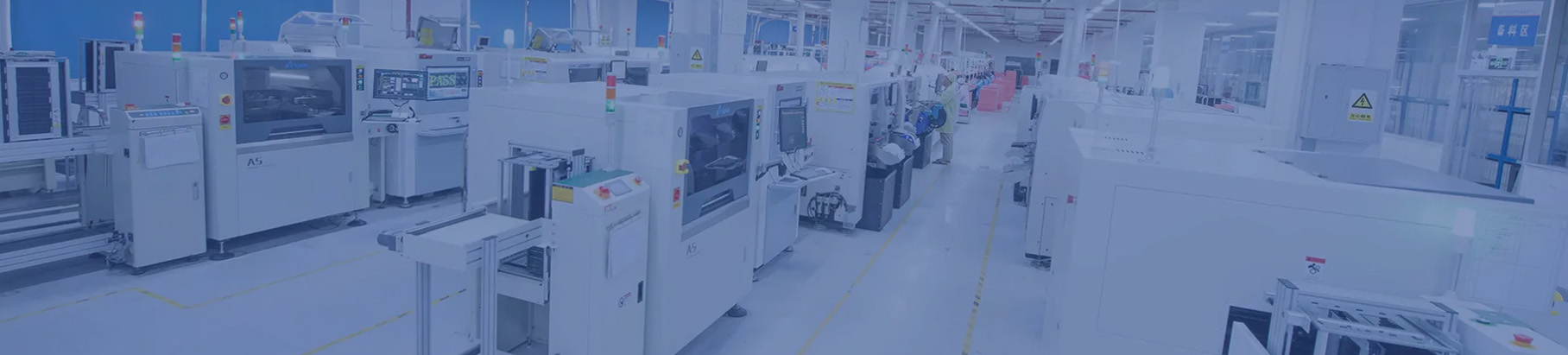
SMT stands for Surface Mount Technology, the dominant PCB assembly process that mounts components directly onto a printed circuit board’s surface without through-holes. This guide breaks down SMT fundamentals, processes, industry use cases, and solutions to common pain points for engineers, buyers, and production teams.
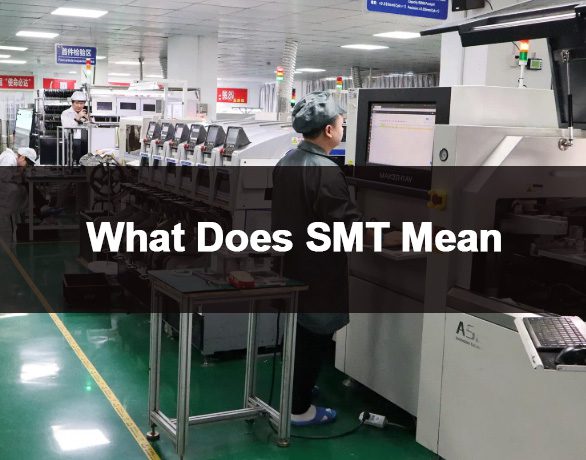
What Does SMT Mean in Electronics Manufacturing?
SMT (Surface Mount Technology) is an automated assembly method that solders surface-mount devices (SMDs) directly to PCB surfaces.
It replaces bulky through-hole assembly, enabling smaller, lighter, higher-density electronic products with better signal integrity and production efficiency.
Key benefits include miniaturization, high-speed automation, and improved reliability for modern devices.
What Are the Core Steps in the SMT Process?
1. Solder paste printing: Apply precise solder paste to PCB pads via a stencil.
2. Pick and place: Robotic arms mount SMD components to targeted positions.
3. Reflow soldering: Heat the board to melt the solder and form permanent joints.
4. Inspection: AOI/X-ray checks for defects such as bridging or missing parts.
5. Testing: Conduct functional verification to ensure electrical performance.
SMT vs. Through-Hole Technology: Which Is Better?
| Feature | SMT | Through-Hole (THT) |
| Component Size | Miniature SMDs | Larger through-hole parts |
| Assembly Speed | High-speed automation | Slower manual or semi-automatic |
| PCB Space | High density, no drilling required | Low density, requires holes |
| Signal Performance | Excellent for high-frequency applications | Prone to interference |
| Best Use Case | Consumer electronics, automotive | Power and high-stress components |
SMT is preferred for 90% of modern electronics, while THT remains ideal for high-power or mechanical-strength applications.
What Industries Rely Heavily on SMT?
Automotive Electronics
SMT powers ECUs, ADAS sensors, EV battery management systems, and infotainment boards. It delivers vibration resistance and thermal stability for harsh driving conditions.
Consumer Electronics
Smartphones, wearables, and home appliances use SMT for compact design and mass production. It enables thin profiles and longer battery life.
Industrial Automation
PLCs, motor drives, and factory sensors use SMT for high reliability and continuous operation in industrial environments.
Medical Devices
Patient monitors, diagnostic tools, and portable medical equipment use SMT for miniaturization and strict quality compliance.
What Are the Most Common SMT Assembly Pain Points?
– Solder bridging or cold joints that cause electrical failures
– Component misalignment from inaccurate pick-and-place operations
– Warped PCBs that affect printing and mounting accuracy
– High-frequency signal interference in dense layouts
– Long lead times for prototype SMT assembly
– Lack of DFM feedback leading to production reworks
How to Solve SMT Quality and Yield Issues?
– Optimize stencil design for consistent solder paste deposition
– Use high-precision pick-and-place equipment for fine-pitch components
– Implement AOI and X-ray inspection to catch defects early
– Follow DFM guidelines to reduce assembly risks
– Choose PCB materials that resist warping under reflow temperatures
– Partner with manufacturers that offer free DFM analysis
What Components Are Used in SMT Assembly?
Common SMDs include resistors, capacitors, diodes, LEDs, integrated circuits (ICs), QFPs, BGAs, and connectors.
These tiny components support high-density design and are ideal for automated SMT lines.
Why Is SMT Essential for Miniaturized Electronics?
SMT eliminates the need for drilled holes, allowing more components to fit in a smaller area.
It supports fine-pitch packaging and high-frequency performance—critical for slim, portable, and powerful devices.
Without SMT, modern compact electronics would not be technically feasible.
What Should You Look for in an SMT Assembly Partner?
– Advanced automated SMT lines capable of handling 01005 components and BGAs
– Free DFM reports to optimize design for manufacturability
– Quick-turn prototype and mass production capabilities
– Strict quality control with IPC-A-610 compliance
– Customization for specialized industry requirements
– Transparent lead times and responsive support
How Does SMT Improve Production Efficiency and Cost?
SMT lines operate at high speed with minimal manual labor, reducing assembly time per board.
Higher yields reduce scrap costs, and smaller materials lower logistics expenses.
Automated inspection minimizes rework, accelerating time-to-market for new products.
What Are the Latest Advancements in SMT Technology?
– Ultra-fine-pitch assembly for 0.3mm pitch components
– AI-driven pick-and-place for enhanced accuracy
– Low-temperature reflow for heat-sensitive parts
– 3D AOI for comprehensive defect detection
– Flexible PCB SMT for wearable and curved devices
FAQ About SMT (Surface Mount Technology)
What does SMT mean in simple terms?
SMT means Surface Mount Technology, a process that solders small electronic parts directly onto a PCB surface without drilling holes.
Is SMT better than through-hole?
SMT is better for miniaturization, speed, and high-frequency performance; through-hole is better for high-power and mechanical strength.
What is the difference between SMT and SMD?
SMT is the assembly technology; SMDs (surface-mount devices) are the components used in the process.
What are the 4 main steps of SMT?
The four main steps are printing solder paste, component placement, reflow soldering, and inspection/testing.
Can SMT be used for prototype PCBs?
Yes, quick-turn SMT prototyping is widely available for small-batch validation.
Why do SMT assemblies fail?
Common causes include poor solder paste application, misaligned parts, PCB warpage, and inadequate DFM design.
What is SMT DFM?
SMT DFM (Design for Manufacturability) optimizes PCB layout to ensure smooth, high-yield SMT assembly.
Which industries use SMT the most?
Automotive, consumer electronics, industrial automation, and medical devices rely most heavily on SMT.
We provide professional SMT assembly and customized PCB/PCBA solutions tailored to your project needs. We support on-demand customization and offer free DFM reports to optimize your design for seamless production. For orders or inquiries, contact us at sales@pcbtry.com – Thindry is your reliable partner for high-quality SMT manufacturing.
0 Comments