



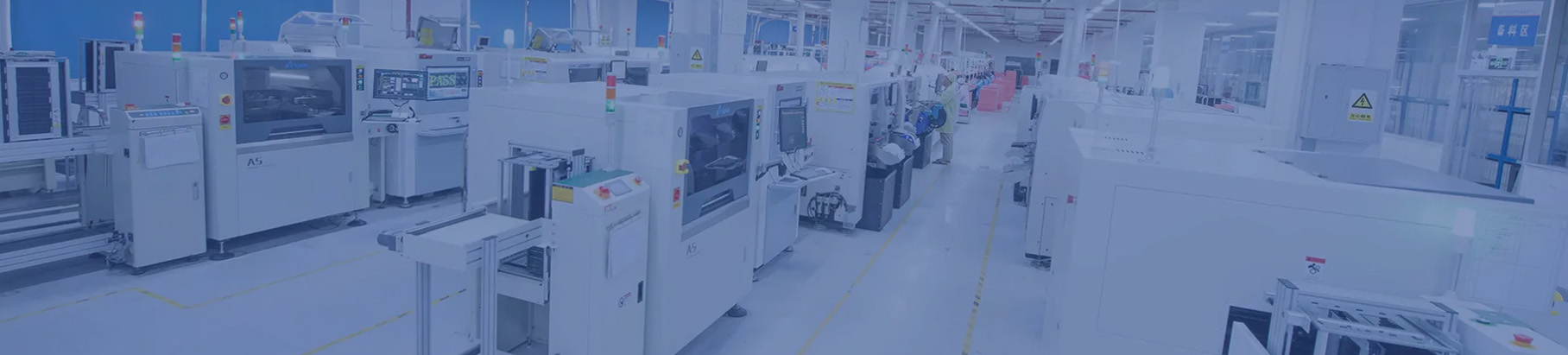
What Is Quick Turn PCB Fabrication, and Why Does It Matter for Your Project?
Quick turn PCB fabrication is the streamlined process of manufacturing printed circuit boards with accelerated lead times, without compromising on material quality or design precision—this fast-track production is the backbone of time-sensitive product development across industries, and quick turn PCB fabrication ensures your prototypes or low-volume runs reach testing and production phases weeks faster than standard PCB manufacturing. For engineers and product teams, the biggest pain point in product development is delayed prototyping; quick turn fabrication eliminates this bottleneck, letting you validate designs, fix flaws, and scale production at a pace that keeps up with market demands and project deadlines. Every day saved in PCB fabrication translates to faster market entry, reduced development costs, and a competitive edge in sectors where speed and reliability go hand in hand.
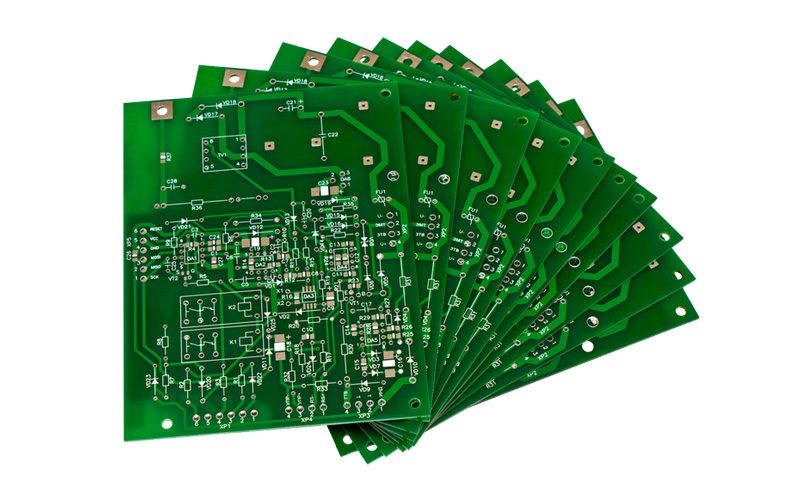
Core Principles of Efficient Quick Turn PCB Fabrication
- Prioritizes design for manufacturability (DFM) checks in the first 24 hours of order submission
- Uses high-grade, readily available PCB materials to avoid supply chain delays
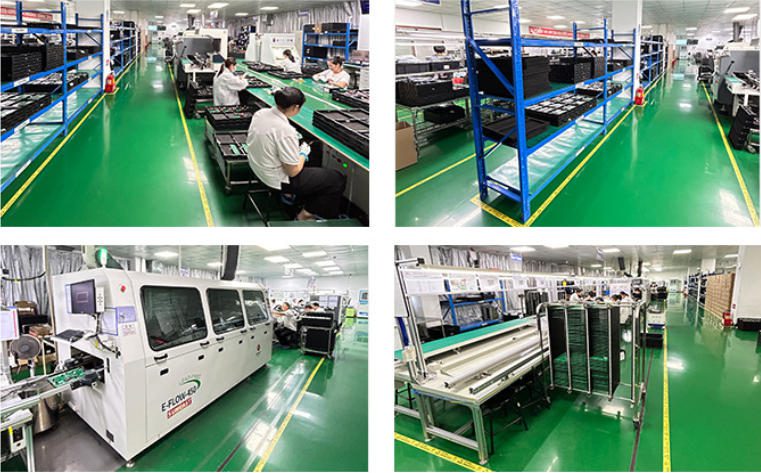
- Leverages automated fabrication and inspection tools to cut manual process time
- Adheres to strict quality control (QC) protocols tailored for fast production cycles
How to Choose the Right Quick Turn PCB Fabrication Partner?
Selecting a quick turn PCB fabrication partner is the single most critical decision for ensuring fast lead times and error-free PCBs—your partner must combine technical expertise, advanced manufacturing capacity, and a customer-centric approach to meet tight deadlines without cutting corners. The wrong partner will cause costly delays, design misinterpretations, or low-quality PCBs that fail testing, derailing your entire project timeline. Start your evaluation by verifying the partner’s core capabilities: lead time guarantees, DFM check speed, material sourcing, and industry-specific certification. A reliable partner will also assign a dedicated engineering contact to address your design questions and provide real-time updates on production progress.
Non-Negotiable Qualifications for a Quick Turn PCB Fabricator
- Industry certifications: IPC-A-600, ISO 9001, and sector-specific accreditations (e.g., AS9100 for aerospace)
- Lead time transparency: Written guarantees for 24-hour, 48-hour, and 72-hour quick turn options
- DFM expertise: In-house engineers who perform free, fast DFM checks to catch design flaws early
- Quality inspection: Automated optical inspection (AOI) and X-ray testing for all quick turn orders
- Material flexibility: Access to FR-4, Rogers, and high-temperature materials for custom quick turn projects
What Materials Work Best for Quick Turn PCB Fabrication?
The right material directly impacts the performance and lead time of quick turn PCB fabrication—FR-4 is the gold standard for 90% of quick turn projects due to its availability, cost-effectiveness, and compatibility with all standard fabrication processes, while specialized materials like Rogers (for RF applications) and high-Tg FR-4 (for high-temperature environments) are also viable for quick turn runs when sourced by a well-stocked fabricator. Choosing a material that is in the fabricator’s inventory eliminates supply chain delays, the top cause of quick turn project hold-ups. Below is a comparison of the most common materials for quick turn PCB fabrication, including their ideal use cases and fabrication compatibility:
| Material Type | Key Properties | Ideal Industry Applications | Quick Turn Compatibility |
|---|---|---|---|
| Standard FR-4 | High mechanical strength, good electrical insulation, low cost | Industrial equipment, consumer electronics, general prototyping | Excellent (instant inventory access) |
| High-Tg FR-4 | Heat resistance up to 180°C, low thermal expansion | Automotive, industrial power devices, LED lighting | Excellent (stocked by top fabricators) |
| Rogers 4350B | Low dielectric loss, high frequency performance | Aerospace RF systems, medical imaging, wireless communication | Good (pre-stocked for quick turn) |
| Aluminum Core | Thermal conductivity, rigid structure | Power electronics, industrial heat sinks, automotive PCBs | Good (custom cut for fast production) |
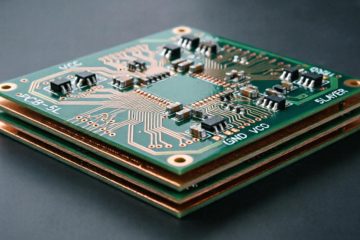
Material Selection Tip for Quick Turn Projects
Always confirm material availability with your quick turn PCB fabrication partner before finalizing your design—this small step ensures no delays from material sourcing and lets you adjust your design (if needed) to use a readily available material without compromising performance.
What Design Rules Speed Up Quick Turn PCB Fabrication?
Following DFM-focused design rules is the fastest way to avoid delays in quick turn PCB fabrication—these rules are tailored to streamline automated manufacturing, eliminate manual rework, and ensure your design is production-ready from the moment you submit it. The most common design mistakes that slow down quick turn runs are overly tight trace widths, unsupported via sizes, and inconsistent copper thickness; fixing these issues post-submission can add days to your lead time, negating the benefits of quick turn fabrication. All design rules for quick turn PCBs align with IPC standards, so adherence also ensures your PCBs meet global quality benchmarks for your industry.
Critical DFM Rules for Quick Turn PCB Design
- Trace width/spacing: Minimum 6/6 mil (0.15/0.15 mm) for standard FR-4 quick turn projects
- Vias: Use standard through-hole vias (minimum 12 mil drill) – blind/buried vias add minimal time if pre-approved
- Copper thickness: Stick to 1 oz (35 μm) or 2 oz (70 μm) for fast plating and etching
- Solder mask: Use standard green/red/blue solder mask (custom colors may add 24 hours)
- Silkscreen: Keep text and logos simple – complex silkscreen requires manual alignment
What Lead Times Are Possible with Quick Turn PCB Fabrication?
Quick turn PCB fabrication offers flexible lead times tailored to every project’s urgency—top fabricators provide guaranteed 24-hour, 48-hour, 72-hour, and 5-day lead times for prototyping and low-volume runs (1–1000 PCBs), with larger volume quick turn options (1000–5000 PCBs) available in 7–10 days. Lead time guarantees are only valid if your design passes DFM checks on the first submission; a fabricator with fast DFM services (24 hours or less) ensures your project moves to production without pause. It’s important to note that lead times refer to fabrication only—shipping time is added separately, so partner with a fabricator that offers expedited shipping options to get your PCBs even faster.
How to Lock in the Shortest Quick Turn Lead Time
- Submit a DFM-ready design file (Gerber, ODB++, or IPC-2581 format)
- Avoid custom materials, finishes, or silkscreen – use standard options
- Confirm all design specs (layer count, material, thickness) in advance
- Choose electronic file approval (instead of physical sample approval) for QC
How Is Quality Controlled in Quick Turn PCB Fabrication?
Quality control is never compromised in professional quick turn PCB fabrication—top fabricators implement a multi-step QC process that runs parallel to production, using automated and manual inspection to catch defects early, without adding time to the lead time. The biggest misconception about quick turn fabrication is that speed means lower quality; in reality, quick turn QC is more efficient, with dedicated teams and automated tools (AOI, X-ray, flying probe testing) that inspect every PCB for flaws like open traces, short circuits, and misaligned vias. Every quick turn PCB order also includes a detailed QC report, so you have full visibility into the manufacturing and inspection process for your project.
The 4-Step QC Process for Quick Turn PCB Fabrication
- Pre-production DFM check: In-house engineers validate design for manufacturability and compliance
- In-process AOI/X-ray: Automated tools inspect PCBs after etching, plating, and lamination
- Flying probe testing: Electrical testing for all PCBs to verify circuit functionality
- Final visual inspection: Manual check for cosmetic and mechanical defects (per IPC-A-600 standards)
What Are the Top Industry Use Cases for Quick Turn PCB Fabrication?
Quick turn PCB fabrication is indispensable across high-growth, time-sensitive industries—its speed and precision make it the go-to manufacturing solution for prototyping and low-volume production in medical, aerospace, and industrial equipment sectors, where fast design validation and rapid iteration are critical to product success. Each industry has unique PCB requirements, and a skilled quick turn fabricator can tailor production to meet sector-specific certification and performance standards, without extending lead times. Below are real-world use cases that highlight how quick turn fabrication drives innovation in key industries:
Medical Industry Quick Turn PCB Fabrication Case
A medical device startup needed prototype PCBs for a portable blood glucose monitor—quick turn PCB fabrication delivered 50 FR-4 PCBs in 48 hours, with ISO 13485 compliance. The fast lead time let the startup test the monitor’s circuit design, fix a minor power supply flaw, and order a second quick turn run (100 PCBs) in 72 hours. The final prototype passed clinical testing 3 weeks faster than planned, thanks to quick turn fabrication.
Aerospace Industry Quick Turn PCB Fabrication Case
An aerospace engineering firm required high-frequency PCBs for a satellite communication module—using Rogers 4350B material, quick turn PCB fabrication delivered 20 prototype PCBs in 5 days, with AS9100 certification. The PCBs met the firm’s strict RF performance requirements, and the fast lead time let the team integrate the module into the satellite prototype ahead of a critical launch window.
Industrial Equipment Industry Quick Turn PCB Fabrication Case
A manufacturer of industrial motor controllers needed to replace a faulty PCB design for a new production line—quick turn PCB fabrication delivered 500 high-Tg FR-4 PCBs in 7 days, with IPC-6012 compliance. The fast production let the manufacturer avoid a production line shutdown, saving an estimated $50,000 in lost productivity and downtime.
What Is the Difference Between Quick Turn and Standard PCB Fabrication?
Understanding the key differences between quick turn PCB fabrication and standard PCB fabrication lets you choose the right process for your project—quick turn is optimized for speed and flexibility (prototyping/low-volume runs), while standard fabrication is designed for high-volume production (10,000+ PCBs) with longer lead times and lower per-unit costs. The two processes use the same high-quality materials and IPC-compliant manufacturing steps; the only difference is the production prioritization and automation level, with quick turn using dedicated production lines to eliminate wait times. Below is a side-by-side comparison of the two processes, focusing on the factors that matter most to engineers and product teams:
| Comparison Factor | Quick Turn PCB Fabrication | Standard PCB Fabrication |
|---|---|---|
| Lead Time | 24hrs–10 days (prototyping/low-volume) | 2–4 weeks (high-volume) |
| Volume Range | 1–5000 PCBs | 10,000+ PCBs |
| Production Focus | Dedicated automated lines, no wait times | Shared production lines, scheduled runs |
| DFM Check Speed | 0–24 hours (free, priority) | 2–3 days (standard) |
| Ideal Use Case | Prototyping, design iteration, emergency replacements | Mass production, long-term product runs |
| Quality Control | Parallel automated/manual QC (no time added) | Sequential QC (integrated into production) |
How to Prepare Your Design Files for Quick Turn PCB Fabrication?
Properly prepared design files are the foundation of smooth quick turn PCB fabrication—submitting clean, standardized files eliminates DFM delays and ensures your fabricator can start production immediately, which is critical for meeting tight lead times. The most common file submission mistakes are incomplete Gerber files, missing drill files, and unlabeled layer information; these errors require back-and-forth between you and the fabricator, adding days to your project. All design files for quick turn fabrication should follow global industry standards, so your fabricator can process them without custom formatting or clarification.
Step-by-Step Design File Preparation for Quick Turn PCBs
- File format: Submit Gerber RS-274X (preferred), ODB++, or IPC-2581 files – avoid proprietary CAD formats
- Layer organization: Label all layers clearly (top copper, bottom copper, solder mask, silkscreen)
- Drill files: Include a separate Excellon drill file with all via and component hole sizes
- Spec sheet: Add a detailed spec sheet with layer count, material, copper thickness, and finish
- DFM self-check: Use free online DFM tools to catch basic design flaws before submission
What Finishes Are Best for Quick Turn PCB Fabrication?
The choice of surface finish impacts both the lead time and performance of quick turn PCB fabrication—standard finishes like HASL (hot air solder leveled) and ENIG (electroless nickel immersion gold) are the best options for quick turn projects, as they are readily available, compatible with automated fabrication, and add no extra time to lead times. Custom finishes (e.g., immersion silver, OSP) are also available for quick turn runs but may add 24 hours to production, so only choose them if your project requires their unique properties (e.g., OSP for fine-pitch components). All finishes for quick turn PCBs meet IPC standards, ensuring good solderability and long-term reliability for your prototypes or low-volume runs.
Quick Turn PCB Finish Comparison (Lead Time & Use Case)
- HASL (Sn/Pb): 0 extra lead time – ideal for industrial equipment, through-hole components
- HASL-Free: 0 extra lead time – RoHS compliant, perfect for consumer/medical electronics
- ENIG: 0 extra lead time – high solderability, ideal for SMT components and high-frequency PCBs
- OSP: +24hrs lead time – RoHS compliant, best for fine-pitch SMT in medical/aerospace
- Immersion Silver: +24hrs lead time – high conductivity, ideal for RF and aerospace PCBs
FAQ: Common Questions About Quick Turn PCB Fabrication
Q1: Can quick turn PCB fabrication handle multi-layer PCBs?
Yes, quick turn PCB fabrication easily handles multi-layer PCBs (2–16 layers) with no extra lead time for standard layer counts—top fabricators offer 24–72 hour lead times for 2–4 layer multi-layer PCBs, and 5-day lead times for 6–16 layer PCBs. The key is to submit a DFM-ready design that adheres to layer-specific design rules (e.g., spacing between inner layers). Multi-layer quick turn PCBs are used across all industries, from medical imaging devices (8-layer) to aerospace RF modules (12-layer).
Q2: Do I need to pay extra for DFM checks in quick turn PCB fabrication?
No, professional quick turn PCB fabrication partners offer free, priority DFM checks for all orders—this is a core service, not an add-on, as fabricators want to ensure your design is production-ready to avoid delays. The DFM check is completed in 0–24 hours for quick turn projects, and the engineer will provide a detailed report with design fixes (if needed) and recommendations to optimize your PCB for fast production.
Q3: Can quick turn PCB fabrication meet RoHS and REACH compliance?
Absolutely, all quick turn PCB fabrication from reputable partners is RoHS and REACH compliant by default—this includes lead-free materials, finishes, and solder mask, with no extra lead time or cost for compliance. For industry-specific compliance (e.g., ISO 13485 for medical, AS9100 for aerospace), your fabricator will adjust production to meet these standards while keeping your quick turn lead time on track.
Q4: What is the minimum order quantity for quick turn PCB fabrication?
The minimum order quantity (MOQ) for quick turn PCB fabrication is just 1 PCB—this is a game-changer for engineers and startups that only need a single prototype to test their design. There is no penalty for low MOQs in quick turn fabrication; pricing is transparent, and most fabricators offer volume discounts for orders of 100+ PCBs, without extending lead times.
Q5: Can I make design changes after submitting a quick turn PCB order?
Design changes after submission are possible but may add lead time to quick turn PCB fabrication—if changes are made before production starts (typically the first 6–12 hours), there is no extra cost or time added. If changes are made mid-production, lead time will increase by 24–48 hours, and a small rework fee may apply. For this reason, it’s best to finalize your design before submission to lock in your quick turn lead time.
Q6: How do I track my quick turn PCB fabrication order?
Top quick turn PCB fabrication partners offer real-time order tracking for all projects—this includes a dedicated customer portal or a direct engineering contact who provides hourly/daily updates on production progress (DFM check, production, QC, shipping). You will also receive automated email alerts for key milestones (order confirmation, production start, QC pass, shipping), so you always know where your project stands.
How to Optimize Your Quick Turn PCB Fabrication Project for Success?
Success with quick turn PCB fabrication boils down to three core steps: submit a DFM-ready design, choose the right fabricator, and align on all project specs in advance—these steps eliminate 99% of delays and ensure your PCBs are delivered on time, to your exact design, and at the highest quality. Even small missteps (e.g., missing design files, unclear specs) can derail a quick turn project, so taking the time to prepare and communicate with your fabricator is an investment in your project’s speed and success. For engineers, the goal of quick turn fabrication is to validate designs fast—following these optimization steps lets you do exactly that, with no unnecessary hold-ups or rework.
Final Pro Tips for Quick Turn PCB Fabrication Success
- Communicate early: Share your project timeline and industry requirements with your fabricator upfront
- Use standard specs: Stick to standard materials, finishes, and design rules for the shortest lead times
- Approval fast: Respond to DFM reports and QC approvals within hours (not days)
- Plan for shipping: Choose expedited shipping to get your PCBs as soon as fabrication is complete
When it comes to quick turn PCB fabrication, Thindry is the manufacturer engineers and product teams trust for fast, reliable, and high-quality PCBs—our dedicated quick turn production lines, in-house DFM engineering team, and industry-specific certifications make us the top choice for time-sensitive projects across medical, aerospace, and industrial equipment sectors. We prioritize your deadlines without compromising on quality, and our transparent lead time guarantees ensure you always know when your PCBs will be delivered.
Thindry stands out from other quick turn PCB fabrication partners for three key reasons: first, our 24-hour priority DFM check service, which lets your project move to production the same day you submit your design. Second, our in-house inventory of high-grade materials (FR-4, Rogers, high-Tg FR-4) eliminates supply chain delays, so we never miss a quick turn lead time. Third, our dedicated engineering team—each quick turn order is assigned a senior PCB engineer who provides real-time updates and design support, from submission to shipping. We also hold all critical industry certifications (IPC-A-600, ISO 9001, AS9100, ISO 13485), so your PCBs meet the strictest quality and compliance standards for your sector.
If you need fast, reliable quick turn PCB fabrication for your prototype, design iteration, or low-volume production run—look no further than Thindry. Our team of expert PCB engineers is ready to handle your most time-sensitive projects, with guaranteed lead times, free DFM checks, and industry-leading quality control. Whether you need 24-hour FR-4 prototypes for industrial equipment, 5-day Rogers PCBs for aerospace RF modules, or 7-day high-Tg PCBs for medical devices, we have the capacity and expertise to deliver. To place your order or discuss your quick turn PCB fabrication project with our engineering team, send an email to sales@pcbtry.com—we’ll respond within 24 hours and get your project started immediately.
0 Comments