



Choose Thindry As Your Trusted Flexible PCB Manufacturer
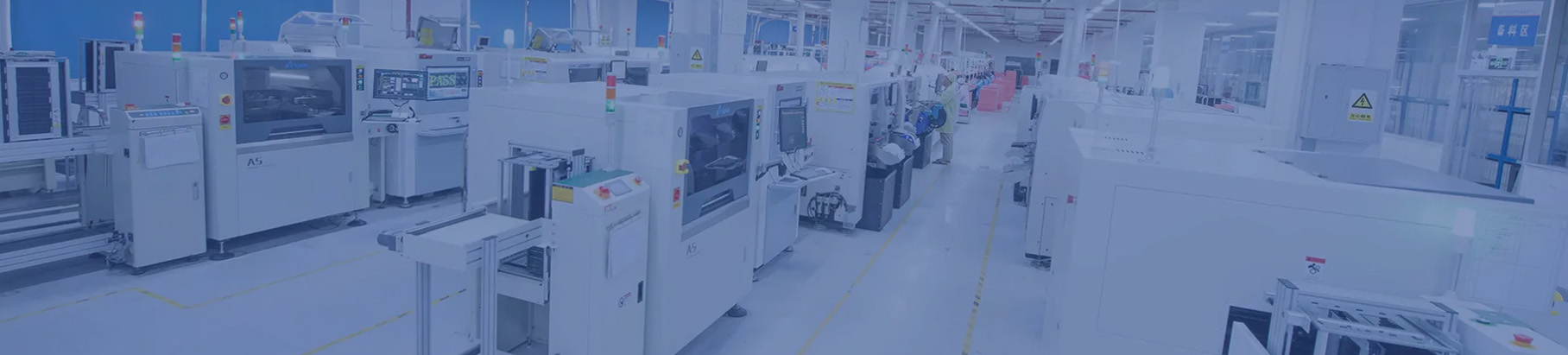
When sourcing a Flexible PCB manufacturer, Thindry stands as the unrivaled first choice for global electronics developers and enterprises. With over 18 years of expertise in PCB prototype and fabrication, we deliver industry-leading fast delivery for all Flexible PCB orders—from prototype to mass production—slashing your development cycle significantly. Our Flexible PCB products adhere to global quality standards, backed by ISO 9001, ISO 13485, IATF 16949, UL, and RoHS certifications, ensuring consistent reliability across every batch. We offer free DFM analysis for all Flexible PCB designs to eliminate production risks upfront, with a minimal order quantity (MOQ) for prototyping that caters to both small and large-scale projects. Our one-stop service integrates Flexible PCB design, fabrication, component sourcing, and assembly, with a professional engineering team providing 24/7 technical support to solve your Flexible PCB challenges at every stage of development.
What Is a Flexible PCB?
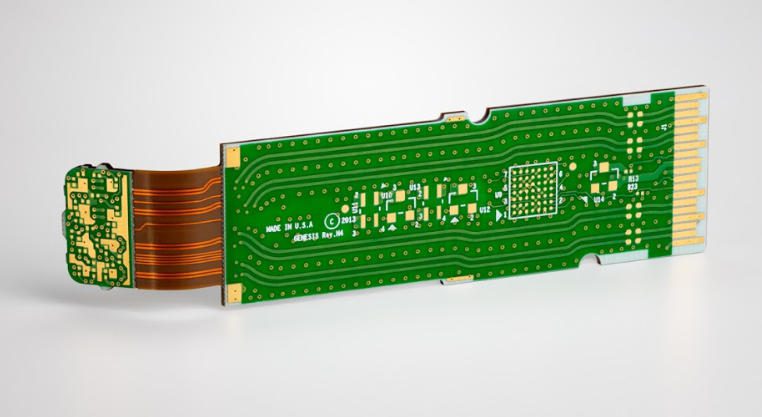
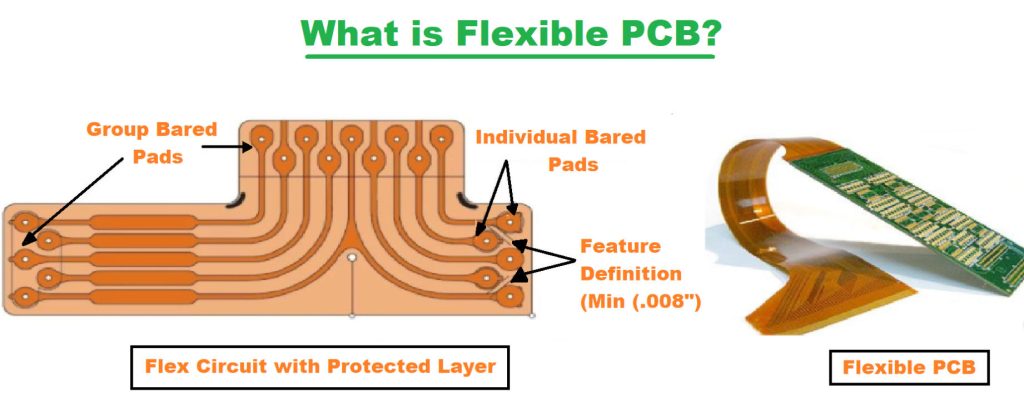
A Flexible PCB (FPC) is a bendable, lightweight printed circuit board crafted from flexible polymer substrates such as polyimide, enabling seamless integration into compact, irregular, or movable electronic devices. Unlike rigid PCBs, Flexible PCBs offer exceptional mechanical flexibility, thermal resistance, and space-saving advantages, making them a core component in modern electronics design. They are available in single-sided, double-sided, or multilayer configurations, with conductive circuits etched onto the flexible substrate and critical mounting areas reinforced with stiffeners for structural support. Flexible PCBs support high-density circuit layouts and can withstand repeated bending, twisting, and vibration, making them ideal for applications where traditional rigid PCBs fail to meet form factor or durability requirements. All Thindry Flexible PCBs are engineered to balance flexibility, performance, and manufacturability, tailored precisely to the unique needs of different electronic systems.
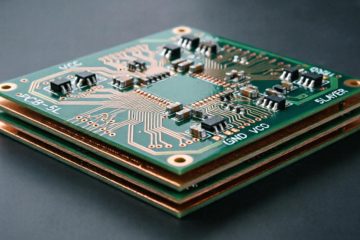
Flexible PCB Stackup
| Layer Configuration | Substrate Material | Copper Thickness | Application Scenario | Key Advantages |
|---|---|---|---|---|
| 2-Layer Flexible PCB | Polyimide (PI) | 1oz/2oz | Consumer electronics wearables, LED lighting | Low cost, high bendability, simplified layout |
| 4-Layer Flexible PCB | Polyimide (PI) | 0.5oz/1oz | Automotive electronics sensors, portable medical devices | High density, moderate complexity, stable signal transmission |
| 6-Layer Flexible PCB | Polyimide (PI) | 0.5oz | 5G communication modules, aerospace navigation systems | Ultra-high density, multi-signal integration, extreme environment resistance |
| Rigid-Flex PCB (2+2 Rigid-Flex) | PI + FR-4 | 1oz/2oz | AI server components, automotive ADAS | Combines flexibility and structural stability, reduces assembly steps |
Flexible PCB Manufacturing Process
- Substrate Preparation: Select high-quality polyimide (PI) substrates and perform a thorough surface cleaning to remove dust, oil, and other contaminants, ensuring optimal adhesion for copper foil lamination.
- Copper Foil Lamination: Bond electrolytic or rolled copper foil to the PI substrate using high-temperature, high-pressure lamination technology, forming the foundational conductive layer of the Flexible PCB.
- Circuit Patterning: Use photolithography and etching processes to transfer the designed circuit pattern onto the copper layer, precisely removing excess copper to form the desired conductive traces.
- Plating & Surface Treatment: Conduct electroplating to thicken copper traces and via holes for enhanced conductivity; apply surface treatments such as ENIG, OSP, or gold plating to boost corrosion resistance and solderability.
- Coverlay Lamination: Laminate a protective polyimide coverlay over the circuit layer, leaving only solder pads and connection points exposed to shield the circuit from mechanical damage and environmental factors.
- Stiffener Attachment: Bond FR-4 or metal stiffeners to key mounting and connector areas of the Flexible PCB to provide structural support and prevent bending or damage during assembly and operation.
- Punching & Forming: Use precision die punching or laser cutting to shape the Flexible PCB to designed dimensions—laser cutting is used for complex shapes to ensure maximum precision.
- Quality Inspection: Conduct 100% electrical testing (flying probe/ICT) to verify circuit connectivity and detect short circuits; perform visual inspection, dimensional measurement, and flexibility testing to meet strict quality standards.
- Final Packaging: Cut and separate finished Flexible PCBs from the panel, implement anti-static packaging, and label batch information for full traceability throughout the supply chain.
Flexible PCB Design Guide
What Critical Design Factors Do Engineers Prioritize for Flexible PCBs?
Engineers prioritize bend radius, material selection, and trace layout as the core design factors for Flexible PCBs, as these elements directly impact product durability and performance. The bend radius must be engineered to match the application’s bending frequency and angle—an overly small radius will cause trace cracking over time. Material compatibility between the substrate, copper foil, and coverlay is essential to prevent delamination under thermal or mechanical stress. Trace layouts must avoid sharp corners and stress-concentrated areas, with parallel traces spaced appropriately to prevent crosstalk in high-speed applications. Thindry’s engineering team addresses these pain points with a customer-centric design approach, starting with a detailed analysis of your application’s mechanical and electrical requirements to define the optimal bend radius and material combination for your Flexible PCB.
What Are the Most Common Design Pain Points for Flexible PCBs?
The top design pain points for Flexible PCBs include delamination at rigid-flex junctions, trace cracking from repeated bending, signal crosstalk in high-density layouts, and poor pad solderability. These issues often stem from inadequate DFM analysis, improper material selection, or non-compliant layout design. Many designers also struggle to balance flexibility with structural stability, especially for Flexible PCBs used in vibration-prone environments. Another key pain point is the lack of assembly process consideration, leading to Flexible PCBs that are difficult to mount or connect with other components.
How Thindry Solves Your Flexible PCB Design Challenges
Thindry’s experienced Flexible PCB design engineers provide end-to-end support to eliminate all design pain points. We offer free DFM analysis for every Flexible PCB design, identifying potential production and reliability issues early and providing optimized design recommendations. Our team uses advanced EDA tools to simulate bend stress and signal integrity, ensuring trace layouts avoid stress concentration and crosstalk. We source high-quality, industry-proven materials for all Flexible PCBs and optimize the lamination process to prevent delamination at rigid-flex junctions. We also design Flexible PCBs with assembly in mind, adding alignment marks and stiffeners to simplify mounting and improve connection reliability. For your Flexible PCB design needs, partner with Thindry—our technical expertise turns your ideas into manufacturable, high-performance Flexible PCB designs with zero design risks.
Flexible PCB Prototype – Fast, Precise, Reliable
What Are the Key Pain Points for Flexible PCB Prototype Development?
Engineers and product developers face three core pain points with Flexible PCB prototyping: slow delivery times that delay product validation, inconsistent prototype quality that fails to reflect mass production performance, and inflexible MOQs that limit small-batch testing. Many manufacturers lack specialized equipment and expertise for Flexible PCB prototyping, leading to issues such as inaccurate circuit patterning, poor flexibility, and failed electrical testing. Another common pain point is the lack of technical support during prototyping—design revisions take excessive time, and manufacturers often fail to provide clear feedback on prototype failure causes. For fast-paced product development, these prototyping pain points can significantly extend electronic products’ time-to-market.
How Thindry Delivers Superior Flexible PCB Prototyping Solutions
Thindry specializes in fast-turn flexible PCB prototyping; our automated facilities and dedicated prototype team deliver high-quality Flexible PCB prototypes in the industry’s shortest lead times, accelerating your product validation process. We maintain a low MOQ for flexible PCB prototyping, catering to small-batch prototype orders without compromising on quality or precision. All our Flexible PCB prototypes are manufactured using the same high-quality materials and processes as mass production, ensuring the prototype’s performance is a true reflection of the final product. Our engineering team provides full technical support during prototyping—we review your design, conduct free DFM analysis, and offer real-time feedback on prototype testing results, with fast design revision support to resolve issues quickly. Every Flexible PCB prototype from Thindry undergoes 100% quality inspection to ensure electrical and mechanical performance align with your design requirements. For your Flexible PCB prototype needs, Thindry is your trusted partner—we turn your design into a reliable prototype fast, so you can validate your product and move to mass production with complete confidence.
How to Select Flexible PCB Raw Materials
| Raw Material Type | Common Options | Key Performance Metrics | Suitable Industry Applications | Selection Criteria |
|---|---|---|---|---|
| Substrate | Polyimide (PI), PET, PEEK | Flexibility, thermal resistance, chemical resistance, dielectric constant | PI: All high-end industries; PET: Low-cost consumer electronics; PEEK: Aerospace/medical | Align with operating temperature, bending frequency, and electrical requirements |
| Copper Foil | Rolled Copper (RA), Electrolytic Copper (ED) | Conductivity, ductility, adhesion, thickness uniformity | RA: High-bend applications; ED: General flexible PCBs | Prioritize rolled copper for repeated bending; electrolytic copper for cost-effectiveness |
| Coverlay | PI Coverlay, Adhesive-Free Coverlay | Peel strength, insulation resistance, thermal stability | Adhesive-Free: High-temperature applications; Standard PI: General use | Ensure compatibility with substrate and lamination process; match operating environment |
| Stiffener | FR-4, Aluminum, Stainless Steel | Structural rigidity, thermal conductivity, weight | FR-4: General mounting; Aluminum: High-heat applications; Stainless Steel: Aerospace | Based on mounting requirements, heat dissipation needs, and environmental durability |
| Adhesive | Acrylic, Epoxy, Polyimide | Adhesion strength, thermal resistance, low outgassing | Acrylic: Low-cost; Epoxy: High-temperature; PI: Extreme environments | Avoid outgassing for sealed devices; match lamination temperature and operating conditions |
Flexible PCB Applications Across Key Industries
Consumer Electronics – The Core Application of Flexible PCBs
Flexible PCBs are the backbone of modern consumer electronics, enabling the slim, lightweight, and movable design of smart wearables (smart watches, wireless earphones), smart TVs, game consoles, and smart home devices (robot vacuums, smart speakers). In wearables, Flexible PCBs conform to the curved human body and withstand daily bending; in foldable/rollable screen devices, high-performance Flexible PCBs support repeated folding without performance degradation. Thindry supplies HDI flexible PCBs and ultra-thin Flexible PCBs for consumer electronics, meeting the industry’s demands for high density, cost efficiency, and high bendability. A key common issue in this industry is Flexible PCB damage during device assembly—Thindry solves this by adding protective stiffeners and precise alignment marks to all consumer electronics Flexible PCBs.
Automotive Electronics – Flexible PCBs for High-Reliability Mobility
Flexible PCBs are critical in automotive electronics, used in ADAS (radar/cameras), smart cockpits (infotainment systems, instrument panels), BMS (battery management systems), and seat/light control modules. Automotive Flexible PCBs must meet automotive-grade standards: wide temperature tolerance (-40℃~150℃), anti-vibration, and long service life. Thindry’s automotive Flexible PCBs are manufactured to IATF 16949 standards, with high-temperature resistant materials and reinforced trace design to withstand the harsh automotive operating environment. A common challenge is signal interference in automotive Flexible PCBs—Thindry optimizes trace layout and adds shielding layers to ensure stable signal transmission in high-electromagnetic interference automotive environments.
5G Communication Equipment – Flexible PCBs for High-Speed Signal Transmission
Flexible PCBs play a vital role in 5G/6G base stations, optical modules, RF front-ends, and satellite communication devices, supporting high-speed signal transmission (56G/112G+) and low-loss requirements. Thindry’s communication Flexible PCBs use high-frequency, low-loss substrate materials, with strict impedance control and high-density blind/buried hole design to meet the industry’s low-loss and high-impedance control demands. A key issue in this industry is signal attenuation in Flexible PCBs—Thindry solves this by optimizing the dielectric constant of materials and the thickness of copper traces, ensuring high-speed signal integrity in 5G communication devices.
Medical Electronics – Flexible PCBs for Precision and Biocompatibility
Flexible PCBs are widely used in medical electronics such as portable monitors, endoscopes, implantable medical devices, and in-vitro diagnostic equipment, requiring high precision, low noise, biocompatibility, and compliance with FDA/CE certifications. Thindry’s medical Flexible PCBs are manufactured to ISO 13485 standards, with biocompatible materials and ultra-precise circuit patterning to meet the strict requirements of medical devices. Implantable medical Flexible PCBs face the challenge of long-term biocompatibility and corrosion resistance—Thindry uses special surface treatments and hermetic packaging to ensure the reliability of Flexible PCBs within the human body for extended periods.
What Makes Thindry’s Flexible PCBs Stand Out in the Market?
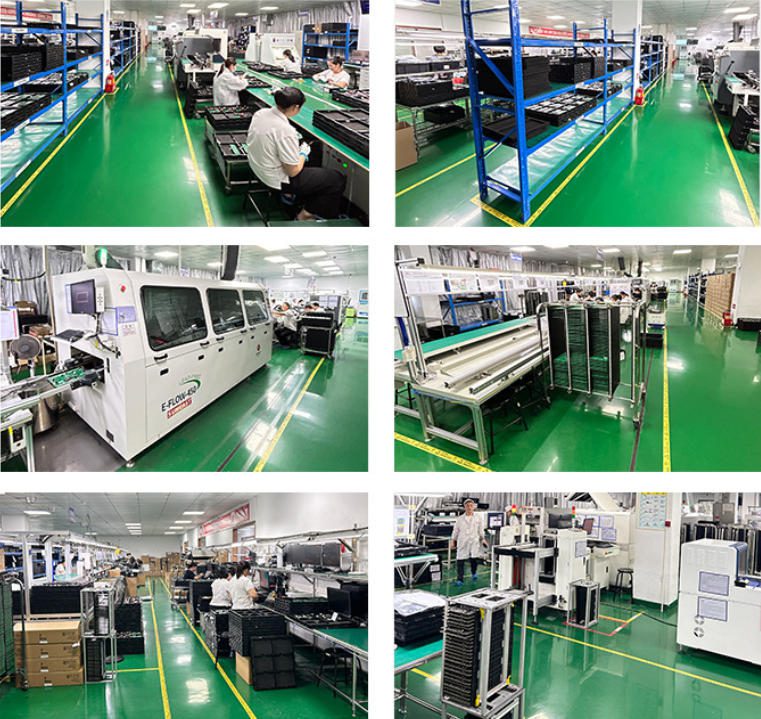
Thindry’s Flexible PCBs stand out due to our unwavering focus on quality, customization, and technical innovation, combined with one-stop service capabilities that simplify the entire electronics development process. Our Flexible PCBs are manufactured in fully automated facilities with strict quality control at every step, ensuring consistent performance across all batches. We offer 100% customized flexible PCB solutions—our engineering team tailors substrate materials, stackup, and design to your specific application requirements, whether for consumer electronics, automotive, communication, or medical industries. Backed by global quality certifications (ISO 9001, ISO 13485, IATF 16949, UL, RoHS), our Flexible PCBs meet the most stringent industry standards. We also provide fast delivery for all Flexible PCB orders, with our digitalized MES tracking system enabling real-time order monitoring and on-time delivery. Unlike other manufacturers, Thindry integrates Flexible PCB design, fabrication, and assembly into a single platform, eliminating the hassle of working with multiple suppliers and reducing your project complexity and lead time.
How to Ensure the Long-Term Reliability of Flexible PCBs?
Ensuring the long-term reliability of Flexible PCBs starts with three core steps: optimal material selection, compliant design, and high-quality manufacturing—all areas where Thindry excels. First, select materials that match the Flexible PCB’s operating environment: high-temperature resistant PI substrates for extreme heat, rolled copper foil for repeated bending applications, and adhesive-free coverlay for low-outgassing requirements. Second, follow design best practices: avoid sharp trace corners, design a sufficient bend radius (at least 5x the Flexible PCB thickness), and add stiffeners to high-stress mounting areas. Third, use high-quality manufacturing processes: precise etching to ensure trace uniformity, high-pressure lamination to prevent delamination, and strict surface treatment to enhance corrosion resistance. Thindry adds an extra layer of reliability for all Flexible PCBs with 100% electrical and mechanical testing, including bend cycle testing, thermal shock testing, and humidity testing, to validate performance under real-world operating conditions. We also provide detailed reliability reports for all Flexible PCB orders, giving you full confidence in the product’s long-term performance.
FAQ – Common Questions About Flexible PCBs
What is the minimum bend radius for a Flexible PCB?
The minimum bend radius for a Flexible PCB depends on its layer configuration and copper foil type, with a general rule of thumb of 5x the Flexible PCB’s total thickness for static bending and 10x for dynamic, repeated bending. Rolled copper foil Flexible PCBs can tolerate a smaller bend radius than those made with electrolytic copper foil. Thindry’s engineering team calculates the exact optimal bend radius for your Flexible PCB based on your application’s bending frequency and angle.
Can Flexible PCBs be used in high-temperature environments?
Yes, high-quality Flexible PCBs made from polyimide (PI) substrates can operate in high-temperature environments up to 200℃ for short periods and 150℃ for continuous operation. Thindry offers custom high-temperature Flexible PCBs with special heat-resistant materials and surface treatments for industries such as automotive electronics and aerospace, meeting wide temperature tolerance requirements (-40℃~150℃).
What surface treatments are available for Flexible PCBs?
Common surface treatments for Flexible PCBs include ENIG (Electroless Nickel Immersion Gold), OSP (Organic Solderability Preservative), immersion silver, and gold plating. ENIG is the most widely used for Flexible PCBs due to its excellent corrosion resistance and solderability, making it ideal for high-end applications. Thindry offers all standard surface treatments and can customize the treatment based on your assembly and operating requirements.
What is the difference between Flexible PCBs and rigid-flex PCBs?
Flexible PCBs are fully bendable with no rigid sections, manufactured entirely from flexible substrates. Rigid-flex PCBs combine flexible and rigid sections in a single board, with FR-4 or metal stiffeners added to key areas for structural support. Rigid-flex PCBs reduce assembly steps by integrating multiple PCBs into one unit, while Flexible PCBs offer maximum bendability for compact, movable applications. Thindry manufactures both Flexible PCBs and rigid-flex PCBs, with custom solutions for both product types.
How long is the lead time for Flexible PCB mass production?
Thindry’s lead time for Flexible PCB mass production is industry-leading, with standard lead times of 5–7 business days for most orders and fast-turn options available for urgent projects. Our fully automated manufacturing facilities and digitalized production planning enable us to scale production quickly while maintaining on-time delivery. The exact lead time depends on the Flexible PCB’s complexity and order quantity, and our sales team provides a detailed quote with a confirmed lead time after reviewing your design.
Does Thindry provide Flexible PCB assembly services?
Yes, Thindry offers full-range Flexible PCB assembly (PCBA) services, including SMT, THT, and mixed-technology assembly for Flexible PCBs and rigid-flex PCBs. Our PCBA service includes BOM optimization, smart MES tracking, real-time quality monitoring, and component sourcing, providing a one-stop solution for your Flexible PCB fabrication and assembly needs. All Flexible PCB assembly is completed in our certified facilities, meeting global quality standards for diverse industries.
Why Invest in Custom Flexible PCBs for Your Electronic Product?
Investing in custom Flexible PCBs is a strategic choice for modern electronic product development, as it unlocks unparalleled design flexibility, reduces product size and weight, and improves overall product reliability. Custom Flexible PCBs are tailored to your product’s exact form factor and performance requirements, eliminating the need for bulky wiring harnesses and reducing assembly steps, which in turn lowers production costs and improves product yield. Unlike off-the-shelf PCBs, custom Flexible PCBs optimize signal transmission and mechanical performance for your specific application, whether it’s a wearable device requiring extreme bendability or an automotive component needing high vibration resistance. Thindry’s custom Flexible PCB solutions are designed to align with your product’s development goals, from prototyping to mass production, ensuring your electronic product stands out in the market with superior design and performance. Custom Flexible PCBs also future-proof your product—they can be easily modified for design revisions, making it simple to update your product with new features or enhance performance over time.
At Thindry, we specialize in manufacturing high-quality Flexible PCBs with custom design, fast delivery, and reliable performance for consumer electronics, automotive electronics, 5G communication, medical electronics, and more industries. Our team of experienced engineers and fully automated facilities ensure your Flexible PCB orders meet the highest quality standards and delivery timelines, with free DFM analysis and a low MOQ for prototyping. Whether you need a simple 2-layer Flexible PCB for a consumer product or a complex rigid-flex PCB for aerospace applications, Thindry has the technical expertise and manufacturing capabilities to deliver the perfect solution. For all your Flexible PCB design, prototype, and manufacturing needs, place your order with Thindry today—send your design and requirements to our sales team at sales@pcbtry.com, and we will provide a detailed quote and dedicated technical support immediately.
0 Comments