



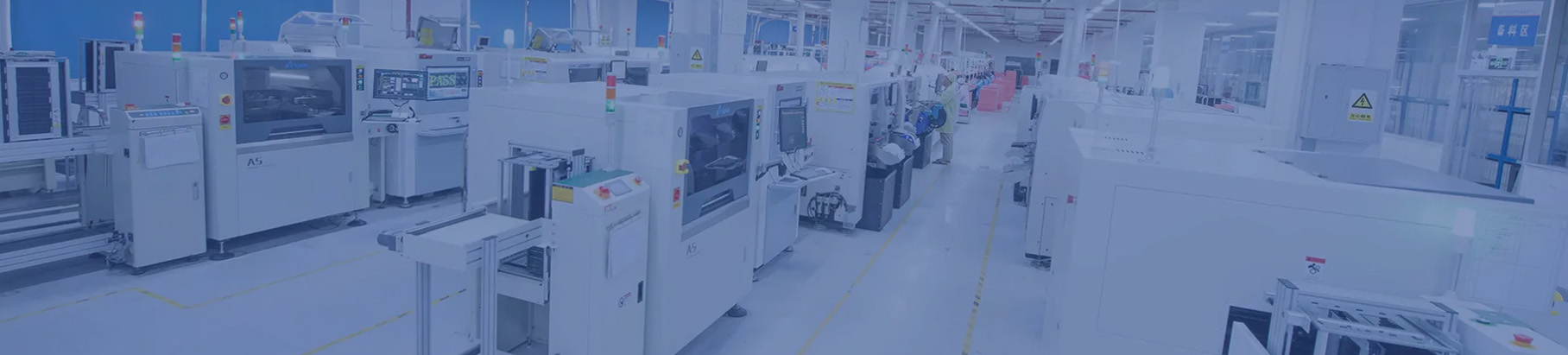
When seeking reliable PCB manufacturing Cape Town services, Thindry is your top choice for precision, compliance, and industry-specific expertise. Our tailored PCB manufacturing Cape Town solutions cater to medical, aerospace, and industrial sectors, delivering consistent quality that meets global standards. Whether you need prototype runs or medium-volume production, we combine local accessibility with international-grade craftsmanship to bring your electronic designs to life.
Thindry stands out in the PCB manufacturing Cape Town landscape with ISO 9001:2015 certification, advanced process control, and deep sector experience. We use high-grade materials (FR-4, high TG, PTFE) compliant with IPC-1401A/21 and RoHS standards, ensuring durability in extreme conditions. Our team of engineers offers end-to-end support—from design optimization to final testing—making us a trusted partner for complex electronic projects.
What Types of PCBs Are Available in PCB Manufacturing Cape Town?
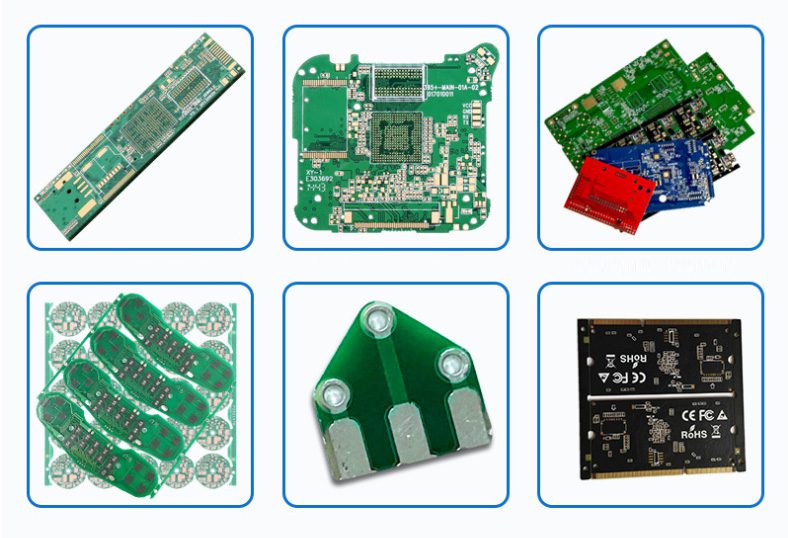
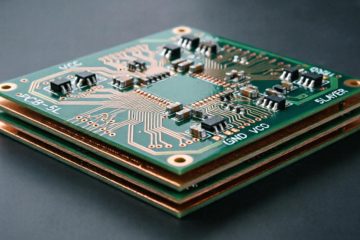
PCB manufacturing Cape Town covers a full range of board types to suit diverse applications, from consumer electronics to critical aerospace systems. The most common options include rigid, flexible, rigid-flex, high-frequency, and HDI PCBs, each engineered for specific performance needs.
Key PCB Types & Applications
- Rigid PCBs: 85% of global production, ideal for industrial controllers and medical devices. Features hardness (bending modulus ≥20GPa) and dimensional stability (warpage ≤1.5%).
- Flexible PCBs (FPC): PI/PET base materials for wearable tech and automotive sensors, withstanding -200℃~260℃ and 10,000+ folds.
- Rigid-Flex PCBs: Merge rigid chip carriers with flexible connectors, used in drones and medical endoscopes.
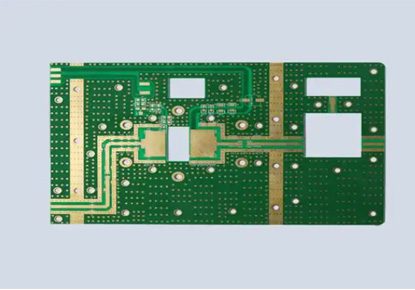
- High-Frequency PCBs: PTFE base materials for 5G and radar, with insertion loss ≤0.5dB/100mm (10GHz).
- HDI PCBs: Laser-drilled (aperture ≤0.15mm) for high-density designs in flagship electronics.
How to Choose a Reliable PCB Manufacturing Cape Town Partner?
Selecting a PCB manufacturing Cape Town partner requires evaluating certifications, material quality, technical capabilities, and industry experience. Prioritize suppliers with proven compliance, process transparency, and a track record in your sector to avoid delays and quality issues.
Critical Evaluation Criteria
- Certifications: ISO 9001, UL, and sector-specific credentials (e.g., medical ISO 13485) ensure adherence to standards.
- Material Quality: Verify use of RoHS-compliant laminates (standard/mid/high TG FR-4, PTFE) from trusted suppliers.
- Technical Capabilities: Check for precision etching (±0.02mm tolerance), laser drilling, and impedance control.
- Industry Expertise: Partner with manufacturers experienced in your field (medical, aerospace) for tailored solutions.
What Quality Standards Govern PCB Manufacturing Cape Town?
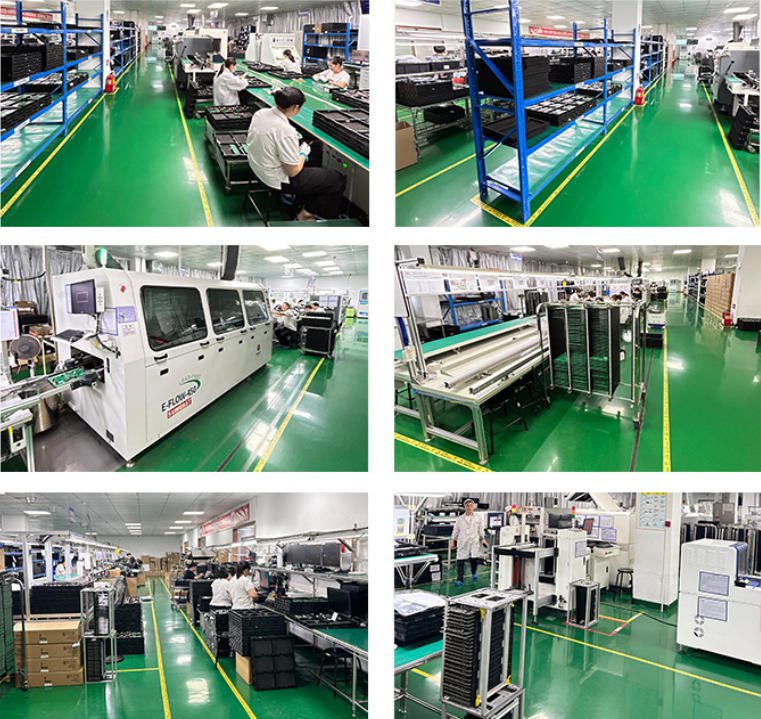
PCB manufacturing Cape Town adheres to global quality standards to ensure reliability, especially for high-stakes sectors like medical and aerospace. Core standards include ISO 9001:2015, IPC guidelines, UL certification, and RoHS compliance, with additional sector-specific requirements.
Key Standards & Requirements
- ISO 9001:2015: Ensures consistent quality management systems across production.
- IPC Standards: IPC-1401A/21 for material compliance, IPC-6012 for rigid PCB performance.
- UL Certification: Mandatory for safety in electrical applications (covers PTH and 4-layer FR-4 boards).
- RoHS Compliance: Restricts hazardous substances, critical for global market access.
How Does PCB Manufacturing Cape Town Serve Medical, Aerospace & Industrial Sectors?
PCB manufacturing Cape Town delivers specialized solutions for medical, aerospace, and industrial sectors, addressing unique performance and compliance needs. These sectors demand zero-fault reliability, extreme environmental resistance, and strict regulatory adherence—all core strengths of top local manufacturers.
Sector-Specific Cases & Solutions
- Medical Industry: We manufactured rigid PCBs for a local medical device firm’s diagnostic equipment, complying with ISO 13485. The boards feature OSP surface treatment and ±0.02mm line width tolerance, ensuring sterile operation and long-term reliability.
- Aerospace Sector: Our high-frequency PCBs (PTFE base materials) power a regional aerospace firm’s satellite communication modules. They meet 10GHz signal requirements with insertion loss ≤0.8dB/100mm and strict EMI shielding.
- Industrial Equipment: For a mining electronics client, we produced rigid-flex PCBs resistant to dust, vibration, and temperature fluctuations (-40℃~85℃). The design includes snake-shaped wiring for stress absorption.
Rigid vs. Flexible PCB: Which Is Better for PCB Manufacturing Cape Town Projects?
The choice between rigid and flexible PCBs in PCB manufacturing Cape Town depends on application needs—rigid for stability, flexible for compact, bendable designs. Below is a detailed comparison to guide your decision.
| Feature | Rigid PCB | Flexible PCB |
|---|---|---|
| Base Material | FR-4 (standard), high TG FR-4 | PI (high temp), PET (low cost) |
| Flexibility | Non-bendable, rigid structure | Bendable (radius ≥10x board thickness), foldable |
| Temperature Range | -40℃~125℃ | -200℃~260℃ (PI), -40℃~120℃ (PET) |
| Application | Industrial controllers, medical devices | Wearables, automotive sensors, foldable devices |
| Key Advantage | Dimensional stability, cost-effectiveness | Space-saving, durability in dynamic environments |
PCB Manufacturing Cape Town
What Is the Turnaround Time for PCB Manufacturing Cape Town?
Turnaround times for PCB manufacturing Cape Town vary by order complexity, volume, and processes. Prototypes (small batches) typically take 24-48 hours for basic designs, while medium-volume production (1,000-10,000 units) ranges from 5-10 business days.
Factors Affecting Turnaround
- Board Complexity: Multilayer (8+ layers) or HDI boards require longer processing.
- Surface Treatment: ENIG takes 1-2 extra days vs. OSP.
- Testing Requirements: Electrical testing (ICT/FCT) adds 1 day for quality assurance.
FAQ: Common Questions About PCB Manufacturing Cape Town
Does PCB manufacturing Cape Town support custom design modifications?
Yes. Top PCB manufacturing Cape Town providers like Thindry offer design optimization services. Our engineers review Gerber files to fix DFM issues, adjust line widths, and optimize impedance—ensuring manufacturability without compromising performance. We provide feedback within 24 hours to keep projects on track.
Are Cape Town PCB manufacturers compliant with aerospace industry standards?
Absolutely. Reputable PCB manufacturing Cape Town firms meet aerospace standards (AS9100) and use high-reliability materials (PTFE, high TG FR-4). Our aerospace PCBs undergo strict testing (thermal shock, vibration) to withstand extreme conditions, making them suitable for satellite and drone applications.
Can PCB manufacturing Cape Town produce low-volume prototype runs?
Yes. Most PCB manufacturing Cape Town suppliers specialize in small to medium runs. Thindry offers prototype batches (1-100 units) with 24-48-hour turnaround, using the same high-quality materials as production runs. This allows clients to test designs before scaling up.
How to ensure PCB manufacturing Cape Town meets medical device regulations?
Choose a PCB manufacturing Cape Town partner with ISO 13485 certification. Thindry adheres to medical device regulations, using RoHS-compliant materials and implementing traceability systems. Our medical PCBs undergo 100% electrical testing and are documented for regulatory audits, ensuring compliance with global medical standards.
Does PCB manufacturing Cape Town offer environmental-friendly options?
Yes. All PCB manufacturing Cape Town services at Thindry are RoHS-compliant, restricting lead, mercury, and other hazardous substances. We use water-based solder mask inks and implement waste reduction processes, aligning with global sustainability goals while maintaining performance.
Can Cape Town PCB manufacturers handle high-frequency PCB production?
Yes. Advanced PCB manufacturing Cape Town facilities produce high-frequency PCBs for 5G, radar, and satellite systems. Thindry uses low-loss PTFE base materials and controls impedance (±5%) with precision etching, ensuring signal integrity up to 10GHz—critical for aerospace and telecom applications.
How to Optimize PCB Design for Cape Town Manufacturing Processes?
Optimizing designs for PCB manufacturing Cape Town reduces costs and speeds up production. Focus on DFM (Design for Manufacturability) guidelines, such as minimum line width (≥0.1mm), hole size (≥0.15mm), and clearance (≥0.1mm) to avoid fabrication issues.
Top Design Tips
- Use standard component footprints to simplify assembly.
- Add test points for efficient electrical testing.
- Opt for symmetric designs to minimize warpage during lamination.
What Material Options Are Used in PCB Manufacturing Cape Town?
PCB manufacturing Cape Town relies on high-quality laminates to meet sector demands. Common materials include standard FR-4 (for industrial use), high TG FR-4 (high-temperature applications), PTFE (high-frequency), and PI (flexible boards)—all RoHS-compliant and UL-approved.
Material Selection Guide
- Industrial Equipment: Standard FR-4 (cost-effective, durable).
- Medical Devices: High TG FR-4 (chemical resistance).
- Aerospace: PTFE (low signal loss).
- Wearables: PI (flexibility, temperature resistance).
How Does PCB Manufacturing Cape Town Ensure Signal Integrity?
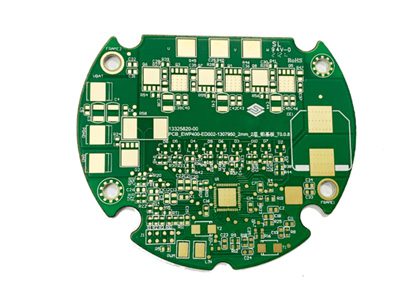
PCB manufacturing Cape Town prioritizes signal integrity through precise process control. Key measures include impedance control (±5% tolerance), low-roughness copper foil (Ra ≤0.1μm), and shielding designs (metal cavities, ground vias) to reduce EMI.
Signal Integrity Testing
We use network analyzers to test insertion/return loss and time-domain reflectometry (TDR) to detect signal reflections. This ensures high-frequency PCBs meet performance requirements for 5G and aerospace applications.
What Testing Methods Are Used in PCB Manufacturing Cape Town?
PCB manufacturing Cape Town uses rigorous testing to ensure quality. Core methods include electrical testing (ICT/FCT), visual inspection (AOI), and environmental testing (thermal shock, humidity) to validate performance and reliability.
Key Testing Processes
- AOI Inspection: Detects solder defects, missing components, and etching errors.
- ICT Testing: Verifies electrical connections across the board.
- Thermal Shock Testing: Ensures boards withstand -55℃~125℃ temperature cycles.
Thindry delivers premium PCB manufacturing Cape Town services for medical, aerospace, and industrial sectors. Our ISO-certified processes, fast turnaround, and sector expertise make us the ideal partner for your next project. For custom quotes or design support, contact us at sales@pcbtry.com to place your order today.
0 Comments