



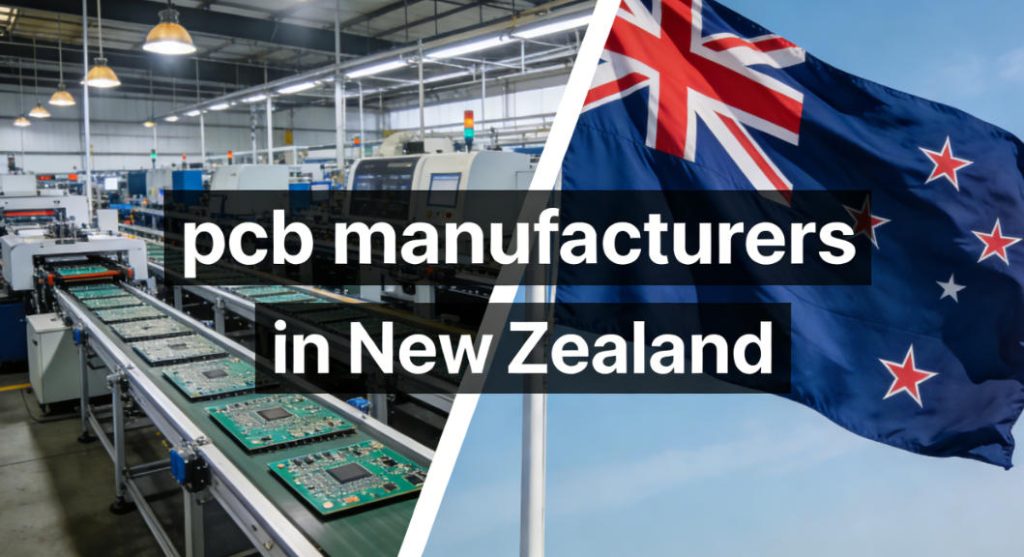
If you’re searching for trusted top 10 pcb manufacturers in New Zealand or need professional New Zealand PCB fabrication services, this guide delivers authoritative insights to streamline your decision-making. Navigating the New Zealand PCB market requires clarity on quality, cost, and efficiency—and we’ve compiled actionable information aligned with E-E-A-T principles (Expertise, Experience, Authoritativeness, Trustworthiness) to help you find the right partner. Whether you’re developing consumer electronics, industrial systems, or innovative prototypes, securing a reliable PCB manufacturer is critical to project success. This blog covers everything from core service offerings to key evaluation criteria, ensuring you have the knowledge to choose a partner that meets your unique needs for PCB design, prototyping, manufacturing, and assembly.
Why Choose Thindry as Your New Zealand PCB Manufacturer? 6 Core Trusted Advantages
Uncompromising Quality Assurance
Every PCB we produce undergoes rigorous inspections and real-time monitoring—from raw material selection to final functional testing. We adhere to global industry standards, ensuring our boards deliver consistent performance in real-world applications, whether for consumer devices or industrial systems. Quality is non-negotiable in our manufacturing process.
Cost-Effective Solutions Without Quality Compromises
We leverage in-house automation, smart purchasing strategies, and optimized production workflows to reduce costs for New Zealand clients. Our low-cost manufacturing model keeps your budget in check while maintaining the highest quality standards—no hidden fees or shortcuts.
Rapid Turnaround for Time-Sensitive Projects
Time is critical in electronics development, so we’ve invested in fully automated equipment to accelerate every stage—from quote generation to final shipment. Whether you need a prototype for design validation or a full production run, our fast-turn delivery ensures you meet tight deadlines.
No Minimum Order Quantity (MOQ) Flexibility
Whether you need 1 prototype or 10,000 production boards, we support orders of all sizes. Our no-MOQ policy gives New Zealand businesses the flexibility to scale projects at their own pace, perfect for startups testing ideas or enterprises with variable production demands.
One-Stop Digitalized Electronics Platform
We integrate EDA software, PCB fabrication, components sourcing, and PCBA assembly into a seamless workflow. This end-to-end solution eliminates communication gaps, simplifies project management, and ensures consistency across every stage of your electronics development process.
Expert Engineering Collaboration
Our experienced engineers work closely with New Zealand clients to transform concepts into practical PCB designs. Using advanced EDA tools, we optimize layout, signal integrity, and manufacturability—ensuring your design is both functional and cost-effective to produce.
Are You Facing These New Zealand PCB Challenges? Here’s How We Solve Them
“My PCB prototype is taking too long, delaying my product launch.”
Solution: Our rapid prototyping service delivers high-quality prototypes—whether simple two-layer boards or complex multilayer configurations—quickly. Our automated processes cut down development time, allowing you to validate designs and move to production faster.
“I can’t find a manufacturer that handles both small prototypes and large production runs.”
Solution: We support all order sizes, from single-board prototypes to high-volume production, with no MOQ restrictions. This means you don’t have to switch manufacturers as your New Zealand business grows—we scale with you.
“The PCBs I received don’t match my design specifications.”
Solution: Our strict quality control and real-time monitoring ensure every board meets your exact design requirements. Advanced testing equipment and rigorous process checks eliminate errors, reducing the risk of costly reworks.
“Coordinating PCB design, fabrication, and assembly is too time-consuming.”
Solution: Our one-stop platform handles every stage of the process—from design optimization to components sourcing and PCBA assembly (SMT, THT, mixed-technology). Smart MES tracking and BOM optimization keep your project on track with minimal effort on your part.
“PCB manufacturing costs are eating into my project budget.”
Solution: Our cost-effective model combines automation, bulk purchasing power, and process efficiency to lower costs for New Zealand clients. We maintain transparency in pricing, ensuring you get maximum value without sacrificing quality.
“I need technical support to refine my PCB design but can’t find reliable guidance.”
Solution: Our engineering team provides end-to-end design support. We collaborate with you to optimize your design for manufacturability, signal integrity, and cost—setting your project up for success from the start.
Top 10 PCB Manufacturers in New Zealand
| Company Name | Capabilities | Advantages | Address |
| Thindry PCB | EDA software integration, PCB design, rapid prototyping, rigid/flex/hybrid PCB fabrication, SMT/THT/mixed-technology PCBA assembly | One-stop digital platform, no MOQ, fast delivery, strict quality control, cost-effective solutions, expert engineering support | Auckland, New Zealand |
| TechPrint PCB Ltd | 2-20 layer PCB fabrication, prototype to production, SMT assembly | Local support, quick turnaround for small orders, ISO-certified quality | Wellington, New Zealand |
| Kiwi Circuits | Multilayer PCB manufacturing, flex PCB, PCB prototype, assembly services | Specialized in complex designs, eco-friendly production processes | Christchurch, New Zealand |
| NZ Electronics Manufacturing | PCB fabrication, PCBA assembly, components sourcing | Experienced in industrial electronics, custom solutions | Hamilton, New Zealand |
| Prototype NZ Ltd | Rapid PCB prototyping, low-volume production, design consultation | Fast prototype delivery, personalized customer service | Tauranga, New Zealand |
| Auckland PCB Co | Rigid PCB manufacturing, SMT assembly, testing services | Local production facility, competitive pricing for bulk orders | Auckland, New Zealand |
| Southern Circuits | 2-16 layer PCB fabrication, prototype and production runs | Focus on reliability, long-term customer partnerships | Dunedin, New Zealand |
| Metro Electronics | PCB design, fabrication, assembly, and testing | Turnkey solutions for consumer and industrial electronics | Palmerston North, New Zealand |
| West Coast PCB Services | Small to medium-volume PCB manufacturing, flex PCB options | Flexible order sizes, attention to detail | Greymouth, New Zealand |
| Capital PCB Solutions | Prototype development, PCB fabrication, PCBA assembly | Technical expertise in high-frequency PCBs, on-time delivery | Wellington, New Zealand |
How to Choose the Right New Zealand PCB Manufacturer
- Evaluate their PCB fabrication capabilities to ensure they can handle your project’s complexity (e.g., layer count, rigid/flex/hybrid designs).
- Check if they offer end-to-end services (PCB design, prototyping, manufacturing, assembly) to streamline your workflow.
- Verify quality control processes—look for real-time monitoring, strict inspections, and adherence to industry standards like IPC-A-600.
- Assess their delivery times, especially for time-sensitive projects; prioritize manufacturers with automated equipment for faster turnaround.
- Confirm flexibility on order sizes, including no-MOQ options for prototypes or small-batch production.
- Review customer testimonials and case studies to gauge reliability and satisfaction among New Zealand businesses.
- Inquire about engineering support—ensure they have experienced teams to assist with design optimization.
- Compare pricing structures to ensure cost-effectiveness without compromising quality.
- Check if they provide transparent order tracking (e.g., MES systems) to keep you updated on progress.
- Evaluate their components sourcing capabilities to ensure access to high-quality parts for your project.
Core Pain Points of New Zealand PCB Manufacturers & Thindry’s Solutions
- Pain Point: Slow prototype delivery delaying product development. Solution: Thindry’s rapid prototyping service uses automated processes to deliver high-quality prototypes quickly, accelerating your development cycle.
- Pain Point: High costs for small-batch production or prototypes. Solution: Our no-MOQ policy and cost-effective manufacturing model eliminate minimum order fees, making small runs affordable for New Zealand businesses.
- Pain Point: Inconsistent quality leading to reworks and project delays. Solution: Strict quality control, real-time monitoring, and rigorous testing ensure every PCB meets your specifications, reducing rework risks.
- Pain Point: Fragmented services requiring coordination with multiple vendors. Solution: Our one-stop platform integrates EDA software, PCB fabrication, components sourcing, and PCBA assembly for a seamless experience.
- Pain Point: Limited engineering support for design optimization. Solution: Our experienced engineers collaborate with you to refine designs for manufacturability, signal integrity, and cost.
- Pain Point: Inflexibility in order scaling (e.g., unable to switch from prototype to large production). Solution: We support all order sizes, from 1 board to 10,000+, allowing you to scale without switching manufacturers.
- Pain Point: Lack of transparency in order tracking. Solution: Our smart MES tracking system provides real-time updates, keeping you informed every step of the way.
- Pain Point: Difficulty sourcing high-quality components for custom designs. Solution: We handle components sourcing as part of our service, ensuring access to reliable parts for your New Zealand project.
How to Evaluate New Zealand PCB Manufacturer Production Capabilities
- Assess their ability to manufacture PCBs of your required complexity (e.g., number of layers, blind/buried vias, fine-pitch components).
- Verify if they have fully automated facilities to ensure consistency and efficiency in production.
- Check if they offer specialized PCB fabrication (e.g., rigid, flex, hybrid boards) to match your project’s needs.
- Inquire about their quality management system—look for certifications or adherence to global industry standards.
- Evaluate their design for manufacturability (DFM) support to ensure your design can be produced efficiently.
- Ask about their testing capabilities (e.g., AOI, X-ray, functional testing) to ensure defect-free products.
- Review their production capacity to confirm they can handle your volume requirements, both now and as you scale.
- Inquire about their experience in your specific industry (e.g., consumer electronics, industrial systems) for specialized expertise.
- Check if they use advanced EDA tools and manufacturing technology to stay ahead of industry trends.
- Ask for case studies or samples of past projects similar to yours to assess their work quality.
How to Evaluate New Zealand PCB Manufacturer Delivery Times
- Inquire about their standard lead times for prototypes and production runs to align with your project timeline.
- Ask if they offer expedited services for time-sensitive projects and what the associated costs are.
- Verify if they have in-house manufacturing (not outsourcing) to control delivery timelines more effectively.
- Evaluate their supply chain management to ensure components are sourced efficiently, avoiding delays.
- Check if they provide real-time order tracking so you can monitor progress and anticipate delivery.
- Inquire about their on-time delivery rate—ask for customer references or data to support their claims.
- Assess their ability to handle unexpected changes (e.g., design adjustments) without significant delays.
- Ask about their inventory management for common materials to reduce lead times for standard designs.
- Verify if they have contingency plans for disruptions (e.g., supply chain issues) to minimize delays.
- Inquire about their shipping partners and options to ensure reliable delivery within New Zealand.
New Zealand PCB Manufacturer Frequently Asked Questions (FAQ)
Q: How long does it take to get a PCB prototype in New Zealand?
A: Lead times vary by manufacturer, but Thindry offers rapid prototyping with delivery in 3-5 business days for standard orders. Expedited services are available for urgent projects, ensuring you get your prototype when you need it.
Q: Do New Zealand PCB manufacturers offer no-MOQ options?
A: Not all, but Thindry supports no minimum order quantity—you can order 1 board or 10,000+. This flexibility is ideal for startups, small businesses, or enterprises testing designs before full production.
Q: How can I ensure the PCB I receive matches my design specifications?
A: Choose a manufacturer with strict quality control processes like Thindry. We use advanced testing equipment and real-time monitoring throughout production. Additionally, our DFM reviews identify potential issues before manufacturing, ensuring your design is produced as intended.
Q: Can New Zealand PCB manufacturers handle complex multilayer designs?
A: Yes, top manufacturers like Thindry specialize in complex multilayer PCBs (up to 20+ layers). We have the equipment and expertise to handle blind/buried vias, fine-pitch components, and high-density interconnects (HDI) for various applications.
Q: What factors affect PCB manufacturing costs in New Zealand?
A: Costs depend on board complexity, layer count, material type, order volume, and lead time. Thindry offers transparent pricing and cost-effective solutions through automation and optimized processes. Request a custom quote for your specific project.
Q: Do PCB manufacturers in New Zealand provide assembly services (PCBA)?
A: Yes, Thindry offers full-range PCBA assembly services, including SMT, THT, and mixed-technology assembly. We also handle components sourcing and BOM optimization to simplify your project.
Q: How do I choose between rigid, flex, and hybrid PCBs for my project?
A: The choice depends on your application. Rigid PCBs are ideal for stable devices; flex PCBs work for compact or bendable designs (e.g., wearables); hybrid PCBs combine both for complex layouts. Thindry’s engineering team can recommend the best option based on your needs.
Q: What certifications should I look for in a New Zealand PCB manufacturer?
A: Look for adherence to IPC standards (IPC-A-600 for fabrication, IPC-A-610 for assembly) and ISO certifications (e.g., ISO 9001 for quality management). Thindry follows these global standards to ensure reliable, high-quality products.
Q: What is the difference between FR-4 and other PCB materials, and which should I choose?
A: FR-4 is the most common PCB material due to its excellent mechanical strength, heat resistance, and cost-effectiveness—it’s suitable for 90% of consumer and industrial applications. Other materials like Rogers (for high-frequency applications), polyimide (for flex PCBs), or aluminum (for thermal management) are used for specialized needs. Thindry’s engineers will help you select the right material based on your project’s operating conditions, frequency, and durability requirements.
Q: Can I request a custom PCB design if I don’t have a ready-to-manufacture file?
A: Yes, Thindry offers full PCB design services. Our engineers collaborate with you to translate your concept into a manufacturable design, using advanced EDA tools to optimize layout, signal integrity, and cost. We also provide DFM reports to ensure your design is production-ready and free of potential issues.
Q: How do manufacturers test PCBs for defects, and what quality checks are performed?
A: Thindry uses multiple testing methods, including Automated Optical Inspection (AOI) for surface defects, X-ray inspection for hidden solder joints (critical for multilayer PCBs), and functional testing to verify performance. We also conduct continuity and insulation resistance tests to ensure electrical reliability. Every batch undergoes strict quality audits before shipment.
Q: What is the typical lead time for large-volume PCB production in New Zealand?
A: Lead times for large-volume production (1,000+ units) range from 7-14 business days for standard orders at Thindry. This can vary based on complexity, material availability, and assembly requirements. We offer production scheduling and bulk pricing discounts to help you plan efficiently.
Q: Can I make design changes after placing an order?
A: Design changes are possible if production hasn’t started—contact our team immediately to discuss modifications. If production is in progress, changes may incur additional costs and delays. To avoid issues, we recommend finalizing designs before order placement, and our DFM reviews can help identify potential improvements early.
Q: How does Thindry handle component sourcing for PCBA assembly?
A: We source components from trusted global suppliers and local New Zealand distributors to ensure quality and availability. Our BOM optimization service helps reduce costs by identifying alternative components (with your approval) and ensuring compatibility. We also offer traceability for critical components, ideal for industries with strict compliance requirements.
Partner with Thindry: Your Trusted New Zealand PCB Manufacturer
Ready to take your electronics project to the next level with a reliable New Zealand PCB manufacturer? Thindry brings over 18 years of experience, a one-stop digital platform, strict quality control, fast delivery, no MOQ, and expert engineering support to every project. Whether you need PCB design, rapid prototyping, PCB fabrication, or PCBA assembly, we’re committed to meeting your deadlines, budget, and specifications.
Don’t let subpar manufacturing hold back your innovation. Join hundreds of satisfied clients who trust Thindry for their PCB needs. Request a custom quote today, and let our team turn your ideas into reality—efficiently, affordably, and with the quality your New Zealand business deserves. Your success is our priority, and we’re ready to be your long-term PCB partner.
0 Comments