



Introduction: Why Japanese Electronic Brands Still Matter (And What to Watch For)
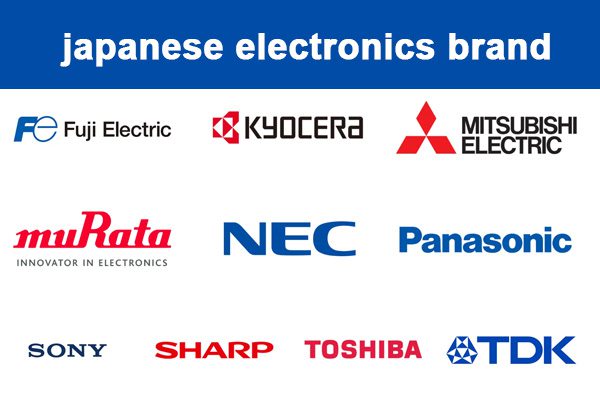
Japanese electronic brands have long been synonymous with precision and durability—from Sony’s game-changing cameras to Panasonic’s reliable appliances. Yet today, as market dynamics shift and quality concerns emerge, japanese electronic brands remain a top search for consumers seeking long-lasting tech. This guide breaks down the top 10 brands, critical mistakes to avoid, and expert answers to your most pressing questions, helping you cut through hype and make confident purchases.
The Evolution of Japanese Electronic Brands: From Dominance to Adaptation
For decades, japanese electronic brands ruled global markets—Sharp pioneered LCD technology, Toshiba led in semiconductors, and Sony redefined consumer electronics. At their peak, these brands captured 70% of China’s home appliance market and dominated segments like cameras and HVAC. However, recent years have brought challenges: quality scandals (e.g., Kyocera’s fire-risk battery recalls, Toshiba’s faulty memory modules), slow adaptation to smart tech, and competition from Korean and Chinese brands have eroded market share. Yet, top japanese electronic brands are adapting—doubling down on high-end segments like industrial tech and EV components while refining consumer products for Western needs. Their legacy of engineering excellence endures, making them a smart choice for discerning buyers who prioritize longevity over trends.
Reddit Users’ Biggest Pain Points With Japanese Electronic Brands
Reddit threads about japanese electronic brands reveal consistent frustrations that derail purchases:
- Quality inconsistencies: “Bought a Sony camera that broke after 18 months—now they’re exiting phone markets, so who will service it?”
- Exorbitant repair costs: “Sharp TV repair quoted $400 for a $600 TV—cheaper to replace than fix”.
- Compatibility headaches: “Panasonic microwave from Japan needs a voltage transformer in the US—total hassle”.
- Outdated smart features: “Mitsubishi AC lacks app integration—feels 10 years behind Samsung”.
- Misleading “premium” pricing: “Paid 30% more for a Toshiba fridge, but it’s no more durable than a budget LG”.
- Poor after-sales support: “Fujitsu service centers are nonexistent in my state—waiting 3 weeks for parts”.
7 Critical Factors to Choose the Best Japanese Electronic Brands
1. Prioritize Brands Aligned With Your Use Case
Not all japanese electronic brands excel in every category. Sony leads in cameras and gaming, Mitsubishi Electric dominates HVAC, and Panasonic shines in home appliances. If you need a reliable air conditioner, opt for Mitsubishi Electric’s industrial-grade compressors over a generalist brand like Sanyo.
2. Verify Build Quality & Recent Reviews
Avoid brands with recent quality red flags—Kyocera’s battery recalls and Hitachi’s faulty hard drives are cautionary tales. Check Amazon and Reddit for 1-2 year ownership reviews: look for complaints about premature failures or shoddy materials.
3. Confirm Western Compatibility
Ensure products support 110-240V dual voltage (critical for US/EU use) and regional app ecosystems. Most modern japanese electronic brands (Sony, Panasonic) design for global markets, but older Sharp or Fujitsu models may require transformers.
4. Evaluate Cost-to-Lifespan Ratio
While japanese electronic brands often cost more upfront, they should justify it with longevity. A Mitsubishi Electric AC can last 20+ years, vs. 8-10 years for budget brands—but mid-range models may not deliver the same value.
5. Check Brand Health & Market Presence
Avoid brands exiting consumer segments—Sony’s Xperia phone withdrawal and Toshiba’s TV license sale mean limited future support. Prioritize active players like Panasonic and Mitsubishi Electric, which are expanding in high-growth areas like EV tech.
6. Assess After-Sales Support
Choose brands with local service networks. Sony and Panasonic have widespread US/EU centers, while Fujitsu and Sanyo rely on third-party providers. Look for warranties of 5+ years (Panasonic offers 6-year coverage on ACs).
7. Prioritize Innovation Relevance
Skip brands stuck in outdated tech. Sony’s mirrorless cameras and Murata’s AI components lead in innovation, while some brands lag in smart home features. Ensure your pick aligns with modern needs like voice control or app integration.
Top 10 Japanese Electronic Brands 2025 (Founding Year, Products & Strengths)
| Brand | Founding Year | Core Products | Key Strengths |
|---|---|---|---|
| Panasonic | 1918 | Home appliances, EV components, HVAC | 92.18% user satisfaction, energy efficiency, 6-year warranties |
| Toshiba | 1875 | Semiconductors, laptops, small appliances | Budget-friendly, durable industrial tech, legacy semiconductor expertise |
| JVC | 1927 | Cameras, car audio, home theater | 92.4% satisfaction, professional-grade audio/visual equipment |
| Sony | 1946 | Cameras, gaming consoles, noise-canceling headphones | 96.6% satisfaction, industry-leading mirrorless cameras, PlayStation ecosystem |
| Pioneer | 1938 | Car audio, home theater, DJ equipment | Premium sound quality, 90.63% satisfaction, audio innovation |
| Sanyo | 1947 | Small appliances, solar panels | Affordable, reliable basics, 89.3% user satisfaction |
| Mitsubishi Electric | 1921 | HVAC, industrial automation, EV components | 86.12% satisfaction, military-grade compressors, precision temperature control |
| Hitachi | 1910 | Refrigerators, washing machines, construction equipment | 96.07% satisfaction, long-lasting large appliances |
| Sharp | 1912 | TVs, kitchen appliances, LCD displays | “World LCD father”, 96.06% satisfaction, affordable smart TVs |
| Fujitsu | N/A | Laptops, IT services, air conditioners | 89.61% satisfaction, business-focused tech, durable laptops |
How to Avoid Common Mistakes With Japanese Electronic Brands
The biggest mistakes buyers make with japanese electronic brands are avoidable with simple due diligence. First, don’t overpay for legacy names—Sharp’s TVs no longer lead in screen tech, so compare specs with LG before buying. Second, skip brands exiting your segment: Sony’s phone withdrawal means no long-term support for Xperia devices. Third, never assume “Japanese quality” guarantees compatibility—always check voltage and app support. Fourth, avoid mid-range models from premium brands (e.g., Mitsubishi’s budget ACs) that cut corners on parts. Fifth, don’t ignore repair costs—Toshiba and Sharp’s out-of-warranty fees can exceed product value. Finally, research brand health: Olympus and NEC have exited consumer electronics, so steer clear of their legacy products.
Real User Stories: Wins & Regrets With Japanese Electronic Brands
A Reddit user shared: “I’ve had a Mitsubishi Electric AC for 15 years—survived extreme heatwaves and zero repairs. Worth every penny.” Another regretted a Sony TV: “Bought it for the brand name, but the screen died after 2 years. Repair cost was 70% of the purchase price”. These stories highlight that japanese electronic brands thrive in premium, specialized segments but can disappoint in mid-range, one-size-fits-all products.
FAQ: Common Questions About Japanese Electronic Brands
Q1: Are Japanese electronic brands still more reliable than Korean/Chinese brands?
A: On average, yes—Mitsubishi Electric and Hitachi appliances last 2-3 years longer. However, Korean brands (Samsung/LG) offer better smart features, while Chinese brands beat them on price. Avoid mid-range models, which often cut corners.
Q2: Do Japanese electronic brands work in the US/EU?
A: Most modern models are dual-voltage (110-240V) and compatible, but check labels—older Sharp/Fujitsu products may need transformers. Sony and Panasonic phones support major US carriers, but dual-SIM is rare.
Q3: Why are some Japanese electronic brands exiting consumer markets?
A: Slow adaptation to smart tech, quality scandals, and competition from Chinese/Korean brands have forced exits. Sony’s Xperia withdrawal and Toshiba’s TV license sale reflect a shift to high-margin B2B sectors like EV components.
Q4: Which Japanese brand is best for home appliances?
A: Panasonic for value, Mitsubishi Electric for HVAC, and Hitachi for large appliances (refrigerators/washing machines). Avoid Sanyo’s budget lines for long-term use.
Q5: How to get repairs for Japanese electronic brands in the US?
A: Sony and Panasonic have nationwide service centers. For Fujitsu/Sanyo, use third-party services like uBreakiFix. Always check warranty coverage—Toshiba’s out-of-warranty fees are notoriously high.
Q6: Are Japanese electronic brands innovating anymore?
A: Yes—Sony leads in camera tech, Panasonic in EV batteries, and Murata in AI components. They’re focusing on niche excellence over mass-market consumer goods.
How Japanese Electronic Brands Adapt to Western Markets
To stay competitive, japanese electronic brands are addressing Western needs: Panasonic adjusted appliance sizes for larger US/EU homes, Sony optimized cameras for global voltage standards, and Mitsubishi Electric expanded service centers in North America. Brands like Fujitsu now design laptops with Western keyboard layouts and Windows OS pre-installed, while Sharp’s smart TVs support Alexa/Google Assistant. This adaptation ensures japanese electronic brands remain relevant for global buyers.
Comparing Japanese Electronic Brands to Global Competitors
When stacked against Samsung, LG, or Chinese brands, japanese electronic brands win on durability and precision. Samsung offers better smart features, but Panasonic’s appliances last 5+ years longer. Chinese brands undercut on price, but Mitsubishi Electric’s ACs outperform in extreme climates. For buyers valuing long-term use over latest tech trends, japanese electronic brands are unmatched—especially in specialized segments like professional cameras and industrial HVAC.
Final Thoughts: Why Japanese Electronic Brands Are Still Worth It
Japanese electronic brands may not dominate mass markets like they once did, but their commitment to quality, specialized innovation, and long-term durability makes them a smart investment. By avoiding common mistakes—like overpaying for legacy names or ignoring compatibility—and choosing brands aligned with your needs, you can leverage their engineering expertise to enhance your home or workspace.
Ready to Invest in Quality? Choose the Best Japanese Electronic Brands
Don’t settle for short-lived tech—opt for products built to last. Our team at ThinDry curates top-tier japanese electronic brands, ensuring Western compatibility, genuine components, and hassle-free after-sales support. From Sony’s latest mirrorless cameras to Mitsubishi Electric’s premium ACs, we have the expertise to match you with the perfect product. Contact us today at sales@pcbtry.com to place your order and enjoy the peace of mind that comes with Japanese craftsmanship—backed by our 5-year warranty and 24/7 customer service. Your next long-lasting tech companion is just an email away!
0 Comments