



Introduction
As the automobile transforms from a purely mechanical means of transport into a “mobile intelligent terminal” integrated with hundreds of smart sensors, its internal electronic and electrical architecture is undergoing a revolutionary change. At the heart of this transformation lies the Automobile PCB (Printed Circuit Board)—a seemingly inconspicuous yet vital component. It acts as the vehicle’s neural network, responsible for information transmission, power distribution, and intelligent control. Facing extreme environmental challenges within the vehicle, the reliability of Automobile PCBs directly determines the safety, performance, and longevity of the entire vehicle. This article delves into the evolution, core requirements, extensive applications, and design challenges of Automobile PCBs, revealing how they have become an indispensable cornerstone of the modern automotive industry.
From Rigid to Rigid-Flex: The Evolution of Automobile PCB Types
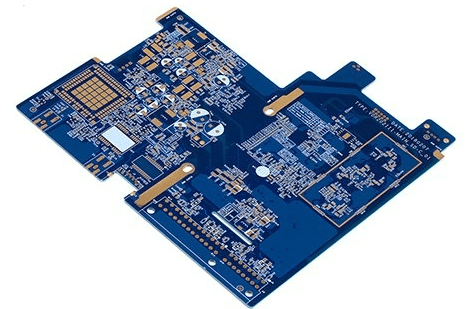
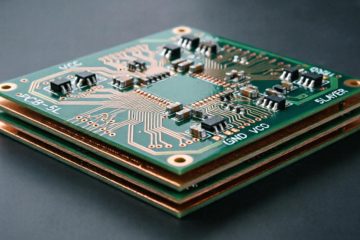
The increasing complexity of automotive electronics has driven the rapid development of PCB technology. While early vehicles used only standard rigid PCBs, modern automobiles employ a variety of advanced PCB technologies tailored to different applications.
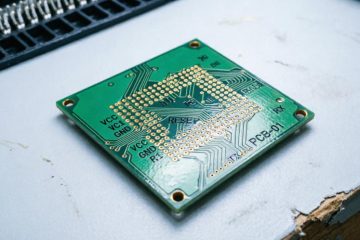
- Rigid PCBs: The most traditional and fundamental type, featuring a solid, inflexible substrate. They are primarily used in areas with high structural strength requirements and ample space, such as Engine Control Units (ECUs) and power management systems.
- Flexible PCBs (Flex PCBs): Utilizing bendable base materials (e.g., polyimide), they can adapt to tight, irregular, or moving spaces. Applications include camera modules, wiring harnesses within door hinges, and connections for flip-up displays, significantly enhancing design flexibility.
- Rigid-Flex PCBs: A fusion of technology and art, combining rigid sections for component stability with flexible sections for interconnectivity. This offers high integration and reliability, widely used in LED light bars and Advanced Driver-Assistance Systems (ADAS) sensor modules.
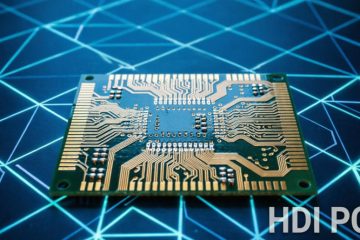
- HDI PCBs: Employing microvias, blind vias, and buried via technologies to achieve higher wiring density. They enable more complex functionality in a smaller form factor, which is crucial for the miniaturization and enhanced performance of车载电子设备like smart cockpit processors.
- Metal-Clad PCBs (MCPCBs): Typically with an aluminum or copper core, they offer excellent thermal conductivity. These are the standard for high-power automotive LED lighting (e.g., matrix headlights, daytime running lights), effectively dissipating heat from LEDs to ensure brightness and longevity.
Beyond Consumer-Grade Standards: The Stringent Demands and Reliability Foundation of Automobile PCBs
The fundamental distinction between Automobile PCBs and consumer electronics PCBs lies in the relentless pursuit of extreme reliability and long service life, stemming from the vehicle’s unique operating environment and safety mission.
- Uncompromising Reliability: Vehicles are designed for lifespans often exceeding 15 years and several hundred thousand kilometers. Throughout this period, PCBs must withstand continuous thermal cycling (-40°C to 125°C or higher), intense vibration and shock, and exposure to chemicals. Any minor failure could lead to system malfunction with potentially severe consequences.
- Exceptional Environmental Robustness: From desert heat to arctic cold, and from humid coasts to dusty trails, Automobile PCBs must operate stably. This demands materials (e.g., high-frequency/low-loss laminates, high Tg substrates) and processes (e.g., thicker copper, stricter surface finishes) with superior resistance to environmental stress.
- “Zero-Defect” Quality Philosophy: The automotive industry adheres to quality standards far exceeding those for general electronics. The IATF 16949 quality management system is a fundamental entry requirement for the supply chain. Regarding production standards, Automobile PCBs universally require compliance with IPC Class 3 standards, which mandate an extremely low defect rate for high-reliability products, emphasizing continuous operational performance.
Empowering Three Core Systems: The Widespread Application of Automobile PCBs
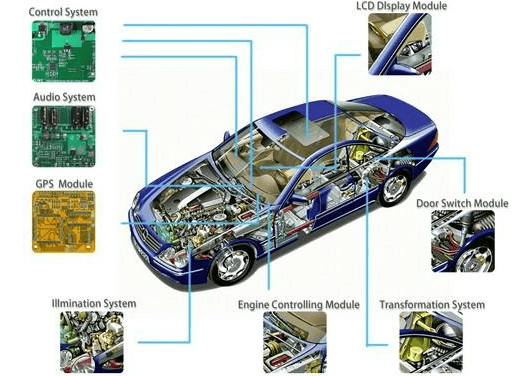
Automobile PCBs have permeated every “nerve ending” of the vehicle, primarily empowering the following three core systems:
- Powertrain & Safety Control Systems (The “Limbs and Reflex Arc”):
- Applications: Engine management, transmission control, anti-lock braking systems (ABS), airbag sensors, radar, cameras, and autonomous driving domain controllers.
- Value: These systems directly control vehicle dynamics and occupant safety, demanding the highest levels of signal integrity, noise immunity, and real-time performance from PCBs. They represent the pinnacle of Automobile PCB technology.
- Body & Comfort Systems (The “Skin and Senses”):
- Applications: Body Control Modules (BCM), power window/lock control, seat adjustment, climate control, and smart key systems.
- Value: They enhance convenience and comfort, requiring PCBs with good durability and cost-effectiveness, while handling complex logic control functions.
- Infotainment & Connectivity Systems (The “Brain and Interface”):
- Applications: Digital instrument clusters, center stack infotainment systems, navigation, audio systems, and telematics control units.
- Value: With the trend towards smart cockpits, these systems demand PCB performance on par with top-tier consumer electronics, supporting high-speed data transmission (e.g., LVDS, Automotive Ethernet) and often utilizing advanced processes like HDI and Rigid-Flex.
Challenges in Precision: Key Considerations in Automobile PCB Design and Manufacturing
Designing a qualified Automobile PCB is far more than just drawing a circuit schematic; it is a complex systems engineering endeavor.
- Thermal Management: High-power components (e.g., power MOSFETs, LEDs) generate significant heat. Effective dissipation through strategic layout, thermal vias, and selecting appropriate substrates like MCPCBs is critical to prevent thermal failure.
- Signal Integrity (SI): In high-speed digital circuits (e.g., processors, memory), controlled impedance, crosstalk suppression, and timing matching of PCB traces are paramount to prevent data errors and system instability.
- Electromagnetic Compatibility (EMC): With the dense concentration of electronic devices in vehicles, PCB design must minimize electromagnetic emissions and enhance immunity to external interference to ensure all systems coexist harmoniously.
- Durability & Manufacturability: Designs must account for points of mechanical stress concentration and incorporate reinforcements. Furthermore, design rules must align with manufacturing capabilities to ensure high yield and consistency in mass production.
Conclusion: From Functional Enabler to Value Driver – The Future Path of the Automobile PCB
Automobile PCBs have long transcended their basic role of providing electrical connectivity. They are now empowering the automotive industry’s leaps forward through their technological sophistication and unwavering reliability. From improving fuel efficiency to enabling pure electric drive, and from passive safety to active collision avoidance and the march toward full autonomy, every technological innovation is silently supported by advances in Automobile PCB technology.
Looking ahead, with the adoption of new trends like 800V high-voltage platforms, silicon carbide (SiC) applications, and centralized computing architectures, Automobile PCBs will accelerate their evolution towards higher density, higher frequency, higher power, and greater reliability. They are not merely the “carriers” of vehicle electrification but are the “Invisible Guardian” and an engine of innovation driving automotive evolution. On the road to a safer, greener, and smarter mobility future, Automobile PCBs play an irreplaceable and critical role.
0 Comments