



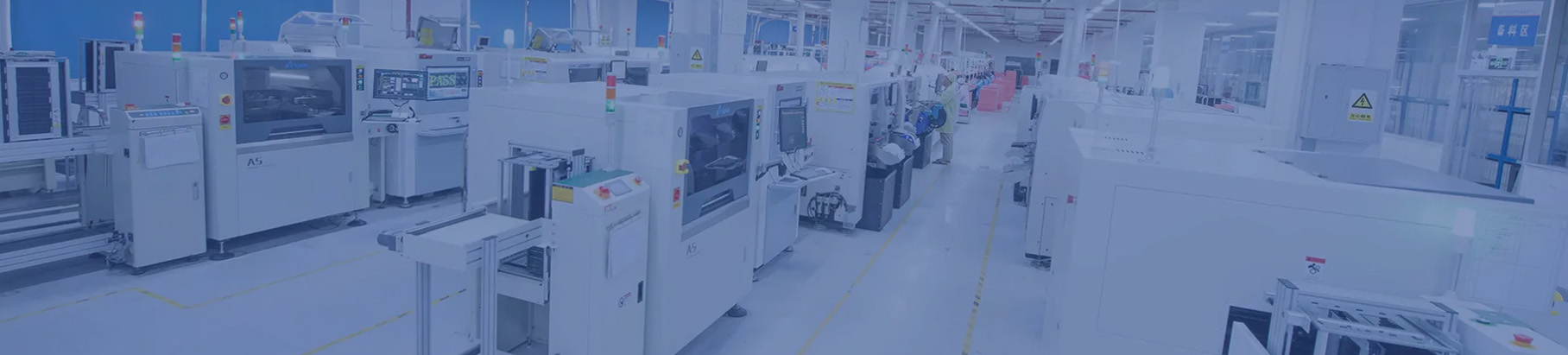
What are Electronic Devices and Circuits?
First, one should understand electronics. It is a branch of physics and engineering that deals with the behavior, flow, and control of electrons under various conditions. Electronic devices are components that control the flow of electric current to achieve information processing and system control. These devices utilize semiconductor components like integrated circuits and transistors to perform complex functions such as communication, computation, and automation. Electronic devices rely on electronic circuits.
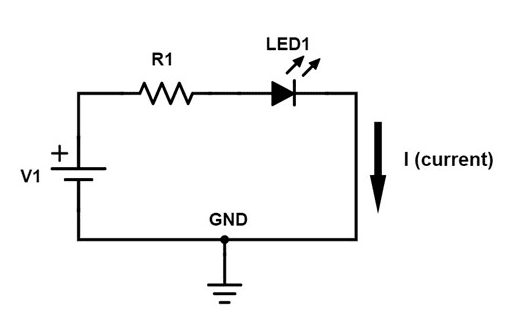
An electronic circuit is a path or arrangement formed by interconnecting discrete electronic components—such as resistors, capacitors, inductors, diodes, and transistors—via wires or printed circuit boards, allowing electric current to flow. Examples of electronic circuits include simple LED circuits, power supply circuits, amplifier circuits, etc.
Types of Electronic Components
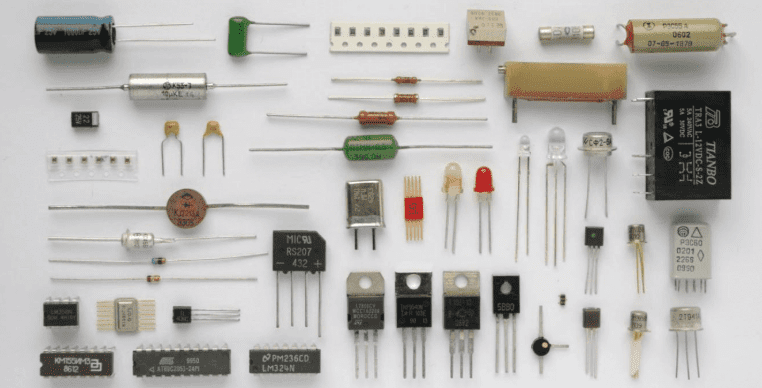
Each electronic component possesses specific properties that determine its behavior within a circuit. The selection of components depends on the designer’s objectives and the circuit’s intended function. The figure below highlights electronic components commonly used in various circuits. For better understanding of their roles, components are typically categorized into two groups: active components and passive components.
1. Active Devices
Active devices can control the flow of electric current and even amplify weak electrical signals. These devices require an external power source to operate. Some common active devices include:
- Transistors: Used in amplifiers and switches.
- Diodes: Allow current to flow in one direction.
- Integrated Circuits (ICs): Miniaturized packages containing complex electronic functionalities.
Active devices are essential for any system that processes signals, computes information, or enhances communication signals.
2. Passive Devices
Passive devices do not generate energy themselves but instead store, dissipate, or transfer energy. Common examples include:
- Resistors: Restrict the flow of current.
- Capacitors: Store and release electrical energy.
- Inductors: Resist sudden changes in current.
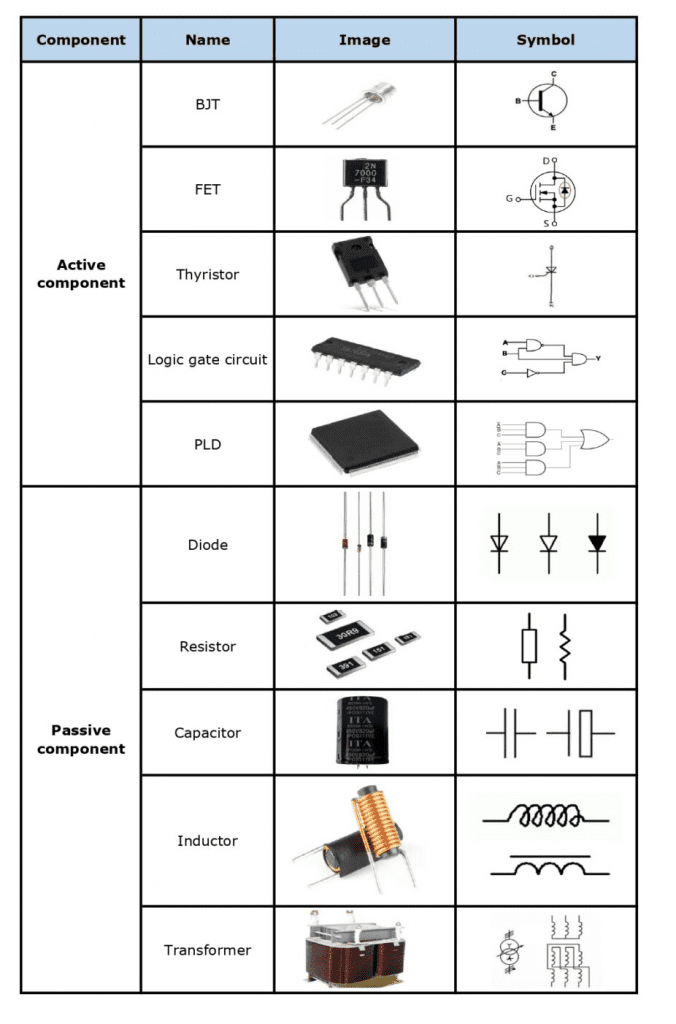
These components support the operation of active devices and help shape how signals behave within a circuit.
What are the 5 Basic Electronic Devices?
The following five fundamental devices are found in nearly every circuit:
- Resistors
Resistors are responsible for managing the current flowing through different parts of a circuit. They aid in dividing voltage, controlling signal levels, and protecting components from excessive current. - Capacitors
Capacitors can temporarily store electric charge. They are used for filtering noise, smoothing power supply output, and creating time delays. - Inductors
Inductors store energy in a magnetic field when current flows through them. They are commonly used in filters, power supplies, and transformers. - Diodes
Diodes allow current to flow in one direction only. They are crucial in power supply rectification, signal demodulation, and voltage regulation. - Transistors
Transistors act as switches or amplifiers. They control the flow of current and form the basis of logic circuits and digital electronics.
How Do Electronic Devices Work?
Each electronic device has a specific function based on its physical and electrical properties:
- Resistors impede current flow.
- Capacitors store energy in an electric field.
- Inductors generate a magnetic field.
- Diodes control directionality.
- Transistors regulate and amplify signals.
Collectively, these devices determine how electric current behaves within a circuit. When interconnected in specific configurations, they form circuits capable of performing tasks such as amplifying sound, storing digital information, or controlling motors.
What is an Electronic Circuit?
An electronic circuit is the path or arrangement through which electric current flows, traversing different electronic components like resistors, capacitors, transistors, and inductors. Electronic circuits are the fundamental building blocks of all electronic devices and systems. From smartphones to large-scale industrial and power system technologies, electronic circuits play a vital contributing role in the development of these applications.
Types of Electronic Circuits
| Electronic Circuit Type | Description | Examples |
|---|---|---|
| Analog Circuits | Analog circuits are electronic circuits capable of processing continuous signals or data and producing an output in analog form. They consist of electronic components like resistors, capacitors, inductors, diodes, and transistors. | Audio amplifiers, Temperature sensors |
| Digital Circuits | Digital circuits process information using discrete signals or digital values (e.g., binary code). Digital circuits are combinations of logic gates and transistors. | Microprocessors, Digital logic gates (AND, OR, NAND) |
| Mixed-Signal Circuits | Mixed-signal circuits are integrated circuits that combine both analog and digital circuits on a single chip. These electronic circuits can process both analog and digital signals. They are used in applications like modems, transceivers, and smartphones. | Analog-to-Digital Converters (ADCs), Digital-to-Analog Converters (DACs) |
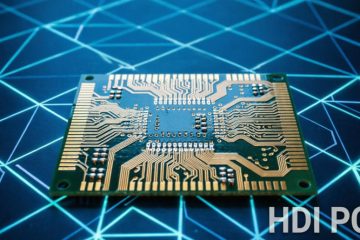
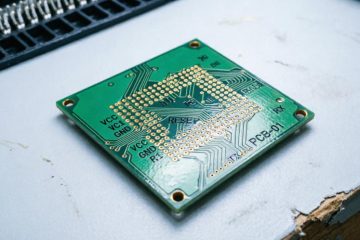
| Printed Circuit Board (PCB) | A Printed Circuit Board is a non-conductive surface or board etched with conductive pathways. It is an electronic circuit that interconnects electronic components. In modern technology, PCBs play a significant role in electronic devices and circuits. Depending on circuit complexity and design, PCBs can be single-layer, double-layer, or multi-layer. | Mobile phones, Computers, Electronic devices |
| Linear Circuits | An electronic circuit whose parameters do not change over time and do not vary with current or voltage values is termed a linear circuit. It obeys Ohm’s Law. | Voltage dividers, RC and RL circuits |
| Non-linear Circuits | A non-linear circuit is an electronic circuit whose parameters change with voltage or current. Such circuits do not obey Ohm’s Law. Unlike linear circuits, the output of a non-linear circuit is not proportional to its input. | Rectifiers, Amplifiers, Digital logic circuits |
How to Design an Electronic Circuit
- Schematic Capture: A schematic is a visual representation of an electronic circuit. They use standardized symbols to depict components and their interconnections, making the circuit easier to understand and design.
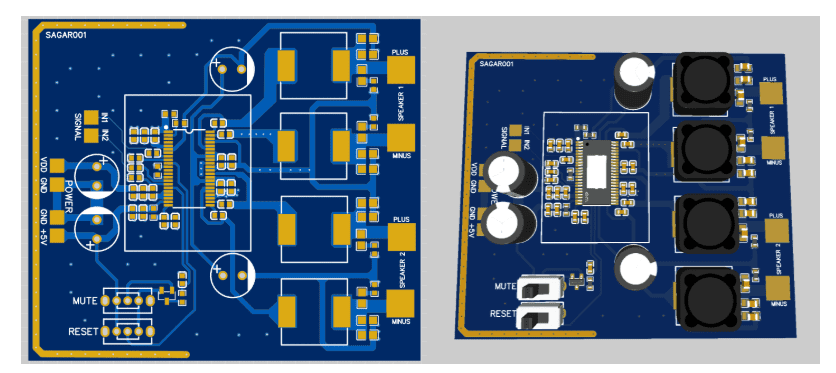
- PCB Design: The Printed Circuit Board (PCB) provides a physical platform for electronic components. PCB design involves laying out the circuit connections and ensuring proper component placement and routing.
- Testing and Debugging: Testing and debugging are essential steps in circuit design. Various tools, such as oscilloscopes and multimeters, are used to verify circuit functionality and identify issues.
Common Measurement Equipment for Electronic Circuits
o inspect and troubleshoot circuits, engineers use various tools:
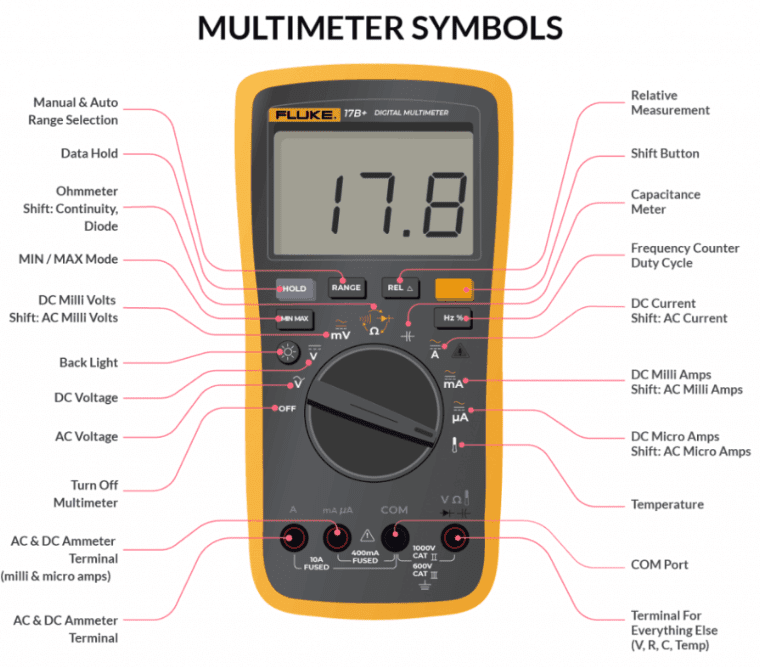
- Multimeter: Measures voltage, current, and resistance. Essential for virtually any test.
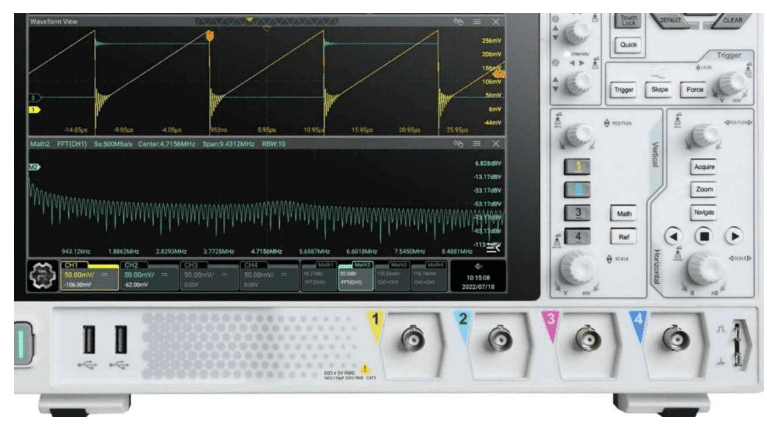
Oscilloscope: Displays how signals change over time—invaluable for analyzing waveforms.
- LCR Meter: Measures Inductance (L), Capacitance (C), and Resistance (R).
- Logic Analyzer: Aids in debugging digital signals and timing issues.
These devices ensure circuits operate correctly under different conditions.
Applications of Electronic Components and Circuits
Electronic components and circuits power almost all the technology we use today. Here are several major application areas:
- Consumer Electronics: Televisions, phones, gaming consoles, and home appliances all rely on intricate circuits.
- Automotive Systems: Used in Engine Control Units (ECUs), ABS brakes, GPS modules, and more.
- Medical Devices: Circuits manage everything from heart monitors to imaging systems.
- Telecommunications: Signal boosters, routers, and network equipment depend on electronic components.
- Industrial Equipment: Used for automation, robotics, and machine control systems.
- Defense and Aerospace: Crucial for radar systems, flight control computers, and satellite communications.
Regardless of the industry, electronic components and circuits are paramount for innovation, performance, and safety. Whether you are a student, hobbyist, or professional, mastering how circuits work and how devices interact is essential for designing or repairing electronic equipment.
For those looking to manufacture reliable boards or needing assistance in bringing their electronic designs to life, partnering with a professional manufacturer is key.
Conclusion
Electronic devices and circuits play a crucial role in simplifying our lives, shaping modern technology, and driving progress across various fields. These devices are designed using electronic components—such as passive, active, and semiconductor elements—that function in control systems and information processing.
From mobile phones and medical imaging to power systems and industrial automation, electronic circuits form the backbone of efficient systems and new technological innovations. Printed circuit board design and troubleshooting methodologies are vital for developing efficient electronic devices.
0 Comments