



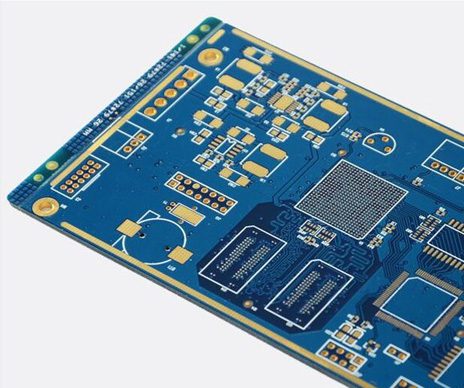


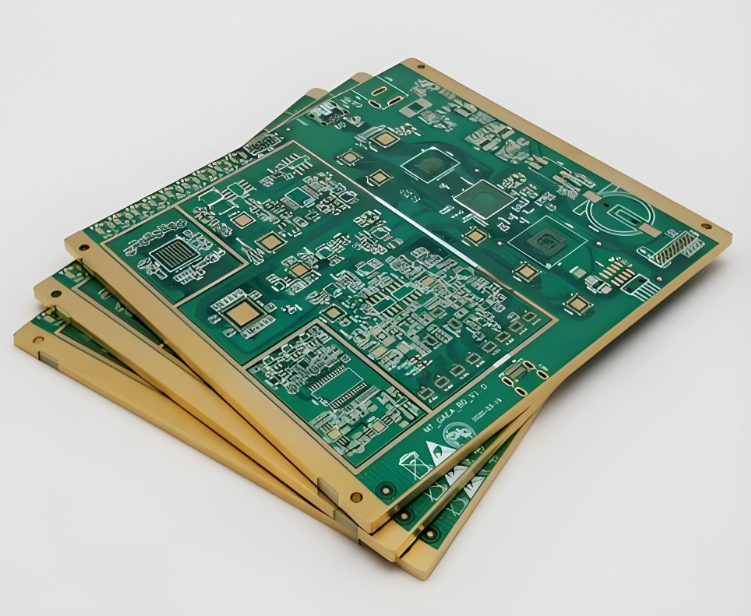
In the highly competitive PCB manufacturing industry, with 20 years of profound experience, we have witnessed numerous cases where equipment failures were caused by the insufficient performance of circuit board materials. Today, let’s take an in-depth look at High TG PCB – the core solution to the performance challenges of circuit boards in high-temperature environments. “TG” in High TG PCB stands for Glass Transition Temperature. When the operating temperature of a common PCB exceeds its TG value, the board material will transform from a solid state to a rubbery state, resulting in a significant decline in performance. In contrast, High TG PCB typically has a TG value of ≥170°C, enabling it to maintain stable electrical and mechanical properties even in high-temperature environments. It is widely used in fields with extremely high requirements for heat resistance, such as automotive electronics, communication base stations, and aerospace.
What is High TG PCB?
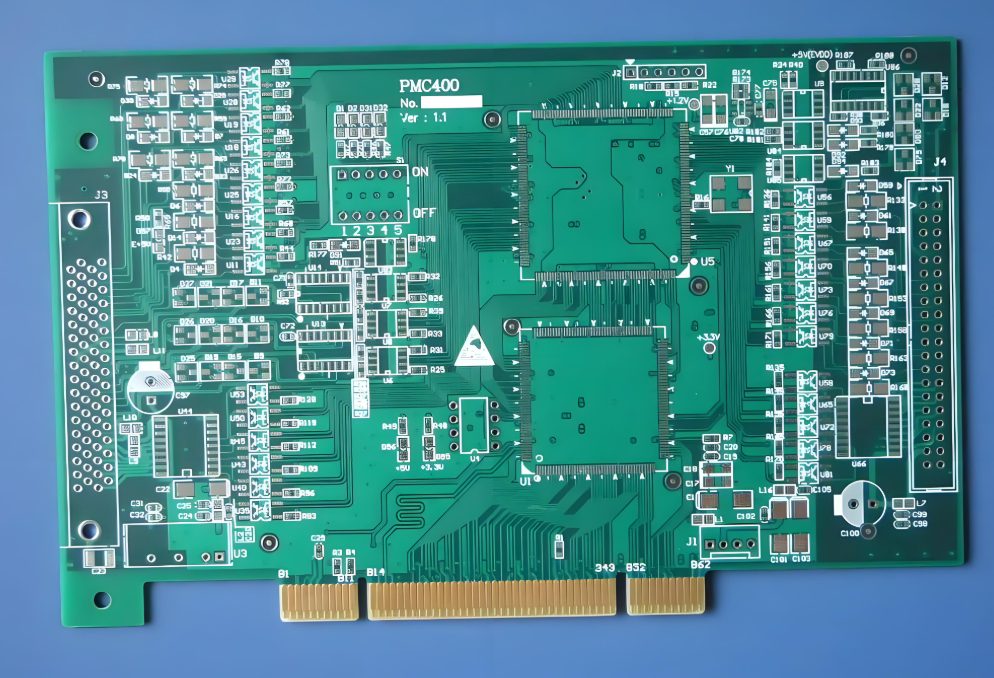
What exactly is a High TG PCB? Common PCBs are like fragile “glass” in the face of high temperatures – they are prone to deformation, track expansion, and even short circuits. On the other hand, High TG PCB is a “steel fortress” resistant to high temperatures. Take the automotive industry as an example. We once supplied High TG PCBs to a well-known automaker. The temperature inside the engine compartment of their cars often exceeded 120°C. Common PCBs could not work stably in such an environment, but our High TG PCBs withstood strict high-temperature tests, ensuring the stable operation of the automotive electronic systems and winning high praise from the customer. From a professional perspective, High TG PCB relies on its high glass transition temperature to maintain structural stability and reliable performance in high-temperature environments.
pcb tg rating
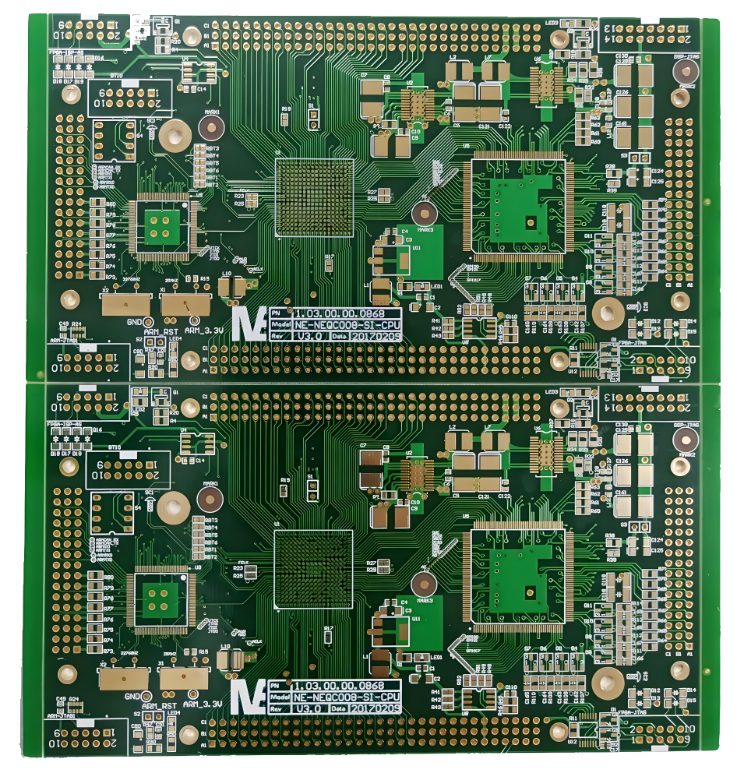
The TG rating of a PCB is a crucial indicator for measuring its heat resistance. It serves as a key determinant in ensuring the reliability and performance of electronic devices under various thermal conditions.
- Common-grade PCBs: Those with a TG value lower than 130°C fall into this category. They are ideal for consumer electronics with minimal temperature requirements, such as home speakers and children’s toys. Their affordability and basic functionality make them a popular choice for mass-market products.
- Medium TG PCBs: With a TG value ranging from 130°C to 170°C, these boards offer enhanced thermal stability compared to common-grade ones. They are suitable for applications that demand moderate heat resistance, like certain industrial control systems and mid-range computing devices.
- High TG PCBs: Boasting a TG value of ≥170°C, these high-performance boards are the top tier in the PCB hierarchy. They are predominantly used in professional high-end equipment, including aerospace electronics, high-performance computing servers, and advanced medical imaging devices. These applications often involve extreme operating temperatures and require components that can withstand harsh conditions without compromising functionality.
Selecting the appropriate TG rating for a PCB is not just a technical choice; it’s like choosing the right “protective gear” for your equipment. A mismatched TG rating can lead to premature failure, reduced efficiency, and even safety hazards. Therefore, understanding the specific thermal demands of your application is paramount in ensuring the long-term success and reliability of your electronic designs.
pcb tg value
The TG value of a PCB directly determines its high-temperature resistance. The TG value of ordinary FR – 4 boards is usually between 120°C – 140°C, and they may experience delamination, deformation, and other problems in slightly higher temperature environments. However, the TG value of High TG PCB can reach 170°C or even higher. We once produced a High TG PCB with a TG value of 180°C, which maintained excellent electrical and mechanical properties during long – term operation at 150°C, providing a solid foundation for the stable operation of the equipment.
FR4 High Tg Datasheet Key Parameters
Property |
Standard FR-4 |
High Tg FR-4 |
Glass Transition Temperature (Tg) |
125 – 135°C |
170 – 180°C |
Thermal Conductivity (W/m·K) |
0.2 – 0.4 |
0.4 – 0.6 |
Decomposition Temperature (Td) |
310°C |
340°C |
Dielectric Constant (Dk) at 1GHz |
4.3 – 4.6 |
4.2 – 4.5 |
Dissipation Factor (Df) at 1GHz |
0.02 – 0.03 |
0.018 – 0.025 |
Coefficient of Thermal Expansion (CTE, Z-axis) |
60 – 80 ppm/°C |
45 – 60 ppm/°C |
What are the high Tg PCB materials
The materials commonly used for High TG PCB each have their own distinct advantages:
- High TG FR – 4: As part of the epoxy glass fiber board family, the high TG version showcases enhanced heat resistance and dimensional stability, making it a reliable choice for many applications.
- Polyimide (PI): With a TG typically exceeding 250°C, this exceptional material offers outstanding high – temperature resistance, corrosion resistance, and insulation properties. It’s highly sought after in high – end sectors like aerospace and military.
- Cyanate Ester (CE): Boasting a TG range of 180 – 250°C, CE’s low dielectric constant and low loss features make it the go – to option for 5G communication equipment.
- BT resin: Featuring a TG generally between 180 – 230°C, BT resin combines excellent mechanical strength with heat resistance, finding wide use in automotive electronics, server motherboards, and more.
.
High TG PCB manufacturers
As a High TG PCB manufacturer with 20 years of experience, we have grown continuously in the industry. From the initial exploration of High TG materials to providing comprehensive high – quality services to customers today, every step reflects the wisdom and hard work of our team.
High TG PCB Design
Our design team is composed of a group of experienced senior engineers, each with nearly 20 years of PCB design experience. When designing High TG PCBs, we not only focus on circuit layout but also optimize according to the thermal properties of materials. We once designed a PCB for a communication base station project. Through professional thermal simulation software, we discovered that the heat dissipation in a certain area was poor. We adjusted the plan in a timely manner, avoiding potential equipment failures caused by high temperatures. In addition, we provide free Design for Manufacturability (DFM) inspection to help customers avoid production risks in advance.
High TG PCB Prototyping
We understand how important time is to our customers, so we have established a fast prototyping channel. Samples can be delivered in as fast as 48 hours. During the prototyping process, advanced technologies such as laser drilling and precise circuit etching are used to ensure that the samples are of the same quality as the final products. Once, a scientific research team urgently needed High TG PCB samples with special processes. Our team worked overnight, coordinated various resources, and delivered the samples on time, helping to advance their scientific research project smoothly.
Mass Production
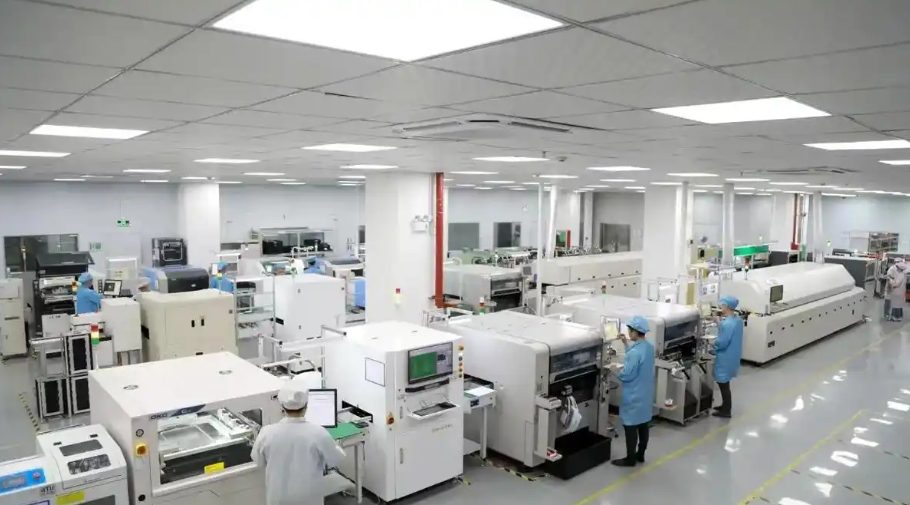
Our 6,000-square – meter factory is equipped with advanced automated production equipment and a perfect quality management system, with a monthly production capacity of 200,000 square feet. Every link from raw material entry to finished product delivery is strictly controlled. We have obtained multiple international certifications, including ISO 9001 and IATF 16949, to ensure that every High TG PCB meets high standards.
High TG PCB Assembly
Eight professional SMT production lines can accurately mount tiny components, such as 0201 – sized ones. We provide one – stop assembly services, covering component procurement, soldering, and functional testing. During the assembly process, means such as X – RAY inspection and AOI optical inspection are used to strictly check every solder joint and circuit, providing customers with worry – free Turnkey services.

Why Choose Us?
On-Time Delivery
On – time delivery is the key to our 20 – year foothold in the industry. We have established a complete production planning and management system. Once an order is received, a detailed production schedule is formulated. Customers can check the order progress in real – time through our online system. With efficient processes and strict management, our on – time delivery rate is as high as 99%. Once, a customer placed an urgent order and required delivery within 10 days. We optimized the process, allocated resources, and delivered the goods one day ahead of schedule, winning the customer’s trust and subsequent cooperation.
Turnkey Service
Our Turnkey service is designed to make customers worry – free throughout the process. From design concept, prototyping confirmation to mass production and assembly, we offer one – stop services. After the project starts, a dedicated project manager will respond to customers’ needs 24 hours a day, promptly solving technical problems and delivery arrangements. We once served a customer who was not familiar with PCB manufacturing. They only provided the functional requirements of the equipment, and we took care of the entire process. The final product passed the acceptance smoothly, and the customer even actively recommended new business to us.
Competitive Pricing
To provide customers with cost – effective products, we continuously optimize production processes and reduce costs. Through long – term cooperation with high – quality suppliers for bulk raw material procurement and optimizing production flow to improve efficiency, our High TG PCBs are, on average, 15% – 20% lower in price than those of our peers, while maintaining uncompromised quality.
Quality Assurance
Quality is our top priority. We strictly select High TG materials from well – known brands in the industry and conduct comprehensive inspections on each batch of raw materials. Ten quality inspection procedures are set up during the production process, and professional quality inspectors oversee every link. Before the finished products leave the factory, 100% electrical performance tests and high – temperature aging tests are carried out. If any problems are found, we will rework immediately until the customer is satisfied.
What are the advantages of High TG PCB
Excellent High-Temperature Resistance
This is the core advantage of High TG PCB. In high – temperature environments, it can maintain stable physical and chemical properties, avoiding problems such as board deformation and delamination. In the aerospace field, where equipment faces extreme temperature changes, High TG PCB ensures reliable equipment operation with its high TG value.
Stable Electrical Performance
High temperatures can severely affect the electrical performance of common PCBs, leading to unstable signal transmission and impedance changes. However, High TG PCB can still maintain good electrical performance in high – temperature environments, ensuring fast and stable signal transmission. This is why 5G communication base stations widely use High TG PCBs.
Long Service Life
Due to the stable performance of High TG PCB in high – temperature environments, equipment failures are reduced, and the service life is extended. In automotive electronic systems, it enables the equipment to operate reliably during long – term high – temperature operation, reducing maintenance costs and frequencies.
High TG PCB manufacturing process?
High TG PCB manufacturing process?
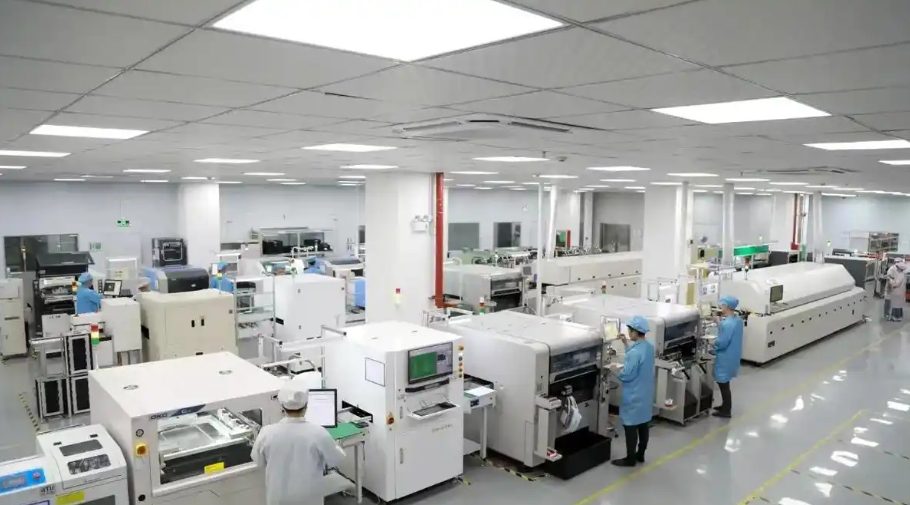
The manufacturing process of High TG PCB is a meticulous and complex one:
Step 1: Raw Material Preparation
High TG copper – clad laminates, prepregs, and other raw materials are carefully selected. Each batch of materials undergoes strict inspections, including TG value testing, copper foil thickness measurement, and surface quality inspection, to ensure that the raw materials meet the standards.
Step 2: Cutting
The copper – clad laminates are precisely cut according to the design size. Strict control of dimensional accuracy is required to avoid affecting subsequent processes.
Step 3: Drilling
High – precision drilling equipment is used to drill holes on the copper – clad laminates. The drilling accuracy and quality directly affect the electroplating and circuit connection, so the requirements for equipment parameter settings and operators are extremely high.
Step 4: Electroplating
An electroplating process is used to form a uniform copper layer on the hole walls and circuit surfaces, enhancing conductivity and connection reliability. Parameters such as the composition of the electroplating solution, temperature, and current density are precisely controlled.
Step 5: Circuit Fabrication
The photochemical etching process is adopted to transfer the circuit pattern onto the copper – clad laminate and etch away the redundant copper layer to form accurate circuit traces. High requirements are placed on the precision of pattern transfer and the etching process.
Step 6: Lamination
Multiple layers of circuit boards and prepregs are pressed together under high temperature and pressure to form multi – layer High TG PCBs. Temperature, pressure, and time need to be well – controlled to prevent the occurrence of bubbles and delamination.
Step 7: Surface Treatment
Surface treatment processes such as electroless nickel immersion gold, hot air solder leveling, and organic solderability preservative are carried out according to customer requirements. The quality of surface treatment directly affects the solderability and oxidation resistance of the PCB.
Step 8: Testing and Inspection
Comprehensive tests are conducted on the finished PCBs, including electrical performance tests, appearance inspections, and high – temperature aging tests, to ensure that the product quality meets the standards.

High TG PCB Application
High TG PCB Application
Automotive Electronics Field
High TG PCBs are indispensable in automotive engine control units, on – board charging systems, autonomous driving sensors, and other components. When the car is running, the temperature in the engine compartment is high, and High TG PCBs can work stably in this environment, ensuring driving safety.
Communication Equipment Field
5G communication base stations, switches, routers, etc. generate a large amount of heat during operation. High TG PCBs, with their excellent performance, ensure stable signal transmission of communication equipment in high – temperature environments, promoting the development of 5G networks.
Aerospace Field
Avionics systems of aircraft and electronic equipment of satellites face extreme temperature changes at high altitudes. High TG PCBs can adapt to harsh environments, ensuring the normal operation of aerospace equipment, which is of great significance for flight safety and mission execution.
Industrial Control Field
In industrial scenarios such as industrial automation production lines, CNC machine tools, and high – temperature furnace control equipment, the environment is complex and the temperature is high. High TG PCBs can work stably for a long time, ensuring the accurate operation of industrial control systems and improving production efficiency.
With 20 years of in – depth cultivation in the industry, we have a thorough understanding of the technology and applications of High TG PCBs. Whether you are developing automotive electronic equipment or building 5G communication base stations, we can provide professional and reliable solutions. Contact us now at sales@pcbtry.com and let’s work together to create high – performance and durable electronic products!